The Art of the Ask: Why Most Upselling Falls Flat (And What to Do Instead)
Picture this: You sit down at a restaurant, open the menu, and before you've even had a chance to decide between the salmon and the steak, your server swoops in and asks if you'd like to try tonight's premium aged wagyu ribeye for just $68 more. You smile politely, say no thank you, and immediately feel a little defensive for the rest of the meal. That's upselling done wrong — and it happens hundreds of times a day in restaurants across the country.
Here's the twist: upselling itself isn't the problem. In fact, done well, it genuinely improves the customer experience. The problem is the how. Pushy, scripted, poorly timed upselling doesn't just fail to land — it actively damages trust. And in the restaurant industry, where repeat customers and word-of-mouth are everything, that's a costly mistake.
The good news? There's a better way. Whether you're a restaurant owner training your front-of-house team or a server looking to boost your tips without making guests feel like targets, this guide will walk you through the principles of upselling that actually works — and that customers actually appreciate.
Understanding the Psychology Behind a Successful Upsell
Before you can sell anything, you need to understand what's really happening in a customer's mind when they walk through your door. They're not just hungry — they're looking for an experience. They want to feel taken care of, not sold to. The moment a customer senses that your primary interest is their wallet rather than their enjoyment, the relationship shifts, and not in your favor.
The Difference Between Recommending and Selling
The most effective upselling doesn't feel like upselling at all — it feels like a knowledgeable friend giving you a heads-up. "The lobster bisque is incredible tonight — the chef just got in a fresh batch" lands very differently than "Can I interest you in a bowl of soup to start?" One feels personal and informed. The other feels like a checkbox on a sales script.
Train your servers to think of themselves as guides, not salespeople. Their job is to help customers make great choices — and sometimes that means steering them toward a premium option they didn't know they wanted. When servers genuinely know the menu and can speak to it with enthusiasm and specificity, customers listen. Authenticity is the secret ingredient that no upselling script can replicate.
Timing Is Everything
Even the best recommendation will bomb if it comes at the wrong moment. Suggesting a dessert while someone is still mid-entrée? Awkward. Offering a second round of drinks while glasses are still half-full? Pushy. Good upselling is about reading the room — and reading the table.
The sweet spots for upselling in a restaurant setting typically include: just after customers have reviewed the menu but before they've ordered (appetizers and drink upgrades), during a natural lull between courses (dessert pre-sell), and when a customer is already expressing enjoyment (a second glass of wine). The key is to make the offer feel like it fits naturally into the flow of the meal, not like it's interrupting it.
Know What You're Actually Selling
This one seems obvious, but it's worth saying plainly: servers who don't know the menu can't upsell effectively. If a server fumbles when asked what's in the house-made aioli or can't describe how the duck is prepared, they've already lost the customer's confidence. Confidence and knowledge go hand in hand. Invest in regular menu tastings, detailed training sessions, and ongoing staff education — especially when you introduce new items or seasonal specials. A server who can say "I had the mushroom risotto at our staff tasting last week and it's genuinely one of the best things we've served" is worth their weight in upsold appetizers.
How Technology Can Support Your Upselling Strategy
Your servers are human — brilliant, personable, and irreplaceable in many ways — but they also get busy, get tired, and occasionally forget to mention the nightly special to table seven. That's where a little technology can quietly pick up the slack.
Let AI Handle the First Touch (and the Phone)
Stella, the AI robot employee and phone receptionist, is built to do exactly what she sounds like: greet, engage, and inform — without ever getting too busy or forgetting her lines. For restaurants with a physical location, Stella can stand near the entrance as a friendly kiosk presence, welcoming guests, sharing current specials, and highlighting promotions before your servers even arrive at the table. That means by the time a human staff member approaches, the customer is already primed and informed.
And when customers call ahead — to ask about the menu, make a reservation inquiry, or check your hours — Stella answers 24/7 with the same knowledge and warmth she brings in person. She can mention specials, answer questions, and ensure that every caller gets a consistent, professional experience. No missed calls. No "let me put you on hold." Just a knowledgeable, always-available voice for your business.
Practical Upselling Techniques That Actually Work
Theory is great, but let's talk tactics. Here are the approaches that consistently drive higher check averages without making customers feel like they've wandered into a timeshare presentation.
Use Specific Language, Not Generic Prompts
Vague upselling is easy to ignore. Specific upselling is hard to resist. Compare these two approaches:
- Generic: "Would you like to add anything to your order?"
- Specific: "Our truffle fries are really popular as a side with the burger — they come with a parmesan dipping sauce that people love."
The second option gives the customer something to visualize and respond to. It also signals that the server actually knows what they're talking about. Specificity builds trust, and trust makes people open their wallets. Encourage your team to drop the filler phrases and get comfortable with descriptive, confident language.
Anchor the Upsell to What They've Already Chosen
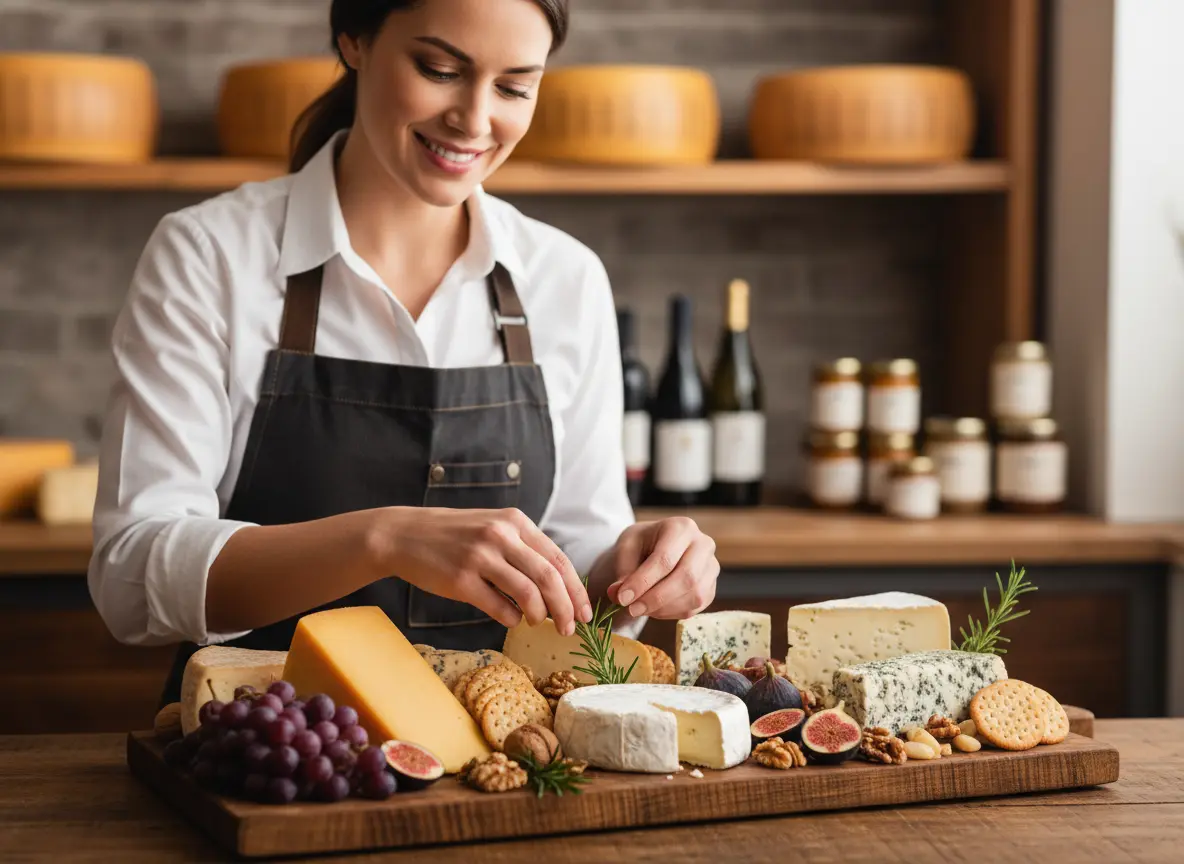
One of the most natural ways to upsell is to tie the recommendation directly to the customer's existing order. If someone orders a glass of Cabernet, mention that it pairs beautifully with the charcuterie board. If they're getting the grilled salmon, suggest the lemon herb risotto as an ideal pairing. This approach works because it doesn't feel random — it feels thoughtful and curated, like the server is building a cohesive experience rather than just adding line items to a check.
According to a study by Cornell University's Center for Hospitality Research, suggestive selling techniques that tie recommendations to a guest's existing choices significantly outperform generic add-on prompts in both conversion rate and customer satisfaction. In other words, the data backs up what good servers already know intuitively.
Create Urgency Without Pressure
There's a fine line between creating genuine excitement about a limited offering and making someone feel like they're being manipulated. The good news is that line is easier to walk than you'd think. Phrases like "We only have a few portions of the sea bass left tonight" or "The chef's tasting menu changes next week, so this is actually the last few days to try this version" create real urgency based on real facts — and they do so without pressure. Customers appreciate being informed. What they don't appreciate is being cornered. Keep the tone informative and conversational, and let the customer make the call from there.
A Quick Reminder About Stella
Stella is an AI robot employee and phone receptionist designed to help businesses — including restaurants — greet customers, promote specials, and answer questions around the clock. She works as a friendly in-store kiosk presence and as a 24/7 phone receptionist, all for an affordable $99/month with no upfront hardware costs. If your team is stretched thin and you're looking for reliable, consistent customer engagement without adding headcount, she's worth a look.
Putting It All Together: Your Next Steps
Upselling doesn't have to be awkward. It doesn't have to feel slimy, pushy, or transactional. When done right, it's simply good hospitality — helping your customers discover options they didn't know they'd love, delivered by a team that genuinely knows and cares about what they're serving.
Here's a simple action plan to start improving your upselling results this week:
- Schedule a menu deep-dive with your front-of-house staff. Make sure everyone can speak to every dish with confidence and enthusiasm. Bonus points if you can do a tasting.
- Audit your current upselling language. Are servers using specific, descriptive language, or defaulting to generic prompts? Replace the generic with the specific.
- Map your upselling moments. Identify the natural touchpoints in a typical meal where offers fit most seamlessly, and train around those windows.
- Tie recommendations to existing orders. Encourage servers to listen first, then connect their suggestion directly to what the customer has already chosen.
- Track your results. Average check size, add-on frequency, and dessert conversion rate are all measurable. If you're not tracking, you can't improve.
The best upsell is one the customer is glad happened. Build a team culture where the goal is a genuinely better guest experience — not just a higher ticket — and the revenue will follow. It almost always does.