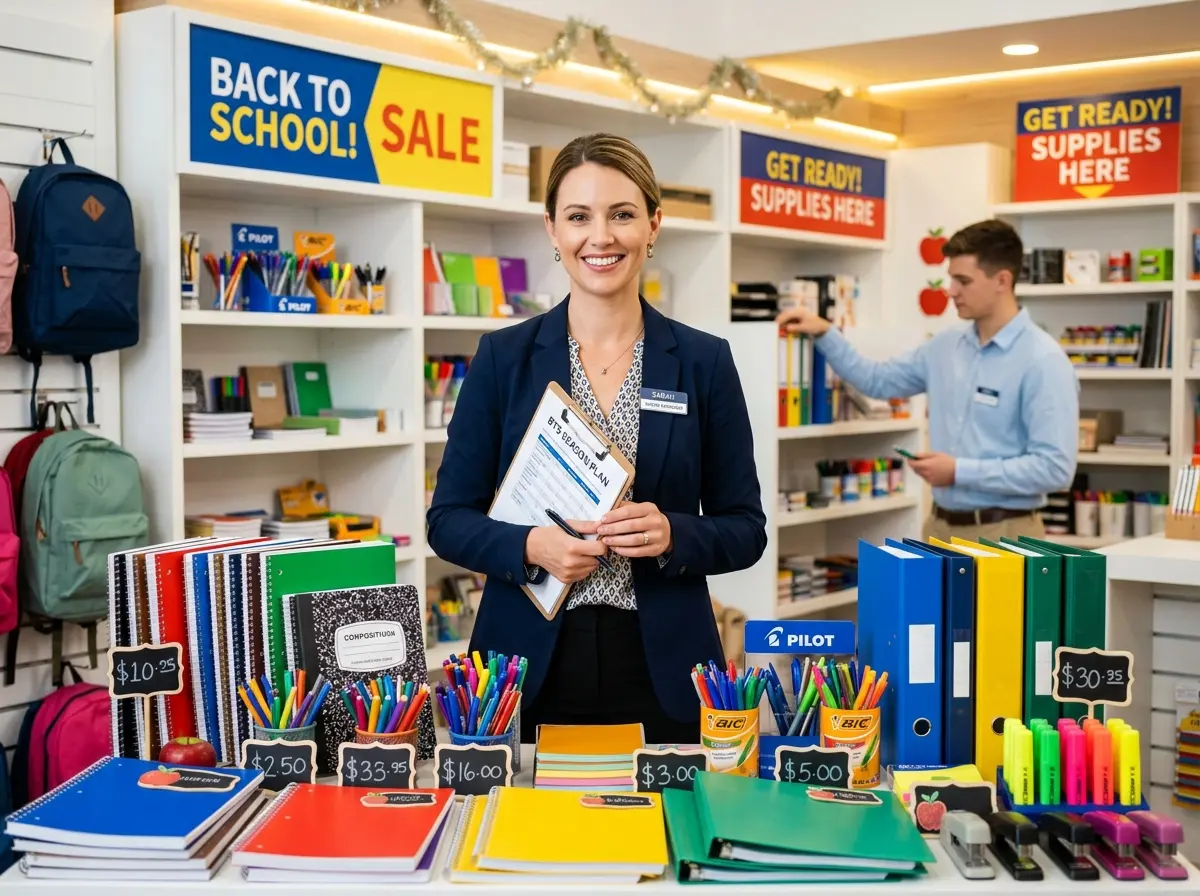
Introduction: The Most Wonderful (and Chaotic) Time of the Year
Ah, back-to-school season. The time of year when parents rediscover the joy of shopping for 47 specific items on a teacher's supply list, students reluctantly trade in their summer freedom for No. 2 pencils, and supply store owners either crush it or get crushed by the competition. If you're running an office or school supply store, this is your Super Bowl — and just like the Super Bowl, showing up unprepared is not an option.
The back-to-school market is no small thing. According to the National Retail Federation, back-to-school and back-to-college spending regularly tops $135 billion annually in the United States. That's a lot of glue sticks and graph paper. The question isn't whether customers will be spending money — it's whether they'll be spending it with you.
The stores that win this season aren't just the ones with the best prices. They're the ones with the smartest promotions, the smoothest customer experience, and a team that can actually keep up with the rush. This guide will walk you through a practical, actionable blueprint for making the most of back-to-school — from stocking strategy to customer engagement to the tech that keeps it all running when things inevitably get hectic.
Stock Smart: The Art of Having What People Actually Need
Forecast Demand Before the Rush Hits
Nothing kills a back-to-school sale faster than empty shelves. And nothing kills your reputation quite like telling a stressed parent that you're out of wide-ruled composition notebooks three days before school starts. Forecasting demand isn't glamorous work, but it is absolutely essential. Pull last year's sales data, look at your regional school district calendars, and pay attention to supply lists that start circulating in late July. Many districts publish these online — your future bestsellers are hiding right there in plain sight.
Focus your forecasting energy on the high-velocity items: backpacks, binders, loose-leaf paper, colored pencils, markers, highlighters, scissors, and calculators. These are the things parents buy in bulk, sometimes for multiple kids, and they need to be in stock from the moment the season kicks off through the first two weeks of school.
Bundle Products to Increase Average Order Value
Here's a secret that savvy supply stores have known for years: customers love being told what to buy when they're overwhelmed. Enter the bundle. A pre-packaged "Grade 3 Essentials Kit" or a "High School Starter Pack" does two very powerful things simultaneously — it makes the shopping experience easier for the customer and it increases your average transaction value without requiring any extra selling effort.
Consider creating bundles at multiple price points to serve different customer segments. A budget-friendly basics bundle, a mid-range all-inclusive pack, and a premium bundle with name-brand supplies can appeal to the full spectrum of your shoppers. Add a small promotional card to each bundle that lists complementary add-ons they might still need — this is a low-effort upsell that can meaningfully move the needle on revenue.
Don't Neglect the Teacher Market
Teachers are a goldmine that too many supply stores overlook during back-to-school season. Individual teachers often spend hundreds of their own dollars equipping their classrooms — and if you can position your store as the go-to spot for educators, you've unlocked a loyal, repeat customer base that shops year-round, not just in August. Consider a dedicated teacher discount program, a classroom supply request list service, or even a bulk order option with school purchase orders. A small gesture like 15% off for educators can generate enormous goodwill and word-of-mouth referrals that money can't easily buy.
Promotions That Actually Promote Something
Time Your Deals With Intention
Slapping a "SALE" sign on the window and hoping for the best is a strategy — just not a very good one. The most effective back-to-school promotions are timed to match customer buying behavior. Research consistently shows that back-to-school shopping peaks in late July and the first two weeks of August, with a secondary spike right before school starts. Build your promotional calendar around these windows: launch a "Early Bird" deal in mid-July to capture organized shoppers, run your biggest promotions in early August when traffic peaks, and offer a "Last Minute" deal the week before school starts for the inevitable procrastinators (bless their hearts).
Promote Across Every Channel You Have
Email, social media, in-store signage, local community boards, and even your phone greeting — every touchpoint is an opportunity to communicate your current deals. Too many store owners pour energy into a promotion and then only tell 20% of their potential audience about it. If you're running a buy-two-get-one deal on notebooks, make sure that message is everywhere a potential customer might encounter your brand. Consistency across channels isn't just nice to have; it's the difference between a promotion that moves inventory and one that quietly expires without fanfare.
Technology That Actually Shows Up for Work
Let Automation Handle the Repetitive Stuff
Back-to-school season has a way of exposing every gap in your operations. Phone ringing off the hook? Staff too busy to answer? Customers asking the same five questions on repeat? This is where technology — specifically the right technology — can turn a chaotic season into a manageable, even profitable one.
Stella, the AI robot employee and phone receptionist, is built exactly for moments like this. In a physical supply store, she stands as a friendly, human-sized kiosk that greets customers as they walk in, answers questions about products and current promotions, and proactively highlights your back-to-school deals — without needing a break, a lunch hour, or a pep talk. She can cross-sell and upsell by recommending related items (yes, she'll remind someone buying binders that they probably need dividers too), and she keeps doing it consistently across every customer interaction, all season long.
On the phone side, Stella answers calls 24/7, so the parent calling at 9pm to ask about your hours or whether you carry a specific calculator model doesn't hit voicemail and quietly drift toward a competitor. She can handle those calls herself, forward to staff when needed, or take AI-summarized voicemails that push notifications straight to your managers — no message slipping through the cracks. For supply stores running back-to-school promotions, this kind of consistent, always-available presence is genuinely hard to overstate.
Customer Experience: The Reason They Come Back Next Year
Speed and Ease Win the Season
Parents shopping for school supplies are not leisurely browsing. They are on a mission. They have a list, they have limited time, and they have at least one child making the experience more challenging than it needs to be. Your store layout and customer experience should respect that reality. Clear, intuitive organization by grade level or subject area can make a significant difference in how quickly customers find what they need — and how likely they are to return. If shopping at your store feels easy, that feeling sticks.
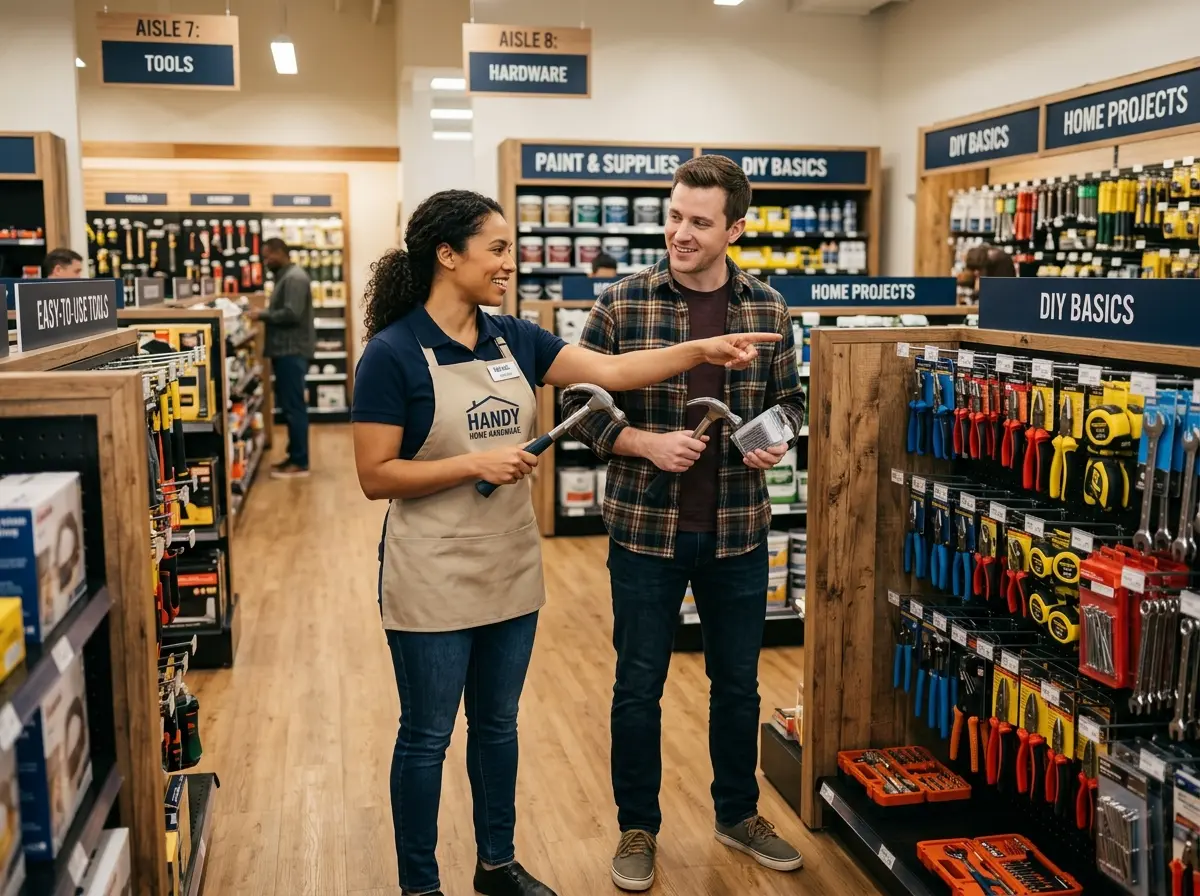
Train your staff to be proactive rather than reactive during peak season. Instead of waiting to be asked for help, have team members circulating with the specific knowledge of where everything is and what's currently on sale. A well-placed "Can I help you find anything?" from a knowledgeable staff member can save a customer five minutes and earn you a five-star review.
Capture Customer Information While You Have Their Attention
Back-to-school season brings in a surge of new faces — customers who might not have shopped with you before and might not again unless you give them a reason to. This is the perfect time to build your customer list. Offer a small incentive — a discount, a future coupon, entry into a giveaway — in exchange for an email address or phone number. Done well, this kind of data collection feels like a value exchange rather than an intrusion, and it gives you a direct line of communication for every promotion you run for the rest of the year.
Follow Up After the Season Ends
Most supply stores treat back-to-school as a sprint: go hard in August, recover in September. The smarter play is to use the season as a launching pad for year-round customer relationships. A follow-up email in late September with a "how's the school year going?" message and a relevant offer (think: replacement supplies, organizational products, holiday gift ideas for teachers) keeps your brand top of mind long after the composition notebooks have been filled. Customers who feel a relationship with a store are far more likely to return — and to recommend you to others.
Quick Reminder About Stella
Stella is an AI robot employee and phone receptionist that works in your store as a friendly kiosk presence and answers your phones 24/7 — no breaks, no turnover, no bad days. She promotes your deals, answers customer questions, upsells and cross-sells, and keeps your operation running smoothly even when your human team is stretched thin. At just $99/month with no upfront hardware costs, she's one of the more practical investments a supply store owner can make heading into a high-traffic season.
Conclusion: Go Win Your Super Bowl
Back-to-school season rewards preparation, intentionality, and execution. The supply stores that come out ahead aren't necessarily the biggest or the cheapest — they're the ones that anticipated demand, communicated their value clearly, delivered a smooth customer experience, and used smart tools to fill the gaps their human teams couldn't cover alone.
Here's your actionable checklist heading into the season:
- Pull last year's sales data and map it against this year's school district calendar to forecast demand.
- Create product bundles at multiple price points to simplify the shopping decision and increase order value.
- Launch a teacher discount or educator program to capture a loyal, year-round customer segment.
- Build a promotional calendar with specific deal windows tied to shopping behavior peaks in July and August.
- Promote your deals consistently across every channel — email, social, in-store, and phone.
- Invest in tools that handle the repetitive, high-volume work so your team can focus on the moments that matter.
- Collect customer contact information during the surge and use it to build relationships beyond August.
The season is coming whether you're ready or not. The good news is, now you have a blueprint. Go make it count.