Introduction: Because "Word of Mouth" Isn't a Business Strategy (Unless You Make It One)
Let's be honest — as a personal trainer, you're incredible at what you do. You can spot a misaligned squat from across the gym floor, you know exactly how many grams of protein your clients should be eating, and you can motivate even the most reluctant early-morning exerciser to show up and give it their all. But when it comes to systematically managing client relationships and turning happy clients into a steady referral machine? That's where a lot of trainers quietly stare at the ceiling and hope for the best.
Here's the uncomfortable truth: the fitness industry has a retention problem. Studies suggest that gyms and personal trainers lose between 30% and 50% of their clients every year. Some leave because of relocation or budget changes — fine, that's life. But a significant chunk leave simply because they didn't feel connected, followed up with, or valued enough to stay. And those are the clients you absolutely can keep.
Enter the CRM — Customer Relationship Management software. It sounds corporate, it sounds like something a Fortune 500 company uses to manage thousands of accounts, and yes, it probably reminds you of a boring software demo you once sat through. But for personal trainers, a well-used CRM isn't just a digital Rolodex. It's the backbone of a client retention strategy and, when used correctly, a referral engine that works even when you're busy coaching someone through their fifth set of deadlifts.
This guide walks you through exactly how to use CRM tools to keep clients coming back, build genuine relationships, and grow your business through referrals — without spending every evening buried in spreadsheets.
Building a Client Retention System That Actually Works
Know More Than Their Fitness Goals
The trainers who retain clients the longest aren't just tracking workout progress — they're tracking the whole person. A CRM lets you store far more than a client's starting weight and target deadlift. Think about what you actually learn about your clients over time: their kids' names, the marathon they're training for, the knee injury that flares up in cold weather, the fact that they absolutely cannot function without mentioning their dog within the first three minutes of a session.
When you log these details — birthdays, life events, personal milestones, communication preferences — and actually reference them, clients feel seen. They feel like a person, not a booking slot. And people don't leave trainers who make them feel that way. Use custom fields and notes within your CRM to build rich profiles for every client, and make a habit of updating them after each session or interaction. It takes two minutes and pays dividends for years.
Automate Your Follow-Up Without Losing the Personal Touch
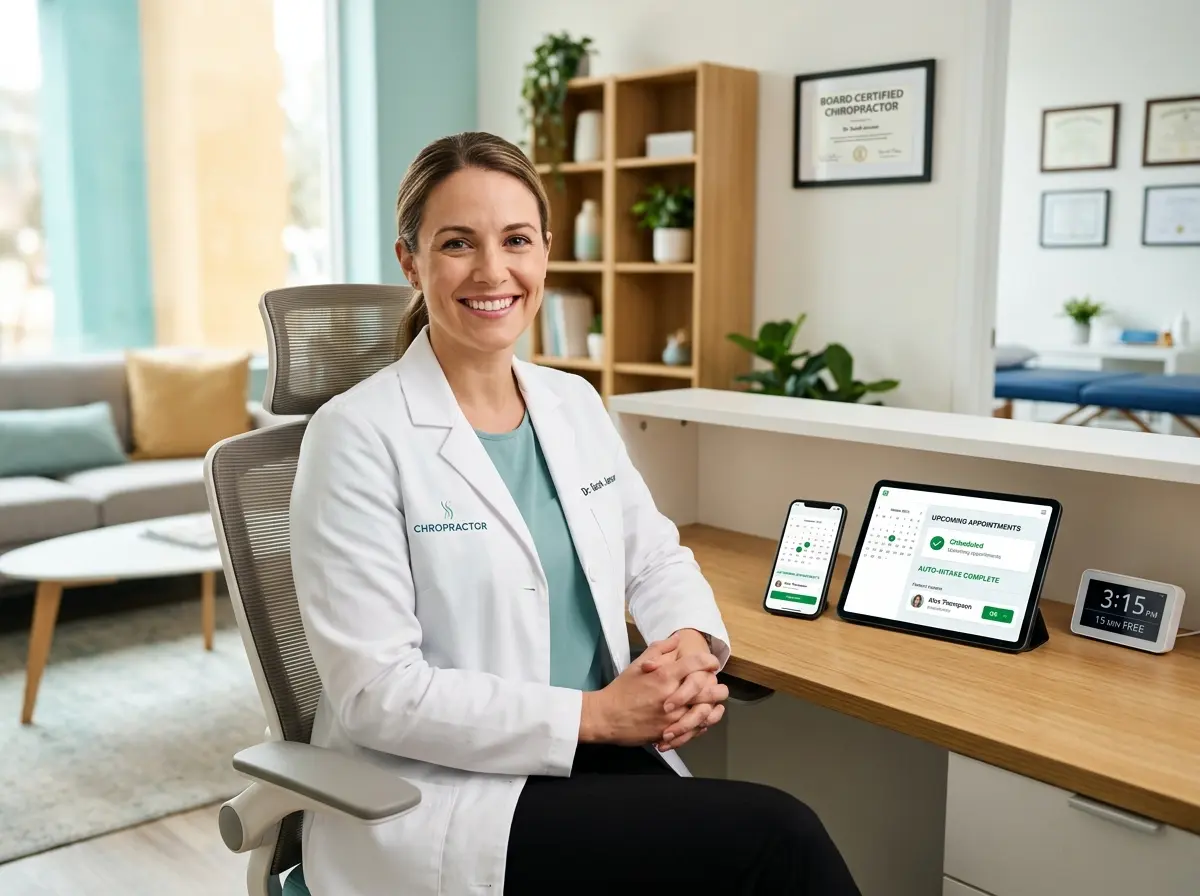
One of the biggest retention killers is the gap in communication between sessions. Life gets busy, clients start doubting their progress, and if they don't hear from you, they start wondering if the trainer down the street might be a better fit. A CRM solves this by letting you set up automated check-ins, milestone messages, and re-engagement campaigns that go out at exactly the right time.
For example: set a reminder to send a personal message when a client hits their 90-day mark. Tag clients who've mentioned stress or travel so you can check in proactively. Flag anyone who hasn't booked a session in two weeks for a quick outreach. None of this has to feel automated — a well-crafted message that references something specific to that client will always feel personal, even if the timing was triggered by a workflow. The goal is consistency, and a CRM makes consistency effortless.
Track Progress and Celebrate Wins Systematically
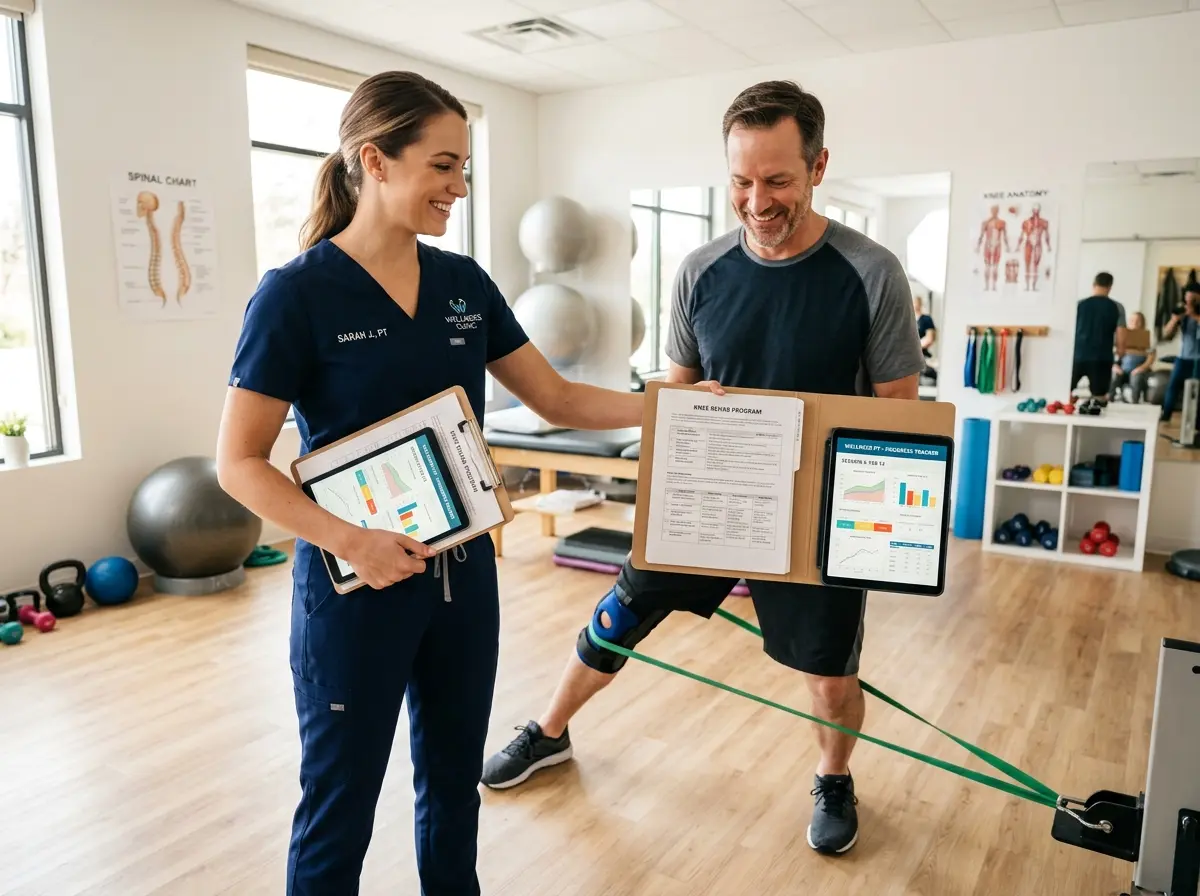
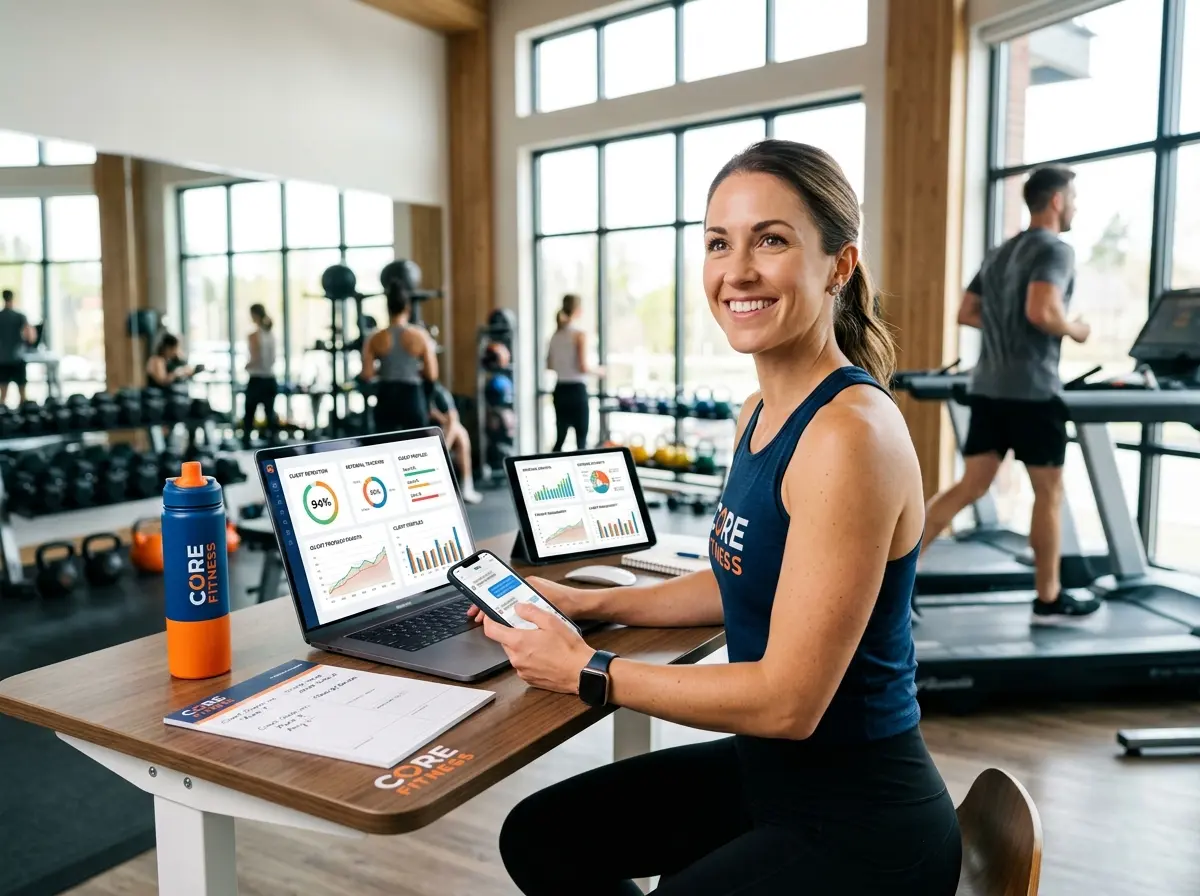
Clients who see and feel their progress are clients who renew. But progress isn't always obvious, especially in the middle of a plateau. Your CRM is the perfect place to log session notes, performance benchmarks, body composition changes, and subjective wellness data. When a client is feeling discouraged, you can pull up six months of data and show them exactly how far they've come — and that conversation can be the difference between a cancellation and a long-term commitment.
Build in regular progress review touchpoints — monthly check-ins, quarterly goal reassessments — and schedule them directly through your CRM. Make celebrating wins part of your system, not an afterthought. Send a quick congratulatory note when someone hits a goal. Tag them for a shoutout (with permission) on social media. Small gestures, logged and triggered systematically, create the kind of loyalty that no discount or promotion can buy.
Letting Technology Handle the Intake and Admin So You Can Actually Train People
Stop Playing Phone Tag With Prospective Clients
You're in the middle of a session. Your phone rings. A new prospect wants to ask about your rates, your availability, and whether you work with beginners. You can't answer. They leave a voicemail. You forget to call back until Tuesday. They've already booked someone else. Sound familiar?
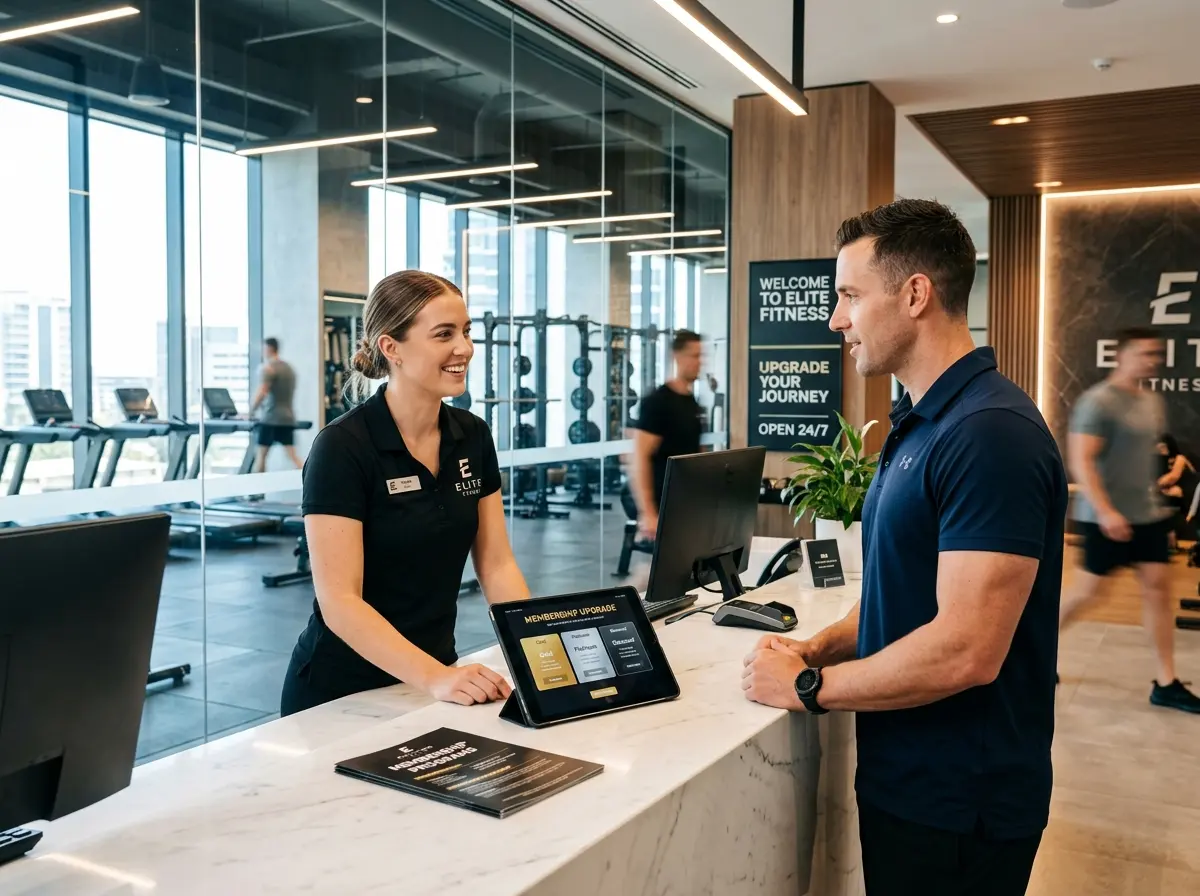
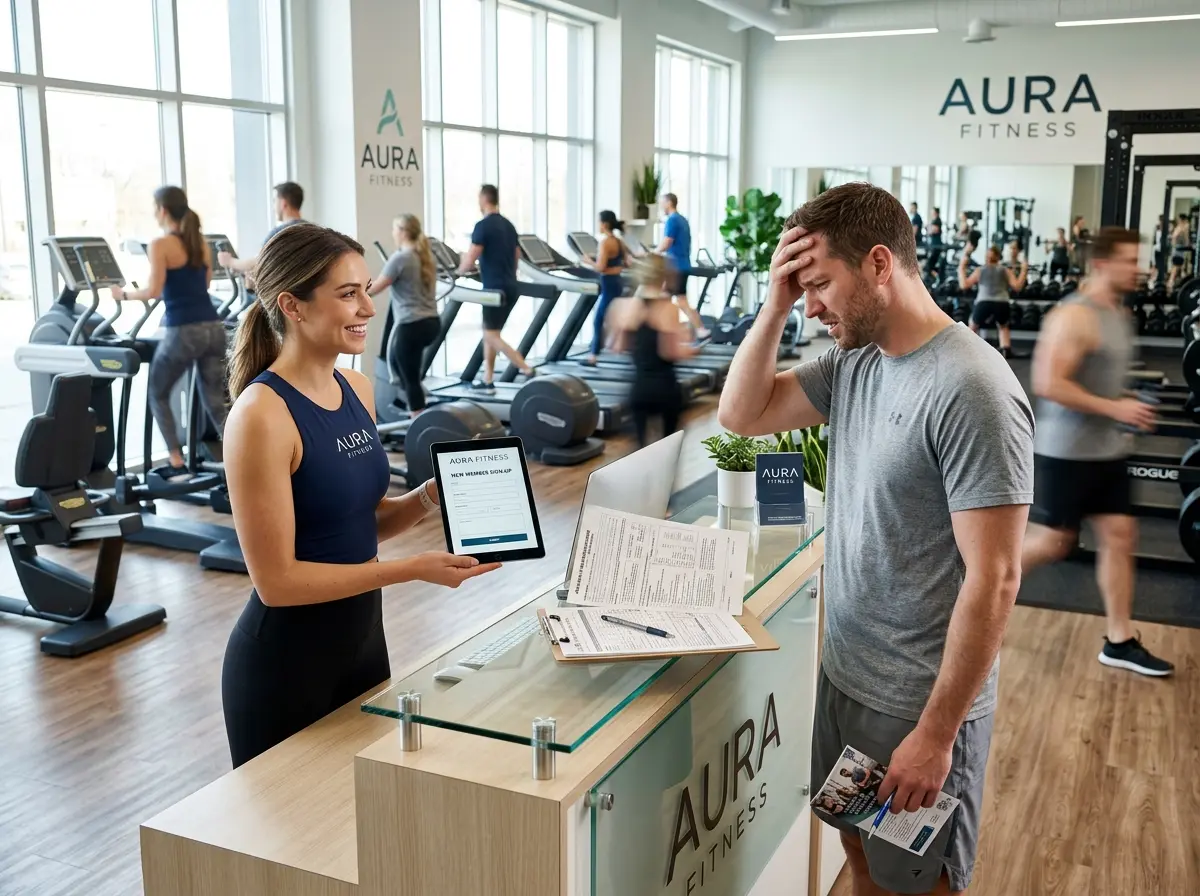
This is where Stella, the AI robot employee and phone receptionist, becomes genuinely useful for personal trainers. Stella answers your calls 24/7 with full knowledge of your services, pricing, packages, and availability — and she never misses a lead because she was spotting someone's bench press. For trainers with a studio or gym space, she can also greet walk-in prospects at a physical kiosk, answer their questions, and collect their contact information right on the spot. Her built-in CRM with custom fields, tags, and AI-generated client profiles means that every new inquiry gets captured and organized automatically — no sticky notes, no forgotten callbacks, no lost leads. And with conversational intake forms available by phone, on the web, or at the kiosk, onboarding new clients becomes a smooth, professional process that reflects well on your brand from the very first interaction.
Turning Happy Clients Into a Referral Engine
Ask for Referrals at the Right Moment
Most personal trainers know they should ask for referrals. Few do it consistently, and even fewer do it strategically. The secret is timing. Asking a client for a referral during a tough week when they're exhausted and questioning their life choices is not the move. Asking right after they hit a major goal — a new personal record, a dress size down, their first pull-up — is exactly the right moment. That's when enthusiasm is highest and the desire to share the experience is most natural.
Use your CRM to flag these milestone moments as referral opportunities. When a client hits a significant goal, your system should prompt you to have that conversation. Keep it simple and genuine: "I'm so proud of what you've accomplished — if you have friends who are looking to get started, I'd love to work with them too." No pressure, no awkward sales pitch. Just a timely, human ask that feels like a natural extension of a great relationship.
Build a Formal Referral Program and Actually Promote It
Word of mouth is powerful, but a structured referral program is word of mouth with a system behind it. Use your CRM to tag clients who have referred others, track how many referrals each client has sent, and reward them appropriately — a free session, a discount on their next month, branded gear, whatever fits your brand and budget.
Promote the program consistently. Mention it during onboarding, include it in your automated follow-up sequences, and bring it up during progress reviews. When clients know the program exists and understand the incentive, they actively think about who they can send your way. Track everything in your CRM so no referral goes unacknowledged — because nothing kills referral momentum faster than a client who sent you three people and never heard a word of thanks.
Leverage Testimonials and Social Proof as a Referral Multiplier
Referrals don't only happen in one-on-one conversations. A glowing Google review, a transformation photo on Instagram, or a short video testimonial can send you more business than any single client ever could. Use your CRM to identify your most engaged, results-driven clients and ask them for a testimonial at the right time — right after a milestone, right after they tell you unprompted how much they love working with you.
Tag these clients in your CRM, track which ones have left reviews, and make the process easy for them. Send a direct link to your Google Business profile or a simple form. Follow up once if they haven't responded. Clients who become advocates for your brand extend your referral network far beyond their immediate circle, and it costs you nothing but a timely, thoughtful ask.
Quick Reminder About Stella
Stella is an AI robot employee and phone receptionist that works 24/7 to greet clients, answer questions, handle intake, and manage your CRM — whether you have a physical training studio or run an entirely online operation. At just $99/month with no upfront hardware costs, she's the front-desk staff member who never calls in sick, never forgets a follow-up, and never lets a new lead slip through the cracks while you're busy doing the actual training.
Conclusion: Your CRM Is the Business Brain Your Fitness Business Needs
You didn't become a personal trainer to spend your evenings managing spreadsheets and chasing down unanswered texts. But the business side of personal training — retention, referrals, follow-up, client communication — is what determines whether you're just good at your craft or actually building something sustainable and scalable.
A CRM, used intentionally, bridges that gap. Here's where to start:
- Set up rich client profiles with custom fields for personal details, goals, health history, and communication preferences — and commit to keeping them updated.
- Build automated follow-up sequences for new clients, milestone moments, and re-engagement outreach so nothing falls through the cracks.
- Create a simple referral program, promote it consistently, and track every referral in your CRM so you can acknowledge and reward the clients who champion your business.
- Identify your best advocates and ask for testimonials at peak enthusiasm moments — then put that social proof to work.
- Plug the intake and communication gaps with tools like Stella so that no new prospect ever gets lost because you were too busy doing your actual job.
The fitness industry is competitive, and the trainers who win long-term aren't always the most certified or the most charismatic — they're the ones who build systems that make clients feel valued, connected, and genuinely excited to refer their friends. Start with your CRM, stay consistent, and watch what happens when relationship management becomes as intentional as your programming.