When Shopping Carts Become Racecars and Patience Becomes a Myth
Let's set the scene: a parent walks into your store with two kids in tow. Within 30 seconds, one is touching everything on the bottom shelf, the other is asking "can we go?" on repeat, and the parent — your actual customer — is trying desperately to focus long enough to make a purchasing decision. Sound familiar? If you own a retail shop, restaurant, boutique, or really any business where families show up, you've witnessed this beautiful chaos firsthand.
Here's the thing: families are a massive spending demographic. According to the U.S. Census Bureau, households with children spend significantly more on goods and services than those without. That means if your store feels unwelcoming to kids, you're essentially hanging a "we'd rather you shop somewhere else" sign on the door — politely, of course, but the message lands all the same.
The challenge is real, though. Make your store too kid-focused and your adult customers start feeling like they've wandered into a Chuck E. Cheese. Get the balance right, and you've built an environment where parents linger longer, spend more, and — most importantly — come back. This post is your practical guide to threading that needle without losing your mind or your brand identity.
Designing Your Space So Everyone Actually Wants to Stay
The physical environment of your store is doing more work than you realize. It's communicating who belongs here, how long people should stay, and whether returning is worth the effort. When it comes to serving both kids and adults simultaneously, thoughtful design is your best friend.
Create Dedicated Kid Zones Without Letting Them Take Over
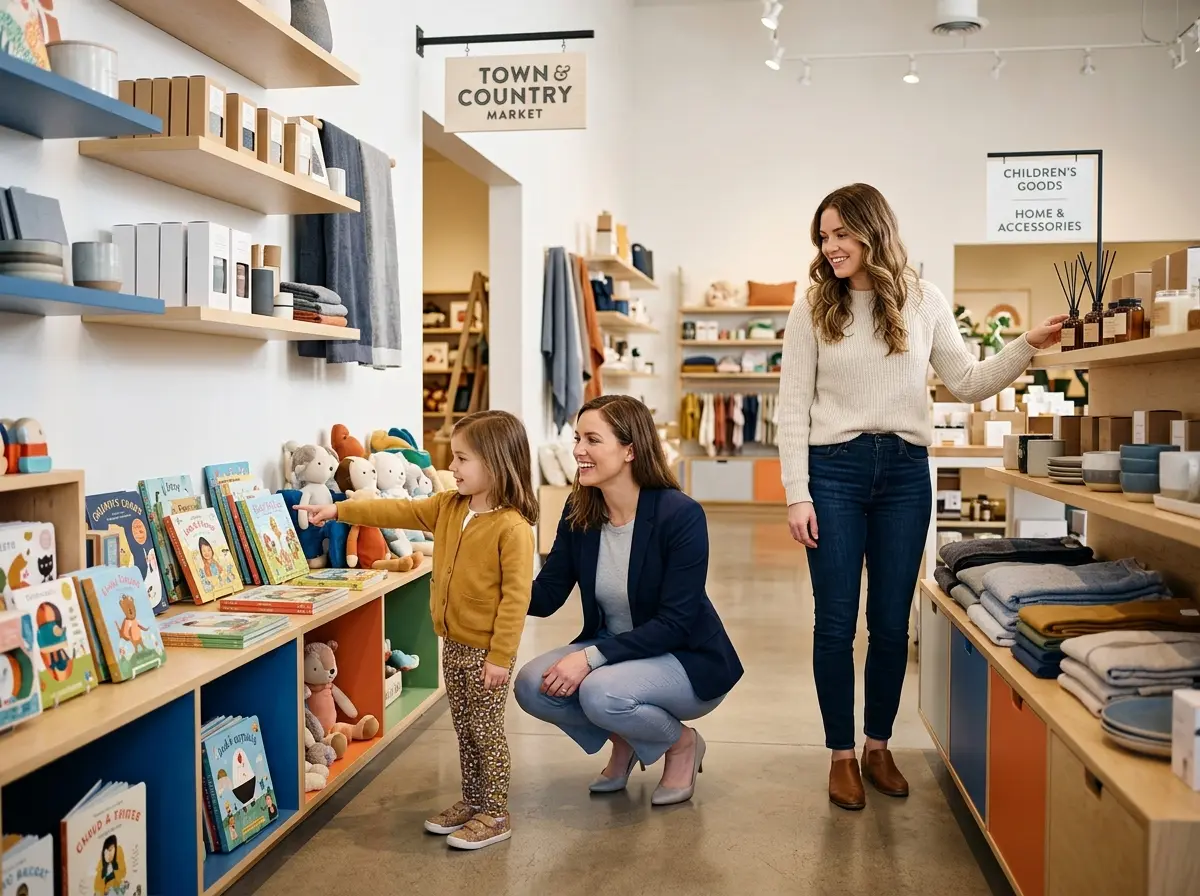
The magic word here is designated. Rather than scattering kid-friendly elements throughout your store (which tends to feel chaotic and can frustrate adult shoppers), consider creating one intentional corner or area that gives children something to do. This could be as simple as a small activity table with coloring pages, a low shelf with a few toys to interact with, or a tablet loaded with kid-appropriate games. The goal is containment — in the kindest possible sense.
Toy stores and children's boutiques obviously lean heavily into this, but the concept works across industries. A furniture showroom might set up a mini living room area sized for kids. A kitchen supply store could have a play kitchen in the corner. A clothing boutique might keep a basket of dress-up accessories near the fitting rooms. These touches cost very little but signal to parents that you've thought about their experience — and that buys you time while they actually browse.
Keep Adult Aesthetics Intact — Seriously, Don't Compromise the Brand
One of the biggest mistakes well-meaning business owners make is letting kid-friendly additions clash with their overall store aesthetic. Bright plastic toys next to a carefully curated minimalist display don't exactly say "cohesive brand vision." The good news is you don't have to choose between welcoming kids and maintaining your visual identity.
Opt for kid-friendly elements that complement your existing design. Wooden activity boards, neutral-colored seating, or a small chalkboard wall can be both functional for kids and visually aligned with adult sensibilities. Think of it less as "kid section" and more as "thoughtful design that happens to work for all ages." The best family-friendly spaces feel intentional, not accidental.
Practical Flow Matters More Than You Think
Consider how families actually move through your space. Wide aisles aren't just ADA-friendly — they're stroller-friendly, which matters enormously to parents with young children. Low product placement near the front of displays is an open invitation for small hands, so reserve lower shelving for durable, non-fragile items. Place higher-value or breakable merchandise at adult eye level and above.
It's also worth thinking about where parents naturally position themselves when supervising children. If your kid zone is in a corner with poor sightlines to the rest of the store, parents will hover there and shop nothing. Position it near your best-selling displays so that while kids are occupied, adults are standing right next to your most compelling merchandise. That's not manipulative — that's just good retail design.
Let Technology Do Some of the Heavy Lifting
Here's a not-so-secret truth: when families walk into a busy store, the last thing an overwhelmed parent wants is to search for a staff member to answer a basic question. They want information fast, they want it accurate, and they want it without having to drag their kids across the store to find someone who works there.
Meet Families Where They Are — Instantly
This is exactly where Stella, the AI robot employee and phone receptionist, genuinely earns her keep. As a human-sized AI kiosk stationed inside your store, Stella greets customers proactively the moment they walk in — no waiting, no hunting down a staff member. For a parent juggling a toddler and a to-do list, having an instantly accessible, friendly resource that can answer questions about products, promotions, and policies is legitimately helpful. She also highlights current deals and can upsell or cross-sell relevant items, which means your team can focus on the customers who need hands-on assistance rather than answering the same FAQ for the fifteenth time that day.
And when families don't make it into the store in person — because one kid is sick, it's raining, or the parking lot looked too intimidating — Stella answers phone calls 24/7 with the same depth of knowledge she brings in person. A parent calling ahead to ask about product availability, store hours, or whether you carry a specific item gets an immediate, informed answer rather than a voicemail black hole. That kind of reliability builds trust with busy families before they even walk through the door.
Building Loyalty With Family Shoppers Over the Long Haul
Getting a family to visit once is a win. Getting them to come back consistently? That's a business model. Family loyalty is particularly powerful because it compounds — kids grow up remembering where their parents shopped, and those parents recommend places that made their lives easier to every other parent they know. Word of mouth in the parent community is essentially free marketing with an astonishing reach.
Staff Training: The Human Element You Can't Skip
No amount of clever design or technology replaces a staff member who genuinely knows how to interact with families. Train your team to acknowledge children directly — a simple "hi, what's your name?" goes a long way with both the kid and the parent standing next to them. Equip staff with patience and a few go-to phrases for diffusing the inevitable "I'm bored" meltdown without making the parent feel embarrassed.
Equally important: train staff not to hover anxiously when children are near merchandise. Nothing makes a parent feel more unwelcome than an employee visibly watching their kid like a tiny shoplifting suspect. Trust the environment you've designed and let families feel comfortable. If something does get knocked over, handle it graciously. Parents remember how businesses respond in those moments far longer than they remember the incident itself.
Rewards Programs and Family-Specific Perks
Consider building loyalty incentives that specifically appeal to family shoppers. This could be a punch card that earns kids a small treat or reward, a family discount day, or simply a birthday club that sends a personalized offer to customers on their child's birthday. These gestures cost very little but create disproportionately strong emotional connections. A parent who feels like your business cares about their family — not just their wallet — is a customer who sticks around and brings their friends.
If you collect customer information through intake forms or a CRM, this becomes remarkably easy to manage systematically. Tagging contacts with family-relevant information, noting children's ages, or tracking purchase history tied to family needs lets you personalize communications in ways that feel genuinely thoughtful rather than generic.
Consistency Is Your Competitive Advantage
Families are creatures of habit, and they gravitate toward businesses that are reliably good rather than occasionally great. Consistent hours, consistent staff attitudes, consistent product availability, and consistent responsiveness to questions all matter deeply to parents who are already managing enough unpredictability at home. When your business becomes the predictable, trustworthy option in a chaotic week, you've won loyalty that's very hard for competitors to take away.
Quick Reminder About Stella
Stella is an AI robot employee and phone receptionist built for businesses of all sizes — available as a human-sized in-store kiosk and as a 24/7 AI phone answering service. She greets customers, answers questions, promotes deals, and handles calls starting at just $99/month with no upfront hardware costs. For family-focused retailers, she's the kind of always-on, always-friendly presence that makes busy parents feel genuinely supported the moment they interact with your business.
Start Small, Think Long-Term, and Stop Making Parents Choose Between You and Their Kids
Creating a kid-friendly shopping experience that adults actually enjoy isn't a massive overhaul — it's a series of intentional, relatively small decisions that collectively change how families feel about your business. Start with your physical space: carve out a small, thoughtfully designed kid zone that doesn't compromise your brand. Then look at your customer flow and ask whether a parent with a stroller could navigate your store without a stress response. Train your staff to be genuinely welcoming to the whole family unit, not just the cardholder.
From there, build the systems that drive loyalty: a rewards program with family appeal, personalized communications powered by good customer data, and consistent reliability that gives parents one less thing to worry about. And lean on tools — like smart in-store technology and responsive phone coverage — that make your business feel accessible and easy to interact with even on a hectic Tuesday afternoon.
The businesses that win with family shoppers aren't the ones with the biggest ball pits or the loudest décor. They're the ones that made a parent feel like walking through the door was a good decision — and that coming back would be even better. That's an entirely achievable bar, and you're already closer to it than you think.