You've Got Foot Traffic. Now What?
Congratulations — people are walking into your store. That's genuinely half the battle, and you've won it. Shoppers are physically present, within arm's reach of your products, and theoretically ready to spend money. So why does it sometimes feel like they wander in, glance around like they're visiting a museum, and then quietly disappear back into the wild?
The uncomfortable truth is that foot traffic without a conversion strategy is just... foot traffic. It's potential energy sitting in a jar with no lid. According to research from the Baymard Institute, even the most motivated shoppers abandon purchases when the path from "I'm interested" to "I'll take it" has too much friction — too many unanswered questions, too few interactions, or simply no one paying attention at the right moment.
The good news? You don't need a complete retail overhaul or a team of high-performing salespeople working every square foot of your floor. What you need is a smarter first five minutes — the critical window between when a customer walks in and when they either commit or check out mentally (while still physically standing in your store). This post breaks down exactly how to make those five minutes count.
The First Impression Problem in Modern Retail
Why Most Stores Lose Customers Before the Sale Even Starts
Walk into most retail shops and you'll experience one of two things: someone pounces on you the second you cross the threshold with a rehearsed "Can I help you find something?" (to which nearly every human on Earth responds "Just looking, thanks"), or nobody acknowledges you at all and you spend four minutes wondering if the store is actually open. Neither experience inspires purchasing confidence.
The sweet spot — a warm, natural, informative welcome that doesn't feel like a sales ambush — is surprisingly rare. Studies consistently show that customers who are greeted and engaged meaningfully within the first few minutes of entering a store are significantly more likely to make a purchase. One study from the Retail Customer Experience found that over 70% of customers say that knowledgeable staff positively impact their buying decisions. The operative word there is "knowledgeable." Not pushy. Not scripted. Knowledgeable and present.
The "Decompression Zone" You're Probably Ignoring
Retail consultant Paco Underhill, author of Why We Buy, coined the term "decompression zone" to describe the first several feet inside a store's entrance where customers are mentally transitioning from the outside world to your space. Displays placed here are notoriously overlooked, and sales pitches delivered in this zone fall on deaf ears. Customers need about 30–60 seconds to orient themselves before they're actually receptive to engagement.
This is why timing matters. A great conversion strategy doesn't try to sell before the customer is ready — it positions the right information and the right interaction at the right moment. Think of your floor plan as a conversation, not a billboard.
The 5-Minute Retail Conversion Framework
Minute One: Acknowledge Without Attacking
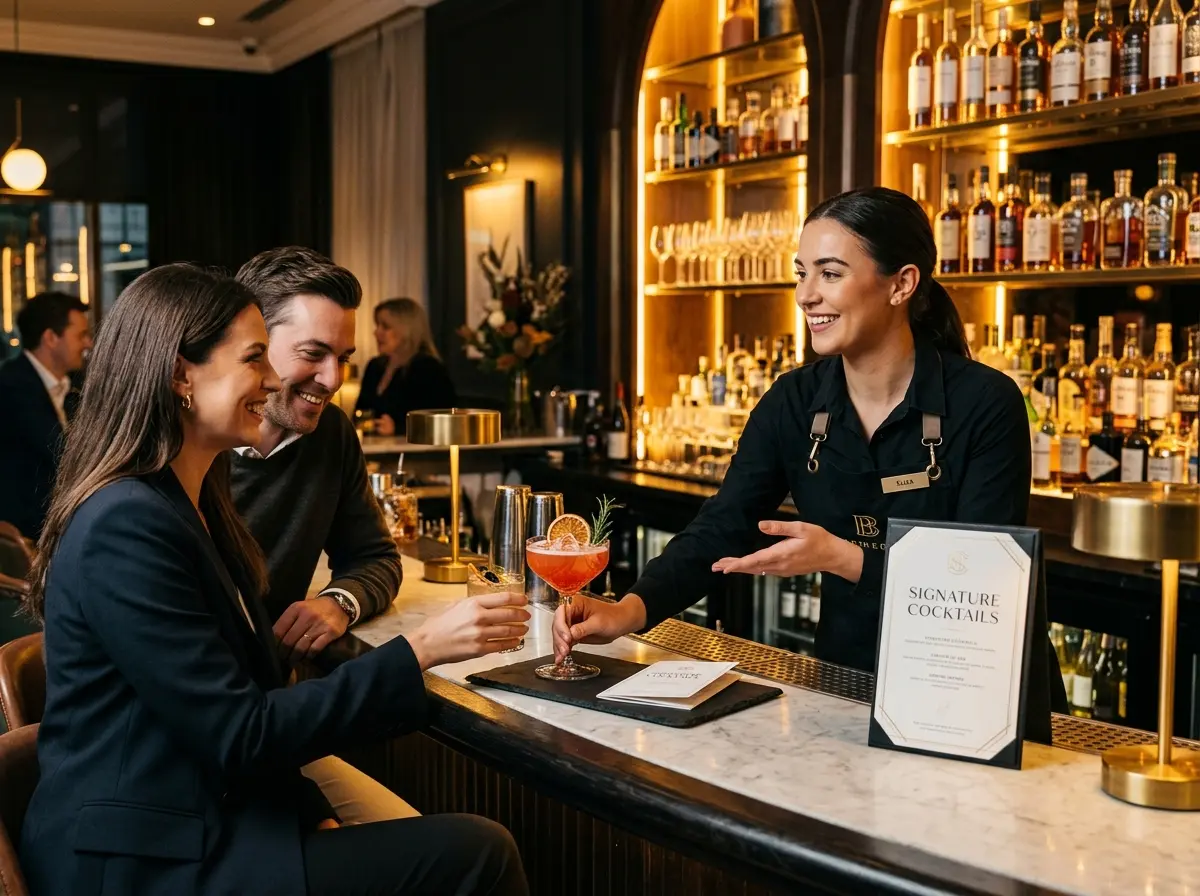
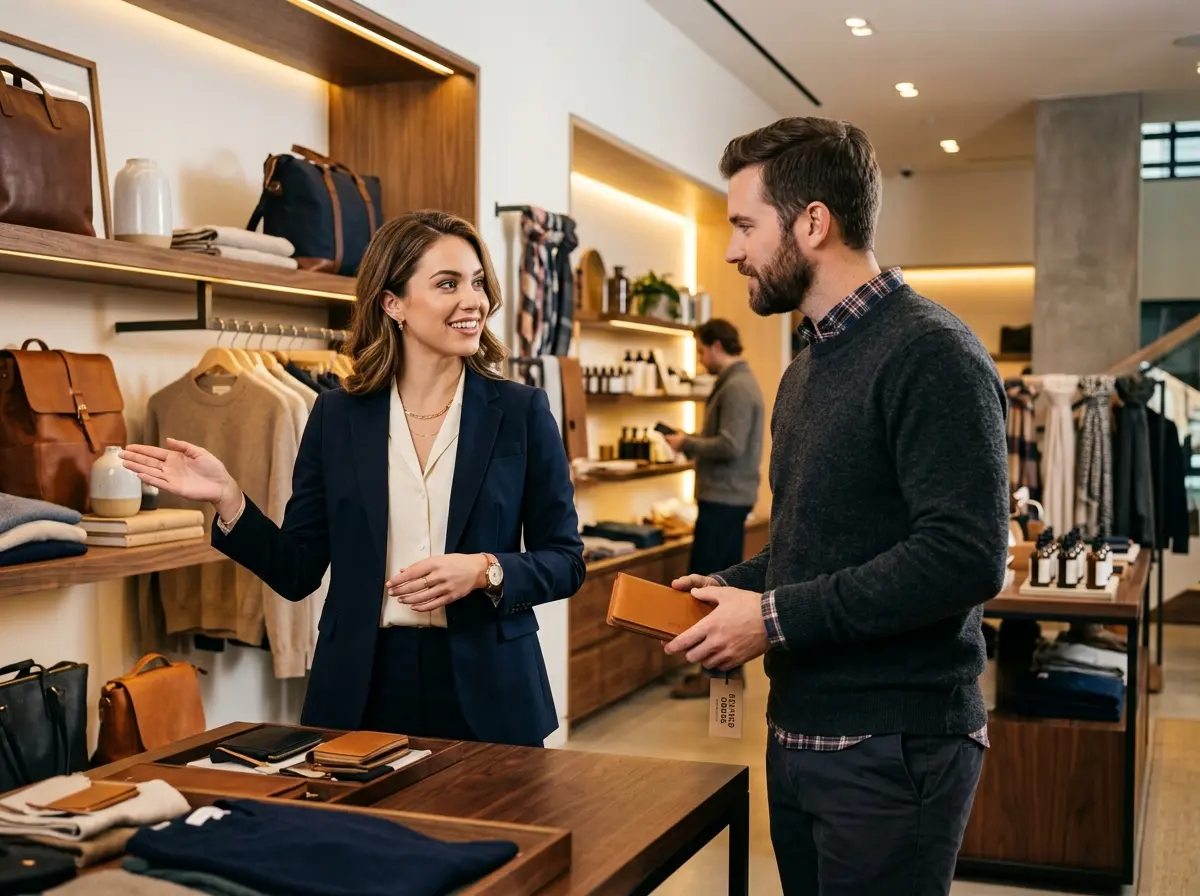
The goal of the first minute is presence, not pressure. A customer should feel noticed — not hunted. A simple, natural acknowledgment ("Welcome in! Let us know if you have any questions — we've got some great deals on today") plants a seed without triggering the fight-or-flight response that hard openers tend to provoke. If your staff is occupied (because they are humans who must sometimes, inconveniently, do multiple things at once), having a proactive greeter — whether a team member or a technology solution — ensures no one slips through unacknowledged.
Minutes Two Through Four: Inform and Intrigue
Once a customer has settled in, the conversion window opens. This is your opportunity to do three things: highlight what's new or on promotion, answer the questions they haven't asked yet, and gently surface needs they may not have consciously identified. This is where product knowledge becomes your greatest sales tool. A customer browsing skincare who learns that two products they're holding are frequently bought together — and that there's currently a bundle discount — is a customer who just got a reason to buy both.
Train your team to lead with value during this phase, not with closing language. Share information. Make recommendations. Tell a quick story about a product. Customers who receive relevant, helpful information in a low-pressure environment are far more likely to convert, and far more likely to return.
Minute Five: The Soft Ask
By the five-minute mark, an engaged customer has enough information to make a decision — they just sometimes need a gentle nudge. This isn't the moment for a hard close; it's the moment for a soft invitation. Something like: "Did you want to grab one of those while we still have them in stock?" or "I can ring that up for you whenever you're ready." It acknowledges their interest without creating pressure, and it makes the next step feel natural rather than forced.
How Technology Can Fill the Gaps Your Team Can't
Here's the honest part: even the best retail staff can't be everywhere at once. Peak hours, multiple customers, phone calls interrupting floor interactions — the math simply doesn't work in favor of consistent, high-quality engagement for every single person who walks through your door. That's where smart tools make a real difference.
An Always-On Presence That Never Takes a Break
Stella, the AI robot employee and phone receptionist, is designed specifically for this challenge. As a friendly, human-sized AI kiosk that stands inside your store, Stella proactively greets customers, answers their questions about products, services, hours, and policies, highlights current promotions, and even upsells or cross-sells — all without pulling your human staff away from what they're doing. She's essentially a knowledgeable, tireless team member who's always having the right conversation at the right time.
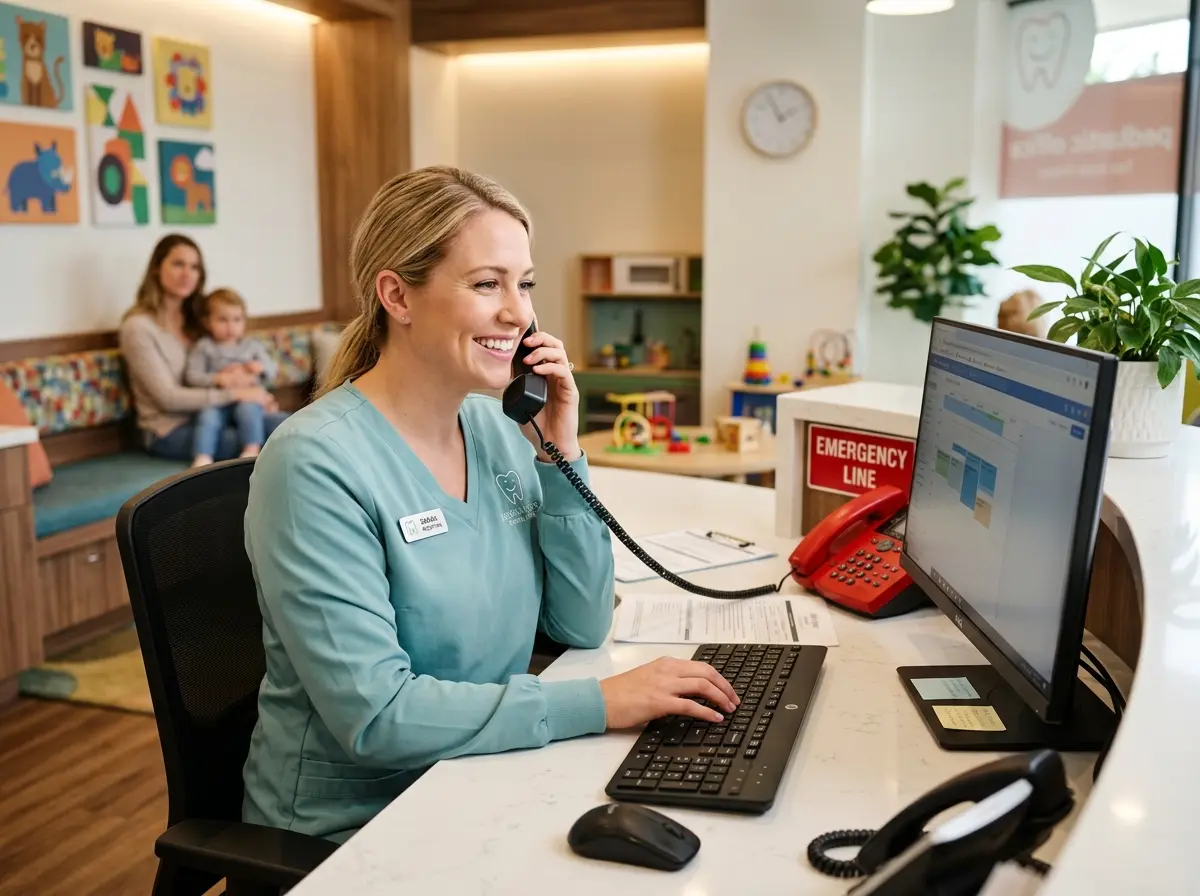
Beyond the sales floor, Stella also answers your phone calls 24/7, ensuring that the customers who call before coming in — or who call instead of coming in — get the same quality experience. She can forward calls to staff when needed, take voicemails with AI-generated summaries, and collect customer information through conversational intake forms. Her built-in CRM lets you track customer interactions, add tags and notes, and build profiles over time — so every touchpoint becomes an opportunity to know your customer a little better.
Turning First-Time Buyers Into Repeat Customers
Capture the Relationship, Not Just the Transaction
A converted customer is wonderful. A returning customer is a business model. The mistake many retailers make is treating the sale as the finish line when it's actually the starting gun. The moment a customer completes a purchase is the moment they are most open to hearing about loyalty programs, upcoming promotions, or reasons to come back. Don't let that window close without at least opening the door to an ongoing relationship.
Collecting a name and email at checkout — framed as a benefit to the customer rather than a data grab — is one of the highest-ROI actions you can take in retail. Even a simple "Would you like to be notified when we get new arrivals or run sales?" converts surprisingly well when it's delivered naturally. Tools that help you capture and manage this information seamlessly make the habit significantly easier to maintain consistently.
Follow-Up Is Not Optional — It's Revenue
Research from Invesp shows that acquiring a new customer costs five times more than retaining an existing one, and increasing customer retention by just 5% can increase profits by 25–95%. Those numbers make a compelling case for treating your follow-up strategy with the same seriousness as your marketing spend.
A simple post-purchase email, a text reminder about a promotion relevant to what they bought, or even a personalized follow-up for high-ticket items can meaningfully move the needle on return visits. The key is making it feel personal — not like a mass email blast that screams "we have your contact info and we intend to use it aggressively." Segment your outreach. Reference what they actually bought. Treat them like a person who came into your store, because they were.
Create Reasons to Return Before They Leave
One of the most underused conversion tactics in retail is the "future hook" — giving a customer a specific reason to come back before they've even left. This could be a loyalty punch card, a preview of next week's new arrivals, a scheduled in-store event, or a simple "We're getting a new shipment of [product they were interested in] next Thursday." It's not complicated, but it transforms a one-time visit into a planned return before you've even said goodbye.
Quick Reminder About Stella
Stella is an AI robot employee and phone receptionist built for businesses of all sizes — from busy retail shops to service providers, restaurants, gyms, and beyond. She greets customers in-store, promotes your deals, answers questions, and handles your phone calls around the clock, all for $99/month with no upfront hardware costs. Whether you need a consistent in-store presence or 24/7 phone coverage (or both), she shows up ready to work every single day — no sick days, no bad moods, no "I'll be right with you" that turns into ten minutes.
Your Next Five Minutes Start Now
Retail conversion isn't about high-pressure tactics or perfectly scripted sales pitches. It's about creating a buying environment where customers feel welcomed, informed, and gently guided — from the moment they walk in to the moment they decide to come back. The five-minute window is real, it's consistent, and it's yours to own.
Here's where to start: audit your current greeting experience this week. Walk into your own store as if you were a customer and notice what happens in the first five minutes. Is someone there? Are they engaged or distracted? Is there anything actively communicating your promotions or making a case for why someone should buy today? If the answer to any of those is "not really," you've just found your lowest-hanging fruit.
From there, build out your follow-up system, train your team on the soft ask, and look at where technology can fill the gaps your team inevitably leaves — especially during peak hours or after hours when calls go unanswered and customers go unconverted. The strategy is simple. The execution just requires actually doing it. And that part, fortunately, is entirely up to you.