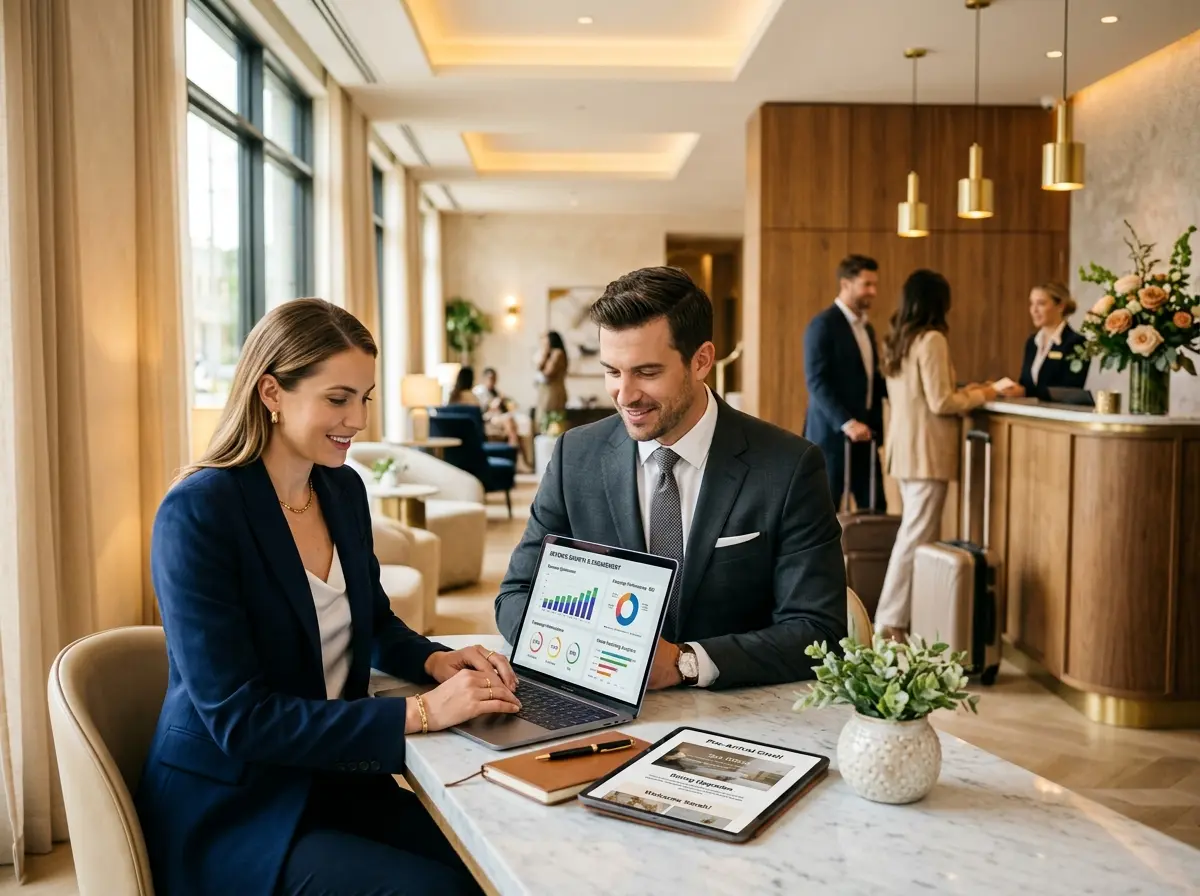
The Quiet Revenue Gold Mine Most Hotels Are Sleeping On
But here's the thing — the window between a booking confirmation and a guest's arrival is prime real estate for ancillary revenue. Guests are excited. They're mentally already at your property. They're highly receptive to relevant offers. A well-crafted pre-arrival email campaign doesn't feel like a sales pitch to a guest in this mindset; it feels like helpful concierge service. And for boutique hotels especially, that distinction is everything.
The Pre-Arrival Email Framework That Actually Works
Timing Is Everything (No, Seriously)
The first email went out immediately upon booking — a warm, brand-forward confirmation that introduced the property's personality and planted seeds about available add-ons without being pushy. The second email landed seven days before arrival, focused on experiences: spa packages, dining reservations, local tours, and room upgrades. The third and most impactful email arrived 48 hours before check-in — a practical "get ready for your stay" message that included a simple, low-friction form to pre-order welcome amenities, select pillow preferences, and add a late checkout. According to a 2023 hospitality industry report by Revinate, hotels using pre-arrival email sequences see an average ancillary revenue increase of $20–$30 per guest. For a hotel running at 80% occupancy, that math becomes very interesting very quickly.
What to Actually Offer (And How to Say It)
The fatal mistake most hotels make with upsell emails is leading with price. Nobody opens a pre-arrival email hoping to be sold something. They open it because they're excited about their trip. So the hotel reframed every offer as an enhancement, not an add-on fee.
- Room upgrades with a clear, experience-focused value proposition
- Spa and wellness bookings with a "limited availability" nudge
- Restaurant reservations framed as a convenience, not a sales push
- Curated local experience packages (bike rentals, guided hikes, wine tastings)
- Celebration add-ons: champagne, flowers, custom in-room setups for birthdays and anniversaries
Importantly, they kept each email focused on one or two offers maximum. Overwhelm is the enemy of conversion. Give guests a clear, easy choice and a single call to action.
The Intake Form That Did Heavy Lifting
The form had a 61% completion rate, which the team attributed to two things: it was genuinely short (under two minutes to complete), and the framing was about the guest's comfort, not the hotel's operations. Guests didn't feel like they were filling out a form. They felt like they were being taken care of.
Tools and Systems That Make This Scalable
You Don't Need a Big Team — You Need the Right Setup
For boutique hotels that also have on-property touchpoints — a front desk, a lobby, a check-in kiosk area — it's worth thinking about how your in-person experience reinforces the digital one. Stella, the AI robot employee and phone receptionist, is one tool that bridges this gap surprisingly well. She can greet guests as they arrive, answer questions about spa availability, dining hours, and property amenities, and even help collect preferences or promote current offers — all without pulling a staff member away from check-in. On the phone side, Stella handles inbound calls 24/7, so when a guest calls two days before arrival to ask about that room upgrade they saw in the email, someone (well, something) is always ready to assist and capture the opportunity. Her built-in CRM and conversational intake forms also mean that information gathered during calls flows directly into guest profiles, keeping everything in one place.
Measuring Success and Iterating Like a Pro
The Metrics That Actually Matter
The hotel tracked a focused set of KPIs to evaluate their pre-arrival campaign, and you should too. Vanity metrics like open rates are mildly interesting but ultimately insufficient. The numbers that matter are ancillary revenue per guest, offer conversion rate by email, intake form completion rate, and repeat booking rate (because a personalized stay drives loyalty). They reviewed these monthly, made one or two small changes at a time — subject line tweaks, different offer positioning, adjusted send timing — and iterated from there. No sweeping overhauls; just disciplined, data-informed refinement.
Common Mistakes to Avoid
Turning One Stay Into a Relationship
The most underrated outcome of a strong pre-arrival campaign isn't the immediate revenue bump — it's what it signals to the guest. When someone receives a thoughtful, personalized email sequence before they even set foot on your property, they arrive with higher expectations and a stronger emotional connection to your brand. That combination drives better reviews, higher tips for your team, and — critically — repeat visits. The hotel found that guests who interacted with their pre-arrival sequence (clicked an offer, completed the form, or booked an add-on) had a 22% higher rate of returning within 18 months compared to guests who didn't engage. The pre-arrival campaign wasn't just a revenue tool. It was the beginning of a relationship.
Quick Reminder About Stella
Stella is an AI robot employee and phone receptionist built for businesses of all types — including hospitality. She stands in your lobby or front desk area and engages guests naturally, answers inbound calls around the clock, promotes your current offers, and manages guest information through her built-in CRM. At just $99/month with no hardware costs, she's the kind of always-on, always-professional team member who never calls in sick the morning of a full house.