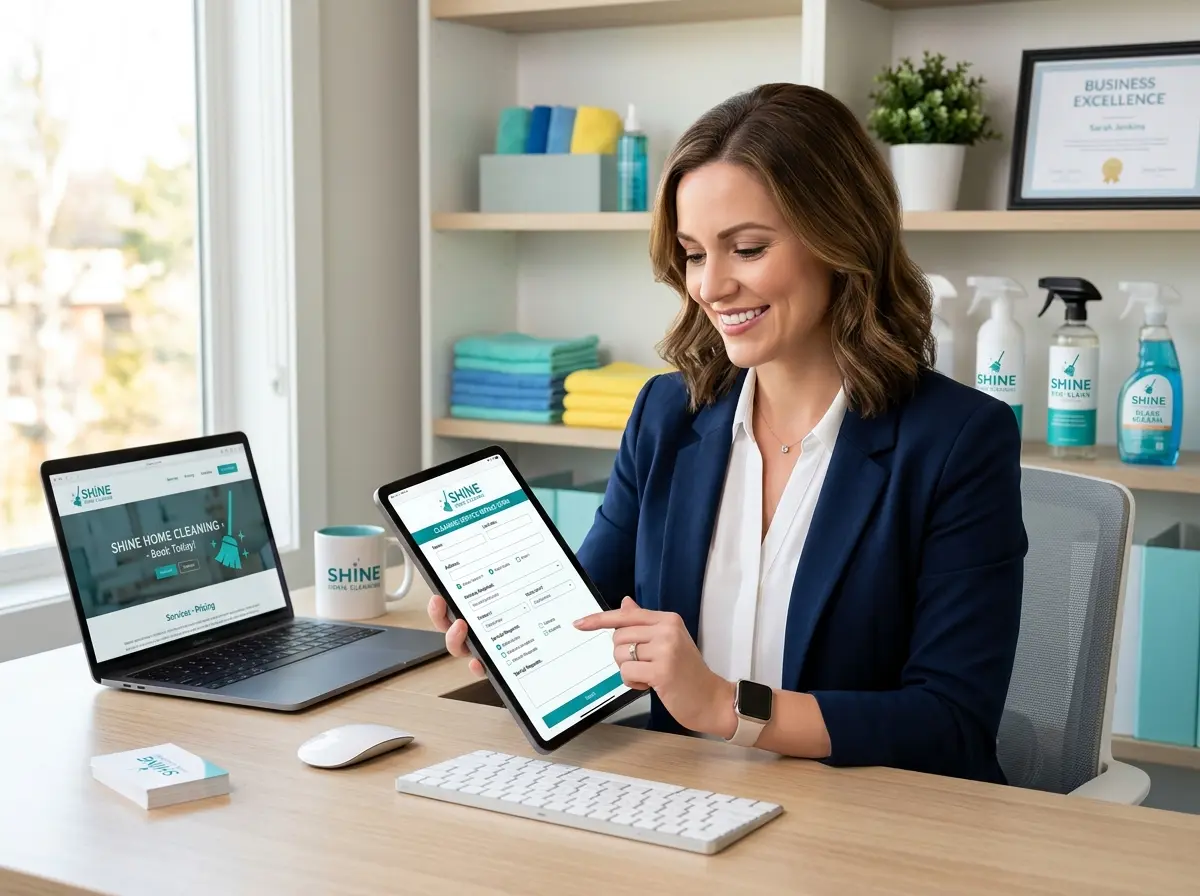
When a Simple Form Change Becomes Your Best Sales Move
Most landscaping companies live and die by their lead pipeline. You can have the best crew in the county, spotless equipment, and a portfolio that makes the neighbors jealous — but if the phone isn't ringing with the right people, none of that matters. One regional landscaping company learned this the hard way when they noticed something unsettling: their contact form was technically working, but their sales team was spending half their time chasing dead ends. Tire kickers. Wrong zip codes. People who wanted a $75 lawn mow quoted like a full estate transformation.
The fix wasn't a massive website overhaul. It wasn't a new ad campaign. It was a smarter contact form — one that asked better questions, set expectations upfront, and filtered prospects before a single human had to pick up the phone. The result? Qualified lead volume doubled. Not total leads. Qualified leads. That distinction is everything.
What Was Wrong With the Original Form
The "Just Ask Their Name and Email" Trap
Friction Isn't Always the Enemy
There's a common misconception in web design circles that forms should be as short as possible to maximize conversion rates. That's true if your goal is raw submission volume. But if your goal is qualified lead volume, a small amount of strategic friction is your friend. A prospect who's genuinely ready to hire a landscaping company for a $15,000 hardscape project will not abandon your form because it asks for their zip code and approximate budget. Conversely, someone who's "just curious" might. And congratulations — you've just saved your estimator three phone calls.
What the Redesigned Form Actually Asked
How Conversational Intake Can Take This Even Further
Forms Are Fine. Conversations Are Better.
Stella, the AI robot employee and phone receptionist, handles exactly this kind of intake dynamically. When a prospect calls your landscaping business after hours (which, let's be honest, is when half of them actually remember to call), Stella answers, engages them naturally, and walks them through a customizable intake process — capturing service type, location, scope, and timeline conversationally rather than through a form they may abandon halfway through. For businesses with a physical location, she also greets walk-in customers proactively, promoting services and gathering information right at the kiosk. All of that information flows directly into Stella's built-in CRM, complete with AI-generated contact profiles, custom tags, and fields your team can reference before the first real conversation even begins. It's the same qualification logic as the smarter contact form — just delivered in a way that feels human.
Implementing Your Own Lead Qualification Upgrade
Audit Your Current Form With Brutal Honesty
Structure Your Form to Mirror Your Sales Process
- Use dropdowns and radio buttons for categorical questions — they're faster to complete and easier to analyze later.
- Place the budget field after service type and scope, not before. People are more comfortable disclosing budget once they feel understood.
- Include a brief line of copy near the form that sets expectations — something like "We respond to all inquiries within one business day" — to reward the effort of filling it out.
- Make the zip code field required, and if possible, add real-time validation against your service area map.
Don't Forget the Follow-Up Experience
Quick Reminder About Stella
Stella is an AI robot employee and phone receptionist that works 24/7 — answering calls, greeting in-store visitors, collecting intake information conversationally, and managing it all through a built-in CRM. She's available for $99/month with no hardware costs upfront, and she never calls in sick or puts a prospect on hold while she grabs a coffee. For landscaping companies and other service businesses trying to qualify leads faster and more consistently, she's worth a serious look.
Your Next Steps Start With One Honest Question
The goal was never more leads. It was always the right leads. Your contact form is one of the cheapest and most underutilized tools you have for making that happen — and now you have no excuse not to use it properly.