Introduction: The Waiting Room Problem Nobody Wants to Talk About
Picture this: a parent is sitting in their car at 8:47 PM, finally getting a moment of peace after putting the kids to bed, and they suddenly remember — little Timmy's tooth has been bothering him for two weeks. They want to book a dental appointment. Right now. But your office is closed, your phones are off, and your website has a "Call Us!" button that leads nowhere useful at this hour.
So they close the tab. And maybe they forget. And maybe Timmy ends up at a competitor's office because that practice had online scheduling that worked at 8:47 PM on a Tuesday.
This is the quiet patient acquisition crisis happening in pediatric dental offices across the country. It's not dramatic. Nobody writes headlines about it. But it's costing you new patients every single week. The good news? One straightforward strategy — online scheduling — helped one pediatric dental practice increase new patient appointments by 25% without hiring more staff, expanding hours, or performing dental miracles. Here's how they did it, and how you can too.
The Problem With "Call During Business Hours"
Modern Parents Don't Operate on Your Schedule
Let's be honest: parents of young children are scheduling appointments during nap times, lunch breaks, and late-night scrolling sessions. According to data from Accenture, 77% of patients say the ability to book, change, or cancel appointments online is important to them — and that number climbs even higher among younger parents who have basically never written a check or called a bank in their lives.
When your only scheduling option is a phone call during a nine-to-five window, you're essentially telling busy families, "We'd love your business — but only if it's convenient for us." That's a tough sell in a competitive market where the dental office across town added online booking six months ago.
The Hidden Cost of Phone-Only Scheduling
Beyond the lost new patients, phone-only scheduling quietly drains your staff's productivity. Every call to book, reschedule, or confirm an appointment pulls your front desk team away from the patients who are already in the office. Studies suggest that the average dental office spends 30 to 40 minutes per day just on scheduling-related phone calls — and that's on a slow day. Multiply that across a year, and you've spent hundreds of hours on a task that software can handle in seconds.
The pediatric dental office in our case study recognized this bottleneck early. Their front desk staff was spending so much time managing inbound scheduling calls that new patient inquiries were sometimes going to voicemail — and roughly half of those voicemails were never followed up on in a timely way. Not because the team was negligent, but because they were genuinely overwhelmed. Sound familiar?
How Online Scheduling Changed the Game
Meeting Patients Where They Actually Are
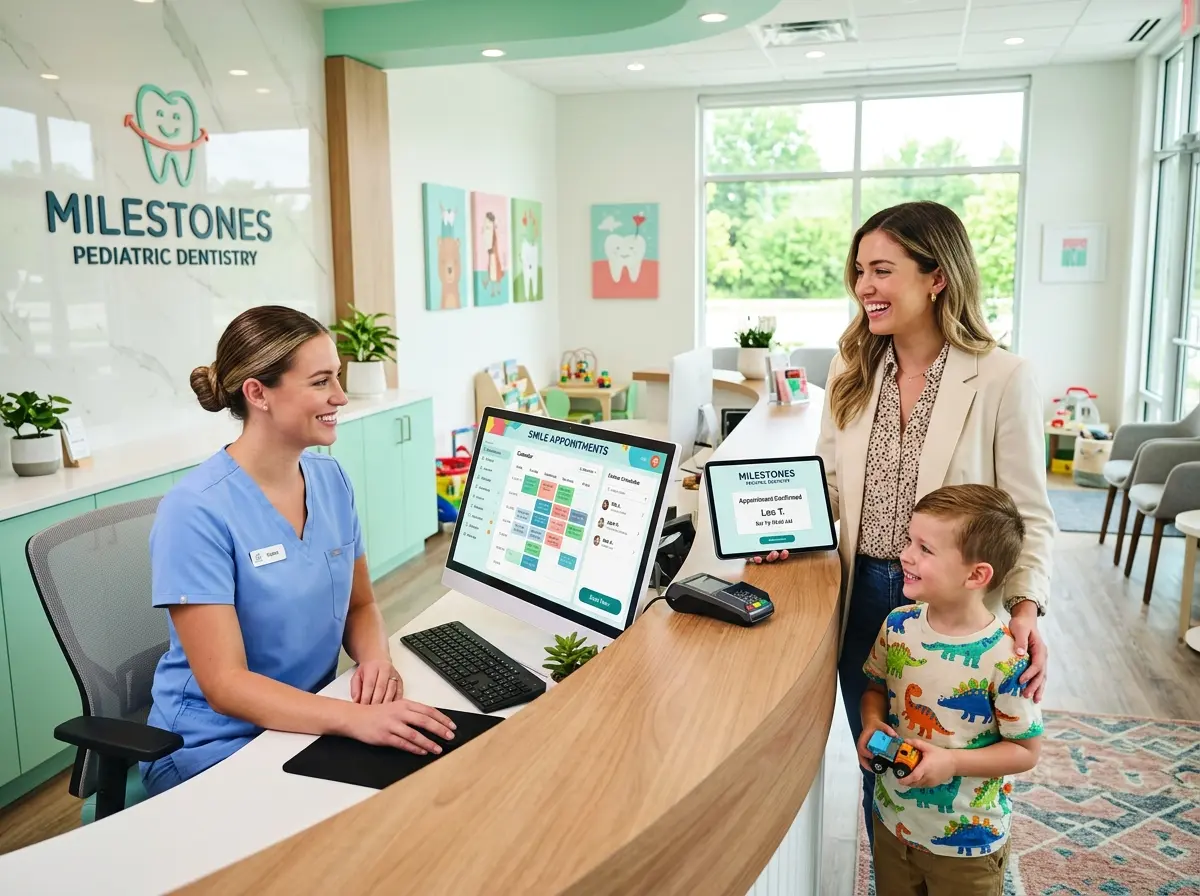
The practice implemented an online scheduling system embedded directly into their website and linked prominently from their Google Business Profile. Within the first 90 days, they saw a measurable shift in when appointments were being booked. Nearly 40% of new patient bookings happened outside of regular business hours — evenings and weekends dominated the data. These were appointments that, under the old system, would have either required a parent to remember to call back or simply never happened at all.
The lesson here is simple but easy to overlook: availability is a competitive advantage. When you make it frictionless to say yes to your practice, more people say yes.
Reducing No-Shows With Automated Reminders
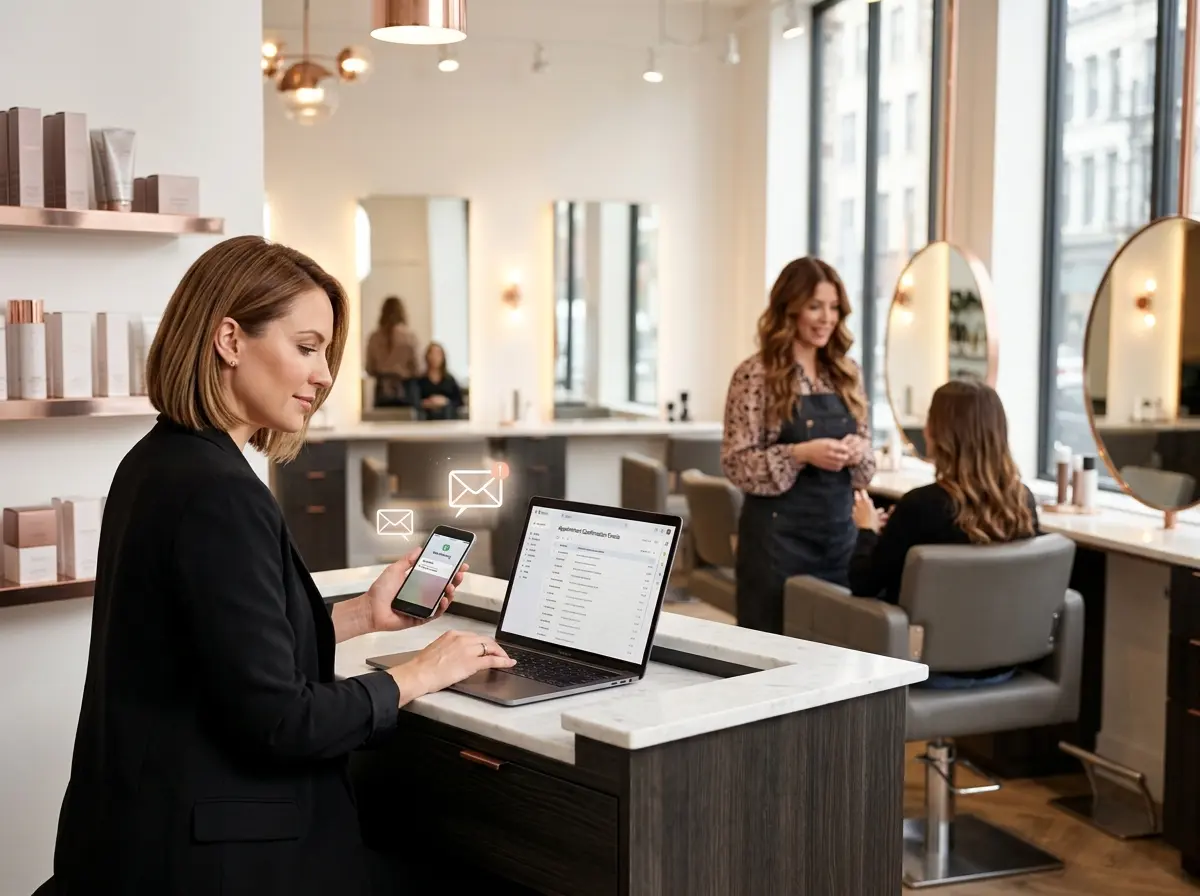
Online scheduling platforms don't just capture the booking — they also handle the follow-through. Automated confirmation emails, text reminders 48 hours before an appointment, and easy rescheduling links all contributed to a reduction in no-show rates by approximately 18% for this practice. That's a meaningful number when you consider the revenue impact of an empty chair in a pediatric dental office.
Parents appreciated being able to reschedule from a text message rather than playing phone tag with the front desk. The office appreciated having fewer last-minute gaps in the schedule. Everybody wins — except, presumably, the tooth fairy, who now has more competition from a well-organized dental team.
How Tools Like Stella Fit Into the Patient Experience Puzzle
Covering the Gaps That Scheduling Software Alone Can't Fill
Online scheduling solves the "book an appointment" problem beautifully. But what about the parent who has a question before they're ready to book? What about the caller at 9 PM who wants to know if you accept their insurance, or how long a first visit typically takes, or whether you offer nitrous oxide for anxious kids? These questions don't get answered by a booking widget — and unanswered questions become reasons not to commit.
This is where Stella comes in. Stella is an AI robot employee and phone receptionist that answers calls 24/7, handling exactly these kinds of pre-booking questions with the same business knowledge your front desk uses during the day. She can answer questions about services, insurance policies, office hours, and procedures — then guide the caller toward booking. For practices with a physical location, she also operates as an in-store kiosk, greeting families as they arrive and proactively engaging them. Stella's built-in CRM and conversational intake forms also make it easy to capture new patient information right during the phone call, so your team has everything they need before the first appointment even happens.
Optimizing Your Online Scheduling for Maximum New Patient Conversions
Make It Impossible to Miss
The biggest mistake practices make after implementing online scheduling is burying it. A tiny "Book Now" link in the footer of your website is not a scheduling strategy — it's a scheduling suggestion that most visitors will ignore. Your booking option should be front and center: in the hero section of your homepage, in your Google Business Profile, in your Instagram bio, and in every email signature your team sends. The fewer clicks between "I should book an appointment" and "appointment booked," the better your conversion rate will be.
The practice in our case study also added a scheduling link to their automated appointment reminder texts, making it easy for existing patients to rebook without ever picking up the phone. Simple, but remarkably effective.
Capture New Patient Information During the Booking Flow
One underused feature of most online scheduling platforms is the ability to collect intake information as part of the booking process. Rather than sending a separate new patient packet that parents forget to complete, build key questions directly into your scheduling flow. Ask about insurance, the child's dental history, any anxiety concerns, and the primary reason for the visit. Your team arrives at the appointment already informed, and the family feels like you've been paying attention before they even walk through the door.
This also creates a smoother experience on the day of the visit — which matters enormously in pediatric care, where a stressed-out parent filling out paperwork in a waiting room full of other children is nobody's idea of a good time.
Track, Measure, and Improve
You can't optimize what you don't measure. Most online scheduling platforms provide basic analytics — number of bookings, time of day, appointment types, and cancellation rates. Use this data. If you notice a spike in bookings on Sunday evenings, that tells you something important about your audience. If a particular appointment type is consistently booked online while another is almost always called in, that's a signal to investigate. Treat your scheduling system like a data source, not just a convenience tool, and you'll find ongoing opportunities to improve your patient acquisition funnel.
A Quick Reminder About Stella
Stella is an AI robot employee and phone receptionist built for businesses of all sizes — including medical and dental offices. She answers calls around the clock, greets patients at your front entrance as a life-sized kiosk, handles FAQs, collects intake information, and keeps your team focused on in-person care rather than repetitive phone tasks. At just $99 per month with no upfront hardware costs, she's one of the more practical investments a growing practice can make.
Conclusion: Your Next 25% Starts With Removing Friction
The pediatric dental practice in this story didn't reinvent themselves. They didn't launch a massive marketing campaign or hire a full-time patient coordinator. They simply made it easier for families to say yes — at any hour, on any device, without waiting on hold. The result was a 25% increase in new patient appointments within months of implementation.
If you're a pediatric dental office (or any practice) still relying solely on phone calls during business hours to capture new patients, here's your actionable next step: evaluate an online scheduling platform this week. Look for one that integrates with your practice management software, supports automated reminders, and allows intake questions during the booking flow. Then make that booking option prominent everywhere your practice exists online.
Pair that with a tool like Stella to handle after-hours calls and pre-booking questions, and you've built a patient acquisition system that works even when you're not. That's not just smart business — it's the kind of thing that makes Monday morning feel a little less chaotic. And in a pediatric dental office, you take every win you can get.