From Word of Mouth to Web Reviews: One Plumber's Surprisingly Simple Playbook
Let's be honest — most solo tradespeople don't have a marketing department. They have a truck, a toolbox, and maybe a Facebook page they set up in 2017 and haven't touched since. So when a solo plumber named Marcus figured out how to consistently generate new leads without spending a dime on ads, paying an agency, or learning what a "sales funnel" actually is, people paid attention.
His secret weapon? Google Reviews. Not a complicated one, either. Marcus built his entire lead generation strategy around the simple, often-overlooked act of asking happy customers to leave a review — and then making sure those reviews did the heavy lifting for him. The result? A fully booked schedule, inbound calls from new customers who had never heard of him before, and a business that essentially markets itself while he's under a sink somewhere fixing someone's mistake.
If you're a solo service provider, contractor, or small business owner wondering how to get more leads without selling a kidney to fund a Google Ads campaign, this one's for you.
The Google Reviews Strategy That Actually Works
Why Google Reviews Are a Lead Generation Machine
Google Reviews aren't just a vanity metric — they're a serious ranking and trust signal. According to BrightLocal's Local Consumer Review Survey, 98% of consumers read online reviews for local businesses, and businesses with higher review counts and ratings consistently outrank competitors in local search results. When someone in your city types "plumber near me" into Google at 9 PM on a Sunday, the businesses with strong review profiles show up first. And the ones with 80+ glowing reviews? They get the call.
Marcus understood this early. He didn't just want reviews — he wanted volume and recency. Google's algorithm favors businesses that receive reviews consistently over time, not just a burst of five-star ratings in a single week. So he built a repeatable process that generated a steady trickle of new reviews month after month, which compounded into a dominant local presence over time.
His Exactly-What-It-Sounds-Like Simple System
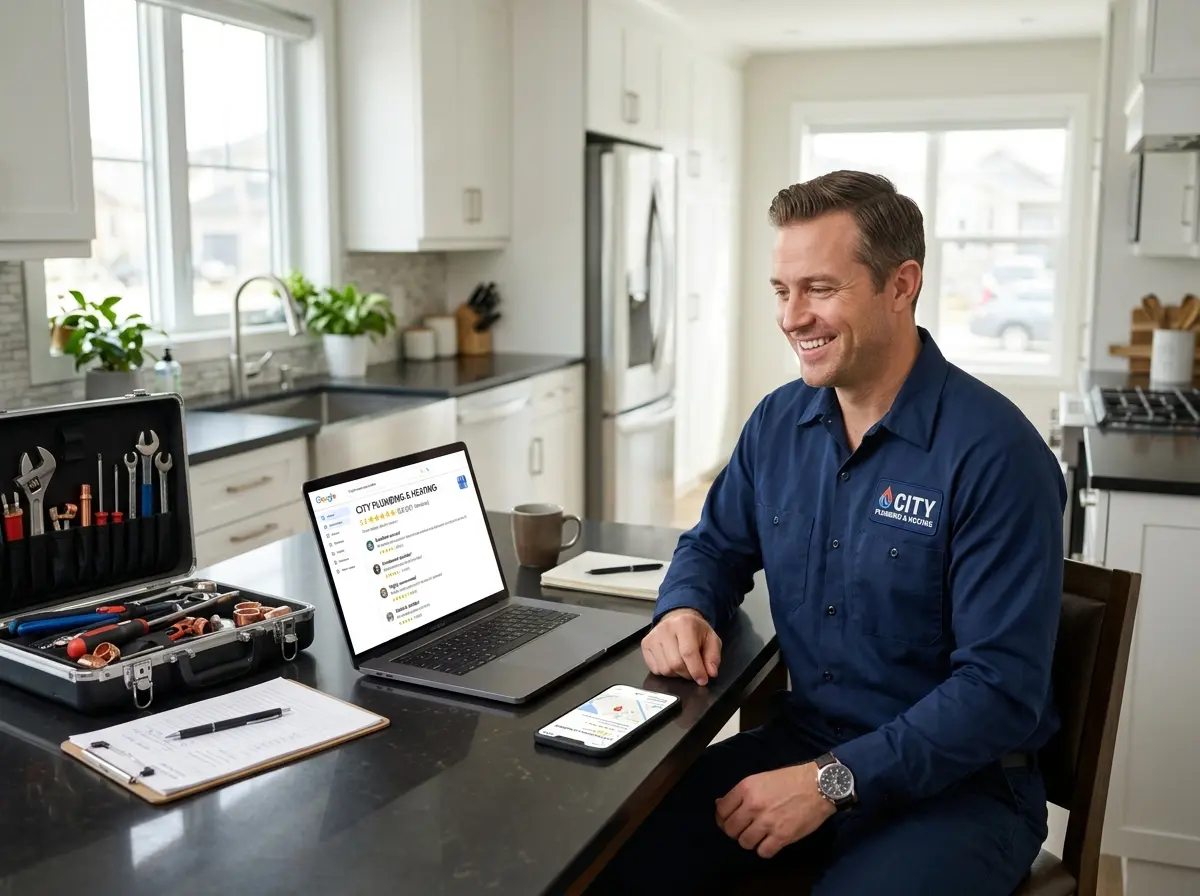
Marcus's system wasn't fancy. Right after completing a job — while the customer was still impressed that the leak was fixed and their kitchen wasn't flooded anymore — he would pull out his phone, open his Google Business profile link, and hand it to the customer. He'd say something like, "If you were happy with the work, a quick Google review goes a long way for a one-man operation like mine." That's it. No email drip sequences. No QR code posters. Just a genuine, human ask at exactly the right moment.
The timing was the key insight. Customers are most likely to leave a review when the positive experience is fresh and the emotion is real. Waiting two days to send a follow-up email means you've already lost the momentum. Ask in person, ask immediately, and make it as easy as possible by putting the link directly in front of them.
What to Do With Reviews Once You Have Them
Getting the reviews is only half the battle. Marcus made a point of responding to every single review — good or bad. Why? Because Google notices engagement, and so do prospective customers. A business owner who thoughtfully responds to a negative review with professionalism and a resolution offer actually builds more trust than one with a perfect five-star average but zero responses. It signals that a real human is running the show and actually cares.
He also started weaving his best reviews into his other marketing touchpoints — his website homepage, his voicemail greeting, even the way he described his business to new callers. Reviews became social proof currency that he spent everywhere.
Handling the Calls That Reviews Bring In
The Double-Edged Sword of Being Busy
Here's the irony of a successful lead generation strategy: it works. Which means your phone starts ringing more. For a solo operator like Marcus, that's simultaneously the goal and a logistical nightmare. He's not going to pause mid-pipe-repair to answer a call from someone asking whether he services their area and what his rates are for a water heater installation. But if he doesn't answer, that caller moves on to the next plumber on the list — the one with fewer reviews but a faster pickup.
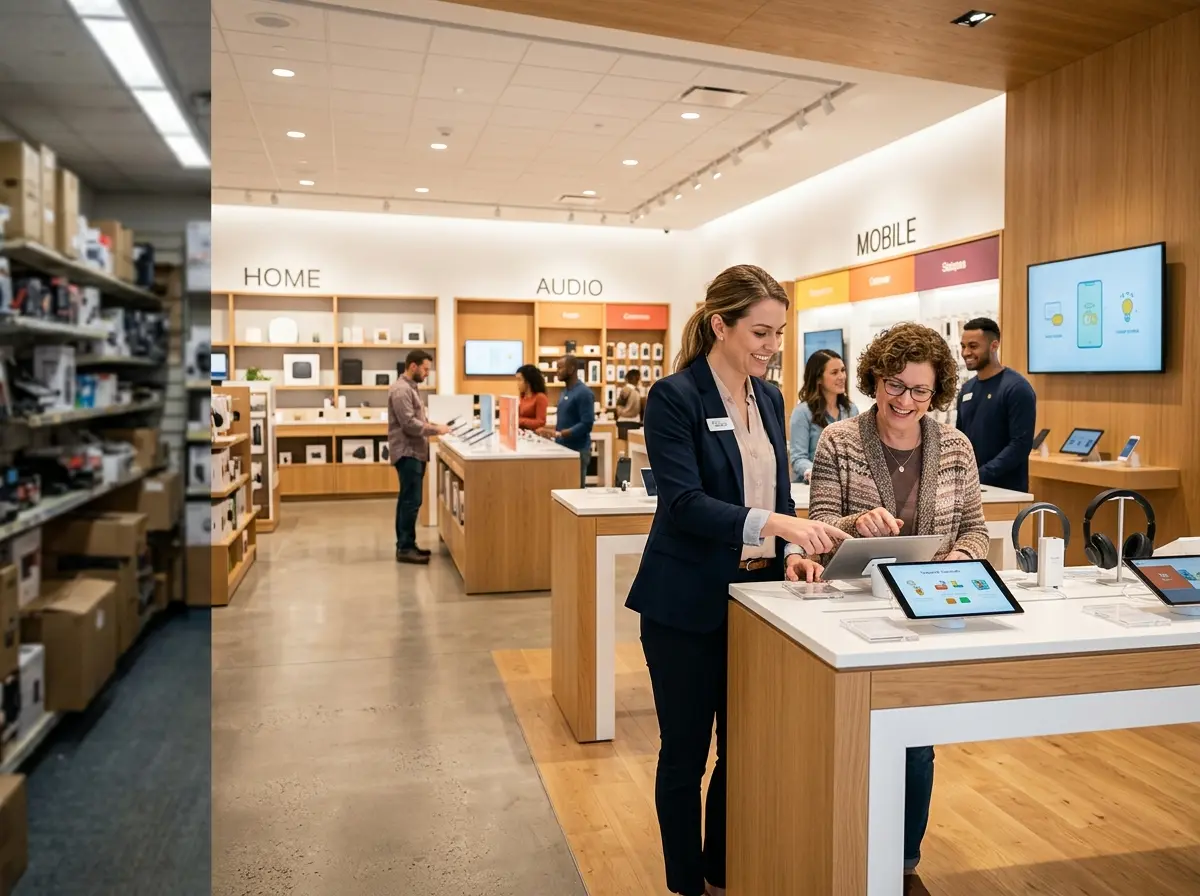
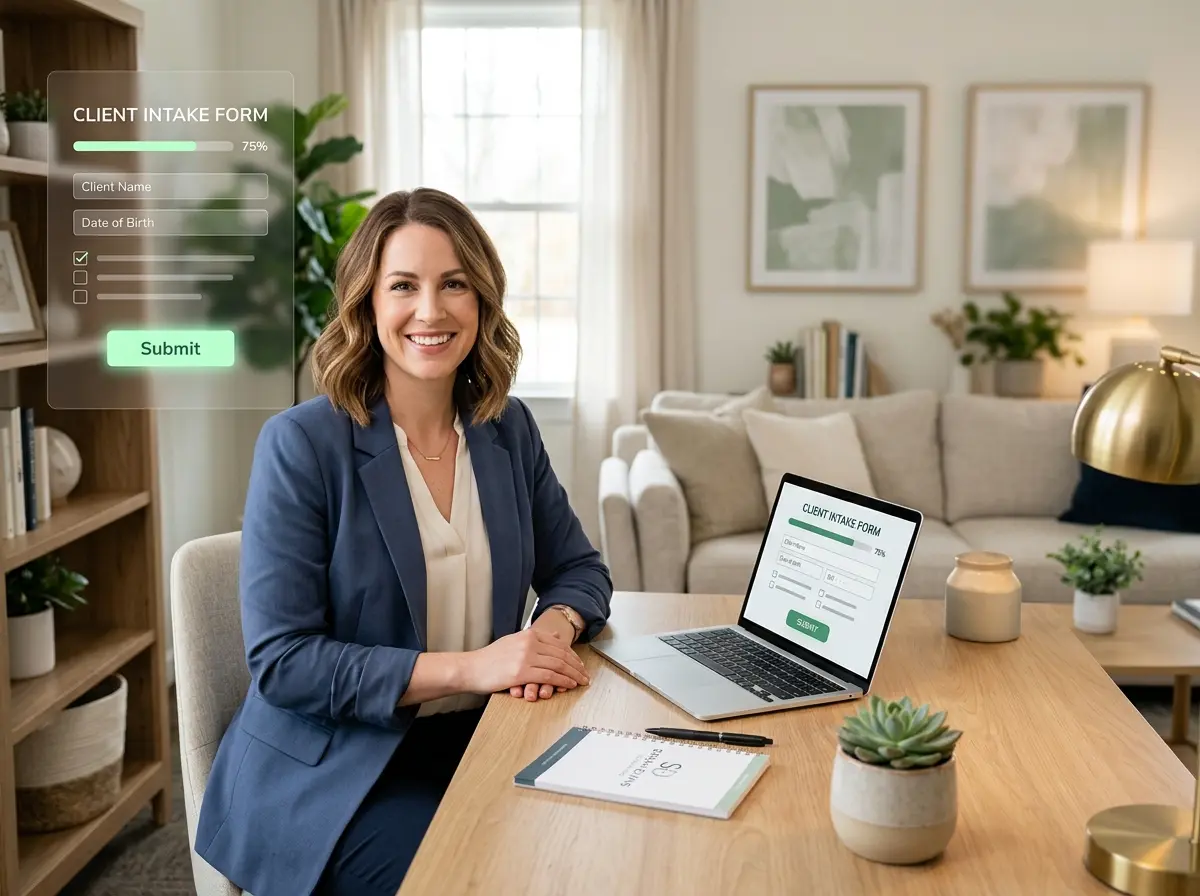
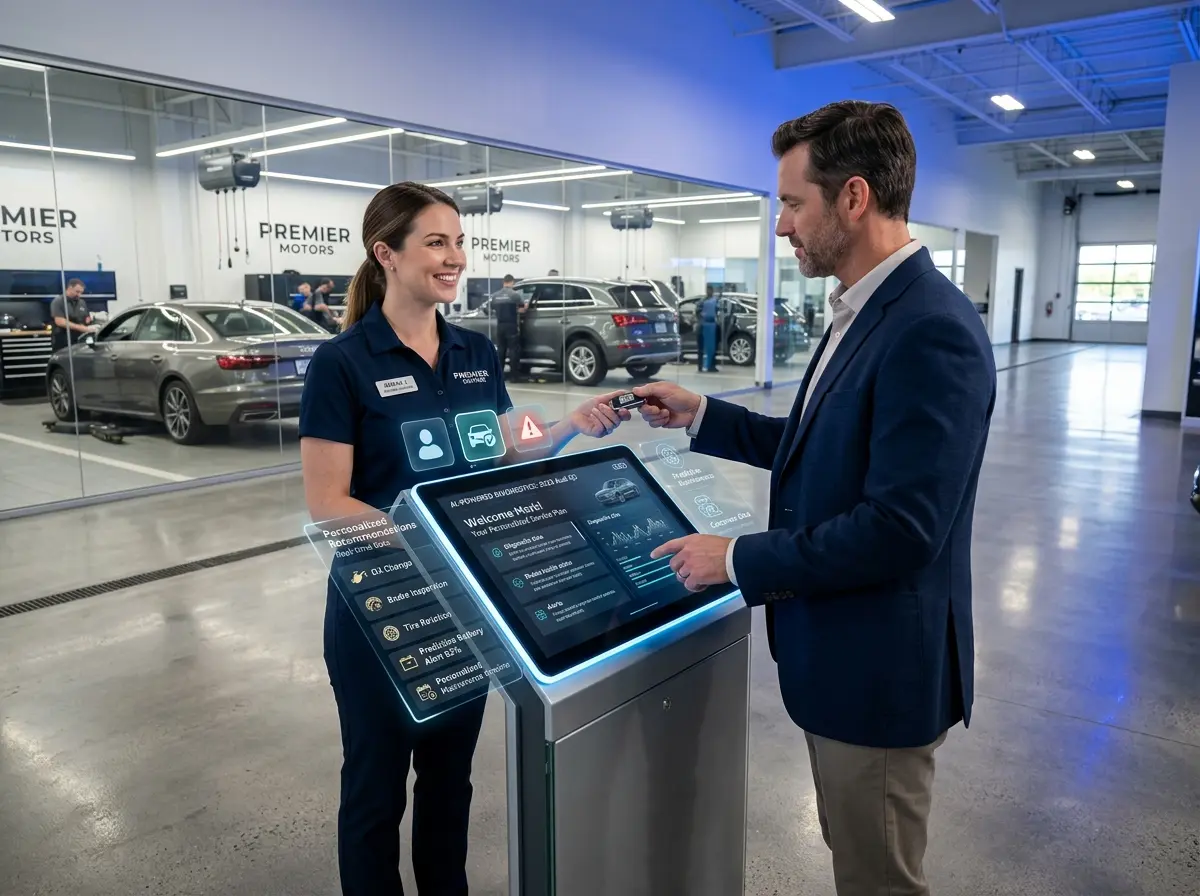
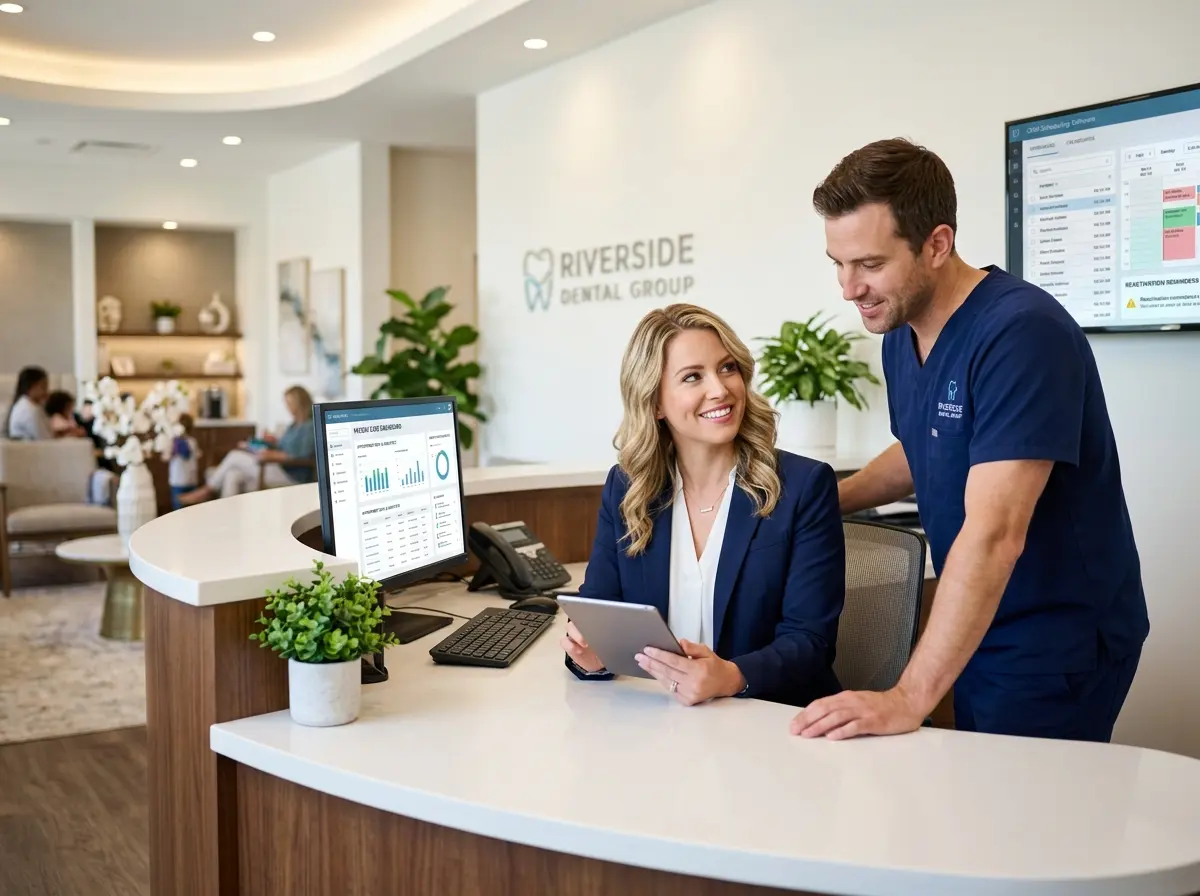
This is where Stella becomes genuinely useful. Stella is an AI robot employee and phone receptionist that answers calls 24/7 with the same knowledge and professionalism a human receptionist would — without the salary, the sick days, or the awkward small talk. She can answer questions about services, pricing, availability, and policies, and she can collect customer intake information conversationally during the call. For a solo plumber or any service-based business generating inbound leads, having Stella handle the first point of contact means no lead slips through the cracks because you were busy doing the actual work. And if you have a physical location, she also works as an in-store kiosk presence — greeting visitors, answering questions, and keeping things moving even when your hands are full.
Scaling the Strategy Beyond the First 50 Reviews
Turning Reviews Into a Full Content Engine
Once Marcus had a solid base of reviews, he started using them as inspiration for content. Each review essentially told him what customers valued most about his work — his punctuality, his honest pricing, his cleanliness, his explanations. Those themes became the foundation of his website copy, his Google Business profile description, and even a simple FAQ page he built out over time. He wasn't guessing at what his target customers cared about; his reviews told him directly.
If you're sitting on 30, 50, or 100 reviews and haven't mined them for content insights, you're leaving value on the table. Read through them as a group. What words come up repeatedly? What specific problems did you solve that customers mentioned? Those are your marketing messages, handed to you for free by your happiest customers.
Building a Review Request Into Every Touchpoint
As Marcus's business grew, he formalized his review request process so it didn't depend on him remembering to do it every time. He added a line to his follow-up text message after each job, included his Google review link in his email signature, and put a small card in every invoice envelope (yes, some of his customers were old-school). The goal was to create multiple natural moments where a happy customer could easily leave a review without it feeling like a pushy sales tactic.
The most important rule he followed: never incentivize reviews. Offering discounts or freebies in exchange for reviews violates Google's policies and can result in your profile being penalized or removed. The ask has to be genuine. Fortunately, genuinely good work makes the ask easy.
Managing Your Reputation When Things Go Wrong
Eventually, Marcus got a bad review. A customer was unhappy about scheduling — not even the quality of the work, just a communication mix-up about timing. His response was professional, empathetic, and offered to make it right. Several people who later found him on Google told him that his response to that one negative review was actually part of why they chose him. It showed character.
The lesson here isn't to avoid bad reviews — it's to treat them as public-facing customer service moments. How you handle criticism is as much a part of your brand as how you handle a leaky pipe. Don't get defensive. Don't ignore it. Respond like a professional, keep it brief, and move on. One bad review surrounded by 80 great ones is a rounding error. One bad review with a defensive, argument-starting owner response is a red flag.
Quick Reminder About Stella
Stella is an AI robot employee and phone receptionist built for businesses of all sizes — from solo tradespeople to multi-location retailers. She answers calls around the clock, handles customer questions, collects intake information, and keeps your business responsive even when you're elbow-deep in someone's plumbing. At $99/month with no upfront hardware costs, she's built for the business owner who wants a professional first impression without the overhead of a full-time receptionist.
Your Next Steps Start With a Simple Ask
Marcus didn't build his lead generation engine with a big budget or a complicated strategy. He built it by doing great work, asking happy customers to say so publicly, and making it easy for them to do it. Then he showed up in Google search results, answered his phone (or had someone answer it for him), and let the reviews do the selling.
If you're a solo operator or small business owner looking to do the same, here's where to start:
- Claim and optimize your Google Business Profile if you haven't already. Fill out every field, add photos, and make sure your categories are accurate.
- Create a short, direct link to your Google review page and save it to your phone for easy sharing after jobs.
- Start asking immediately after every completed job. In person, via text, whatever fits your workflow — but do it while the experience is still fresh.
- Respond to every review, especially the negative ones, within 24-48 hours.
- Mine your existing reviews for content themes and let your customers' words shape your marketing copy.
It's not glamorous. It doesn't require a subscription to a marketing platform or a degree in digital strategy. It just requires consistency and the willingness to ask. And as Marcus would tell you from the cab of his truck between jobs — it works.