Introduction: Because Pest Control Runs on Schedules, Not Miracles
Let's be honest — running a pest control company is not exactly like running a bakery. Nobody walks in craving a fresh croissant. Your customers call you when they're already stressed, slightly horrified, and standing on a chair. And after you heroically solve their problem, they forget you exist — until the bugs come back.
Here's the thing: recurring service is the lifeblood of a successful pest control business. Monthly treatments, quarterly inspections, annual termite contracts — this is where the stable, predictable revenue lives. But managing all of those recurring schedules, renewals, follow-ups, and customer histories without a proper system? That's a different kind of infestation entirely.
Enter the CRM — Customer Relationship Management software. If you've been tracking recurring clients in a spreadsheet, a sticky note collection, or (bless your heart) pure memory, this post is for you. We're going to walk through how a well-configured CRM can transform the chaos of recurring service management into something that actually runs like a business.
Building Your CRM Foundation for Recurring Services
Before you can automate anything, you need clean data and a solid structure. Think of your CRM as the digital equivalent of a perfectly organized service van — everything has a place, and you're not digging through a pile of invoices to find a customer's treatment history at 7 a.m.
Custom Fields That Actually Matter for Pest Control
Generic CRMs are built for everyone, which means they're perfectly optimized for no one. The good news is that most modern CRMs allow you to create custom fields, and for a pest control company, these are non-negotiable. At minimum, you should be capturing:
- Service type (general pest, termite, rodent, mosquito, bed bug, etc.)
- Treatment frequency (monthly, bi-monthly, quarterly, annual)
- Last service date and next scheduled service date
- Property type (residential, commercial, multi-unit)
- Active pest issues on record
- Contract start and renewal date
- Preferred contact method and best time to call
When this information is captured consistently and lives in one place, your team stops wasting time hunting for context before a call or visit. The technician shows up knowing the property, the history, and the customer's quirks — and that's the kind of professionalism that earns five-star reviews.
Tagging and Segmenting Your Customer Base
Tags are one of the most underused features in CRM platforms, and they're genuinely powerful. Think of tags as labels that let you slice and dice your customer list in seconds. For a pest control operation, useful tags might include things like "commercial account," "contract renewal due Q1," "mosquito add-on," or "referred by neighbor."
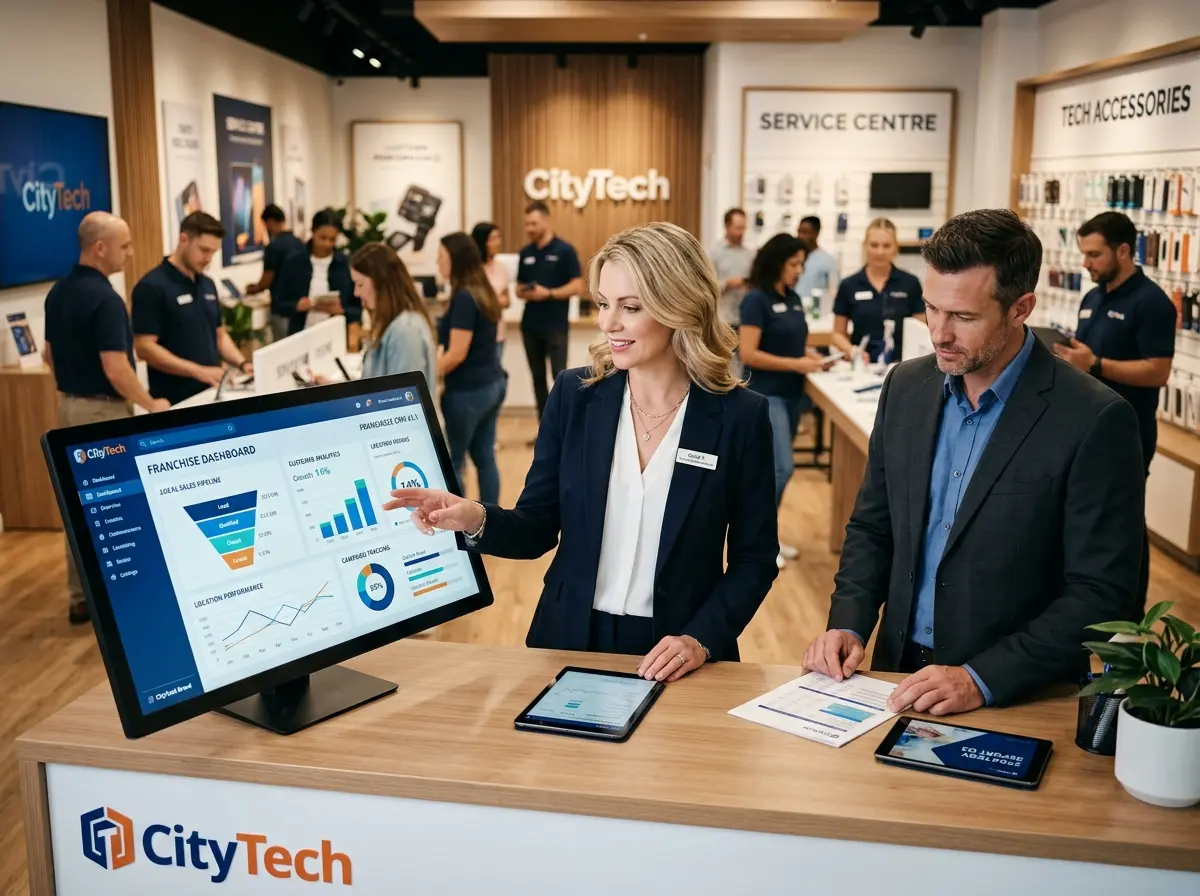
Segmentation lets you run targeted campaigns — for example, sending a termite inspection reminder only to customers in high-risk zip codes, or a mosquito treatment promotion only to residential customers who haven't yet added that service. According to HubSpot, segmented email campaigns see up to 14% higher open rates than non-segmented ones. For a service business where every upsell is meaningful, that difference adds up fast.
Documenting Service History Like It's Evidence
Every visit, every treatment, every follow-up call — it all belongs in the customer's CRM record. Notes should include what was treated, what products were used, what conditions were observed, and any customer concerns raised. This isn't just good for continuity when technicians change; it's also valuable when a customer calls three months later insisting the ants were never fully gone. A well-documented history protects your team and builds customer trust simultaneously.
Automating Follow-Ups and Renewals Without Losing Your Mind
Manual follow-ups are a tax on your time and attention. The moment you're relying on someone to remember to call a customer about their quarterly renewal, you've already introduced human error into a system that should be automated. CRM automation isn't about replacing human relationships — it's about making sure the relationship doesn't fall through the cracks while you're busy running the actual business.
Setting Up Automated Reminders and Renewal Sequences
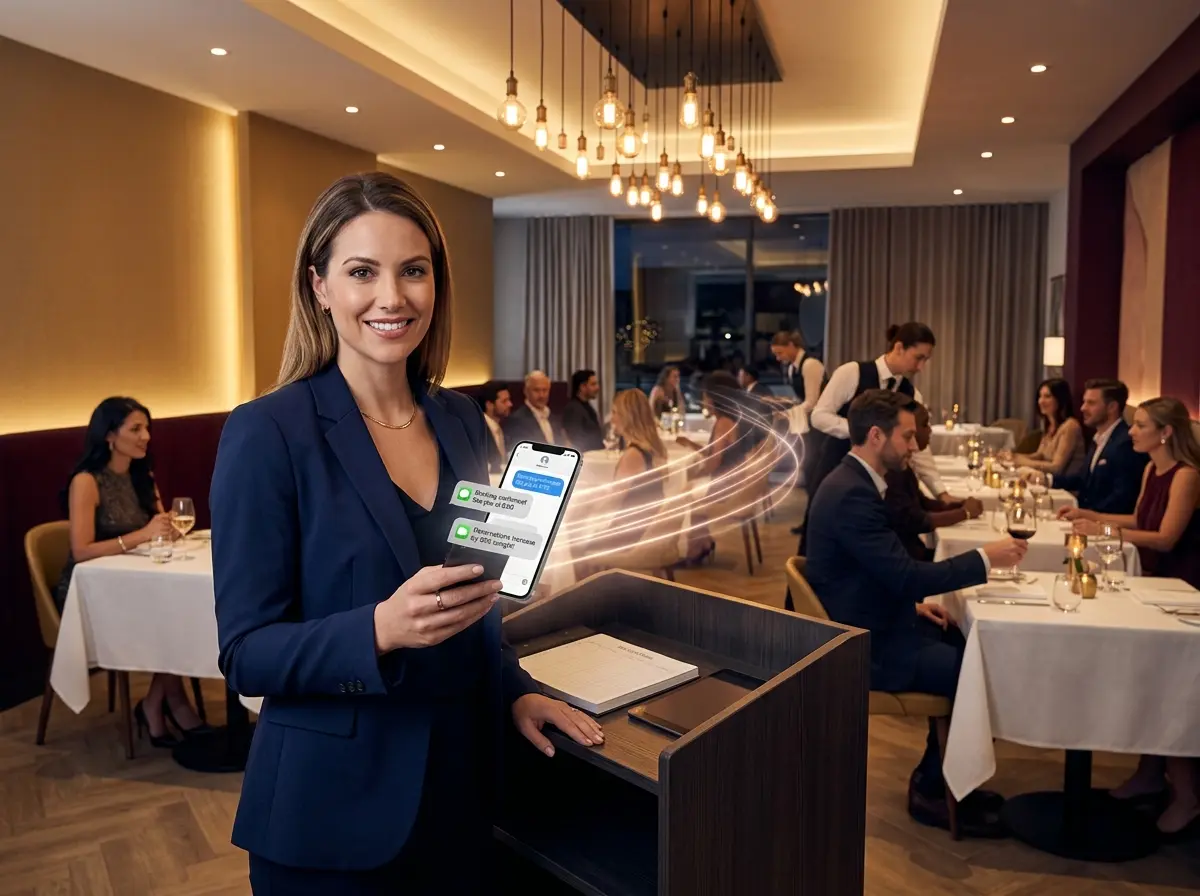
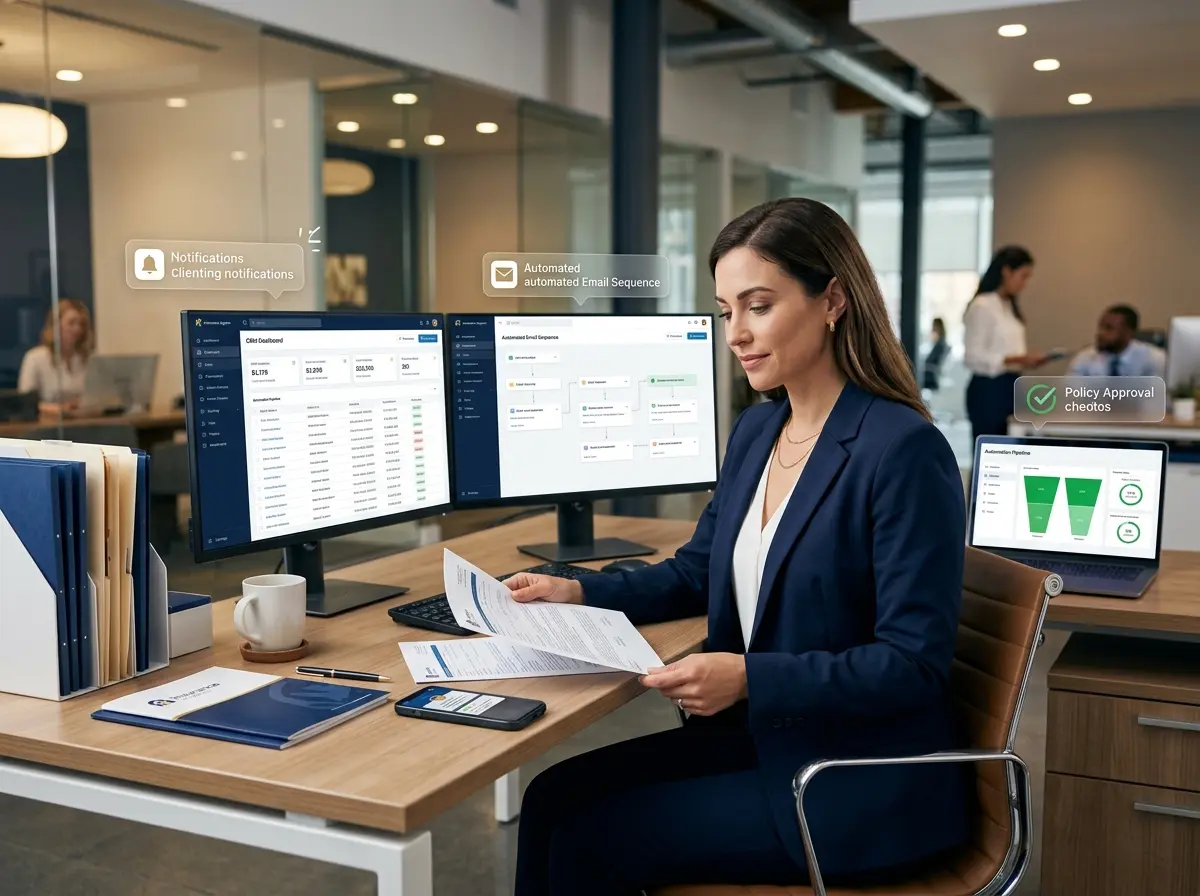
A well-configured CRM can automatically trigger reminder emails or texts based on a customer's last service date or contract renewal date. A simple sequence might look like this: a friendly reminder email 30 days before renewal, a follow-up text 14 days out, and a phone call prompt for your front office 7 days before expiration. This three-touch approach significantly reduces churn without requiring your staff to maintain a mental calendar of 400 customers.
For seasonal services like mosquito control or holiday pest prep, you can create date-based automation that fires off each year without anyone lifting a finger. Set it once, let it run, and spend your energy on the customers who actually need a human conversation.
How Stella Can Support Your Pest Control Operation
Stella — the AI robot employee and phone receptionist — is a natural complement to a CRM-driven pest control business. While your CRM manages the data and automation behind the scenes, Stella handles the front-line customer interactions that feed that system. She answers phone calls 24/7, which matters enormously in pest control, where panicked customers don't always call during business hours and a missed call often means a lost customer.
When a prospective customer calls about recurring service, Stella can collect intake information through conversational forms — service type, property details, preferred scheduling, contact preferences — and push that data directly into your CRM. No manual data entry, no dropped details, no "we'll call you back" that never happens. Her built-in CRM capabilities mean customer profiles start being built from the very first interaction. For pest control companies with a physical office or showroom, she also greets walk-in customers and can answer questions about service packages, pricing, and seasonal promotions without tying up your front desk staff.
Turning Recurring Customers Into Long-Term Revenue Relationships
Getting a customer on a recurring plan is just the beginning. The real revenue opportunity is in deepening that relationship over time — expanding services, increasing contract value, and turning satisfied customers into referral machines. Your CRM is the engine that makes this possible at scale.
Upselling and Cross-Selling with Service History Data
Your CRM data tells a story about each customer. A residential client who's been on a general pest plan for two years and lives in a wooded area? That's a solid candidate for a termite inspection pitch. A commercial account with a restaurant? They probably need more frequent service than they're currently receiving, and they might not even know it. When your team reviews accounts before making renewal calls, CRM data should be prompting these conversations — not leaving them to chance.
Building upsell prompts directly into your CRM workflow (e.g., "This customer has not been offered mosquito control — add to outreach list") turns your data into a proactive revenue tool rather than just a historical record.
Using CRM Insights to Reduce Churn
Churn in recurring service businesses is quietly devastating. Losing a customer who was paying $75/month means losing $900 per year — and that's before you factor in the cost of acquiring a replacement. Your CRM can help you identify churn risk before it happens. Look for patterns: customers who haven't responded to the last two outreach attempts, accounts where service complaints were logged without resolution follow-up, or contracts that are up for renewal without a confirmed renewal conversation on record.
Some CRMs allow you to build automated alerts when these warning signs appear, essentially giving your team a daily list of "at-risk accounts" to prioritize. Proactive retention is always cheaper than reactive acquisition. Always.
Requesting Reviews at the Right Moment
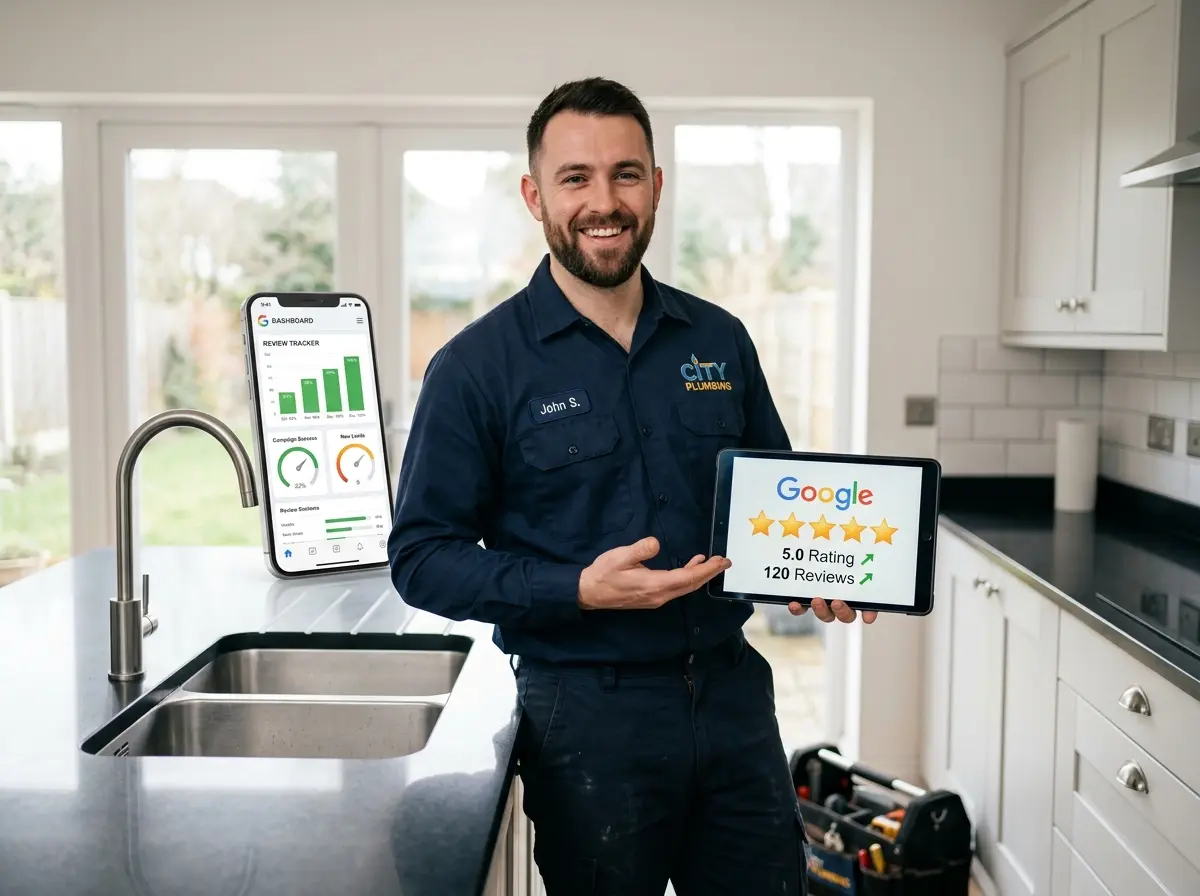
Timing is everything when asking for a review. The best moment is immediately after a successful service visit — when the customer is relieved, satisfied, and feeling good about your company. Your CRM can automate a post-service text or email with a direct link to your Google or Yelp review page. This simple automation, triggered by a "service completed" status update, can dramatically increase your review volume without anyone having to remember to ask. For a service business where reputation drives referrals, this is genuinely one of the highest-ROI automations you can build.
Quick Reminder About Stella
Stella is an AI robot employee and phone receptionist that answers calls 24/7, greets customers in person, collects intake information through conversational forms, and manages contacts through a built-in CRM — all for $99/month with no upfront hardware costs. She's the front-line presence that makes sure no customer inquiry goes unanswered and no lead falls through the cracks while you're out running a route. Easy to set up, always professional, and refreshingly immune to bad days.
Conclusion: Stop Managing Recurring Services on Vibes
If your pest control business depends on recurring service revenue — and it should — then a well-configured CRM isn't a luxury. It's the operational backbone that keeps your schedules organized, your renewals on track, your customers engaged, and your revenue predictable. The businesses that win in this industry aren't just good at pest control; they're good at running a pest control business.
Here's where to start: audit your current customer data, identify the fields and tags you need, and pick a CRM platform that allows automation and custom configuration. If you're still on spreadsheets, any modern CRM will feel like a revelation. From there, build out your renewal sequences, document service history consistently, and start using your data to drive upsell conversations.
And when you're ready to make sure every call is answered, every lead is captured, and every intake form actually gets filled out — take a look at what Stella can do for your front-line customer experience. The bugs aren't going anywhere. Neither should your systems.