So You Want to Franchise Your Restaurant — Let's Talk Operations First
Congratulations. Your restaurant is doing well, your regulars know your name, and someone at a dinner party has probably already said, "You should totally franchise this." And now you can't stop thinking about it. The dream of multiple locations, passive income, and an empire built on your signature sauce is officially alive.
Here's the thing nobody mentions at that dinner party: franchising a restaurant without a rock-solid operations system is like handing someone your car keys before you've installed the engine. The concept might look great from the outside, but the moment a franchisee tries to replicate what you do, everything falls apart — inconsistent food quality, confused staff, unhappy customers, and a brand reputation heading south faster than you can say "corporate complaint."
The good news? Building a franchise-ready operations system isn't reserved for billion-dollar chains. It's entirely achievable for growing independent restaurants — if you start with the right foundations. This guide will walk you through exactly how to do that.
Documenting the Secret Sauce (And Everything Else)
The first step toward franchise readiness is also the least glamorous: documentation. If your operations currently live inside your head, your sous chef's habits, or a sticky note on the prep fridge, you have a business — but you don't yet have a system. Franchising requires systems that someone who has never met you can follow and replicate consistently.
Build Your Standard Operating Procedures Library
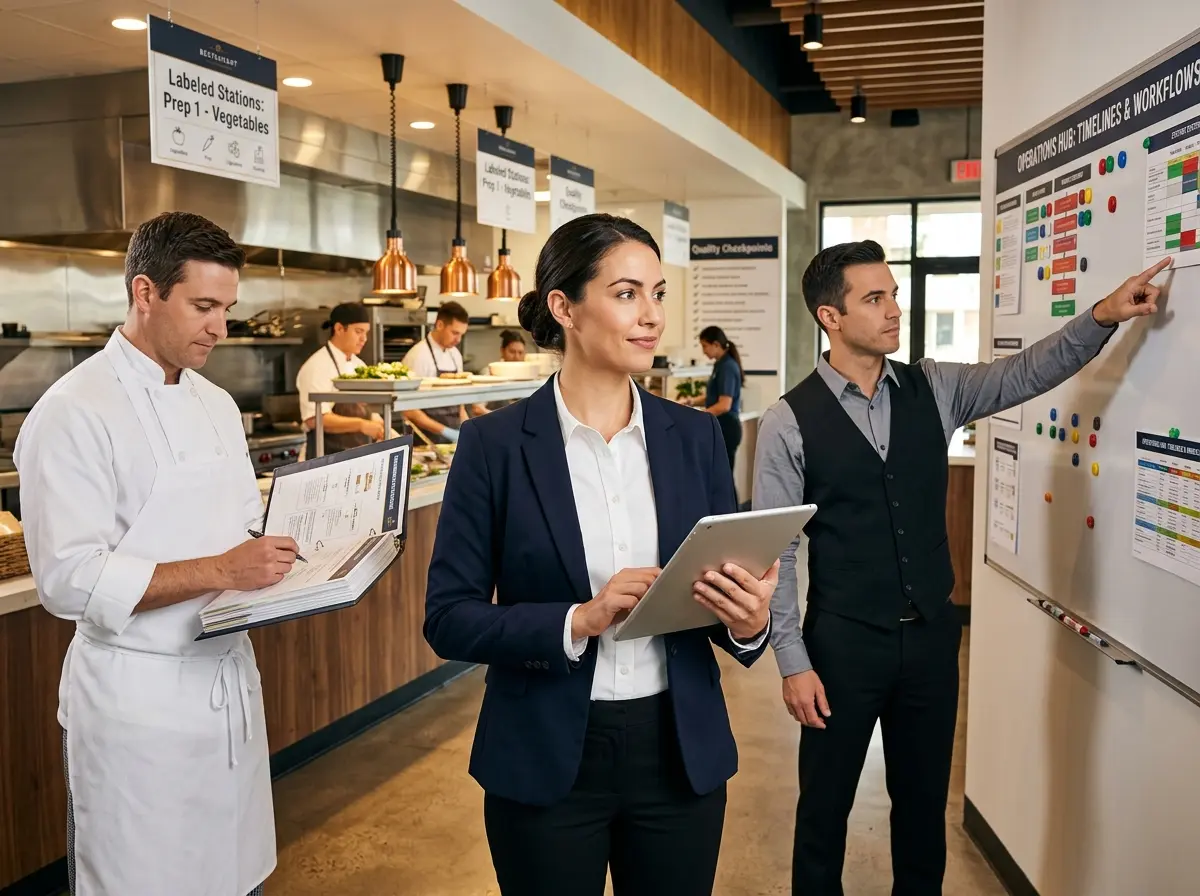
Every repeatable process in your restaurant needs to be written down in a Standard Operating Procedure (SOP). We're talking about opening procedures, closing procedures, food prep steps, portion standards, cleaning schedules, how to handle a customer complaint, how to handle a no-show reservation — all of it. Nothing is too small. In fact, the smaller the detail, the more important it often becomes when you're not physically present to correct it.
Your SOPs should be written in plain language, include photos or short videos where helpful, and be organized into a central operations manual. Think of this manual as the instruction book your future franchisees will live by. According to the International Franchise Association, one of the most common reasons franchise systems fail is insufficient training documentation — so this step isn't optional, it's foundational.
Standardize Your Menu and Supply Chain
Menu consistency is the heartbeat of a franchise. If your pulled pork sandwich tastes different at Location A versus Location B, customers will notice — and they will tell the internet about it. Standardizing your recipes to exact measurements, cooking times, and plating instructions is non-negotiable. Beyond the kitchen, you'll also need approved vendor lists, par stock levels, and ordering protocols so every location is working with the same ingredients at predictable costs.
This is also the right time to evaluate which menu items are truly scalable. That showstopper dish that requires your personal touch for 45 minutes? It might need to be simplified — or cut. Franchise-readiness sometimes means making hard choices about what your brand actually is versus what it used to be when you were cooking every plate yourself.
Create Repeatable Training Programs
Great training turns your SOPs from documents into behavior. Build structured onboarding programs for every role — front of house, back of house, and management. Use a combination of written guides, video walkthroughs, and hands-on practice with sign-off checklists. Your goal is for a new hire at any future location to be trained the same way, to the same standard, without you being in the room. Invest in this early, and you'll thank yourself later when your fifth location opens without a crisis.
Let Technology Do the Heavy Lifting
Franchise-ready operations aren't just about paper systems — they require the right technology stack to ensure consistency, reduce labor dependency, and deliver a professional customer experience at every location without requiring a manager to babysit every interaction.
Automate the Customer-Facing Experience
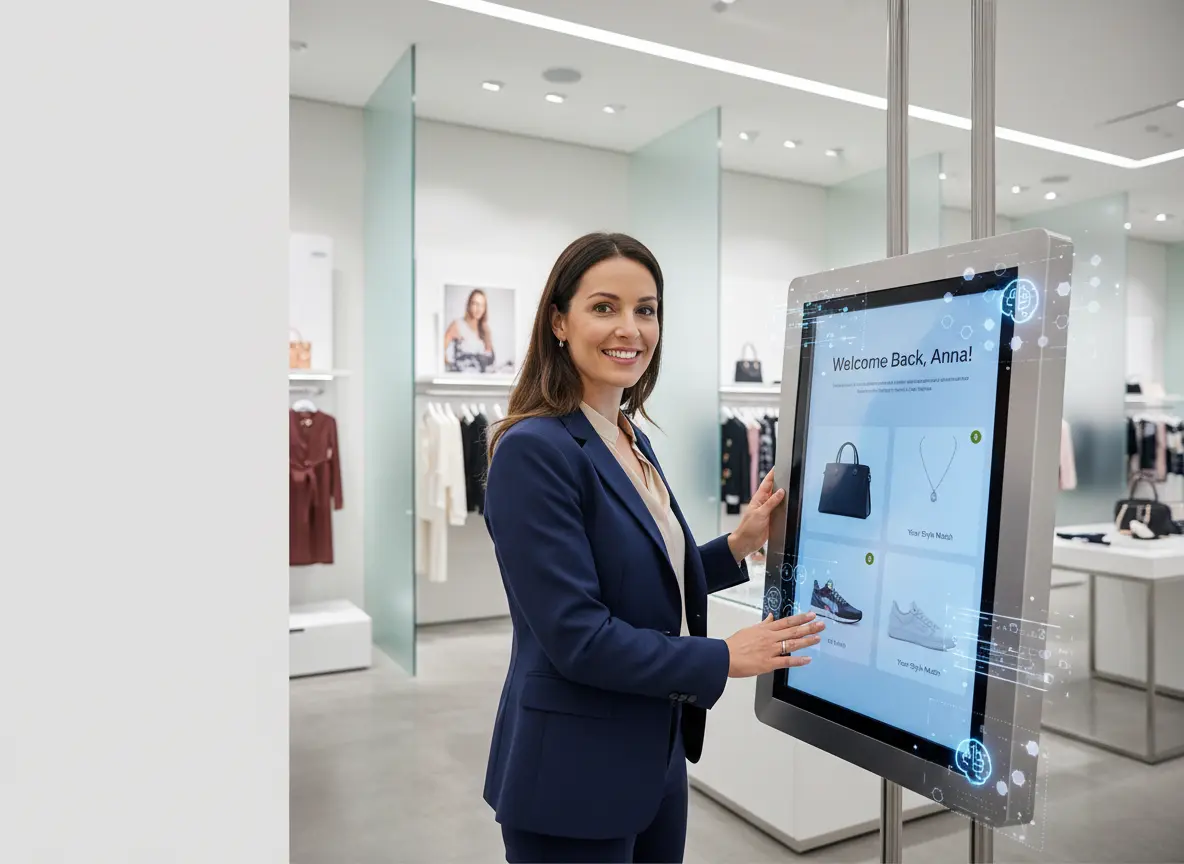
One area where restaurants consistently leave money (and impressions) on the table is customer communication. Phone calls that go unanswered during a dinner rush, staff too busy to upsell dessert, no one available to answer a "what are your hours?" question at 9pm — these are fixable problems. Stella, an AI robot employee and phone receptionist, is built exactly for this. For restaurant locations, she operates as a human-sized AI kiosk inside the store, greeting walk-in customers, promoting daily specials, answering questions about the menu or hours, and even upselling — all without pulling a single staff member away from their actual job. She also answers phone calls 24/7, handles inquiries, takes messages with AI-generated summaries, and forwards calls to staff when needed. For a franchise system, Stella means every location delivers the same friendly, knowledgeable front-line experience regardless of who's working that shift — and that kind of consistency is exactly what franchise brands are built on.
Building the Financial and Management Infrastructure
A franchise-ready restaurant isn't just operationally consistent — it's also financially transparent and management-structured in a way that can scale. This is where many growing restaurants stumble, because the informal financial habits that work for one owner-operated location become liabilities the moment a second or third location enters the picture.
Get Your Numbers Tight and Visible
Every location in a franchise system needs to track the same financial metrics in the same way. Food cost percentage, labor cost percentage, average ticket size, table turn time — these aren't just accounting exercises. They're the vital signs of your business, and franchisors monitor them closely to identify underperforming locations before they become problems. Implement a point-of-sale system that provides real-time reporting, and establish weekly and monthly reporting cadences so you're never flying blind.
A healthy franchise model typically targets a food cost of 28–35% and a total labor cost under 35%, leaving room for rent, royalties, and profit. If your current numbers don't reflect that, this is the time to address it — not after you've sold your first franchise agreement.
Define Your Management Structure and Accountability Systems
One of the most overlooked elements of franchise readiness is the management layer. Who is responsible for what, at which level? At a single location, the owner fills every gap. In a franchise system, that's not possible. You need clearly defined roles with documented responsibilities — from line-level staff all the way up to a potential area manager or franchise business consultant role.
Accountability systems matter just as much as org charts. Implement regular check-ins, performance reviews tied to measurable KPIs, and clear escalation paths for operational issues. Franchisees will follow the culture you model, so if your current location doesn't have a discipline of accountability, it won't magically appear at scale. Build the habit now, while you still have direct control, and codify it into your franchise operations model.
Protect Your Brand With a Franchise Operations Manual
When you're ready to formalize everything, all of the above — your SOPs, training programs, financial benchmarks, management structure, technology requirements, and brand standards — comes together in a Franchise Operations Manual (FOM). This document is both a legal protection and a practical guide. It tells franchisees exactly how to run the business and gives you legal standing to enforce standards if they don't. Work with a franchise attorney and a franchise consultant to ensure your FOM is comprehensive, compliant, and actually usable by someone who isn't you.
Quick Reminder About Stella
Stella is an AI robot employee and phone receptionist available for just $99/month with no upfront hardware costs. She greets customers in-store, answers phones around the clock, promotes your specials, and handles intake and inquiries — so your staff can focus on delivering great food and hospitality. For a growing restaurant looking to build scalable systems, she's one of the easiest consistency wins you can make.
Your Next Steps Toward Franchise Readiness
Building a franchise-ready operations system is not a weekend project — but it's also not the mountain it might feel like right now. Every large franchise chain started exactly where you are: a great concept, a loyal customer base, and an owner who decided to stop doing everything by feel and start building something replicable.
Here's a practical starting point to build momentum:
- Audit your current operations — Identify every process that isn't documented and prioritize writing SOPs for your highest-frequency tasks first.
- Standardize your menu and vendor relationships — Lock in recipes, portion guides, and approved suppliers before you even think about Location #2.
- Get your financials structured and visible — Implement or upgrade your POS and accounting systems to produce clean, consistent reporting.
- Build your training program — Record video walkthroughs, write onboarding guides, and create role-specific competency checklists.
- Invest in technology that scales — Tools that reduce inconsistency in the customer experience, like AI-assisted front-of-house and phone coverage, pay dividends across every location you open.
- Consult the right professionals — A franchise attorney and experienced franchise consultant are worth every penny before you sell your first franchise agreement.
The restaurant owners who franchise successfully aren't necessarily the ones with the best food — they're the ones who built the best systems. Your concept deserves to grow. Give it the operational foundation to actually do it.