So, Someone Left You a One-Star Review. Now What?
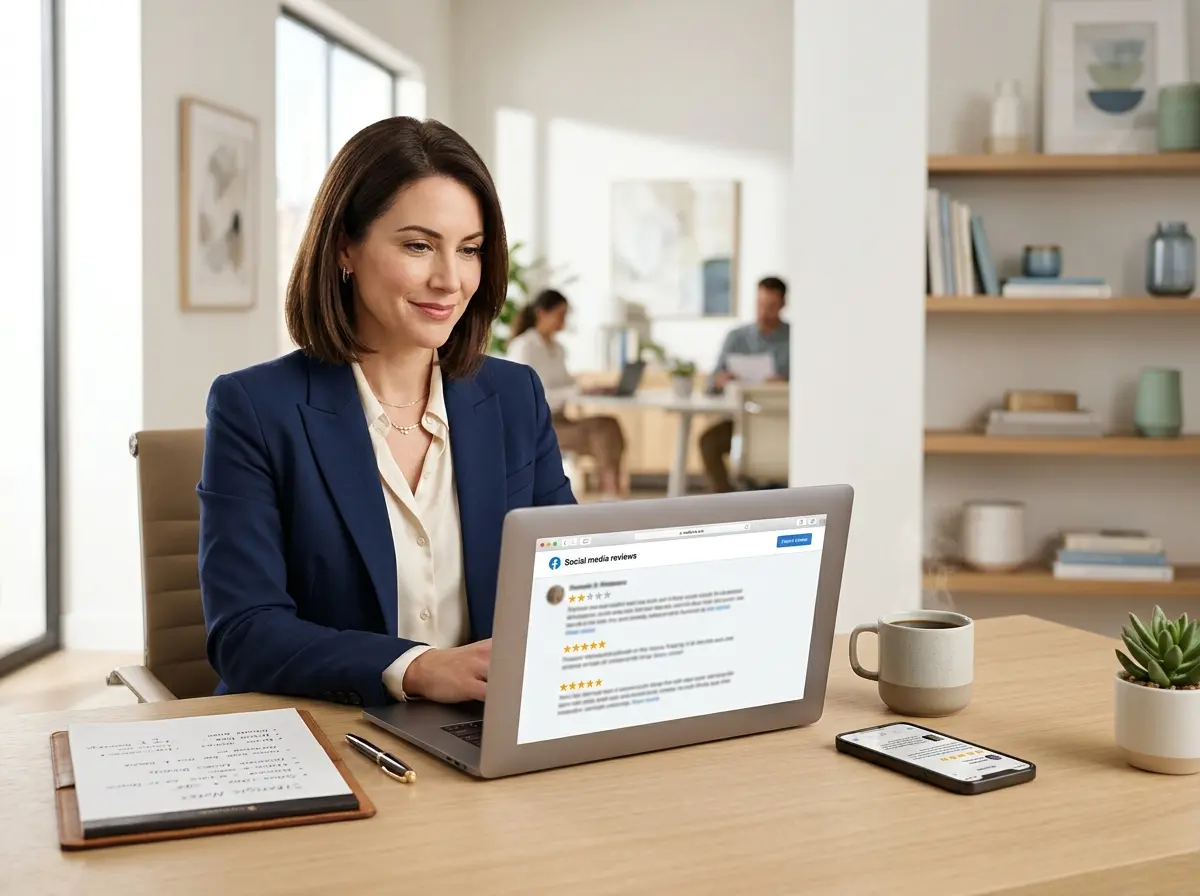
You wake up, pour your coffee, open your phone, and there it is — a one-star review from someone who, based on their complaint, seems to have had a fundamentally different experience than the 200 happy customers who never said a word. Welcome to the glamorous world of owning a business.
Negative online reviews are one of those universal business experiences, like printer jams and slow Mondays. They're frustrating, occasionally unfair, and — here's the part no one wants to hear — genuinely important to how your business is perceived. According to research by BrightLocal, 98% of consumers read online reviews for local businesses, and a single unaddressed negative review can quietly send potential customers straight to your competitor.
But here's the good news: how you respond to a bad review often matters more than the review itself. A thoughtful, professional reply can actually build trust with new customers who haven't even walked through your door yet. This guide will walk you through exactly how to handle negative reviews with grace, strategy, and just enough composure to avoid typing something you'll regret.
Understanding the Anatomy of a Negative Review
Before you can craft the perfect response, it helps to understand what kind of negative review you're actually dealing with. Not all bad reviews are created equal, and treating them the same way is a rookie mistake.
The Legitimate Complaint
This is the review where the customer has a real point. Maybe the wait time was longer than acceptable. Maybe a staff member was having an off day and it showed. Maybe the product didn't live up to the description. These reviews sting the most because, deep down, you know there's a kernel of truth in them.
Legitimate complaints are actually a gift in disguise. They surface operational issues you might not have noticed, and responding well to them demonstrates accountability — something modern consumers respect enormously. Don't get defensive. Get honest. A simple acknowledgment, an apology, and a concrete explanation of what you're doing to fix it goes a long way.
The Misunderstanding Review
This is the one where the customer complains about something that was clearly stated in your policies, signage, or confirmation email — and yet, here we are. Your instinct is to point that out. Resist it. Even if you are technically right, publicly correcting a customer in a way that sounds condescending will turn off future readers faster than the original complaint did.
Instead, gently clarify the relevant policy or context while expressing empathy. Something like: "We're sorry for the confusion — we do list our appointment cancellation policy on our booking confirmation, but we understand that details can get lost. We'd love to help you find a solution." You're not conceding fault, but you're not winning an argument at the expense of your reputation either.
The Bad-Faith Review
Occasionally, you'll encounter the reviewer who seems to have had a transcendent, almost operatic bad experience that no one on your team can recall. Or worse, the competitor-planted fake review. These are infuriating, and it's tempting to respond with the energy of someone who has been deeply wronged — because you have been.
Don't. Respond calmly and professionally, note that you cannot find a record of this experience and invite them to contact you directly, and then flag the review for removal if it violates the platform's guidelines. Platforms like Google and Yelp do have review removal processes, even if they move at the speed of continental drift.
How to Write a Response That Actually Helps You
The Formula That Works Every Time
You don't need to reinvent the wheel every time a bad review lands. A solid review response generally follows this structure: acknowledge, apologize (where appropriate), explain or clarify, and invite further conversation offline. That last part is crucial — taking things off the public platform prevents a lengthy, messy back-and-forth that entertains no one and resolves nothing.
Here's what that looks like in practice: "Thank you for sharing your feedback. We're sorry to hear your experience didn't meet your expectations — that's not the standard we hold ourselves to. We'd love the chance to make it right. Please reach out to us directly at [contact info] so we can address this personally." Short, professional, human. It shows future readers that you care without giving the reviewer a stage for a second act.
Timing, Tone, and the Temptation to Vent
Timing matters. Responding within 24 to 48 hours signals that you're attentive and take feedback seriously. Waiting two weeks suggests the review was an afterthought. That said, never respond when you're angry. Give yourself an hour. Give yourself a day. Read the review again with fresh eyes. Ask a trusted colleague to look it over before you post. The internet is forever, and a hot-headed response will outlast the original complaint by years.
Tone should be warm but professional. Avoid corporate-speak that sounds like it was generated by a committee, but also avoid being so casual that you come across as unbothered. The goal is to sound like a real person who genuinely cares — because, presumably, you are one.
A Little Help From Technology (Enter Stella)
One of the most common root causes of negative reviews isn't malice — it's a gap in communication. Customers felt ignored when they called. Their question went unanswered. They waited too long to get basic information and left frustrated before anyone had a chance to help. These are the reviews that hurt the most because they were preventable.
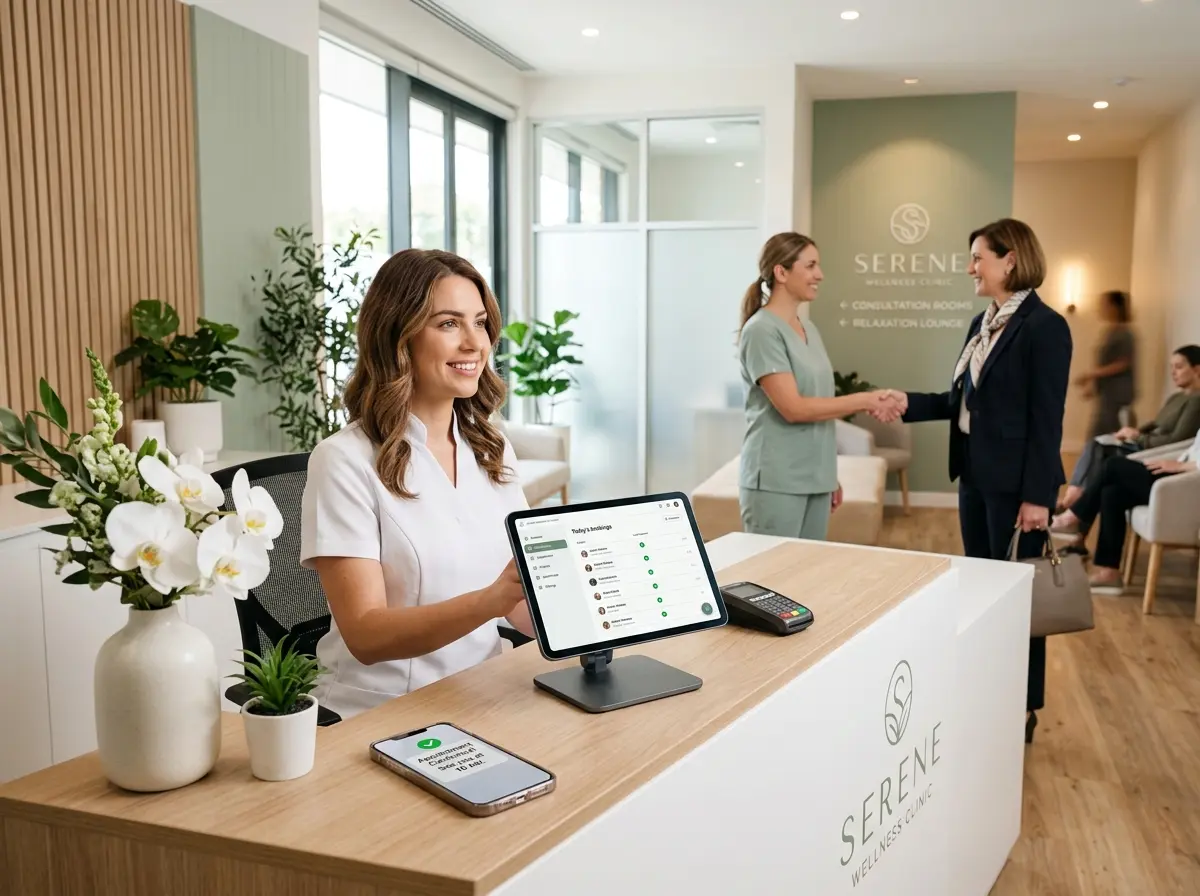
This is where Stella, the AI robot employee and phone receptionist, can quietly eliminate a significant source of customer friction. In businesses with a physical location, Stella greets customers proactively, answers questions about products, services, hours, and pricing, and even promotes current deals — all without pulling your staff away from what they're doing. For phone-heavy businesses, she answers calls 24/7 with the same knowledge she uses in person, ensuring no customer ever hits voicemail during business hours and wonders if anyone is home. If a situation requires a human, she can forward the call based on your preferences and capture voicemails with AI-generated summaries sent directly to your team.
Fewer unanswered calls and fewer ignored customers means fewer frustrated reviews to manage in the first place. The best review response strategy is preventing the bad experience from happening at all — and that starts with being present and responsive at every touchpoint.
Turning Negative Reviews Into a Long-Term Strategy
Use Feedback as Operational Intelligence
Instead of treating every negative review as an isolated incident, start tracking patterns. Are multiple people mentioning the same staff member? The same product issue? The same wait time problem? Patterns in your reviews are essentially free market research telling you exactly where your operation has gaps. Build a simple log. Review it monthly. Share relevant feedback with your team in a constructive way. The businesses that improve the fastest are the ones that listen — even when the feedback is uncomfortable.
Proactively Generate More Positive Reviews
Here's a strategy that's both obvious and chronically underused: ask happy customers to leave a review. The math is simple — if you have 50 five-star reviews and receive one two-star review, the damage is minimal. If you have four reviews total, that same two-star is catastrophic. Building up your review volume with genuine positive feedback is the single best way to make negative reviews less impactful.
Ask at the right moment — right after a successful service, a completed purchase, or a solved problem. A brief, friendly ask in person, via follow-up text, or through a post-visit email is all it takes for most satisfied customers to take two minutes and share their experience. Don't overthink it. Most happy customers are simply waiting to be asked.
Train Your Team to Care About the Experience, Not Just the Transaction
Many negative reviews aren't about the product at all — they're about how the customer felt during the interaction. Did someone feel dismissed? Rushed? Like they were an inconvenience? Customer experience training doesn't need to be elaborate. Regular reminders about eye contact, active listening, and handling complaints in the moment can dramatically reduce the number of experiences that ever make it to a review platform. Empower your staff to resolve small issues on the spot rather than escalating everything. A customer who gets a problem solved in real time rarely needs to vent online.
Quick Reminder About Stella
Stella is an AI robot employee and phone receptionist that works in-store as a customer-facing kiosk and answers phone calls around the clock for any type of business. She handles questions, promotes deals, collects customer information, and keeps things running smoothly — all for $99 a month with no upfront hardware costs. If you're looking for a low-effort way to improve the customer experience at the front end and reduce the friction that leads to negative reviews, she's worth a look.
The Takeaway: Respond, Improve, Repeat
Managing negative online reviews isn't a one-time fix — it's an ongoing part of running a modern business. The owners who handle it best aren't the ones who never get bad reviews. They're the ones who respond thoughtfully, use feedback to get better, and build enough goodwill through consistent positive experiences that a one-star review here and there doesn't define their reputation.
Here's your action plan, distilled:
- Respond to every review — positive and negative — within 48 hours.
- Use the acknowledge-apologize-clarify-invite framework for negative responses.
- Never respond in anger. Come back when you're calm.
- Track patterns in negative feedback and use them to make real operational changes.
- Ask happy customers for reviews consistently and proactively.
- Address the communication gaps and customer experience failures that lead to preventable complaints.
Your online reputation is one of your most valuable business assets, and it's largely in your hands. Treat every review — good, bad, or bewilderingly strange — as an opportunity to show potential customers the kind of business you are. Most of the time, that's all the marketing you need.