So You Want More Leads? Welcome to the Club.
Here's a scenario that might feel familiar: your phone rings, a potential customer has a question, nobody picks up, they hang up, and they call your competitor instead. Or maybe someone drives past your shop, glances at your window, and thinks "I should look them up later" — and then promptly forgets you exist by the time they get home. Lead generation for local service businesses is a very real, very frustrating challenge, and the solution isn't just "post more on social media" (though that doesn't hurt).
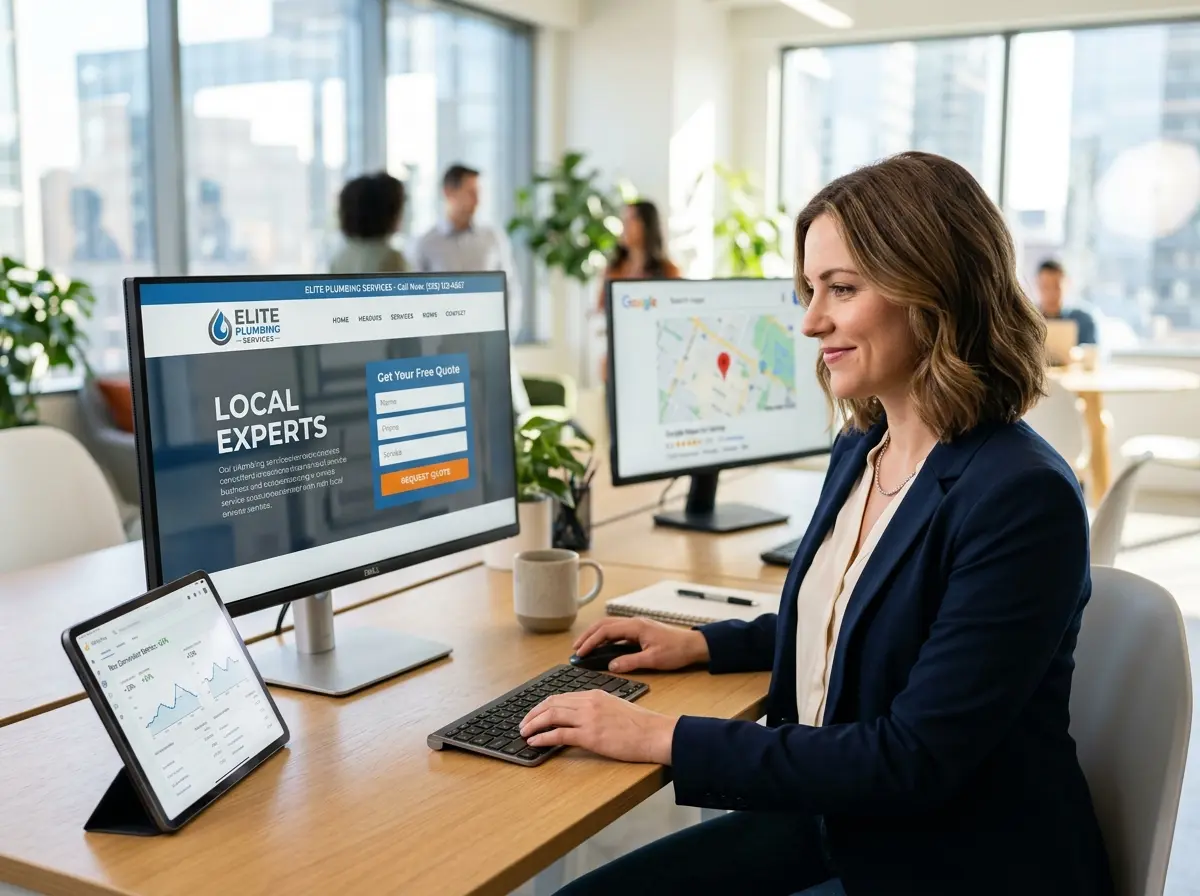
The answer, at least in part, is a well-built lead capture landing page — a dedicated, focused web page with one singular job: turn curious visitors into contactable leads. Not a homepage. Not a Facebook post. A purpose-built page designed to collect names, phone numbers, emails, and intent from people who are already interested in what you offer.
Studies show that businesses using dedicated landing pages generate up to 55% more leads than those relying solely on their homepage. For local service businesses — think plumbers, salons, gyms, law firms, auto shops — that gap can mean the difference between a slow week and a packed schedule. Let's build you one of those pages.
The Anatomy of a High-Converting Landing Page
The Headline: Your One Shot at a First Impression
Your headline is doing the heavy lifting here. It needs to communicate value immediately, speak directly to your target customer, and make them feel like they've landed in exactly the right place. A weak headline like "Welcome to Mike's Plumbing" sends people straight back to Google. A strong headline like "Fast, Affordable Plumbing Repairs in Austin — Same-Day Service Available" tells them who you are, what you do, where you do it, and why they should care — all in one sentence.
Follow your headline with a short subheadline that expands on the offer. Something like: "Fill out the form below and we'll call you back within 15 minutes with a free quote." Now they know exactly what happens next. Clarity converts. Confusion doesn't.
The Lead Capture Form: Short, Sweet, and Strategic
This is where business owners tend to get greedy. You want to know their name, email, phone number, service type, preferred appointment time, how they heard about you, their ZIP code, and their mother's maiden name. Resist the urge. Every additional form field you add reduces your conversion rate — research from HubSpot suggests that reducing form fields from four to three can increase conversions by as much as 50%.
For most local service businesses, three fields is the sweet spot: name, phone number, and a dropdown or short field describing what they need. That's enough to follow up effectively without scaring anyone off. If you absolutely need more information, collect it during the follow-up call — not on the page.
Social Proof: Because Strangers Don't Trust Strangers
Nobody wants to be the first person to try something. Customer reviews, star ratings, before-and-after photos, and testimonials are conversion gold — especially for local service businesses where trust is everything. A salon with 200 five-star Google reviews should be plastering that front and center. An auto shop with a loyal customer base should have a quote from a real person who can vouch for the work.
If you're just getting started and don't have a mountain of reviews yet, even two or three genuine testimonials from real customers go a long way. Keep them specific. "Great service!" is forgettable. "They fixed my AC unit in under two hours and the technician explained everything clearly — I'll never call anyone else" is persuasive.
Driving Traffic to Your Page — and Capturing More of It
Getting Eyes on the Page
A beautifully built landing page sitting unvisited on the internet is basically a very attractive tree falling in an empty forest. You need traffic, and for local service businesses, the most effective channels are Google Local Services Ads, Google Search Ads targeting your city and service type, and organic local SEO. Facebook and Instagram ads can also work well, especially if you're promoting a specific offer or seasonal deal. The key is to send traffic from each campaign to a dedicated landing page that matches the message of the ad — not your homepage.
Beyond paid traffic, don't underestimate the power of your existing touchpoints. Add your landing page URL to your Google Business Profile, your email signature, your social media bios, and any print materials you hand out. Every touchpoint is an opportunity to capture a lead you might otherwise lose.
How Stella Can Help You Capture and Manage Those Leads
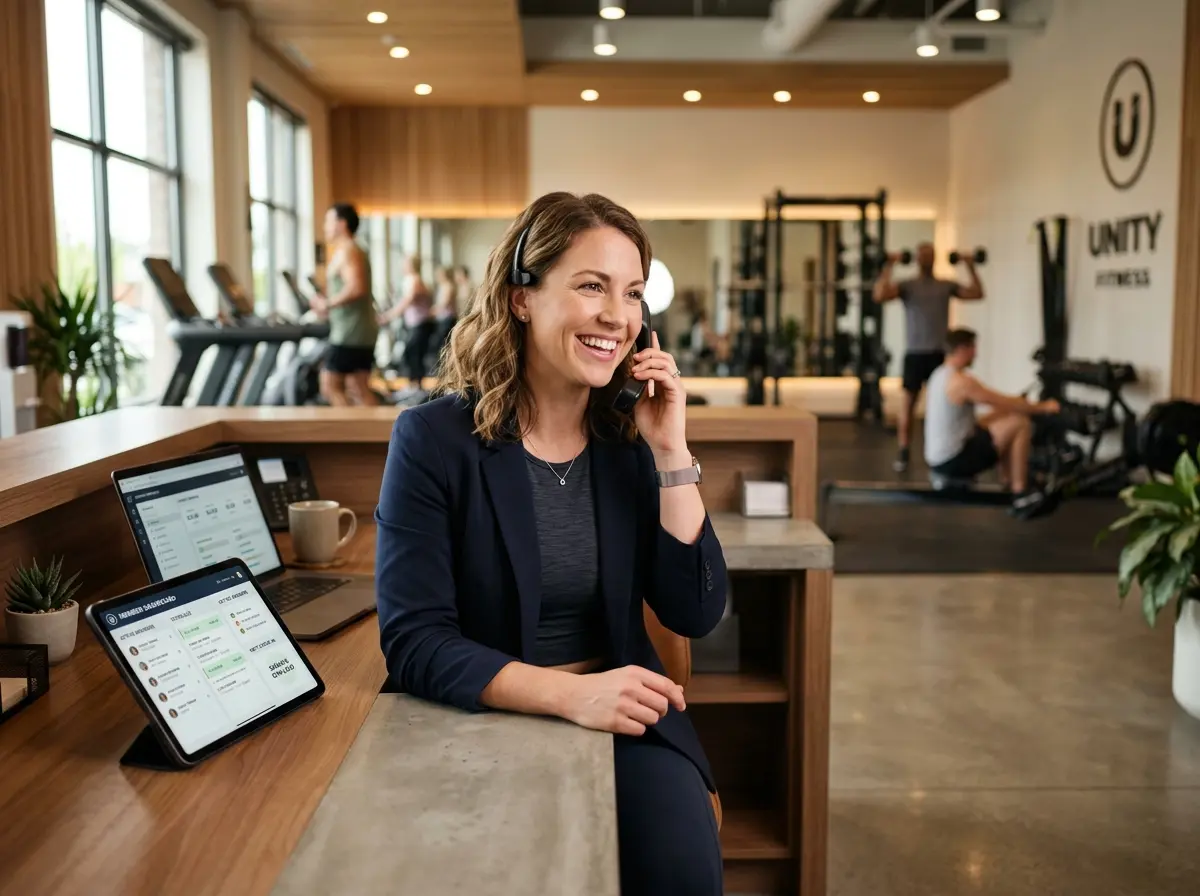
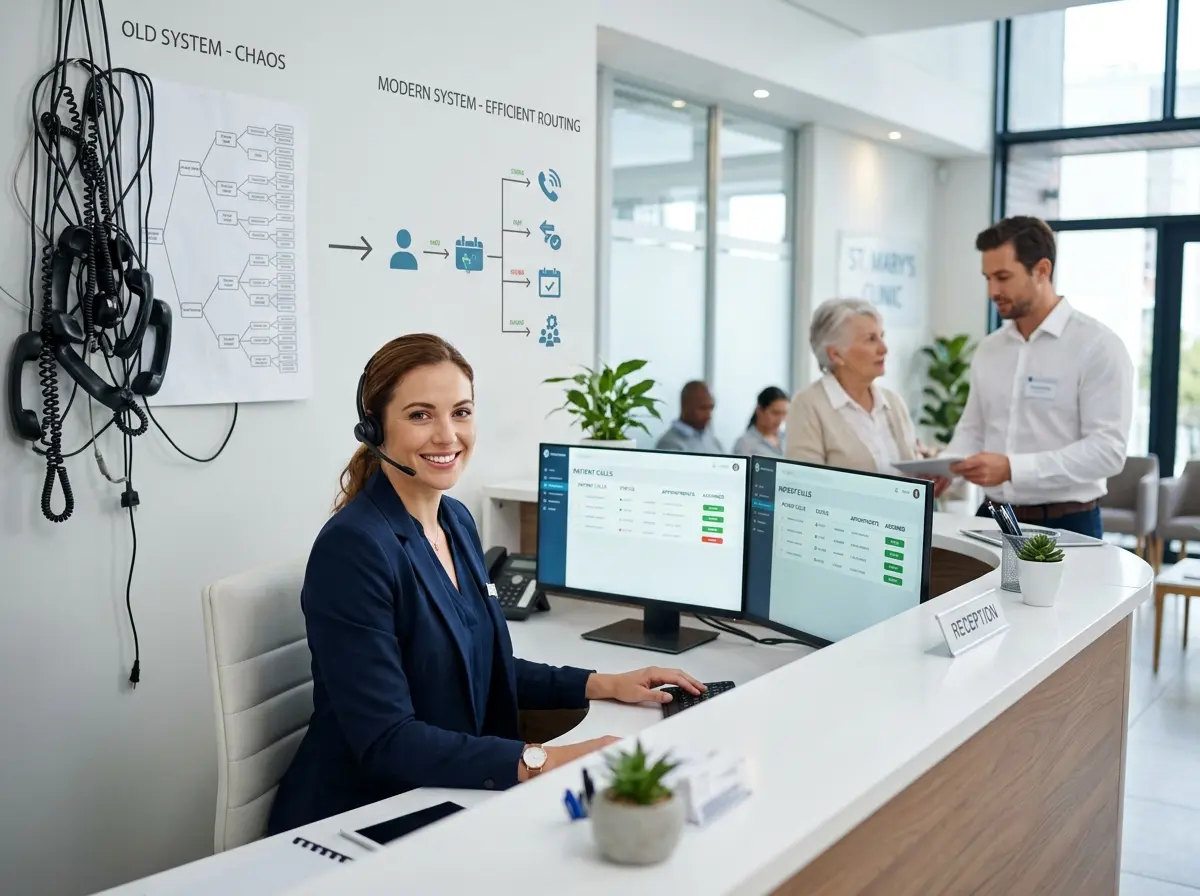
Here's something worth knowing: your landing page works 24 hours a day, but your staff doesn't. When a lead fills out a form at 11 PM, the follow-up matters enormously — and speed-to-contact is one of the strongest predictors of conversion. That's where Stella, the AI robot employee and phone receptionist, becomes genuinely useful. Stella answers phone calls around the clock, so when that late-night lead decides to call instead of filling out a form, someone — something — is always there to greet them professionally and gather their information.
Beyond phone calls, Stella also supports conversational intake forms — so whether a customer is interacting on the web, calling in, or even stopping by your physical location at a kiosk, she can collect the information you need and feed it directly into her built-in CRM. That means custom fields, tags, notes, and AI-generated customer profiles — all organized and ready for your team to act on. No more leads slipping through the cracks because someone forgot to write down a name.
Optimizing Your Page for Maximum Conversions
Speed, Mobile, and the Basics You Can't Ignore
Forty-seven percent of consumers expect a webpage to load in two seconds or less. If your landing page takes five seconds to load on a mobile phone — and most of your local traffic is coming from mobile — you're losing a significant chunk of potential leads before they even see your headline. Use a fast hosting provider, compress your images, and test your page on a real phone before you launch it. Tools like Google PageSpeed Insights will tell you exactly where the problems are, and many of them can be fixed in under an hour.
Your page should also be designed mobile-first. That means large, tappable buttons, short paragraphs, a form that's easy to fill out with one thumb, and a phone number that's clickable. If someone on a mobile device has to pinch and zoom just to read your offer, they're gone.
Your Call to Action: Tell Them Exactly What to Do
The biggest mistake local business owners make with their landing pages is being vague about what they want the visitor to do. "Learn More" is not a call to action — it's a shrug. Your CTA should be specific, benefit-driven, and action-oriented. Examples that work well for local service businesses include:
- "Get My Free Quote" — works great for contractors, auto shops, and cleaning services
- "Book My Appointment" — perfect for salons, spas, gyms, and medical offices
- "Claim My Free Consultation" — ideal for law firms, financial advisors, and coaches
- "Get Today's Special Offer" — excellent for restaurants, retail, and promotional campaigns
Make the button big, make it a contrasting color, and repeat it at least twice on the page — once above the fold, and once near the bottom after you've made your case. Don't make people scroll back up to convert.
A/B Testing: Because Your First Guess Might Be Wrong
Even experienced marketers build pages that underperform. The difference between guessing and growing is testing. A/B testing — showing two variations of your page to different visitors and measuring which one converts better — doesn't require a marketing degree or expensive software. Tools like Google Optimize (free), Unbounce, or even Leadpages make it straightforward to test different headlines, button colors, form lengths, or hero images.
Start with the element most likely to have the biggest impact: your headline. Run the test for at least two weeks and a couple hundred visitors before drawing conclusions. Small changes can produce surprisingly large results — and now you're making decisions based on data instead of gut feelings.
A Quick Reminder About Stella
Stella is an AI robot employee and phone receptionist built for businesses of all kinds — she stands inside physical locations as a human-sized kiosk, greeting and engaging customers proactively, while also answering phone calls 24/7 with the same business knowledge she uses in person. At just $99/month with no upfront hardware costs, she's a surprisingly affordable way to make sure no lead — from your landing page or anywhere else — ever goes unanswered again.
Now Go Build the Thing
You don't need a massive marketing budget or a full-time web developer to build a lead capture landing page that actually works. You need a clear headline, a short form, social proof, a specific call to action, and a fast mobile-friendly design. Then you need to drive traffic to it, follow up quickly with every lead it generates, and keep testing until your conversion rate makes you smile.
Here's your action plan to get started this week:
- Choose a landing page tool — Unbounce, Leadpages, and Carrd are all beginner-friendly options. Many website builders like Squarespace and Wix also support dedicated landing pages.
- Write your headline first — nail the value proposition before you design anything.
- Collect three customer testimonials — call your happiest clients and ask for a quick quote you can use on the page.
- Set up your form with no more than three fields — name, phone, and service type.
- Run a Google Local Services Ad or Facebook ad sending traffic directly to the page.
- Make sure someone — or something — is available to respond to leads immediately, including after hours.
Local service businesses win on reputation, responsiveness, and relationships. A great landing page gets the conversation started. Everything after that is up to you — and maybe a very capable AI assistant who never takes a day off.