You Never Get a Second Chance at a First Impression (But You Can Definitely Plan for It)
Let's be honest — most service businesses put enormous energy into marketing, pricing strategy, and service delivery, and then completely wing the first five minutes of a customer interaction. A potential client walks through your door or calls your number, and what happens? Maybe someone looks up from their screen. Maybe the phone rings four times before a slightly frazzled employee answers. Maybe nothing happens at all because everyone is busy and the customer quietly leaves.
Here's the uncomfortable truth: you spend money to get people in the door, and then you leave the most critical moment — the first impression — entirely to chance. According to research from McKinsey, customer experience is the single most important factor in long-term loyalty, and that experience starts forming within seconds of first contact. Seconds. Not minutes.
A "First Visit" protocol isn't just a nice idea. It's a business system that ensures every single customer — whether they walk in, call in, or click in — gets a consistent, professional, and genuinely warm experience from moment one. And no, it doesn't require hiring a Director of First Impressions (though if that's in your budget, call us). Let's talk about how to build one that actually works.
What a First Visit Protocol Actually Is (And Why Most Businesses Don't Have One)
It's More Than a Greeting Script
When people hear "protocol," they sometimes picture a laminated sheet on the breakroom wall that nobody reads after week two. A real First Visit protocol is a living system — a documented, trained, and reinforced process that defines exactly what a new customer should experience from first contact through their initial interaction with your business. It covers how they're greeted, what information they're given, what questions are asked, what needs are uncovered, and what happens next.
Think of it like onboarding for customers. Just as you'd have an onboarding process for a new employee, your customers deserve a structured introduction to your business. What do they need to know? What should they feel? What action should they take by the time the first visit ends? These questions should have documented answers — not improvised ones.
The Costs of Not Having One
Without a protocol, your first impression is only as good as whoever happens to be available at that moment. On a good day with your best employee, it's great. On a busy Tuesday with a new hire and a full waitlist, it's chaos. The problem isn't your people — it's the absence of a system.
Studies consistently show that businesses lose between 20% and 40% of potential customers due to poor initial experiences — not bad products or high prices, but bad first contact. That's a staggering amount of revenue walking out the door (or hanging up the phone) before you've even had a chance to show what you're worth. A protocol eliminates the variability. It ensures that new customer experience is excellent regardless of the day, the staff member, or the circumstances.
The Core Elements Every Protocol Needs
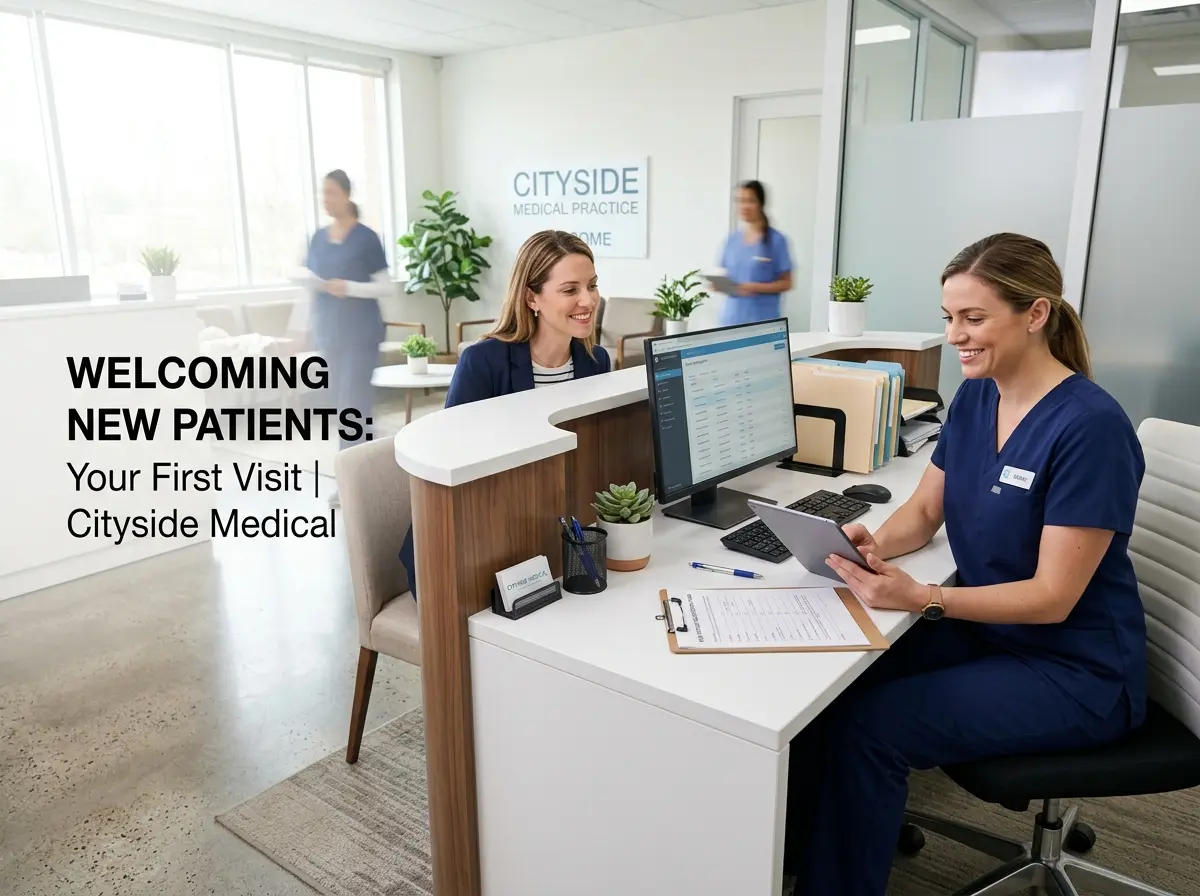
A solid First Visit protocol should include at minimum: a defined greeting (verbal or digital), an intake process that captures key customer information, a brief orientation to your services or offerings, a needs assessment or consultation moment, and a clear next step — whether that's a booking, a purchase, or a follow-up. Each of these should be standardized, not scripted into robotic oblivion, but consistent enough that any customer walking in on any day gets the same quality of welcome.
How Technology Can Help You Nail Consistency (Without Cloning Your Best Employee)
Automate the Welcome, Not the Warmth
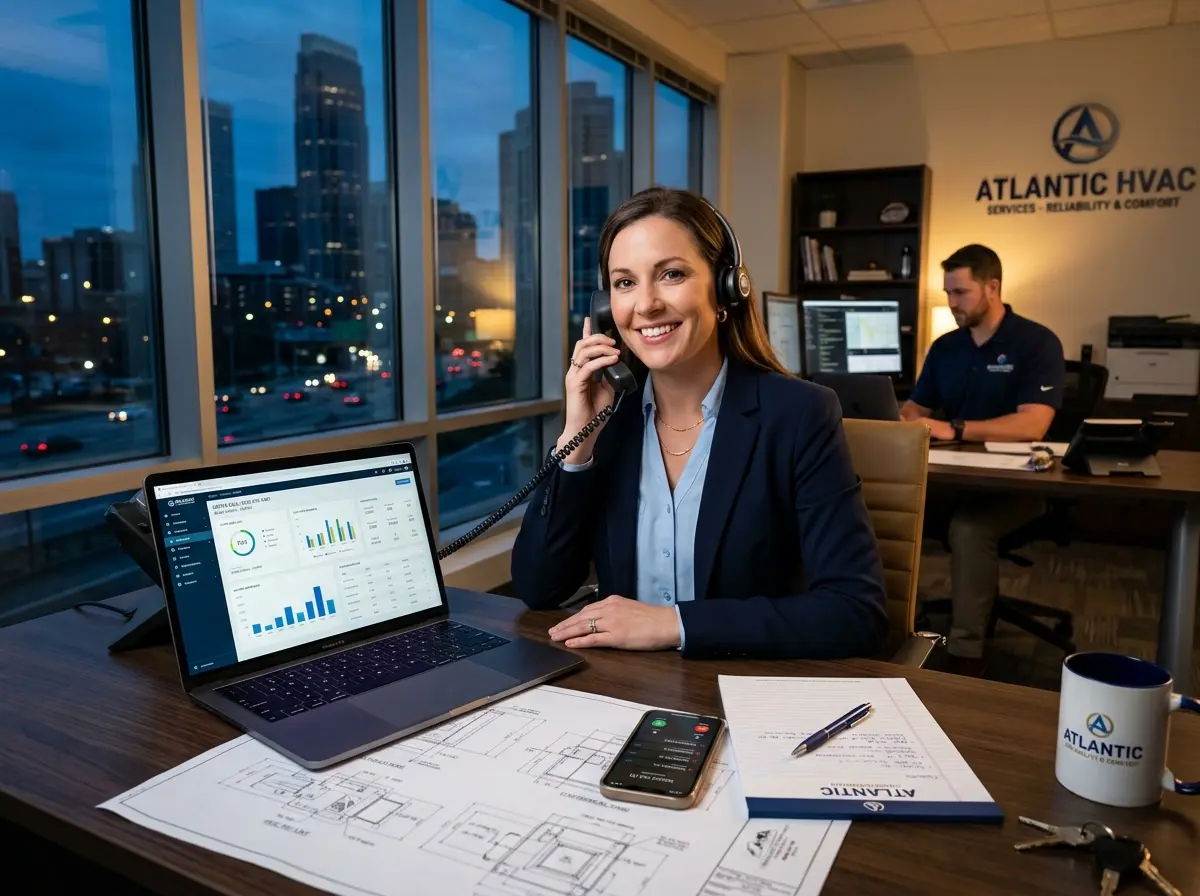
One of the biggest challenges in creating a consistent first visit experience is human variability — and that's not an insult to your team, it's just reality. People have good days and bad days. They get busy. They forget steps. Stella, the AI robot employee and phone receptionist, solves this problem elegantly. As a physical kiosk stationed inside your location, she greets every customer who walks by, proactively engages them, shares current promotions, and answers questions about your services — all without ever having an off day, getting distracted, or forgetting the script.
For the phone side of your business, Stella answers every call with the same friendly, knowledgeable presence she brings in person. She can collect customer information through conversational intake forms during the call, so by the time a human team member gets involved, the basics are already handled. Her built-in CRM stores that information with AI-generated customer profiles, custom fields, and tags — meaning every new customer is immediately and professionally logged from their very first point of contact. That's a First Visit protocol that runs itself.
Building Your Protocol: A Practical Walkthrough
Map the First Visit Journey
Start by mapping every possible entry point into your business. In-person walk-in? Phone call? Website inquiry? Each of these is a different "door," and each needs its own welcome mat. For each entry point, document what happens in the first 30 seconds, the first 2 minutes, and the first 10 minutes. Be honest about what currently happens versus what should happen. This gap analysis is usually eye-opening — and occasionally humbling.
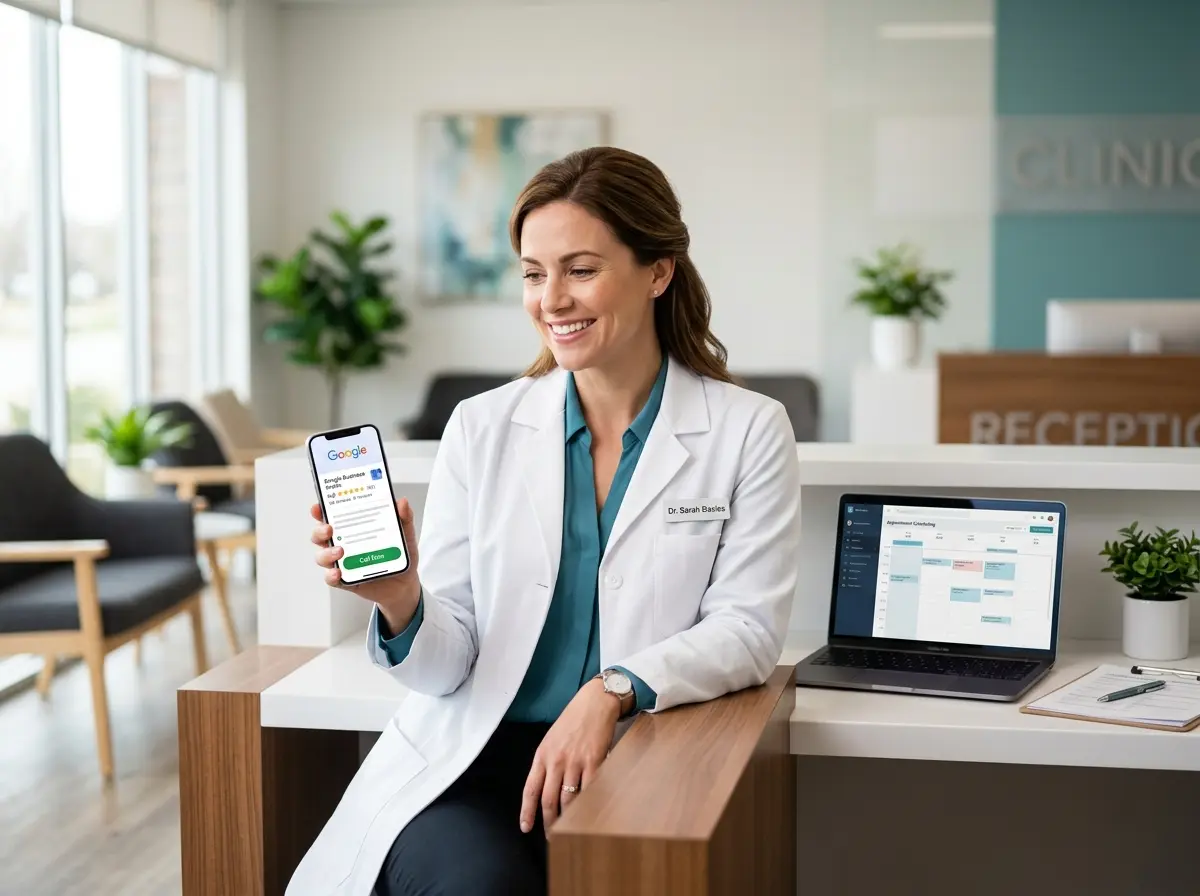
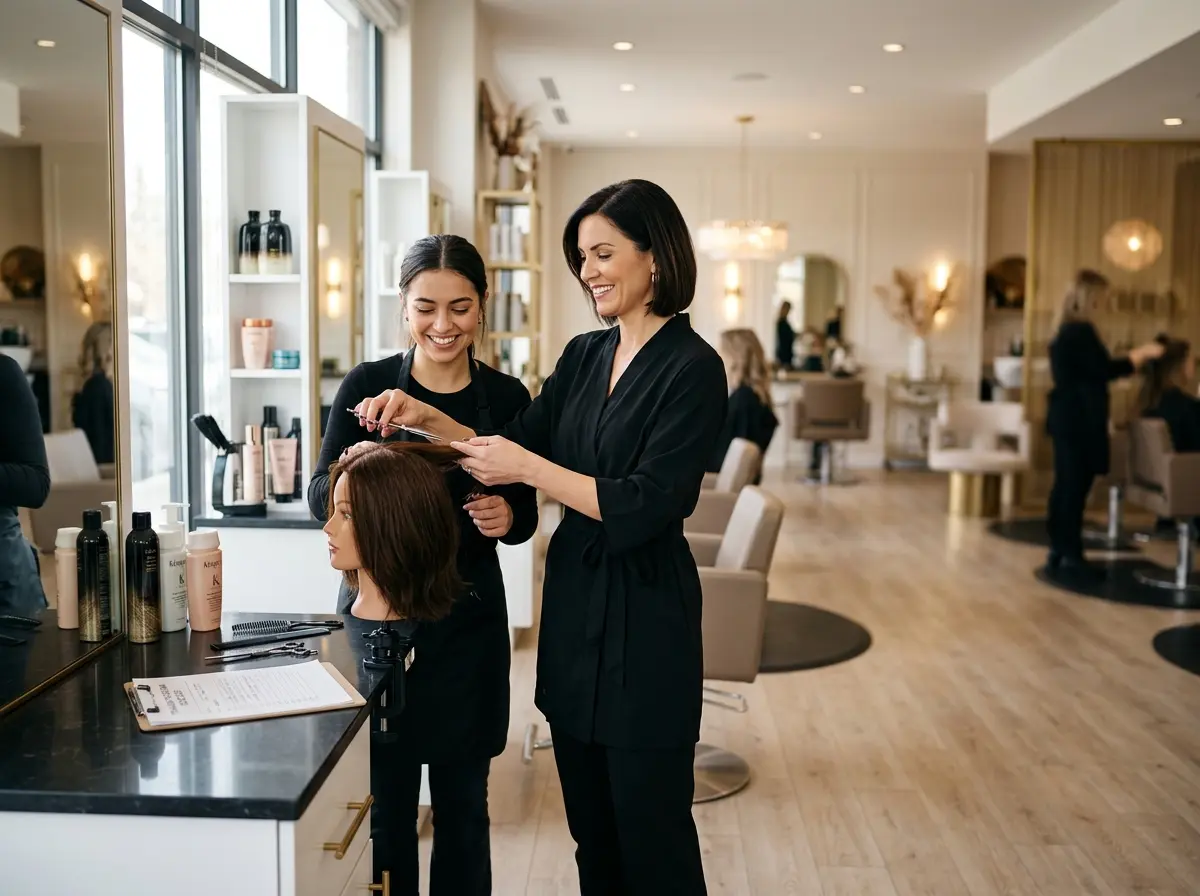
Once you've mapped the journey, identify the moments that matter most. In a salon, it might be the moment a new client sits in the chair for the consultation. In a medical office, it's likely the intake process and the time spent waiting. In an auto shop, it's the explanation of the initial assessment. Every industry has its version of "the moment" — the point at which the customer decides whether they trust you. Your protocol should be designed to make that moment excellent every time.
Train, Test, and Iterate
Document your protocol in a format your team will actually use — short, clear, and role-specific. A receptionist's protocol looks different from a technician's. Train on it explicitly, not just by osmosis. Then test it: have a trusted person pose as a new customer and walk through the experience. You'll almost certainly discover something you didn't anticipate.
The testing phase is also where you'll identify the gaps that technology can fill. If your protocol calls for capturing customer contact information during every first visit but your front desk staff are frequently too busy to do it reliably, that's a process problem that needs a process solution — not just more reminders at team meetings.
Measure What Matters
A protocol without measurement is just wishful thinking. Track your new customer conversion rate — how many first-time visitors become repeat customers. Track your intake completion rate — what percentage of new customers have a complete profile in your system after visit one. Track response time on incoming calls and the percentage answered versus missed. These numbers will tell you whether your protocol is working or just sitting in a folder looking important.
Beyond the numbers, gather qualitative feedback. Ask new customers directly: "Was there anything confusing or unclear during your first visit?" Most people won't volunteer criticism unprompted, but they'll answer honestly when asked. Use that feedback to continuously refine and improve the experience.
Quick Reminder About Stella
Stella is an AI robot employee and phone receptionist that greets customers in person at your location and answers phone calls 24/7 with full knowledge of your business. At just $99/month with no upfront hardware costs, she's one of the easiest ways to ensure your first impression is always on point — no matter when a customer reaches out or walks in. She's available across retail, restaurants, gyms, salons, medical offices, auto shops, and more.
Start Building Your First Visit Protocol Today
The businesses that win long-term aren't necessarily the ones with the best product — they're the ones that make customers feel genuinely welcomed, understood, and valued from the very first interaction. That's not a soft, feel-good sentiment; it's a competitive advantage backed by real retention data. Customers who have an excellent first experience are significantly more likely to return, spend more, and refer others. The math is simple and compelling.
Here's how to get started this week:
- Audit your current first visit experience across every customer entry point — in person, by phone, and online.
- Identify your biggest gaps — where is the experience inconsistent, incomplete, or just plain awkward?
- Write a one-page protocol for each entry point that defines the greeting, the intake, the orientation, and the next step.
- Train your team and assign ownership for each step of the protocol.
- Plug the gaps with technology where human variability is the biggest risk to consistency.
- Measure, gather feedback, and improve on a quarterly basis.
Your new customers are giving you one chance to show them why you're worth coming back to. A thoughtful, well-executed First Visit protocol ensures you make the absolute most of it — every time, without exception, and without leaving it up to whoever happens to be least busy when the door opens. That's not just good customer service. That's good business.