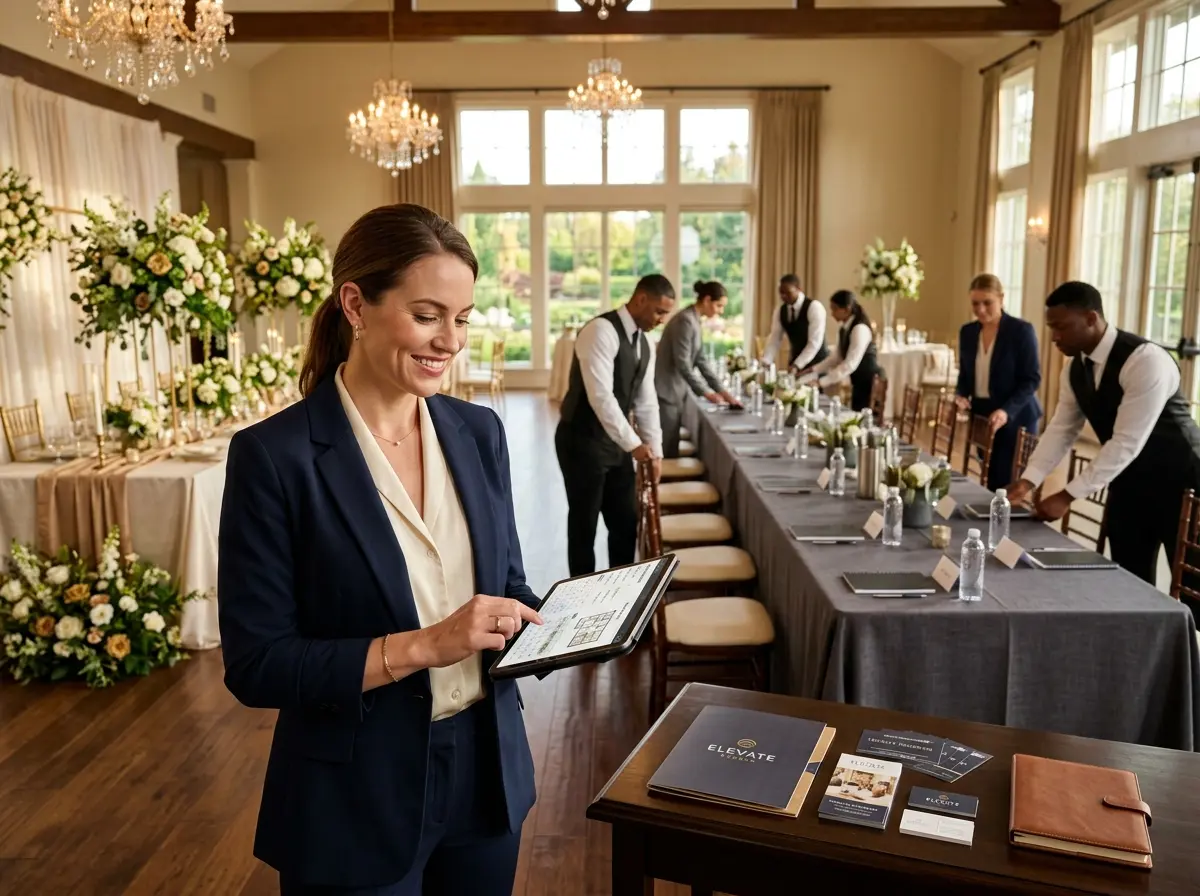
The "One and Done" Problem Every Wedding Venue Owner Knows Too Well
Here's the bittersweet reality of running a wedding venue: your clients are, by design, hopefully never coming back for the same reason. Congratulations — you did your job so well that they only need you once. And yet, you've just spent weeks or months building a relationship with a couple (and their entire extended family, their wedding planner, their florist, and that one opinionated aunt who wanted the centerpieces moved three inches to the left) — and then they're gone forever.
Or are they?
The truth is, wedding venue clients are actually some of the most relationship-rich leads you'll ever encounter. They know people. They celebrate things. They have birthdays, anniversaries, corporate retreats, baby showers, graduation parties, and holiday gatherings that all need a beautiful space. The problem isn't that they'll never need you again — it's that most venue owners never ask. Once the confetti settles, the follow-up strategy evaporates along with it.
This post is about changing that. With a few smart systems and a little strategic thinking, you can turn those one-time "I do" clients into long-term event customers who think of your venue every time someone in their orbit has something worth celebrating.
Building the Foundation: Relationships and Data That Actually Work for You
Stop Treating the Wedding as the Finish Line
The mindset shift starts here. Your relationship with a wedding client shouldn't end when the last guest stumbles out the door. It should evolve. Think of the wedding as the most expensive, emotionally charged introduction you'll ever have with a client — and then treat everything after it accordingly.
Begin by documenting key details during the planning process: their anniversary date, the names of family members who were heavily involved, the style of event they preferred, the vendors they loved. This isn't just nice-to-have information — it's the raw material for every meaningful touchpoint you'll create in the years ahead. A couple who chose a rustic, intimate aesthetic for their wedding probably isn't interested in your New Year's Eve corporate gala package. But they might be very interested in hosting their first anniversary dinner in the same space where they got married.
According to research from Bain & Company, increasing customer retention rates by just 5% can increase profits by 25% to 95%. For a business like a wedding venue — where the cost of acquiring each new client is substantial — even converting a small percentage of past clients into repeat customers can meaningfully change your revenue picture.
Create a Post-Event Follow-Up System That Doesn't Feel Like a Mass Email Blast
Personalization is the difference between a follow-up that gets a warm response and one that gets marked as spam. Within one to two weeks of the event, send a handwritten note or a highly personalized email referencing something specific about their wedding — not a template with [COUPLE'S NAMES] awkwardly inserted. Mention the moment during the ceremony that stood out, or compliment the way they transformed the space.
Then build a structured follow-up cadence around their timeline. Send a "Happy One Month Anniversary" message. Reach out around their six-month mark with a soft mention of your anniversary dinner packages. When their first anniversary approaches, send a personalized offer with a genuine sense of celebration behind it. None of this needs to feel salesy — it just needs to feel like you remembered them, because you did.
Leverage the Extended Network — Politely
Weddings are networking events in disguise. The maid of honor who loved your bridal suite is probably planning her own wedding. The groom's boss who kept complimenting the venue over cocktails might be looking for a space for the company's annual holiday party. The couple's parents, who just threw a small fortune at this event, may be approaching milestone anniversaries or retirement celebrations.
Consider implementing a referral program specifically for past wedding clients. A modest incentive — a discount on a future booking or a complimentary add-on — can be enough to prompt a warm introduction that turns into a five-figure corporate event contract. Word of mouth from someone who's already had an exceptional experience at your venue is worth more than almost any paid advertising you'll run.
Using Smart Tools to Stay Connected Without Losing Your Mind
Let Technology Handle the Memory Work
Remembering anniversary dates, tracking client preferences, and timing follow-up messages across dozens of past clients is exactly the kind of task that falls apart when it lives in someone's head or a chaotic spreadsheet. This is where a solid CRM — and the right front-end tools to feed it — becomes genuinely transformative.
Stella, the AI robot employee and phone receptionist, is built with a CRM that includes custom fields, tags, notes, and AI-generated customer profiles. When couples call to ask about availability or packages, Stella answers those calls 24/7, collects information through conversational intake forms, and automatically logs it — so by the time a human on your team follows up, the client's profile is already populated with the details that matter. She also greets walk-in visitors at your venue with the same warm, informed energy, so no inquiry slips through the cracks. For a business model where every relationship counts, having a system that captures and organizes client data from the very first interaction is a real competitive edge.
Designing Events and Packages That Bring People Back
Create a Reason to Return Before They Even Leave
One of the most underutilized retention tactics in the venue industry is the post-wedding pitch — delivered at exactly the right moment. As part of your wrap-up process, consider presenting couples with an "Alumni Package": a curated menu of anniversary dinner experiences, vow renewal options, or intimate milestone celebration packages, offered at a loyalty rate exclusive to couples who got married at your venue.
Present it warmly, not aggressively. Frame it as a thank-you — a way of saying that your relationship with them doesn't end today. Many couples are already emotionally attached to the space; they just need a gentle nudge to realize they can come back. Some venues have reported that as many as 20–30% of past wedding clients will book at least one additional event when proactively offered a loyalty experience.
Build an Annual Events Calendar That's Designed for Past Clients
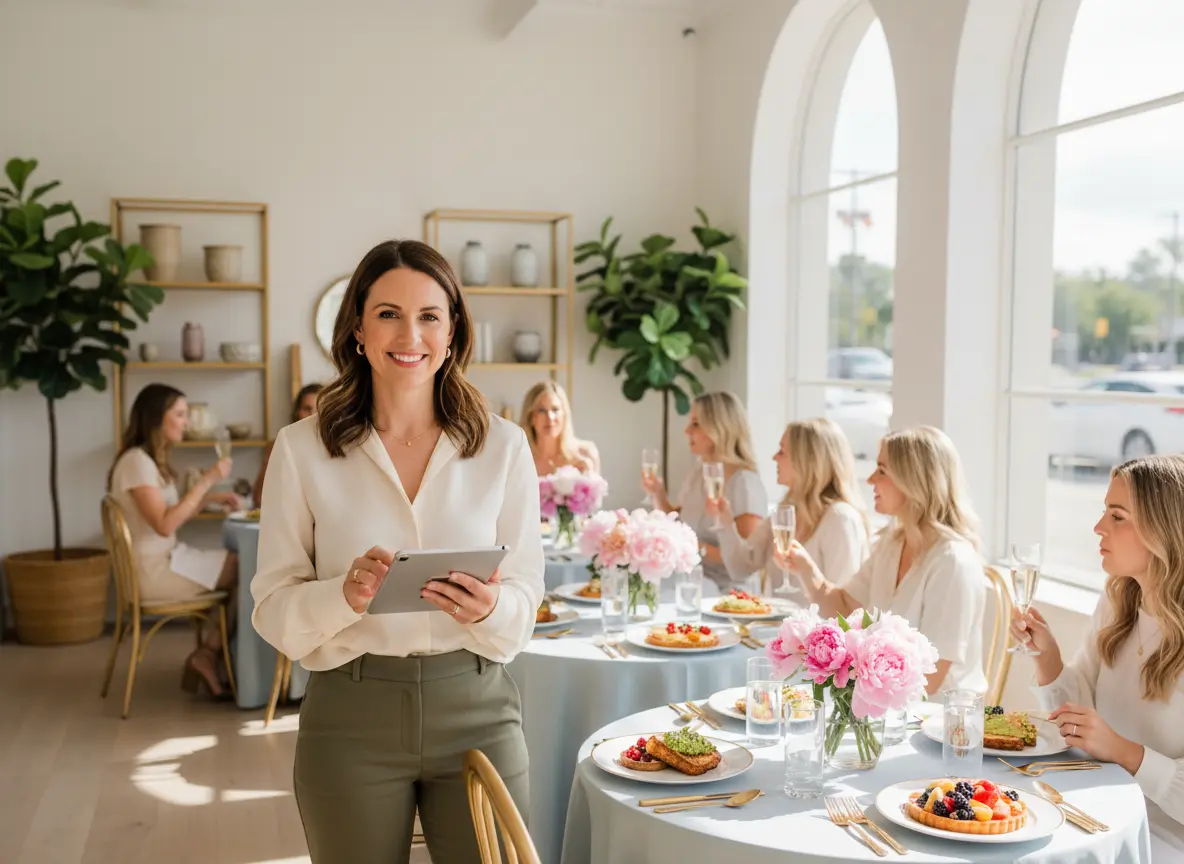
Beyond one-on-one anniversary experiences, consider building a small portfolio of recurring events that naturally appeal to your past wedding audience. A Valentine's Day dinner for couples. A "First Anniversary Celebration" evening with dinner and dancing, styled similarly to a wedding reception. A summer garden party open to alumni couples and their friends.
These types of events serve double duty: they give past clients a low-barrier reason to walk back through your doors, and they expose your venue to a fresh wave of potential future wedding and event clients — the friends, siblings, and colleagues who accompany your alumni guests. It's retention and acquisition wrapped in one beautifully decorated package.
Don't Forget the Corporate Pivot
Couples often forget that their wedding venue is also a spectacular event space capable of hosting non-wedding events — because nobody told them. Be explicit about it. In your follow-up communications, mention that your venue hosts corporate dinners, product launches, team retreats, and holiday parties. Many of your past wedding clients are professionals with access to company event budgets, and they already trust and love your space. You're not selling them on an unknown quantity — you're reminding them that a resource they already adore is available for their professional life too.
A short, well-written email about your corporate event capabilities — sent to your past wedding client list every September as companies begin planning year-end events — can be one of the highest-ROI communications you send all year.
Quick Reminder About Stella
Stella is an AI robot employee and phone receptionist that works for your venue 24/7 — greeting visitors at your kiosk, answering every incoming call with full knowledge of your packages and policies, collecting client information through intake forms, and keeping your CRM organized without any extra effort from your team. At just $99/month with no upfront hardware costs, she's the kind of staff member who never takes a vacation day, never misses a follow-up opportunity, and never forgets a client detail. For venue owners trying to build long-term client relationships at scale, that kind of reliable, always-on presence matters.
Start Small, Stay Consistent, and Watch the Bookings Stack Up
Turning one-time wedding clients into repeat event customers isn't about grand gestures or expensive loyalty programs. It's about doing a few simple things consistently well: documenting the right information from day one, following up in ways that feel personal rather than promotional, creating packages that give people a reason to return, and building an events calendar that keeps your venue relevant in your clients' lives long after the honeymoon phase ends.
Here's your action plan to get started:
- Audit your current follow-up process. If you don't have one, build a simple three-touch sequence: post-event thank you, one-month check-in, and anniversary outreach.
- Set up a CRM with fields for anniversary date, event style preferences, key contacts, and referral potential. Use it religiously.
- Create a loyalty package for past wedding clients and start presenting it as part of your standard post-event experience.
- Build one annual event designed specifically for past couples — whether it's a Valentine's dinner or an anniversary celebration night — and market it exclusively to your alumni list first.
- Send a corporate capabilities email to your past client list this September and see what comes back.
The couples who chose your venue for the most important day of their lives already believe in what you've built. They just need a little reminding — and a good reason — to come back. Give them both, and you'll find that the "one and done" model is entirely optional.