The Great Booking Debate: Online vs. Phone
Picture this: it's 11:47 PM, and a potential customer is lying in bed, phone in hand, desperately trying to book an appointment with your business. If you only accept phone calls during business hours, that customer is either going to set a reminder (which they'll forget) or — more likely — book with your competitor who has online scheduling. On the other hand, some customers still want to talk to a real person before handing over their time and money. Go figure.
The Case for Online Booking
Convenience Is King — and Your Customers Know It
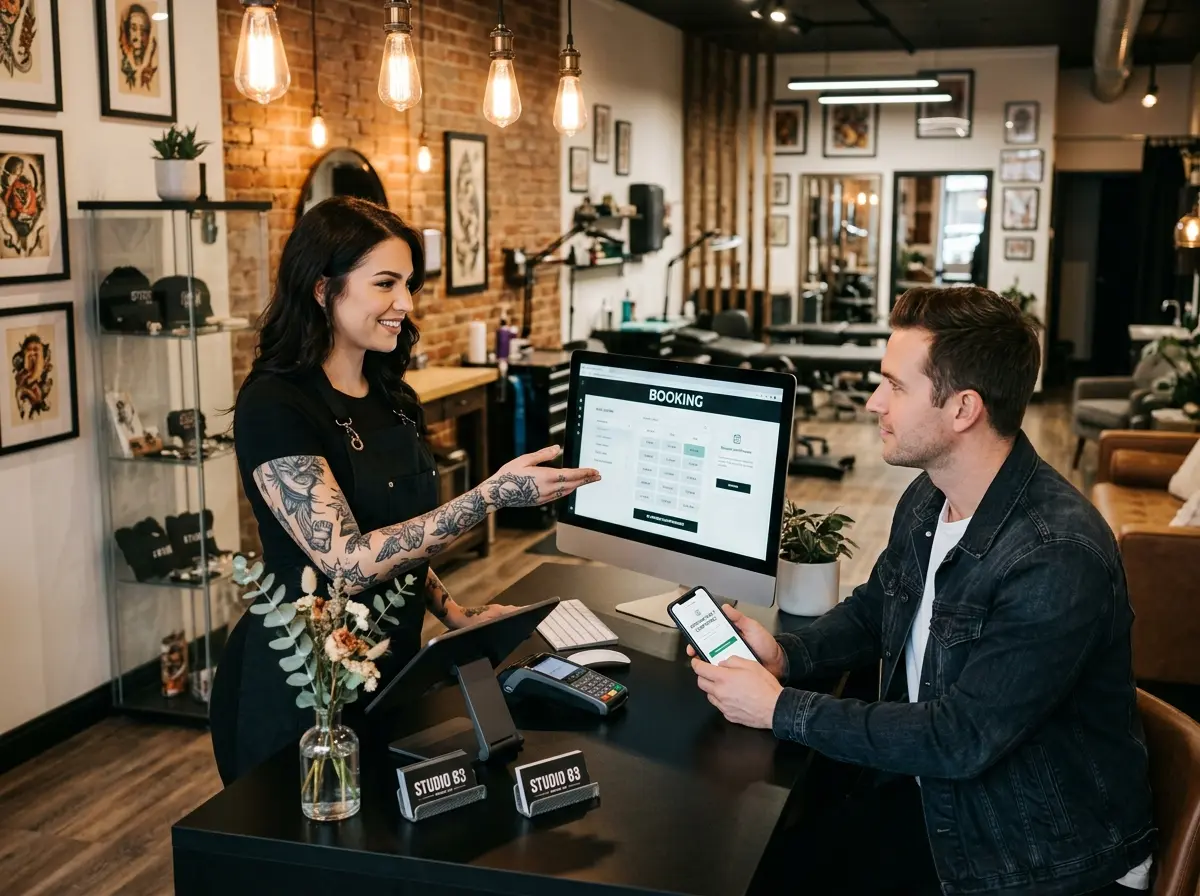
Online booking has exploded in popularity for one simple reason: people are busy, impatient, and increasingly allergic to phone calls. According to a study by Accenture, 77% of patients (and the trend extends well beyond healthcare) prefer to book appointments online rather than by phone. Younger demographics, particularly Millennials and Gen Z, often won't even consider a business that doesn't offer digital scheduling. If you run a salon, gym, spa, or medical office and you're still phone-only, you're essentially putting up a velvet rope that a significant chunk of your potential customers won't bother crossing.
Online booking platforms also work around the clock. Your scheduling page doesn't need a lunch break, doesn't call in sick on Mondays, and doesn't put customers on hold while it finishes a conversation with someone else. For service-based businesses with predictable appointment slots, this kind of self-service convenience can dramatically increase booking volume — sometimes by 20–30% — simply by being available when customers actually want to book.
Operational Efficiency and Reduced No-Shows
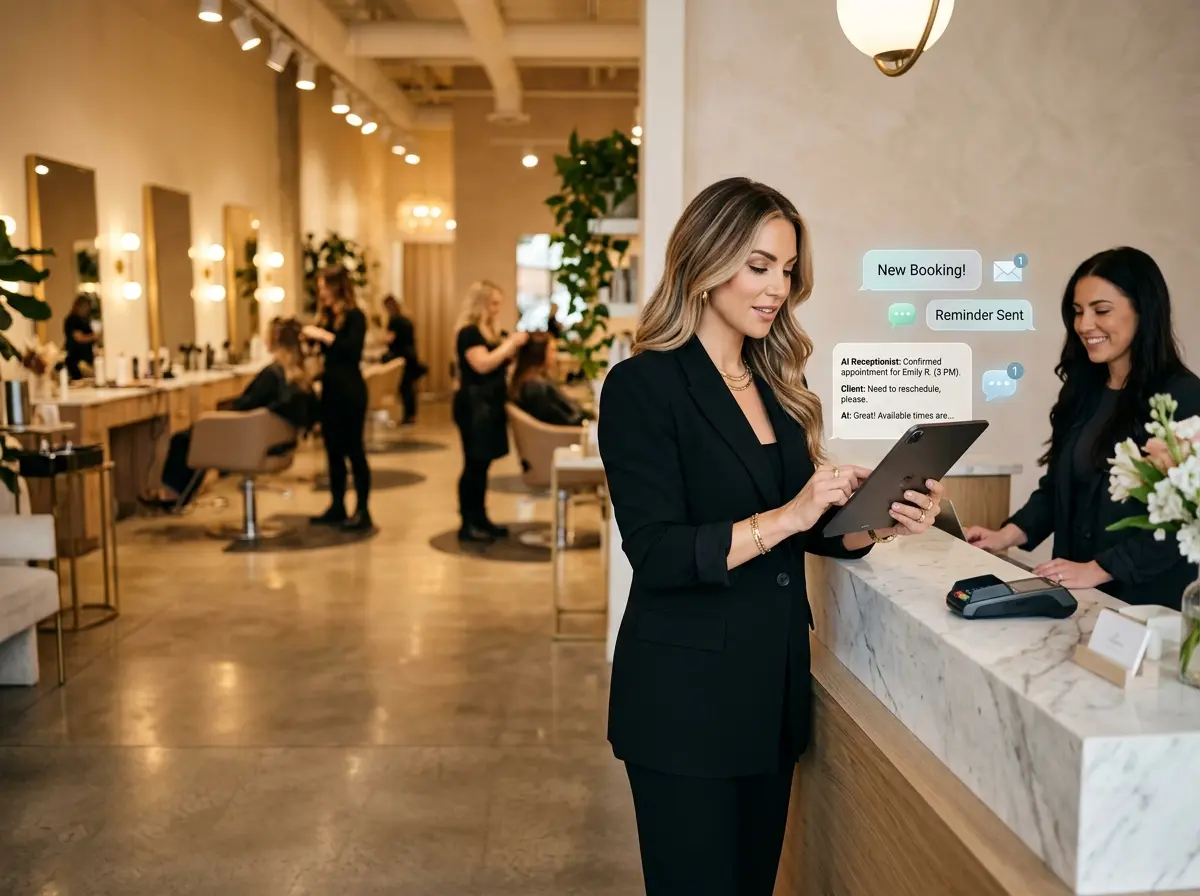
One underrated advantage of online booking is the automation that comes with it. Most platforms send automatic confirmation emails and SMS reminders, which can reduce no-show rates by up to 29% according to industry data. That's not a small number — every no-show is lost revenue, and if you're in a high-demand industry like a medical office or popular salon, a last-minute cancellation without a replacement booking stings.
When Online Booking Might Not Be Enough
Where Stella Fits Into Your Booking Strategy
Never Miss a Booking Opportunity — Day or Night
Here's the dirty little secret of phone-only booking: you're missing calls. According to various small business studies, businesses miss up to 62% of incoming calls — and most callers won't leave a voicemail. That's a staggering number of potential bookings walking right out the (virtual) door. This is where Stella, the AI robot employee and phone receptionist, becomes genuinely useful. Stella answers every call, 24/7, with full knowledge of your services, pricing, hours, and promotions. She can handle customer intake through conversational forms, collect the information you need to confirm a booking, and even forward calls to human staff when the situation calls for it.
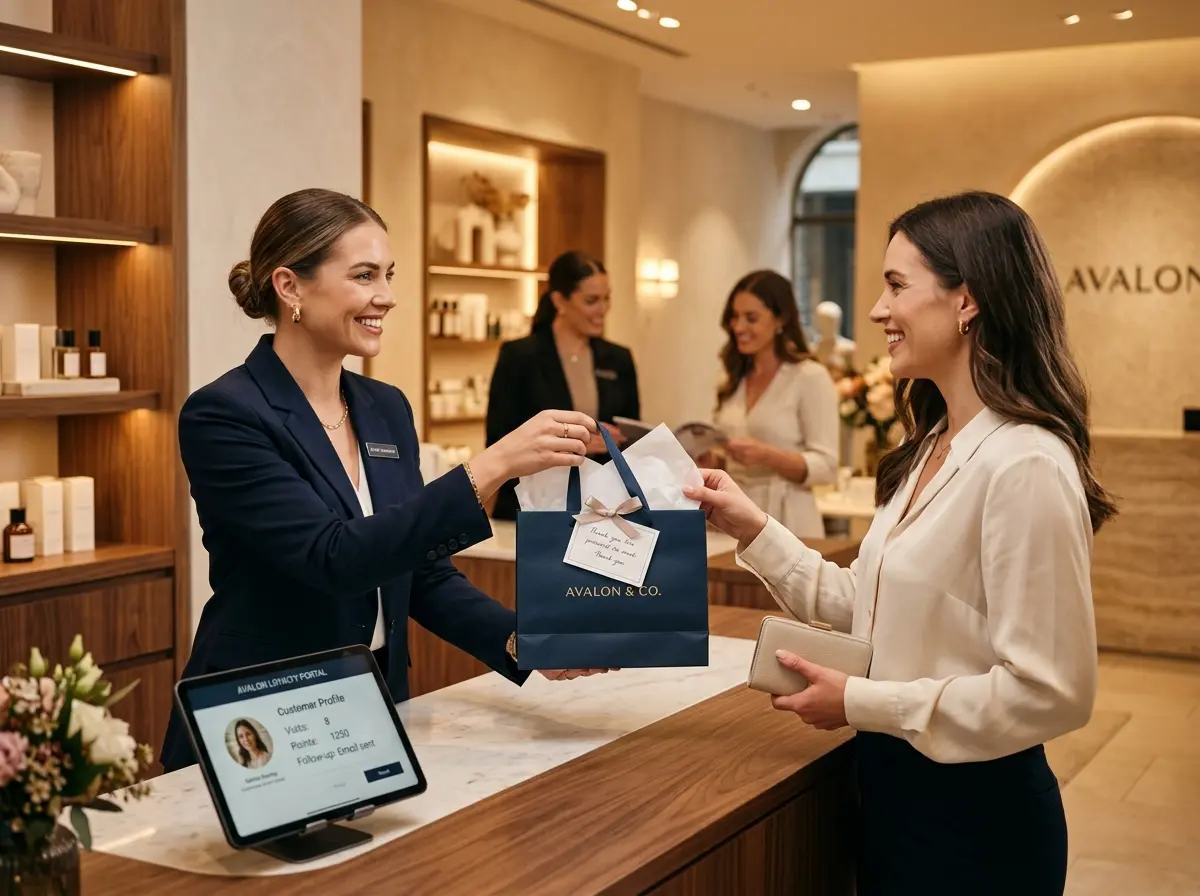
For businesses with a physical location, Stella also operates as a friendly in-store kiosk — greeting walk-ins, answering questions, and proactively promoting your current deals. If a customer walks in unsure about booking a service, Stella can walk them through their options right then and there. Her built-in CRM captures customer information across every interaction — phone, kiosk, and web — so you always know who you're talking to and what they need. At $99/month with no hardware costs, she's a practical addition for businesses that want to stop hemorrhaging missed bookings.
The Case for Phone Booking (and Why It's Not Dead Yet)
The Human Touch in High-Stakes Industries
Let's be clear: phone booking is not obsolete. For certain industries, it's still the gold standard. Law firms, medical specialists, financial advisors, and high-end service providers often deal with clients who have complex, sensitive, or highly specific needs. These customers want to speak with someone before committing — they need to ask questions, gauge professionalism, and feel confident they're in good hands. A slick online booking page can actually feel too impersonal for these interactions.
Phone Booking as a Trust Builder
There's also a trust dimension that often gets overlooked. For new customers who discovered your business through a Google search or social media ad, a real phone conversation can be the thing that converts a curious browser into a confirmed booking. It signals that there's a real, accessible business behind the website. For local service providers — plumbers, electricians, personal trainers — the phone call is often where the relationship begins. That said, the key word here is accessible. If your phone rings out, goes to a generic voicemail, or gets answered inconsistently, the trust-building opportunity evaporates. Accessibility matters more than the medium itself.
The Hybrid Approach: Best of Both Worlds
A Quick Reminder About Stella
Stella is an AI robot employee and phone receptionist designed for businesses of all sizes — from solo operators to multi-location retailers. She greets customers in-store as a kiosk, answers phone calls around the clock, promotes your deals, handles intake forms, and keeps your CRM organized — all for $99/month with no upfront hardware costs. Whether your booking strategy is online, by phone, or both, Stella makes sure no customer interaction slips through the cracks.
So, Which Should You Choose?
- Go heavy on online booking if you run a salon, spa, gym, fitness studio, or any appointment-based business with straightforward scheduling. Your customers are already looking for it.
- Prioritize phone accessibility if you're in law, specialty medicine, high-end auto services, or any field where consultations precede commitments. But make sure that phone is actually answered.
- Offer both channels if your customer base is diverse, your services vary in complexity, or you simply can't afford to alienate either camp — which, honestly, describes most small businesses.
- Audit your current setup before making any changes. Look at where bookings are dropping off, how many calls go unanswered, and what your customers are actually asking when they do reach you.