So You're Running a Retail Business in 2025 — Have You Met Your New Digital Workforce?
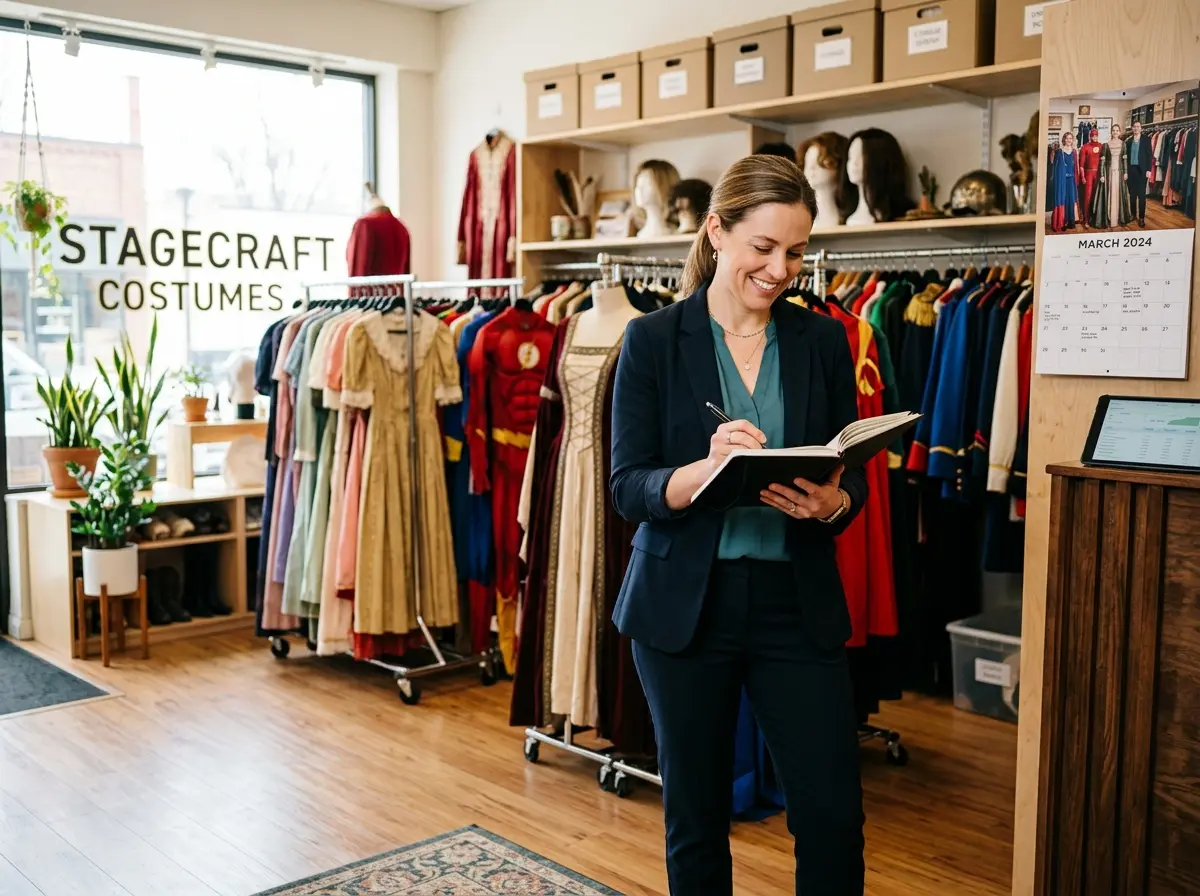
Let's be honest: running an independent retail store in 2025 is not for the faint of heart. You're competing with Amazon's same-day delivery, big-box stores with armies of staff, and an algorithm that somehow always knows what your customers want before they do. Meanwhile, you're juggling inventory, managing employees, handling customer questions, answering the phone, and probably also mopping the floor. No big deal.
Here's the good news — AI tools have quietly (and not so quietly) matured into genuinely useful business assets, and independent retailers are increasingly finding that the technology gap between them and the big players is shrinking fast. The right AI stack in 2025 doesn't require a tech department, a venture capital budget, or a PhD. What it requires is knowing where to look and being willing to let go of the "we've always done it this way" mindset long enough to try something new.
This post breaks down the AI tools every independent retailer should know about right now — the ones that actually move the needle on revenue, efficiency, and customer experience. Let's dig in.
AI Tools That Streamline Day-to-Day Operations
Before we get to the flashy stuff, let's talk about operations — the unglamorous backbone of every retail business. This is where AI quietly earns its keep, automating the repetitive and reducing the costly.
Inventory and Demand Forecasting
Overstock and understock are the twin villains of retail. Order too much and you're staring at dead inventory that ate your cash flow. Order too little and you're turning away customers and handing sales to your competitors. AI-powered inventory management tools like Brightpearl, Cin7, and inFlow use historical sales data, seasonal trends, and even external signals like weather patterns to recommend smarter reorder points. For a boutique owner who's been running inventory on gut instinct and a spreadsheet, this alone can be a game-changer. Some retailers report reducing excess inventory by 20–30% after adopting demand forecasting tools — which translates directly into freed-up cash and less end-of-season panic discounting.
AI-Powered Scheduling and Staff Management
Labor is one of your biggest costs, and traditional scheduling is basically just guessing. AI scheduling tools like When I Work and Deputy analyze foot traffic patterns, sales data, and employee availability to build smarter schedules that align labor hours with actual demand. The result? You're not overstaffed on slow Tuesday mornings or scrambling on a busy Saturday afternoon. These tools also reduce the back-and-forth of shift swaps and time-off requests, which is one of those low-glamour time sinks that adds up to hours of your week you'll never get back.
Automated Bookkeeping and Financial Insights
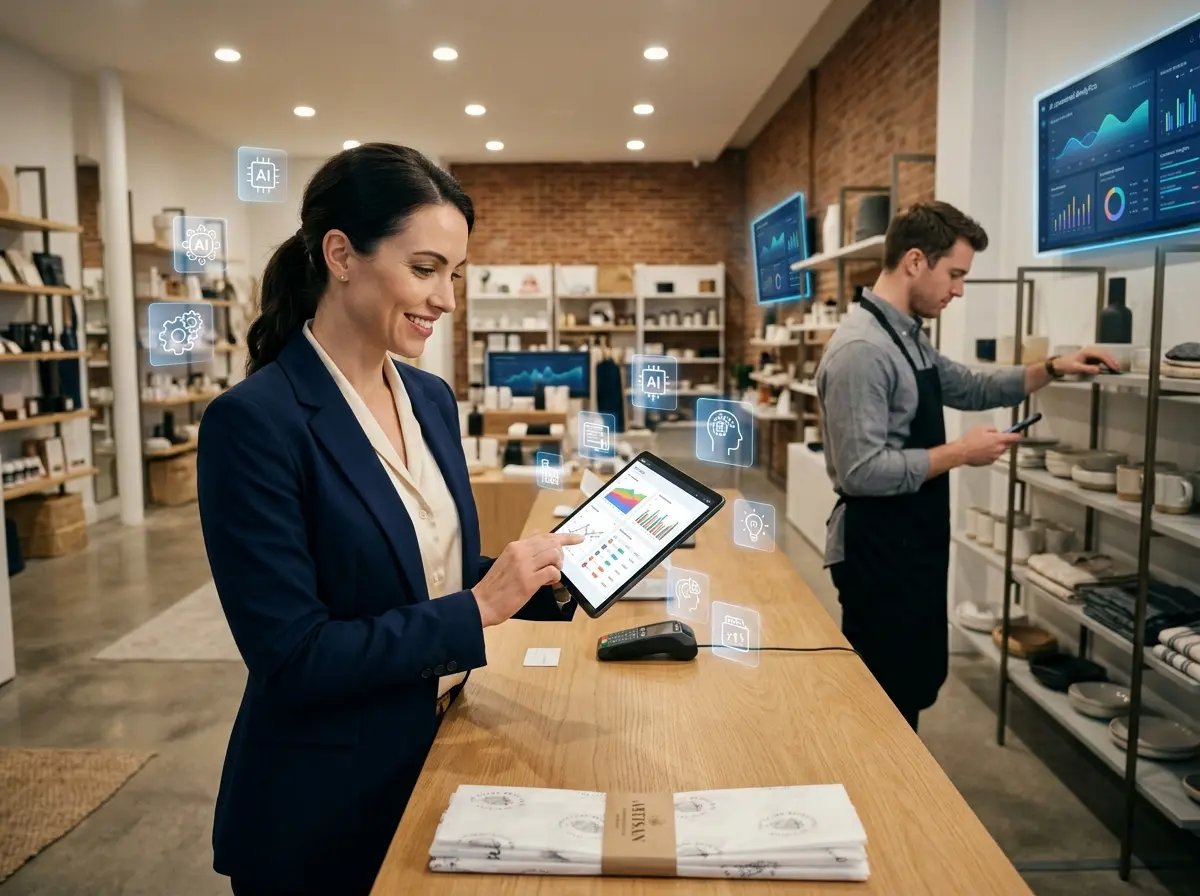
Tools like QuickBooks with its AI features and Dext (formerly Receipt Bank) are eliminating the shoebox-full-of-receipts approach to accounting that somehow still survives in many small businesses. AI categorizes transactions, flags anomalies, reconciles accounts, and gives you a real-time view of your financial health. Pair this with AI-driven reporting dashboards and you can actually see — at a glance — which product categories are performing, where your margins are thinning, and whether that promotional discount campaign last month actually paid off. Spoiler: sometimes it doesn't, and it's better to know that than to keep doing it.
Smarter Customer Engagement With AI — And Where Stella Comes In
This is where things get genuinely exciting for independent retailers. Customer engagement used to mean hiring more staff, training them, and then watching them leave six months later. AI changes that equation entirely.
Meeting Customers Where They Are — In Store and On the Phone
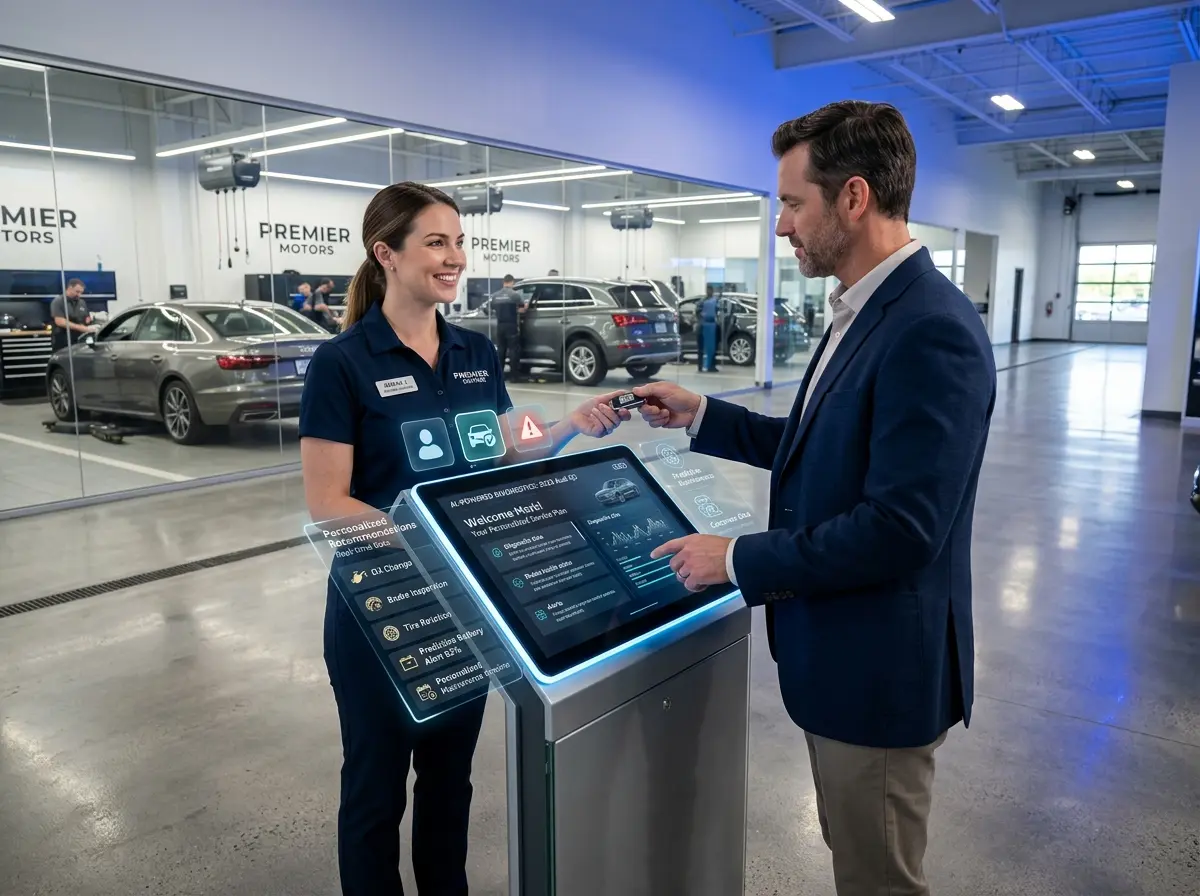
Stella is an AI robot employee and phone receptionist designed specifically for businesses like yours. Inside your store, she operates as a human-sized kiosk that greets customers proactively, answers product questions, highlights current promotions, and upsells and cross-sells with the consistency that human staff — bless their hearts — rarely maintain across every shift. She never has an off day, never forgets to mention the sale, and never gets distracted by a personal text message mid-conversation.
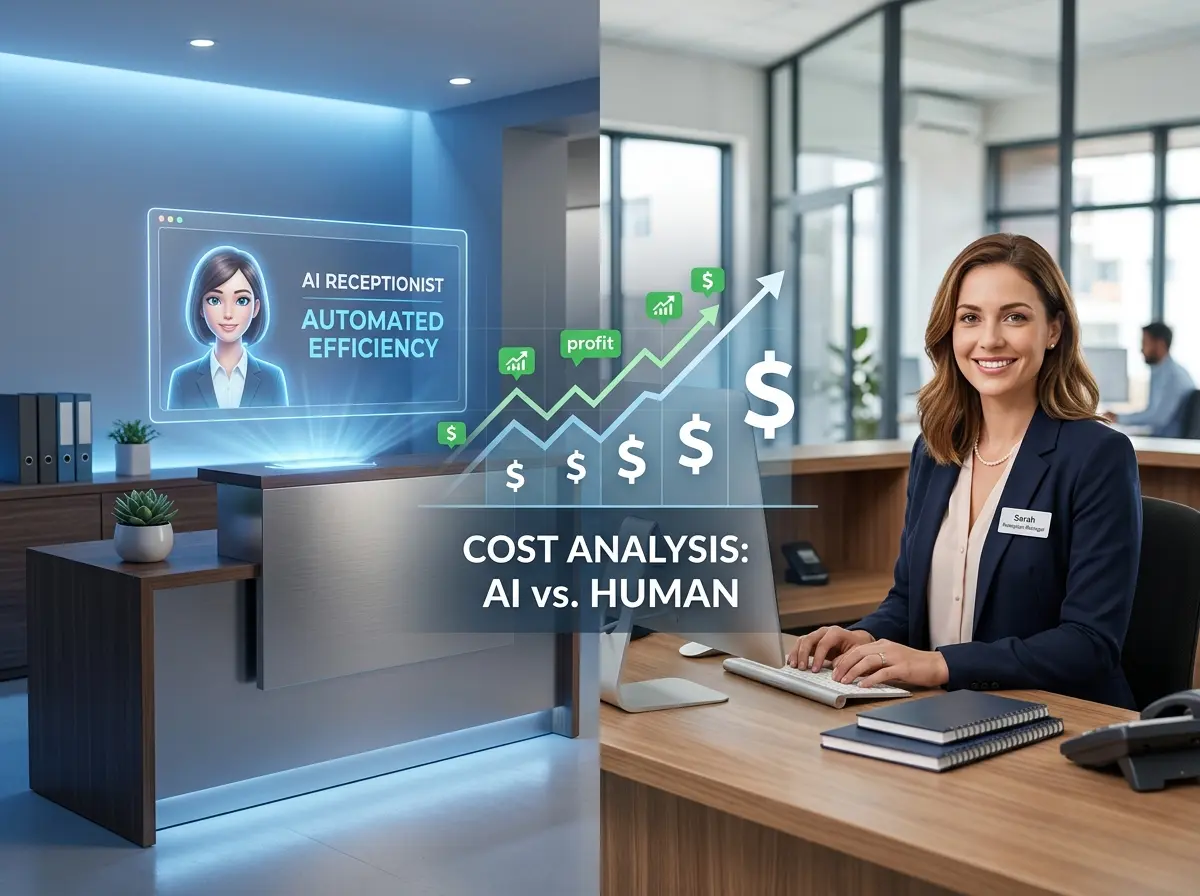
On the phone side, Stella answers calls 24/7 with the same business knowledge she uses in person — store hours, product availability, policies, promotions — and can forward calls to staff based on conditions you configure, or handle everything herself. She even takes voicemails and delivers AI-generated summaries with push notifications to your managers. Her built-in CRM captures customer information through conversational intake forms, so every interaction becomes actionable data. At $99/month with no upfront hardware costs, she's the most cost-effective employee you'll ever hire.
AI Tools for Marketing and Customer Retention
Getting a customer through your door once is a win. Getting them to come back — and bring their friends — is the actual business. AI marketing tools have become remarkably accessible for independent retailers, and they're delivering results that used to require a full-time marketing team.
Personalized Email and SMS Marketing
Platforms like Klaviyo and Omnisend use AI to segment your customer base and send hyper-personalized campaigns based on purchase history, browsing behavior, and engagement patterns. Instead of blasting your entire list with a generic "20% off this weekend" email, you're sending the right offer to the right customer at the right time. A customer who bought a coffee maker from you six months ago gets a targeted email about new coffee accessories. A lapsed customer who hasn't visited in 90 days gets a win-back offer. The difference in open rates and conversion between generic and personalized campaigns is substantial — some retailers see 3–5x better performance from segmented AI-driven campaigns compared to traditional batch-and-blast approaches.
AI-Generated Content and Social Media
Let's acknowledge the elephant in the room: most independent retailers know they should be posting consistently on social media and sending regular emails, and most independent retailers are not doing either of those things consistently. AI tools like ChatGPT, Jasper, and Canva's AI features dramatically reduce the time and creative barrier to producing quality content. You can generate a week's worth of social media captions, a monthly newsletter, and product descriptions in a fraction of the time it used to take. This isn't about removing the human touch — it's about removing the blank-page paralysis that kills good intentions. Use AI as your first draft, add your personality and local voice, and hit publish instead of procrastinating.
Loyalty Programs Powered by AI
Traditional punch cards are charming, but they don't give you data. AI-powered loyalty platforms like Smile.io and Yotpo track customer behavior, predict churn, and automatically trigger rewards or incentives at the right moment in the customer journey. When someone is about to lapse, the system nudges them back with a personalized offer before they've mentally moved on. When a high-value customer hits a milestone, they get recognized in a way that makes them feel seen. This kind of relationship-building at scale used to be reserved for enterprise retailers. In 2025, it's available to the boutique on Main Street.
Quick Reminder About Stella
Stella is an AI robot employee and phone receptionist that works inside your physical store as a friendly, human-sized kiosk — and answers your phones 24/7 with consistent, knowledgeable, professional service. She handles customer questions, promotes your deals, collects customer information, and manages contacts through her built-in CRM, all for $99/month with no hardware costs and no onboarding drama. Think of her as the employee who's always on time, always on-brand, and never calls in sick.
Start Small, Move Fast, and Don't Get Left Behind
If there's one thing to take away from everything above, it's this: the AI tools available to independent retailers in 2025 are practical, affordable, and increasingly necessary. The businesses that thrive in the next five years won't necessarily be the ones with the biggest budgets — they'll be the ones that adopted smarter tools faster and used the time saved to focus on what only humans can do: building relationships, curating experiences, and showing up for their communities in ways no algorithm can replicate.
Here's a simple action plan to get started without overwhelming yourself:
- Audit your biggest pain points first. Are you losing time to phone calls? Start with an AI receptionist. Is inventory chaos costing you money? Start there. Don't try to overhaul everything at once.
- Pick one tool from each category above and commit to a proper trial — at least 60–90 days. Most of these platforms offer free trials or low-cost entry points specifically designed for small businesses.
- Measure before and after. Time saved, revenue generated, customer satisfaction scores — whatever matters to your business. AI tools are only worth keeping if they're actually producing results for your specific context.
- Don't wait for perfect. The retailers who are winning with AI right now are not the ones who had a flawless implementation plan. They're the ones who started, adjusted, and kept going.
The playing field for independent retail has never been more level — and it's only going to get more interesting from here. The only real mistake you can make in 2025 is deciding that AI is "not for your type of business." It is. It absolutely is. Now go prove it.