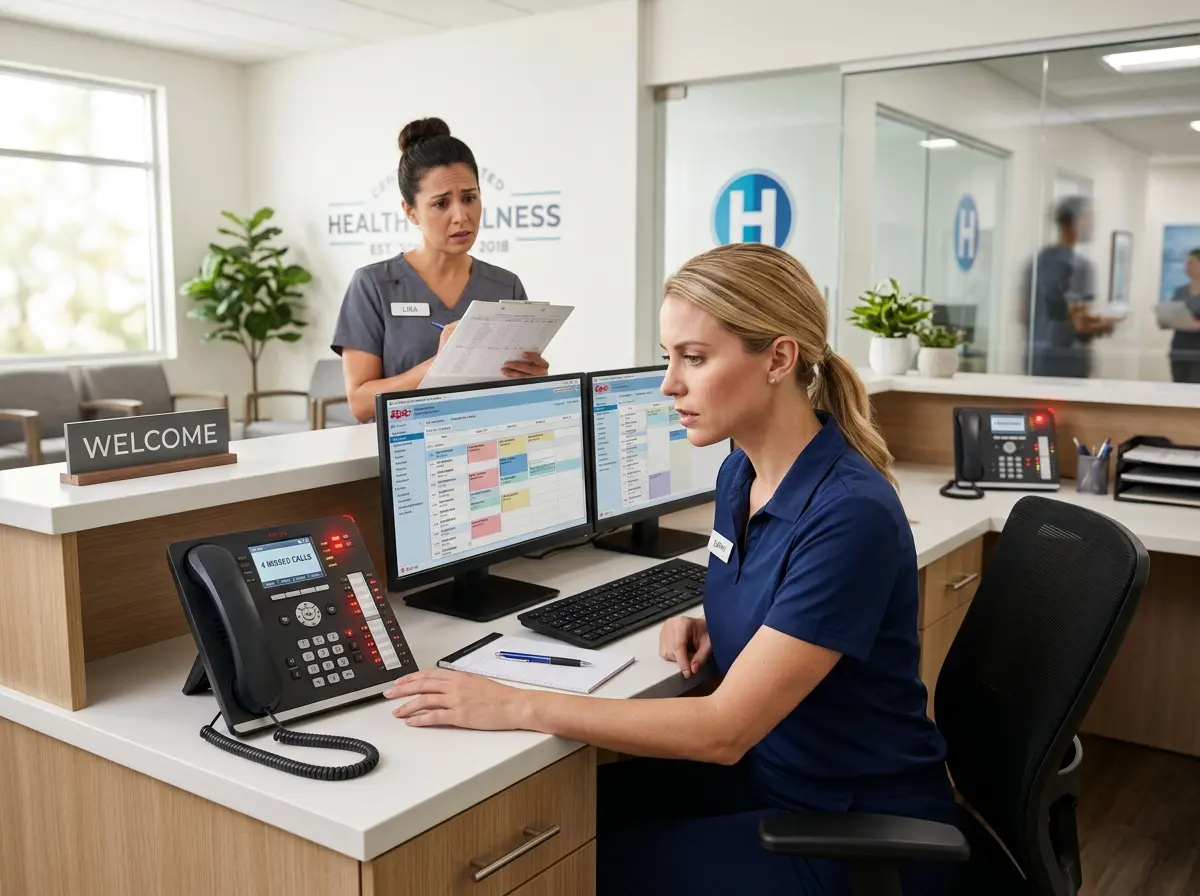
The Call You Missed Is Now a Patient Your Competitor Has
Picture this: A potential patient — let's call her Karen — has been putting off scheduling that overdue appointment for three weeks. Today, she finally picked up the phone. She called your office. It rang five times, went to a generic voicemail, and she hung up. By the time your front desk called back two hours later, Karen had already booked with the practice down the street.
And just like that, you didn't lose a phone call. You lost a patient — possibly for life.
In the medical industry, phone management isn't just a front-desk inconvenience. It's a direct line (pun intended) to revenue, patient retention, and your practice's reputation. Studies suggest that up to 67% of callers who can't reach a business on the first try will not call back. In healthcare, where trust and accessibility are everything, that number should keep you up at night — or at the very least, prompt you to rethink how your office handles incoming calls.
This guide breaks down exactly why missed calls are costing your medical practice more than you realize, what a solid phone management system looks like, and how to fix the gaps before Karen finds a new doctor.
The Real Cost of Missed Calls in a Medical Practice
Most practice managers think of a missed call as a minor inconvenience. It's not. It's a missed new patient, a delayed appointment, a frustrated existing patient, and — depending on the situation — a potential liability. The financial and reputational stakes in healthcare are uniquely high, and phone communication sits right at the center of it all.
New Patient Acquisition Lost in Seconds
Acquiring a new patient isn't cheap. Between marketing spend, referral programs, and community outreach, practices routinely invest $150 to $300 or more per new patient acquisition. All of that investment collapses the moment that patient hits a voicemail they didn't expect. Healthcare consumers — especially younger ones — have near-zero tolerance for friction. They want to be greeted, heard, and scheduled quickly. If your phone system doesn't deliver that experience, they'll find one that does, and they'll probably leave a review about it too.
Existing Patients Aren't as Loyal as You Think
There's a common assumption in medical offices that existing patients will put up with poor communication because switching doctors is a hassle. That was true ten years ago. Today, with telehealth options, urgent care clinics on every corner, and online booking platforms making provider-switching effortless, patient loyalty is earned continuously — not granted permanently. A patient who can't reach your office to reschedule an appointment, ask a billing question, or request a prescription refill is a patient quietly evaluating their options.
Staff Burnout and the Cycle of Phone Chaos
Here's a problem that doesn't show up on a revenue report but absolutely shows up in your team's morale: when phones aren't managed well, the burden falls entirely on your front desk staff. They're simultaneously checking in patients, handling insurance questions, managing the waiting room, and answering a phone that never stops ringing. This leads to rushed calls, mistakes, and — inevitably — more missed calls. It's a cycle that no amount of "we're a family here" team meetings will fix. The solution is structural, not motivational.
How Smarter Tools Can Close the Gap
The good news is that fixing your phone management doesn't require hiring three additional receptionists or rebuilding your entire office workflow from scratch. The right technology can handle the volume, the after-hours calls, and the routine inquiries — freeing your human staff to focus on the patients standing right in front of them.
Meet the AI Receptionist That Doesn't Call in Sick
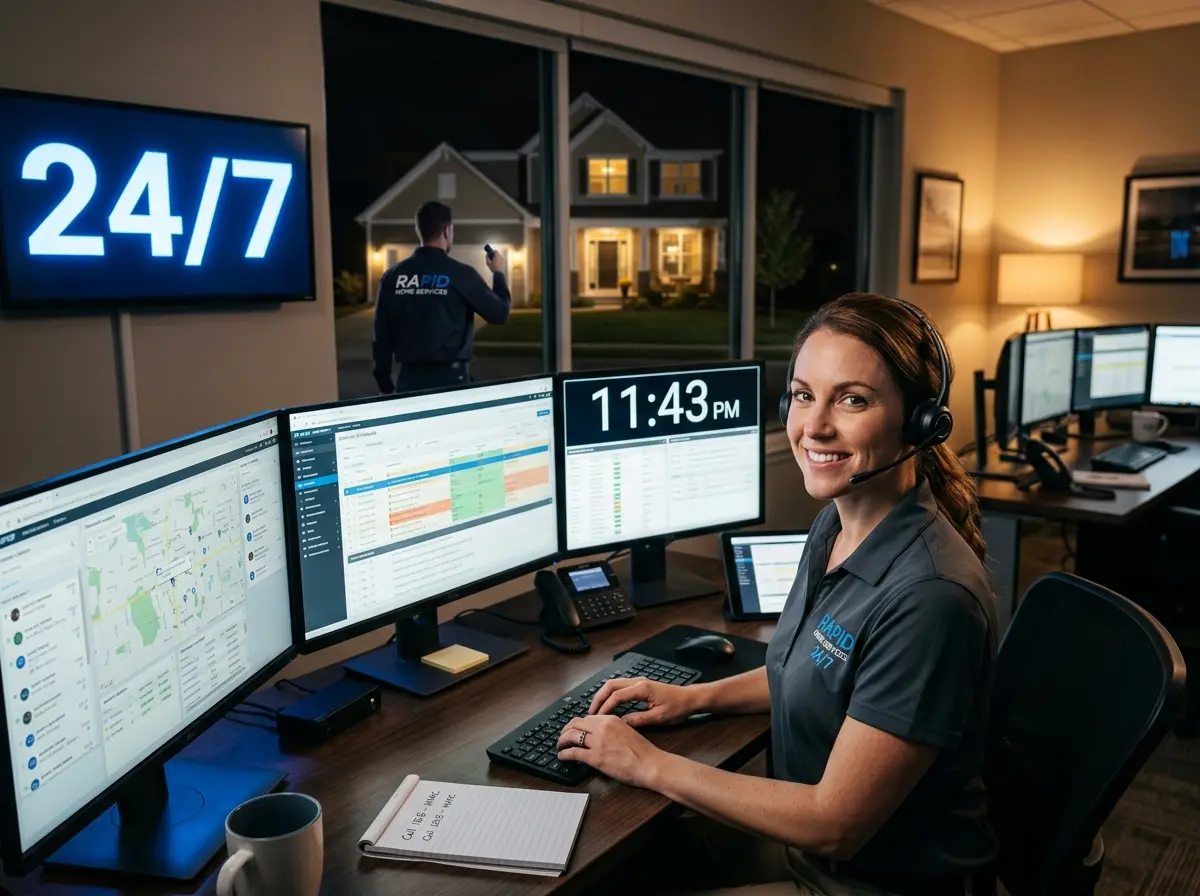
This is where Stella, the AI robot employee and phone receptionist, enters the picture. Stella answers calls 24/7 with full knowledge of your practice — your hours, services, providers, policies, and current promotions — and handles them with a natural, conversational tone that doesn't sound like a phone tree from 2003. She can collect patient information through conversational intake forms during the call, forward calls to human staff when the situation requires it, and send AI-generated voicemail summaries with push notifications directly to your managers so nothing slips through the cracks. For practices with a physical location, Stella also operates as a friendly in-person kiosk, greeting patients as they arrive and answering questions before they even reach the front desk. Her built-in CRM captures patient contact details, call notes, and AI-generated profiles — giving your team the context they need without the data-entry headache.
Building a Phone Management System That Actually Works
Technology aside, great phone management in a medical office comes down to thoughtful systems and clear standards. Here's how to build one that holds up under the daily pressure of a busy practice.
Establish Clear Call Handling Protocols
Every call that comes into your office should have a defined path. Who answers it? What information is collected? How are urgent calls triaged from routine scheduling calls? If the answer to any of those questions is "whoever is available does their best," you don't have a protocol — you have controlled chaos. Start by mapping your most common call types: new patient inquiries, appointment scheduling, prescription refill requests, billing questions, and clinical concerns. Each category should have a scripted workflow, a responsible party, and a defined response timeframe. Post it. Train to it. Review it quarterly.
Set After-Hours Expectations — And Then Exceed Them
Most patients understand that your office isn't staffed at 10 PM on a Tuesday. What they don't forgive is radio silence. If a patient calls after hours, they should receive a clear, warm message that tells them exactly when they'll hear back, how to reach emergency services if needed, and ideally, a way to leave information that will be reviewed first thing in the morning. Even better, an AI-powered solution can handle those after-hours calls in real time — collecting the patient's concern, scheduling a callback, or answering common questions without making them wait until morning to feel heard. The bar for after-hours communication is genuinely low. Clear the bar, and you stand out immediately.
Track What You Can't See to Fix What You Can't Explain
If you don't know how many calls your office receives per day, what percentage are answered on the first ring, or how many go to voicemail and never get returned — you are managing blind. Call tracking and analytics don't require enterprise-level software budgets. Even a basic call log review each week can surface patterns: peak call times when you're consistently understaffed, common questions that could be handled with a FAQ on your website, or callback delays that are longer than your team realizes. Data transforms phone management from a feelings-based conversation to a fixable operational problem.
Quick Reminder About Stella
Stella is an AI robot employee and phone receptionist built for businesses of all types — including medical offices that are tired of playing phone tag with their own patients. At just $99/month with no upfront hardware costs, she answers calls around the clock, greets patients in person at your kiosk, manages intake and contact information through her built-in CRM, and keeps your team informed with smart summaries and notifications. She doesn't take lunch breaks, doesn't get overwhelmed on Monday mornings, and has never once left a patient on hold while she hunted for a pen.
Your Next Steps Start With One Honest Audit
Here's the actionable truth: you cannot improve what you haven't measured. This week, task someone on your team with a simple phone audit. Track how many calls came in, how many were answered live, how many went to voicemail, and how many received a callback within two hours. That data alone will show you exactly where your practice is losing patients — and make the case for fixing it far more convincingly than any blog post ever could.
From there, build your protocols, fill your after-hours gaps, and consider the tools — human or AI — that can ensure every caller gets a response that reflects the quality of care you provide in the exam room. Your phone is often a patient's very first impression of your practice. Make sure it sounds like a practice worth trusting.
Karen is still out there. She hasn't found a doctor she loves yet. Answer the phone, and she just might pick you.