So, You Own a Spa — Now What?
You've got the candles, the calming music, the eucalyptus-scented everything, and a team of talented therapists ready to melt away stress. What you might not have is a clear picture of what happens to a customer between their first curious Google search and their fifth anniversary of monthly facials with you. That gap? That's where revenue quietly slips out the door.
The customer lifecycle — the journey a person takes from "I wonder if a massage would help my back pain" to "I will not survive without my standing appointment" — isn't just a marketing buzzword. It's a roadmap. And for small spa owners who are already juggling appointments, staff, inventory, and the occasional broken hot stone warmer, having that roadmap can mean the difference between a thriving business and one that constantly feels like it's starting from scratch.
According to research from Bain & Company, increasing customer retention rates by just 5% can increase profits by 25% to 95%. Let that sink in. You don't necessarily need more new customers — you need to stop losing the ones you already have. This guide will walk you through every stage of the spa customer lifecycle and, more importantly, what to actually do at each one.
Understanding the Spa Customer Lifecycle
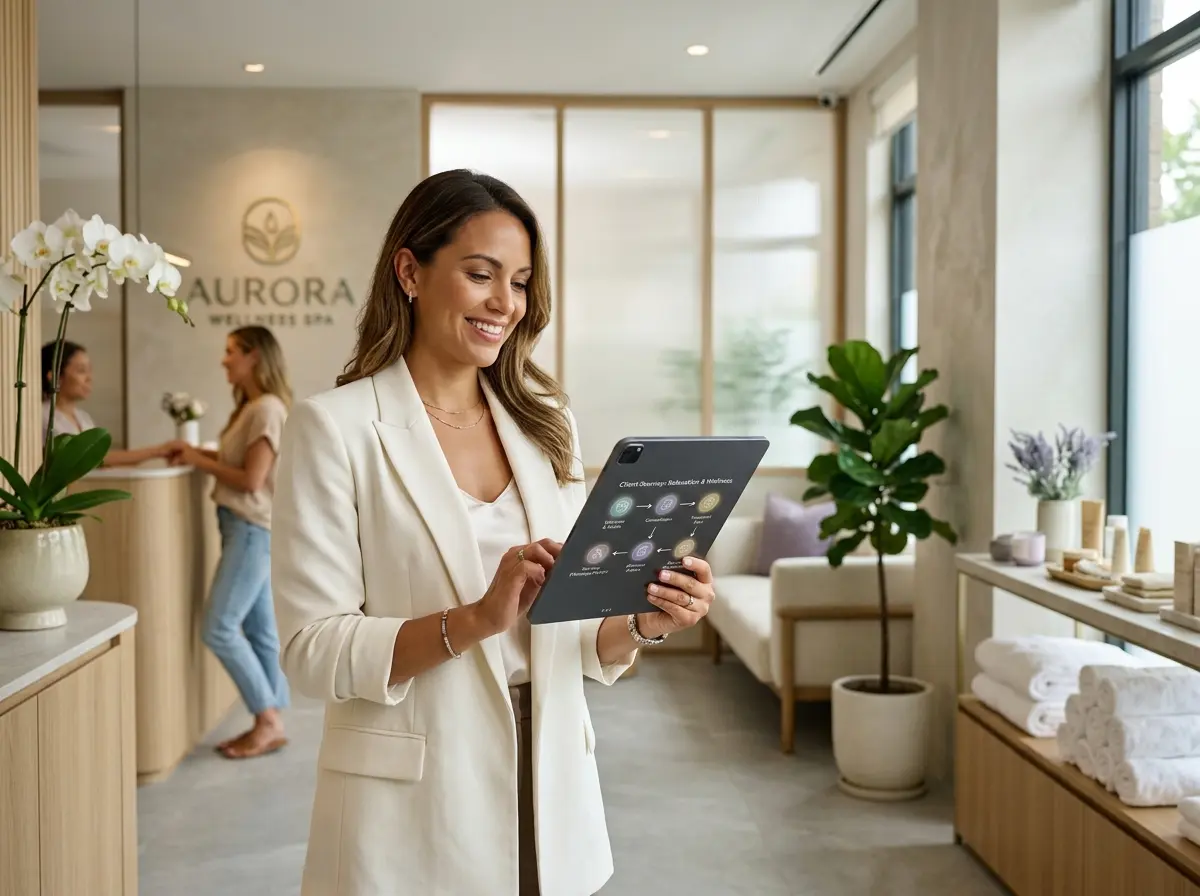
Before you can nurture customers through their journey, you need to understand what that journey looks like. For a spa, it breaks down into five distinct stages: Awareness, Consideration, Conversion, Retention, and Advocacy. Each stage has its own psychology, its own challenges, and its own opportunities for you to either win someone over or lose them forever. Let's break it down.
Stage 1: Awareness — They Don't Know You Yet
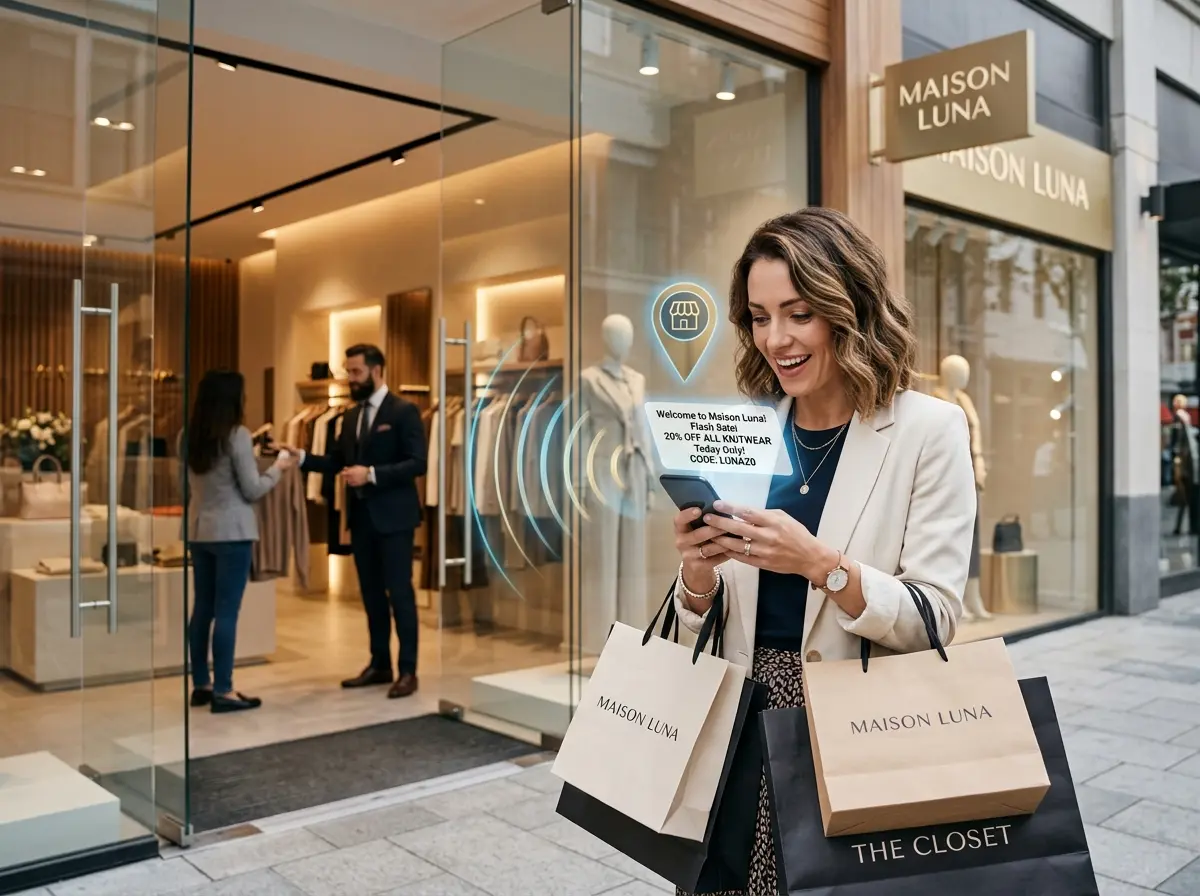
The awareness stage is when a potential customer first encounters your spa, whether that's through a Google search, a sponsored Instagram post, a recommendation from a coworker, or the sandwich board you placed outside your door. At this point, they're not thinking about booking — they're barely thinking about you at all. Your job here is simply to exist loudly enough that they notice.
Practical tactics for this stage include local SEO optimization (make sure your Google Business Profile is accurate, complete, and full of real photos), social media content that showcases your ambiance and services, and community involvement like partnering with local gyms or wellness coaches. Word-of-mouth referrals are gold at this stage, which means every single existing customer is also a marketing channel — something to keep in mind as we get to the advocacy stage later.
Stage 2: Consideration — They're Curious, Not Committed
Now they've found you. Maybe they've visited your website, read your reviews, or scrolled through your Instagram feed while sitting on their couch. They're interested, but they're also looking at three other spas in your area. This is the stage where your first impression does the heavy lifting.
Your website needs to clearly communicate your services, pricing, and what makes you different. Do you specialize in prenatal massage? Use organic products? Offer a couples' suite? Say it — loudly and clearly. Make booking look easy. And for the love of all things relaxing, make sure your phone is answered when someone calls. Studies show that 62% of calls to small businesses go unanswered, and a missed call during the consideration stage almost certainly means a booking for your competitor.
Stage 3: Conversion — They're Ready to Book
This is the moment of truth. The customer has decided they want a spa day — they just need to pull the trigger. Friction is your enemy here. If booking is complicated, if no one answers the phone, or if the process feels uncertain, they'll abandon ship. Streamline your online booking, offer clear confirmation communications, and consider a first-time visitor promotion to reduce the perceived risk of trying somewhere new. A welcome offer — like 20% off a first service — can be the nudge that turns a browser into a booked appointment.
How Smart Tools Can Help You Nurture Every Stage
Here's the honest truth: nurturing customers through multiple lifecycle stages requires consistent communication, availability, and follow-through — all things that are genuinely hard to maintain when you're also running a business with your hands. This is where the right tools stop being a luxury and start being a necessity.
Never Miss the Moments That Matter
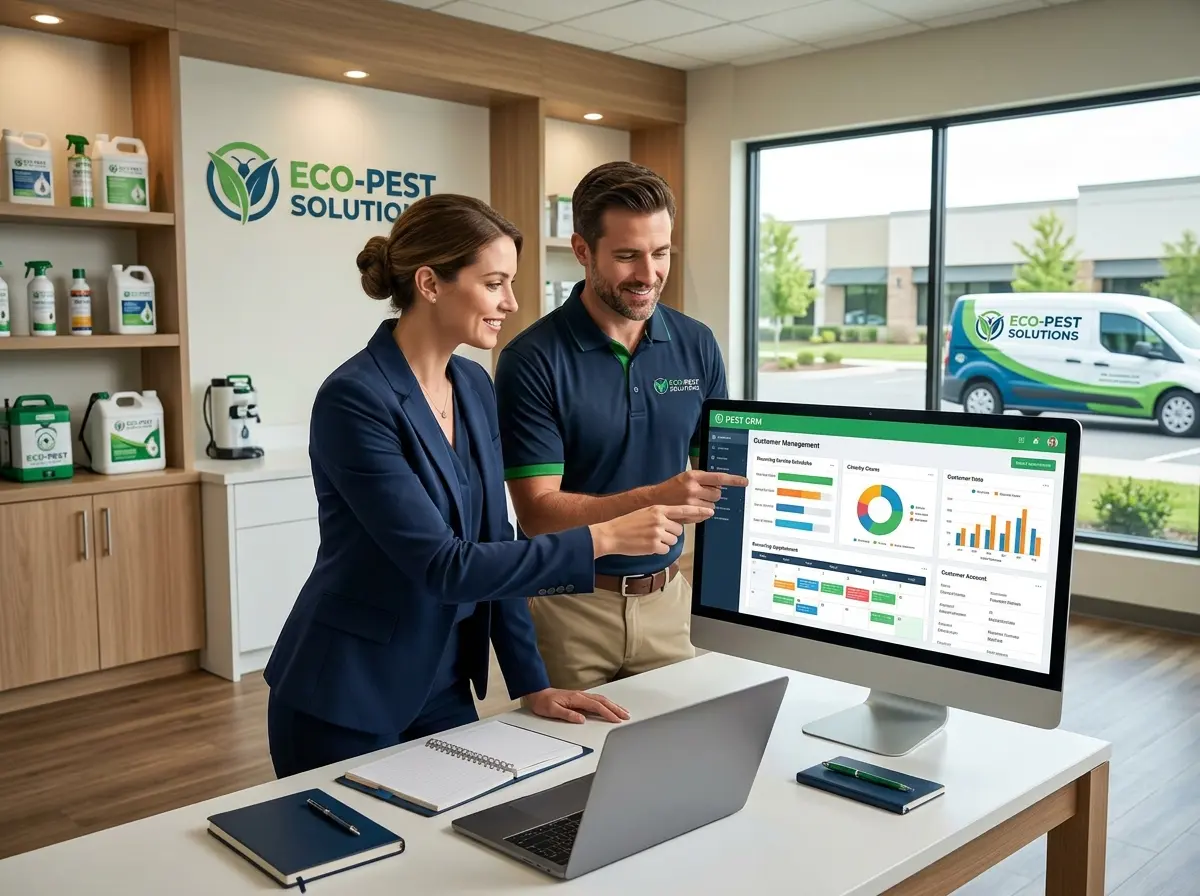
Stella, the AI robot employee and phone receptionist, is particularly useful for spa owners navigating the consideration and conversion stages. As a physical kiosk in your lobby, Stella greets walk-in visitors, answers questions about services and pricing, and promotes current specials — all without pulling your front desk staff away from an existing client. And when someone calls after hours (because people always decide they want a facial at 9pm on a Sunday), Stella answers, provides real information about your spa, and even handles intake through conversational forms. Her built-in CRM automatically captures and organizes customer information, so no lead disappears into the void. It's like having a receptionist who never sleeps, never calls in sick, and never forgets to mention the monthly membership deal.
Keeping Customers Coming Back (The Retention and Loyalty Game)
Getting a new customer through your door is expensive. Keeping them is dramatically cheaper — and more profitable. The retention stage is where small spas often drop the ball, not because they don't care, but because they get busy. A customer comes in, has a lovely experience, and then... nothing. No follow-up, no rebooking prompt, no reason to return until their stress levels hit critical mass again. Don't let that happen.
The Power of Personalization and Follow-Up
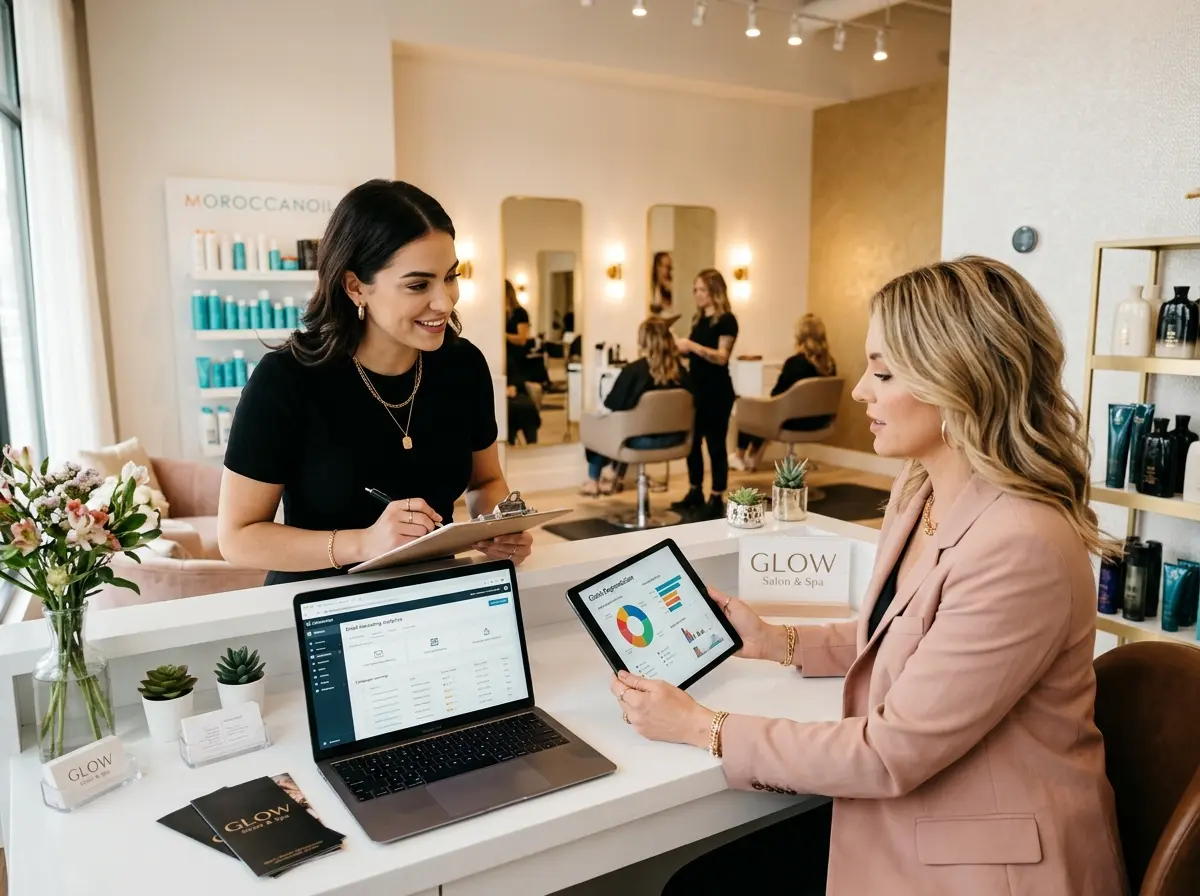
After a visit, a simple follow-up message goes a long way. Thank them for coming in, ask how they're feeling, and invite them to rebook. Better yet, make it personal — reference the service they had or suggest a complementary treatment. If a client came in for a deep tissue massage, a follow-up suggesting they might enjoy a follow-up stretching session or an aromatherapy add-on feels helpful, not salesy.
Membership and loyalty programs are also incredibly effective in the spa industry. A monthly membership that includes one service per month with a small discount creates recurring revenue for you and a reason for the client to keep coming back. Many spa owners resist memberships because they seem complicated to manage — but the lifetime value of a member versus a one-time visitor is not even close. A client who visits once a year is worth a fraction of a client who visits monthly.
Stage 4: Retention — Becoming Part of Their Routine
The goal of retention is to shift the client's mindset from "occasional treat" to "regular self-care." This takes a combination of great service (non-negotiable), consistent communication, and smart programming. Seasonal promotions, birthday offers, and exclusive member perks all reinforce the idea that your spa is their spa. Track what services each client prefers, note their allergies or sensitivities, remember their favorite therapist — these small details create the kind of loyalty that no discount can manufacture.
Stage 5: Advocacy — Turning Clients Into Champions
A truly happy spa client is one of the most powerful marketing tools in existence. They post on social media, tell their friends, and leave glowing reviews — all for free. Your job is to make the advocacy stage easy and rewarding. Ask satisfied clients for Google reviews (and make it easy by sending a direct link). Create a referral program that rewards both the referring client and the new one. Share user-generated content on your social channels. And perhaps most importantly, continue delivering exceptional experiences so there's always something worth talking about.
Quick Reminder About Stella
Stella is an AI robot employee and phone receptionist designed to support businesses exactly like yours — available as a friendly in-store kiosk and as a 24/7 phone answering solution. At just $99/month with no upfront hardware costs, she's one of the most affordable ways to ensure your spa never misses a lead, always makes a great first impression, and keeps your staff focused on what they do best: making people feel incredible.
Your Next Steps Toward a Thriving Spa Business
The customer lifecycle isn't a funnel you build once and forget. It's a living system that requires ongoing attention, adjustment, and a genuine commitment to the client experience at every stage. But the good news is that you don't have to overhaul everything at once. Start by identifying where your biggest leak is. Are you losing people in the consideration stage because calls go unanswered? Are existing clients disappearing because there's no follow-up after their visit? Pick one stage, fix it intentionally, and then move to the next.
Here's a simple action plan to get started:
- Audit your awareness: Google yourself. Is your business profile accurate? Are your reviews recent? Do you show up when someone searches "spa near me"?
- Test your consideration experience: Call your own spa during business hours — and after hours. What happens? Is the experience professional and helpful?
- Streamline conversion: Book an appointment on your own website. How many clicks does it take? How long does it take? If it's painful for you, it's worse for a new customer.
- Build a retention touchpoint: Set up a simple post-visit follow-up sequence, even if it's just a text or email sent 48 hours after an appointment.
- Create an advocacy ask: Start actively requesting Google reviews from satisfied clients. A simple, genuine ask after a great service works better than you'd think.
Running a spa is, at its core, about helping people feel better. When you build a customer lifecycle strategy that's as thoughtful and intentional as your services, you're not just growing a business — you're building a community of loyal, happy clients who genuinely can't imagine going anywhere else. And honestly? That's the best kind of business there is.