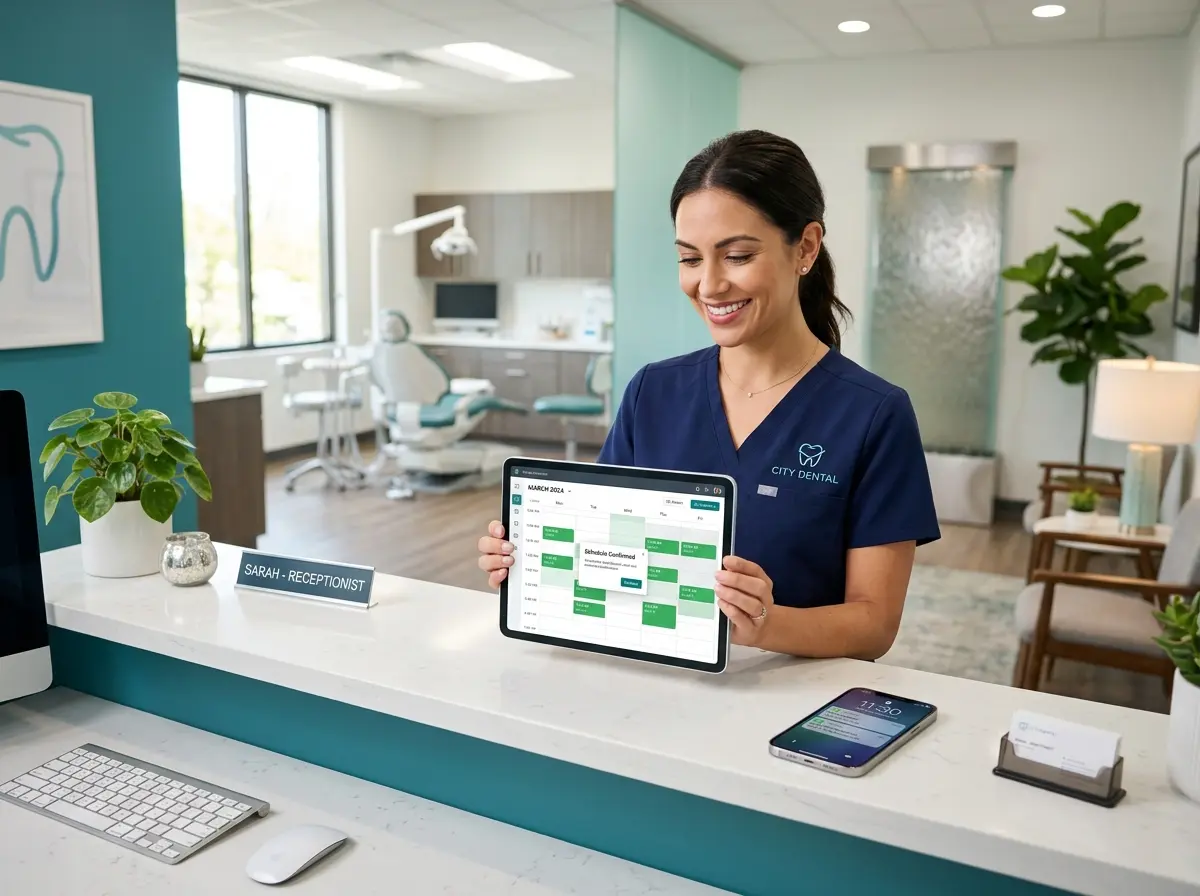
When Cancellations Strike: Why Your Dental Schedule Doesn't Have to Suffer
It's 9:47 a.m. on a Tuesday. Your 10:15 patient just called to cancel — something about a work emergency, a sick kid, or the classic "I forgot I had a thing." Your hygienist is prepped, your operatory is ready, and now you're staring down a 45-minute gap in your schedule like it owes you money. Sound familiar?
Cancelled appointments are one of the most frustrating (and expensive) problems in dental practice management. Industry estimates suggest that no-shows and last-minute cancellations cost the average dental practice between $30,000 and $50,000 in lost revenue per year. That's not a rounding error — that's a staff salary, a new piece of equipment, or approximately 12,000 cups of coffee for your front desk team.
The good news? With the right systems in place, you don't have to just absorb that loss and sigh heavily into the void. You can fill those gaps automatically — and in many cases, without your front desk staff lifting a finger. Let's talk about how.
Building a Cancellation Recovery System That Actually Works
Create and Maintain a Dedicated Waitlist
The single most effective tool for filling cancelled appointments is a well-maintained waitlist — and yet, many dental offices either don't have one, or have one that's a sticky note on a monitor from six months ago. A proper waitlist is a living, breathing document (or better yet, a digital one) that captures patients who want to come in sooner than their current scheduled appointment, or who are flexible enough to take an available slot on short notice.
When building your waitlist, collect key information: the patient's preferred days and times, how quickly they can come in, and what type of appointment they need. A patient who's flexible and lives five minutes from your office is worth their weight in gold when a 2:00 p.m. slot opens up at 11:00 a.m. Segment your list accordingly. Not all waitlist patients are created equal, and the ones who can actually show up on two hours' notice are your cancellation-filling MVPs.
Train your team to add patients to the waitlist proactively — during scheduling calls, at checkout, and even during reminder confirmations when patients mention they'd love to come in sooner.
Automate Your Outreach the Moment a Slot Opens
Speed is everything when a cancellation happens. The practice that contacts a waitlist patient 20 minutes after the cancellation wins. The practice that contacts them at 4:30 p.m. after the front desk finally had a chance to look at the list loses — usually to the patient's Netflix queue.
Set up automated text and email outreach through your practice management software so that when a slot opens, waitlisted patients who match that time slot's criteria get notified immediately. Many modern dental software platforms (Dentrix, Eaglesoft, Open Dental, and others) have built-in or integrated tools for this. If yours doesn't, third-party solutions like Weave, NexHealth, or Solutionreach can fill that gap.
The message should be friendly, clear, and include a direct link to confirm or book — don't make them call in to claim the spot. Every additional step you require is an opportunity for them to decide it's not worth it.
Reduce Cancellations Before They Happen
The best cancellation to recover from is one that never happens. While you'll never eliminate them entirely (people are people, and people have "things"), you can significantly reduce your cancellation rate with a few smart practices.
Send multi-touch appointment reminders: a reminder a week out, another two days before, and a final one the morning of. Make it easy for patients to confirm with a single tap. Implement a clear cancellation policy — ideally with a reasonable notice window (48 hours is standard) — and communicate it at booking and in your reminders. You don't have to be punitive about it, but patients who know a policy exists tend to plan accordingly.
Also consider collecting a credit card on file at booking for new patients or chronic cancellers. It doesn't mean you'll always charge it, but knowing it's there has a remarkable effect on appointment commitment.
How Stella Can Help Dental Offices Stay Ahead of Cancellations
Answering Every Call — Including the Ones That Fill Cancelled Slots
Here's a scenario worth considering: a patient calls your office at 7:30 a.m. to cancel their 9:00 appointment. Your front desk doesn't start answering phones until 8:00. By the time someone sees the voicemail, processes the cancellation, and starts calling the waitlist, it's 8:45. That slot is gone.
Stella, the AI robot receptionist, answers calls 24/7 — which means cancellations get logged the moment they happen, and your team gets an AI-generated summary with an instant push notification. No more morning scramble. No more lost slots because the phone went to voicemail at the wrong time. Stella also handles inbound calls from patients checking availability or asking to come in sooner, collecting their information through conversational intake forms and routing them into her built-in CRM — so your waitlist practically manages itself. For dental offices juggling a full schedule, a front desk team, and a waiting room, having a phone receptionist who never takes a break is less of a luxury and more of a strategic advantage.
Optimizing Your Schedule to Minimize the Damage
Design Your Schedule With Buffer and Strategy
Not all appointment slots are equally painful to lose. A cancelled new patient exam at 10:00 a.m. hurts differently than a cancelled adult cleaning at 3:45 p.m. When you understand which slots are hardest to fill last-minute, you can schedule your highest-risk appointments (new patients, complex cases, long hygiene blocks) at times when your waitlist has the most coverage.
Some practices intentionally hold one or two "short notice" slots per day — blocks that aren't offered during standard scheduling but are reserved exclusively for same-day or next-day fills. This gives you a built-in pressure valve when cancellations hit, and it also serves as a powerful patient loyalty tool: "We saved a same-day spot for you" goes a long way.
Track Your Cancellation Data Like It's a Key Performance Indicator (Because It Is)
If you're not tracking your cancellation rate, you're flying blind. You should know your overall cancellation rate by month, which days of the week have the highest cancellation frequency, which providers or appointment types cancel most often, and how much revenue those cancellations represent.
This data tells you where to focus your energy. If Monday mornings consistently have a 25% cancellation rate, maybe you don't book your highest-production appointments there. If a certain appointment type is cancelled more than others, maybe the pre-appointment communication for those visits needs work. Numbers don't lie — and in this case, they can point you directly to the fix.
Train Your Team to Handle Cancellations as a Revenue Recovery Opportunity
When a patient calls to cancel, that phone call is not just an administrative event — it's a conversation with a patient who is currently engaged with your practice. Train your front desk to handle cancellations with a quick, friendly script that accomplishes three things: confirm the cancellation without guilt-tripping, offer to reschedule immediately, and ask if they'd like to be on the waitlist for a sooner opening if their schedule changes.
Most cancellations aren't malicious — patients cancel because life happens. How your team handles that moment shapes whether the patient rebooks quickly or slowly drifts to the dentist down the street.
Quick Reminder About Stella
Stella is an AI robot employee and phone receptionist built for businesses like yours. She answers calls around the clock, manages patient intake through conversational forms, maintains a built-in CRM, and keeps your team informed with AI-generated summaries — all for $99/month with no upfront hardware costs. For dental offices, she's the front desk backup that never calls in sick.
Stop Letting Cancellations Be a Passive Loss
Cancelled appointments don't have to mean lost revenue — they just mean you need a faster, smarter recovery system than most practices currently have. The combination of a proactive waitlist, automated outreach, thoughtful scheduling design, and 24/7 communication coverage can transform cancellations from a daily frustration into a manageable, and often recoverable, part of doing business.
Here's where to start: this week, audit your current cancellation rate and calculate what it's costing you annually. Then pick one thing from this article — build the waitlist, set up automated outreach, or review your reminder sequence — and implement it before the month is out. Small, systematic improvements compound quickly in a busy dental practice.
Because at the end of the day, a filled chair is a productive chair. And a productive chair means your hygienist isn't staring at the ceiling during what should have been a perfectly good appointment.