Why Your Inspection Report Is Getting Ignored (And What to Do About It)
Let's be honest — most home inspection reports are about as exciting to read as a terms and conditions agreement. They're dense, text-heavy, full of jargon, and usually delivered as a PDF that gets opened once, skimmed with mild panic, and then buried in a Downloads folder never to be seen again. Meanwhile, your clients are out there making the biggest financial decision of their lives based on a document that reads like a maintenance manual for a 1987 HVAC unit.
Here's the uncomfortable truth: if your clients aren't sharing your reports, recommending you to friends, or leaving glowing reviews, the problem might not be the quality of your inspections — it could be the way you're delivering the results. Enter the video walkthrough report. It's engaging, it's personal, it's shareable, and it transforms you from "the person who found scary things in the attic" into a trusted advisor clients actually remember. And in a referral-driven industry like home inspection, being memorable isn't just nice — it's essential.
What a Video Walkthrough Report Actually Is (And Isn't)
The Concept: More Than Just Hitting Record
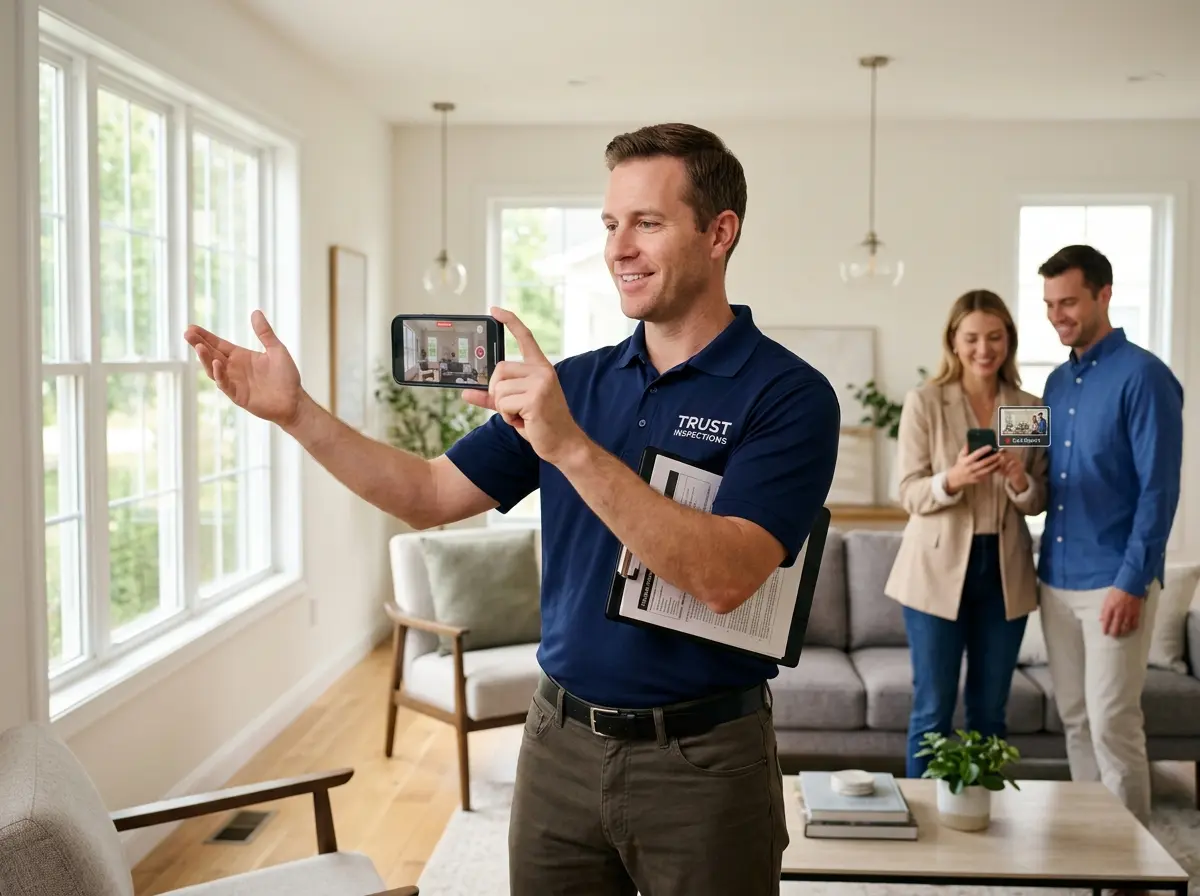
A video walkthrough report isn't just you narrating while slowly panning a camera around a crawl space. It's a structured, client-focused video — typically 10 to 20 minutes long — that summarizes the key findings from your inspection in plain, conversational language. Think of it as the debrief your client actually needs, delivered in a format they'll genuinely watch. You're explaining what you found, why it matters, what the risk level is, and what they should do about it. All without requiring them to decode a 47-page PDF on their own.
The best video walkthrough reports combine screen recording (showing the written report or photos) with your face on camera, or at least your voice narrating in a calm, confident tone. Tools like Loom, BombBomb, or even a simple smartphone setup can get you there without a Hollywood production budget.
Why Clients Actually Watch These (And Share Them)
People watch video. According to Wyzowl's 2024 Video Marketing Report, 89% of consumers say watching a video has convinced them to take action, and people retain about 95% of a message delivered by video compared to just 10% from text. Apply that to a home inspection context, and the implications are significant. A client who understands what's in their report is far more likely to act on your recommendations, trust your expertise, and refer you to their network.
Video also has an inherent shareability that PDFs simply don't. Clients forward videos to their partners, parents, real estate agents, and contractors. Every share is an organic introduction to your business. That's marketing you didn't have to pay for — because you just did your job really, really well.
What to Include (And What to Leave Out)
A great video walkthrough report leads with the most important findings — the safety concerns, the expensive repairs, the deal-breakers — and then moves into the moderate issues before briefly acknowledging the minor stuff. Don't try to cover every single item line by line. That's what the PDF is for. Your video should be the highlight reel that helps your client understand the story of the home's condition.
Keep your language human. Replace "evidence of efflorescence on the masonry foundation" with "there's mineral deposit buildup on the basement walls, which usually means water has been getting in — here's what that means for you." Your client will thank you, and their real estate agent will definitely remember you.
How to Streamline Your Business While You Focus on Better Reports
Free Up Time by Automating Your Front End
Creating thoughtful video reports takes time — time that's hard to find when you're also answering repetitive phone calls, fielding questions about your pricing and availability, and trying to remember which client asked about radon testing. This is exactly the kind of operational drag that Stella, an AI robot employee and phone receptionist, is built to eliminate.
Stella answers your phone calls 24/7, handles common questions about your services, pricing, and turnaround times, and can collect client intake information through conversational forms — all without pulling you away from an inspection or a video recording session. Her built-in CRM even logs client details automatically, so your contact management doesn't fall through the cracks during a busy week. For home inspectors who run lean operations, having a professional phone presence that never calls in sick is genuinely game-changing.
Making Your Videos Easy to Share and Hard to Forget
Delivery Matters as Much as Content
Recording a great video is only half the equation. If you email it as a raw file attachment, there's a decent chance it never gets opened. Instead, use a platform like Loom or YouTube (unlisted) that generates a clean, clickable link clients can open on any device. Better yet, embed the video into a simple landing page alongside the PDF report, a summary of key action items, and your contact information. This creates a polished, professional experience that feels curated — because it is.
Consider adding a short personal intro to each video using the client's first name and the property address. It takes 15 seconds and makes the whole experience feel custom rather than templated. Clients notice that kind of thing, and they mention it when they refer you.
Prompting Referrals Without Being Awkward About It
At the end of your video, close with a brief, natural call to action. Thank the client for choosing you, remind them they can reach out with questions, and mention — without pressure — that referrals are always appreciated. Something like: "If you know anyone buying or selling, I'd love the chance to help them too." That's it. No elaborate follow-up sequence required. The quality of the video itself does most of the heavy lifting.
You can also encourage reviews by including a short note in your follow-up email: "If the video report was helpful, a quick Google review means the world to a small business." Most happy clients are willing to help — they just need to be asked in a way that feels genuine rather than transactional.
Building a System That Scales
Once you've created a handful of video reports, you'll naturally develop a rhythm — an intro template, a consistent structure, a comfortable on-camera presence. Document that process. Create a checklist. Record a few example videos to use for training if you ever bring on additional inspectors. The goal is to make video walkthroughs a repeatable, scalable part of your service delivery rather than a heroic one-off effort.
Batch your recording sessions when possible. Complete the inspection, review your notes, and record the video the same afternoon while the details are fresh. A consistent turnaround — say, video report delivered within 24 hours — becomes a selling point you can advertise and a standard your clients come to expect and appreciate.
Quick Reminder About Stella
Stella is an AI robot employee and phone receptionist built for business owners who want professional, always-on customer engagement without the overhead of additional staff. She answers calls, handles inquiries, collects client information, and manages contacts through her built-in CRM — all for just $99 a month. For home inspectors trying to focus on delivering great work, she's the front-office support that never needs a day off.
Start Delivering Reports People Actually Talk About
The home inspection industry runs on trust and referrals. Clients who feel informed, respected, and well taken care of become your most effective marketing channel — and a well-crafted video walkthrough report is one of the most direct ways to create that experience. It doesn't require expensive equipment or a media degree. It requires consistency, clarity, and a genuine commitment to making your clients' lives easier during a stressful process.
Here's your action plan to get started:
- Choose your tool. Sign up for Loom (free tier works fine to start) or explore BombBomb if you want built-in email integration.
- Record your first video report on your next inspection. Don't overthink it — just talk to the camera like you're talking to the client in person.
- Create a simple delivery template: a short email with the video link, the PDF report, and a list of your top three recommended action items.
- Ask for feedback. After a few clients receive their video reports, ask what they thought. Let that shape how you refine your format.
- Automate your front end so you have more time to focus on quality. Let tools like Stella handle inbound calls and client intake while you do the work that actually grows your reputation.
The inspectors who will win the next decade aren't necessarily the ones with the most certifications or the fanciest equipment. They're the ones whose clients say, "You have to use my inspector — the video report alone was worth it." Go be that inspector.