Who Needs Points? The Case for a Simpler Kind of Customer Loyalty
Let's talk about loyalty programs. You know the ones — punch cards that live permanently at the bottom of someone's purse, apps that require a PhD to navigate, and points systems so complicated that your customers need a spreadsheet just to figure out if they've earned enough for a free coffee. Big-box retailers and national chains love this stuff. They have entire departments dedicated to it. You, on the other hand, have Tuesday.
Here's a secret that the enterprise loyalty software vendors would rather you didn't know: small independent businesses already have the single most powerful loyalty driver in existence — genuine human connection. The challenge isn't manufacturing loyalty. It's being consistent enough, and present enough, to let it happen naturally. A points-free loyalty strategy leans into your greatest strengths as a small business and stops trying to out-Amazon Amazon. Spoiler alert: that's a race you don't need to win, because you're playing a completely different game.
So let's dig into what actually keeps customers coming back — no app download required.
What Actually Drives Customer Loyalty (It's Not Math)
Before we redesign your loyalty strategy, it's worth understanding why customers become loyal in the first place. Research from Bain & Company suggests that increasing customer retention rates by just 5% can increase profits by 25% to 95%. That's a staggering range, but the point is clear: keeping customers is wildly more valuable than constantly acquiring new ones. The question is how you keep them — and the answer has almost nothing to do with points.
The Feeling of Being Known
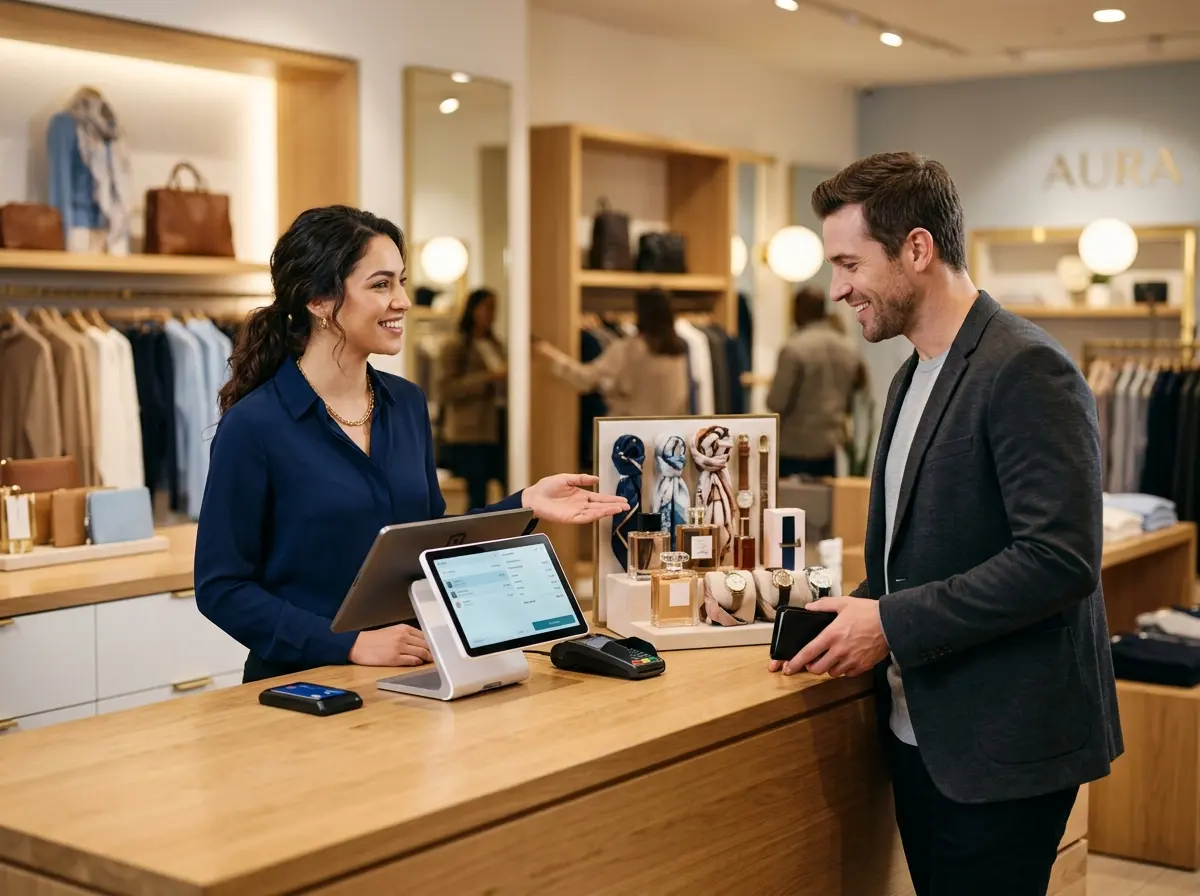
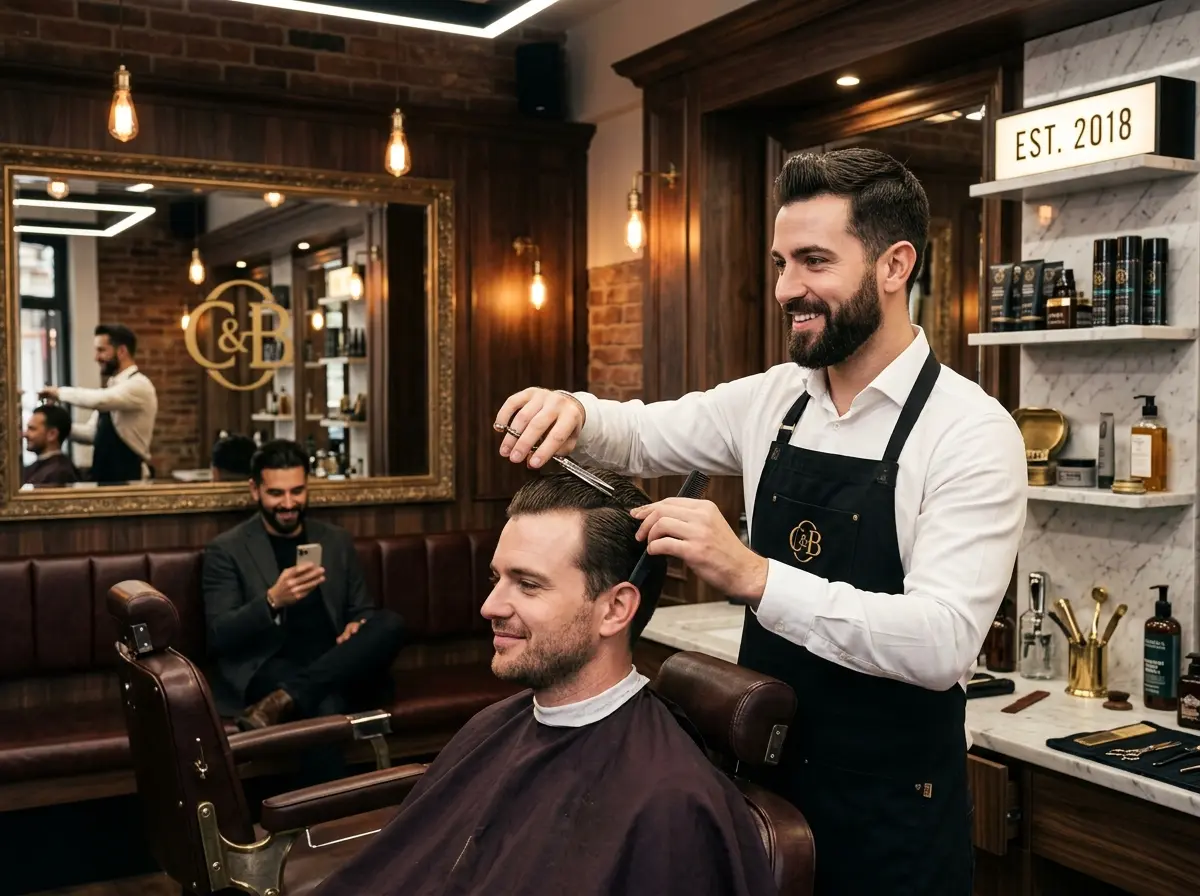
People return to places where they feel recognized. This is why your favorite local diner feels different from a chain restaurant, even if the food is comparable. When the owner remembers you take your coffee black, or the salon receptionist asks how your daughter's recital went, that's not a loyalty program — that's a relationship. And relationships are stickier than any rewards tier system.
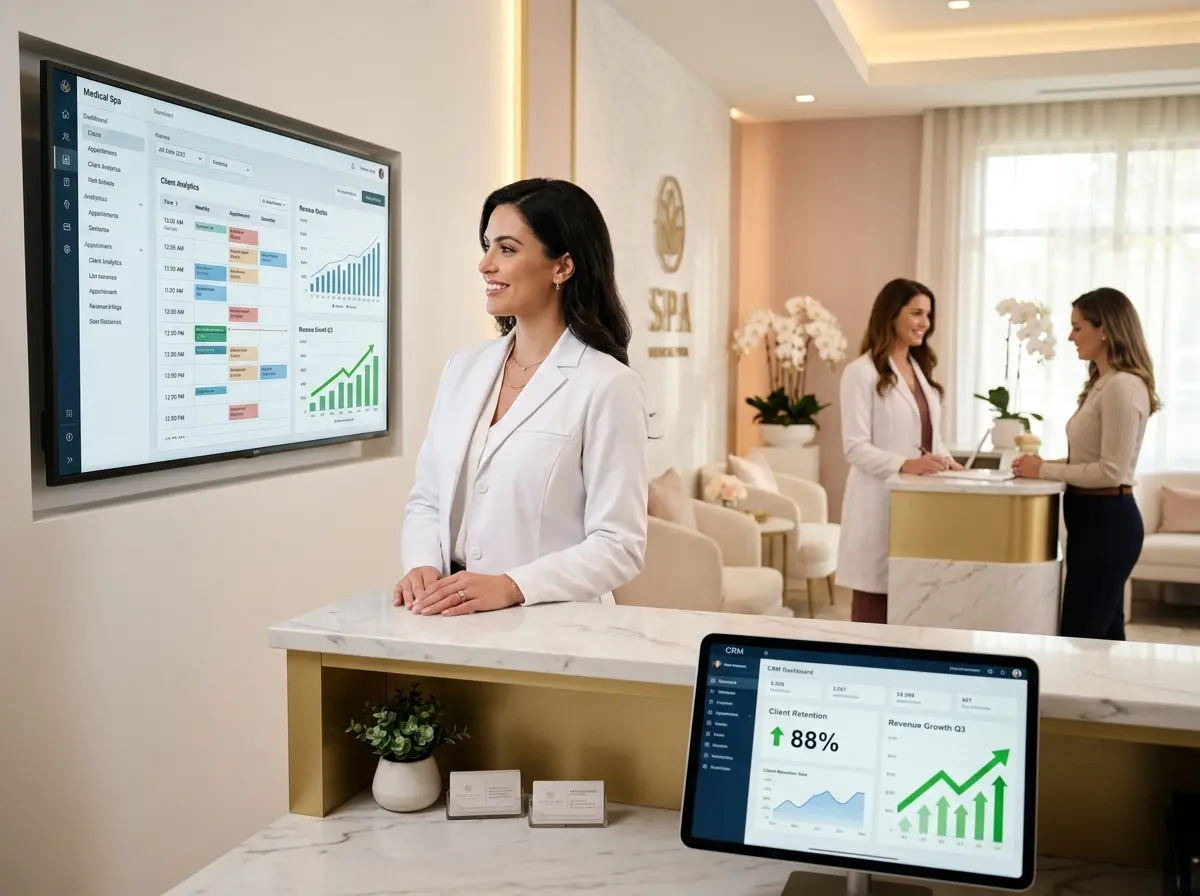
The practical application here is deceptively simple: remember things about your customers and act on that knowledge. Keep notes. Use a CRM (even a basic one). Train your staff to reference past interactions. A customer who feels genuinely remembered is far less likely to wander off to a competitor offering a 10% discount, because what the competitor is offering isn't the same thing at all.
Consistency as a Loyalty Engine
Here's an uncomfortable truth: customers don't expect perfection. They expect predictability. They want to know that when they walk through your door — or call your number — they'll get the same quality experience they got last time. Inconsistency is actually one of the top reasons customers quietly drift away. Not because of a bad experience, necessarily, but because of an unpredictable one.
This means your loyalty strategy isn't just about what you do for customers. It's about doing it reliably, every single time, regardless of whether it's a Monday morning or a chaotic Saturday afternoon.
Proactive Communication That Doesn't Annoy People
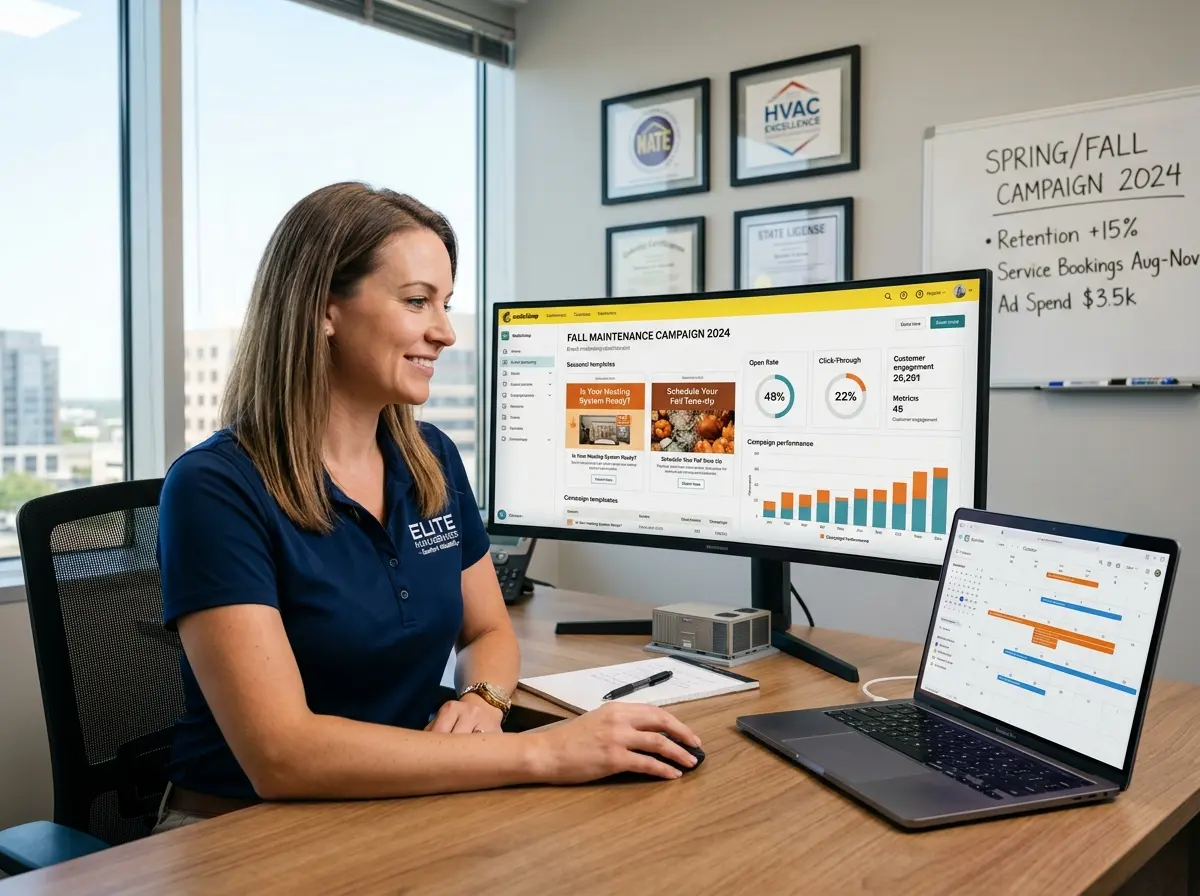
Loyalty is also built between visits. Customers who hear from you — in ways that actually feel relevant and valuable — are more likely to think of you when a need arises. This doesn't mean blasting promotional emails into the void every week. It means reaching out with genuinely useful information: a seasonal promotion they'd actually care about, a reminder that their appointment is coming up, or a heads-up about a new product that fits their past preferences. Thoughtful outreach says "we thought of you" in a way that a generic coupon never quite manages.
How the Right Tools Make Consistency Effortless
Here's where the rubber meets the road. You can completely agree with everything above and still struggle to execute it, because consistency is hard when you're also managing inventory, scheduling staff, handling complaints, and trying to remember if you paid the electric bill. This is where smart tools stop being luxuries and start being necessities.
Let Technology Handle the Greeting (So You Can Handle the Relationship)
Stella, the AI robot employee and phone receptionist, is worth a mention here — particularly for businesses with physical locations or high call volumes. Her in-store kiosk presence means every customer who walks by is greeted proactively and can get immediate answers about products, services, promotions, and policies, without pulling your staff away from what they were doing. On the phone side, she answers calls 24/7 with the same knowledge she uses in person, collects customer information through conversational intake forms, and feeds everything into a built-in CRM — complete with custom fields, tags, notes, and AI-generated customer profiles. That's the kind of consistent, professional presence that builds trust before a human even enters the conversation. For small businesses trying to project reliability without hiring an army of receptionists, Stella does a lot of the heavy lifting at $99/month.
Building Your Points-Free Loyalty Strategy From Scratch
Alright, let's get practical. Here's how to build a loyalty strategy that works without a single punch card, tiered reward, or gamified point multiplier.
Make Every Touchpoint Feel Personal
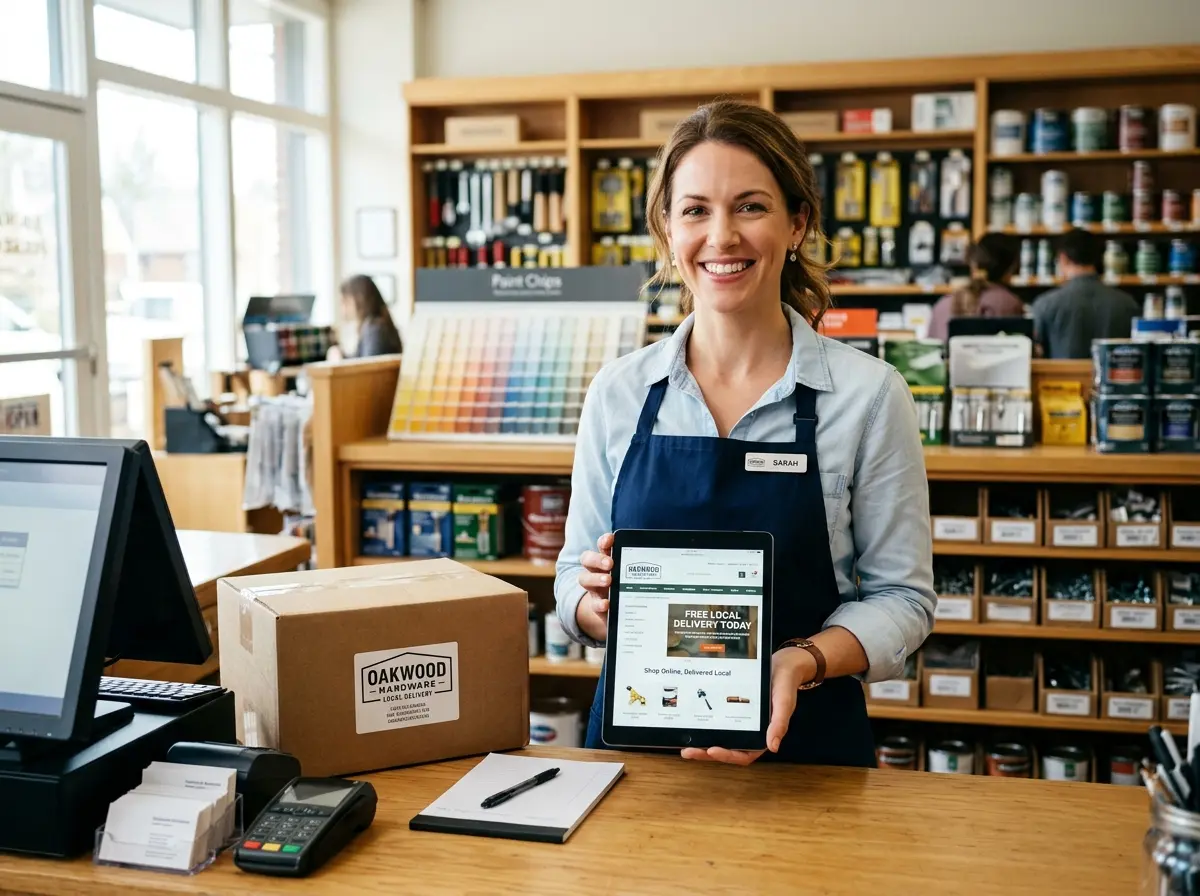
Start by auditing every place a customer interacts with your business — in person, by phone, via email, on your website. For each touchpoint, ask yourself: does this feel like it came from a business that knows me, or does it feel generic? Generic is the enemy. Even small personalizations make a significant difference. Use a customer's name. Reference their history. Tailor your recommendations. If your systems are set up to capture this information (and they should be), putting it to use is the most natural loyalty tool you have.
This also applies to how you handle problems. A customer who has an issue resolved quickly and with genuine care is, statistically, more loyal than one who never had a problem at all. Don't panic when something goes wrong — treat it as a loyalty-building opportunity in disguise.
Create Rituals, Not Transactions
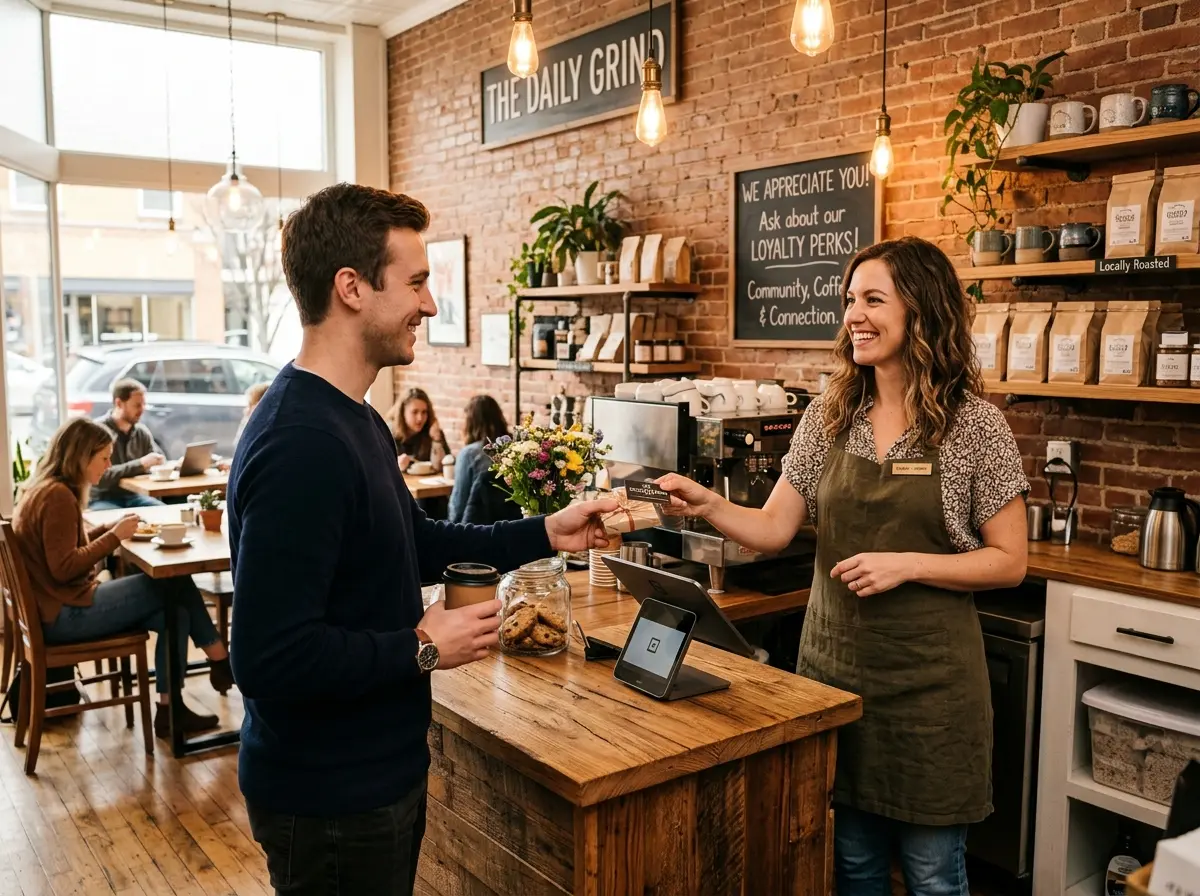
The most beloved local businesses are beloved because they've created rituals. The coffee shop where everyone knows your order. The bookstore that sets aside new arrivals they think you'd like. The gym where the trainer checks in on your progress every visit. These aren't elaborate programs. They're habits — habits that make customers feel like members of something rather than just buyers of something.
Think about what ritual you could introduce into your customer experience. It doesn't have to be grand. It just has to be consistent and genuinely human. Maybe it's a handwritten thank-you note after a first visit. Maybe it's a personal follow-up call after a service appointment. Maybe it's a regular customer appreciation event — low-key, no agenda, just a genuine thank-you. Small gestures, repeated reliably, accumulate into something powerful.
Leverage Referrals Through Relationships, Not Incentives
Word-of-mouth remains the most effective marketing channel for small businesses, and it doesn't cost a thing — except the quality of your service. Customers who feel genuinely valued refer their friends not because of a referral bonus, but because they want the people they care about to have the same experience they do. That's an entirely different motivation than "I'll get $10 off if I send you a link."
You can encourage this organically by simply making it easy. Ask happy customers directly for referrals — not in a pushy way, but in the genuine spirit of "we'd love to help people like you." Make sure your business is easy to find and review online. And when a referred customer walks in, make sure you acknowledge it and treat them exceptionally well, because that first impression is a direct reflection on the customer who sent them.
Quick Reminder About Stella
Stella is an AI robot employee and phone receptionist designed specifically for small and independent businesses. She greets customers in-store, answers phones around the clock, promotes your current offerings, and helps manage customer relationships through her built-in CRM — all for $99/month with no upfront hardware costs. If consistency and professionalism are core to your loyalty strategy (and after reading this, they absolutely should be), Stella is worth a serious look.
Start Small, Stay Consistent, and Watch Loyalty Build Itself
The points-free loyalty program isn't a program at all — it's a philosophy. It's the decision to compete on relationship quality rather than reward math. And for small independent businesses, it's genuinely the higher ground. You can offer something the big chains simply cannot replicate at scale: the feeling of being genuinely known, valued, and remembered.
Here's where to start:
- Audit your touchpoints. Walk through your customer experience as if you were a first-time visitor. Where does it feel warm and personal? Where does it feel cold or inconsistent?
- Set up a simple CRM. If you're not capturing basic customer information and notes, start today. Even a spreadsheet is better than nothing — though a proper tool will serve you far better.
- Introduce one ritual. Pick one small, repeatable gesture that makes customers feel remembered. Do it every time, without exception.
- Ask for referrals intentionally. Make it part of your process with happy customers, not an afterthought.
- Invest in consistency. Whether that means better staff training, smarter tools, or both — remove the inconsistencies that quietly erode trust.
Loyalty, at its core, is an emotional response. And emotions are built through experience, not algorithms. So put down the punch card, close the loyalty app tab, and invest that energy in something that actually lasts: being genuinely, consistently, memorably good to your customers. They'll notice. And they'll come back.