Introduction: The Fine Art of Selling More Without Making Customers Run Away
Every restaurant server knows the feeling. You approach a table, take a breath, and ask, "Can I interest you in one of our amazing appetizers tonight?" The table goes silent. Four pairs of eyes stare at you like you've just asked them to donate a kidney. And just like that, the upsell — and possibly your tip — is dead on arrival.
Here's the uncomfortable truth: upselling works. Research consistently shows that upselling can increase restaurant revenue by 10–30%, and yet most servers (and the managers who train them) do it in a way that feels pushy, scripted, or downright awkward. Customers don't hate being recommended something great — they hate being sold to by someone who clearly doesn't care whether they'd actually enjoy it.
The difference between upselling that delights and upselling that annoys comes down to timing, authenticity, and relevance. This guide breaks down exactly how servers can recommend more, sell more, and still leave customers feeling like they got a personalized experience — not a sales pitch with a side of fries.
The Psychology of a Good Upsell
Customers Actually Want Recommendations
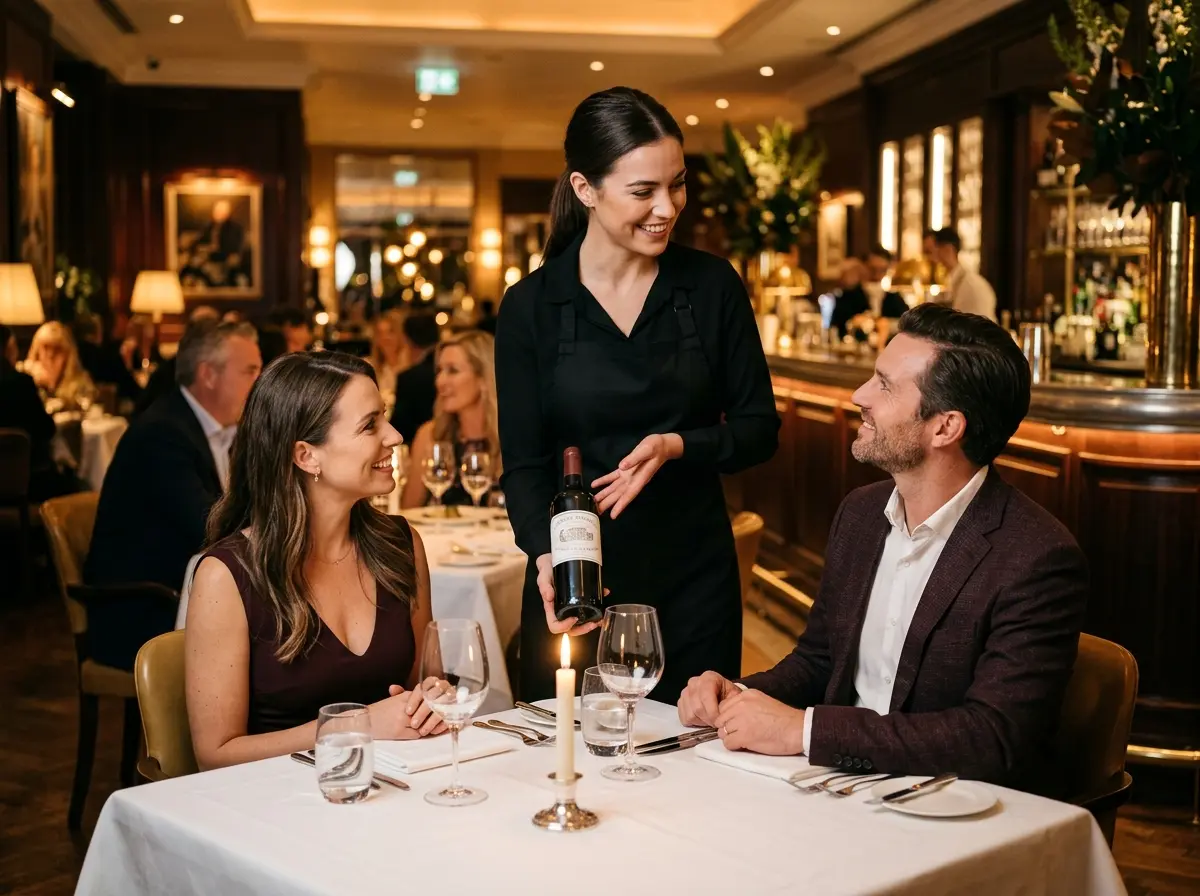
People are overwhelmed by menus. A typical restaurant menu has somewhere between 50 and 80 items, and decision fatigue is very real. When a server confidently says, "Honestly, the short rib is incredible tonight — the kitchen's been doing it perfectly all week," customers don't feel pressured. They feel relieved. Someone knowledgeable just solved their problem.
The key word there is "knowledgeable." Customers trust recommendations that feel personal and informed. A server who actually knows the menu — who can describe the texture of the crème brûlée or explain what makes the house cocktail different — is someone customers will listen to. A server reading from a laminated script is someone customers will politely ignore before ordering what they already had in mind.
Timing Is Everything
Even the best recommendation, delivered at the wrong moment, lands with a thud. There's a rhythm to a good dining experience, and upselling works best when it fits naturally into that rhythm rather than interrupting it.
Here's a simple framework for timing upsells effectively:
- At greeting: Mention a limited special or signature item while customers are still forming their first impressions. Keep it brief — one sentence maximum.
- During order-taking: When a customer orders a burger, that's the natural moment to mention a complementary side or an upgrade. Don't wait until they've already closed the menu.
- After entrées are ordered: This is the ideal window for beverage top-offs, suggesting a dessert to "save room for," or recommending an add-on before the kitchen starts.
- After the meal: Dessert menus presented with genuine enthusiasm — "Do you want to see what we have? The chocolate lava cake takes about ten minutes, so I can put it in now while you're still chatting" — close more tabs than you'd expect.
The Language That Actually Works
There's a meaningful difference between "Would you like to add a salad?" and "The Caesar is really popular with the salmon — a lot of guests get them together." The first is a yes/no checkbox. The second is a story. Humans buy stories.
Effective upsell language is specific, confident, and low-pressure. Phrases like "a lot of our guests love pairing that with..." or "this one's a personal favorite of mine..." work because they provide social proof without being pushy. Meanwhile, phrases like "Can I get you anything else?" at the end of a transaction are wasted opportunities — open-ended and easy to dismiss.
Train your servers to replace vague offers with specific suggestions. Not "Do you want dessert?" but "We just got a fresh batch of the salted caramel cheesecake in — want to take a look at the dessert menu?" One of those sentences closes. The other doesn't.
Consistency: The Problem No One Wants to Talk About
Your Best Server Isn't Always Available
Here's the uncomfortable operational reality: your upselling strategy is only as good as the server who happens to be working that shift. Your best salesperson — the one who upsells effortlessly, remembers regulars, and consistently drives check averages up — goes home at 9 PM. Or calls in sick. Or quits for a job with better hours. And suddenly the training you invested in walks out the door with them.
This is where technology can bridge the gap in ways that don't require replacing your staff. Stella, an AI robot employee and phone receptionist, can handle front-of-house customer engagement — greeting guests, answering questions about the menu, and proactively promoting specials and add-ons — both in person at a kiosk and over the phone when customers call to make reservations or ask about hours. She's consistent, always on-brand, and doesn't have bad days. For restaurants managing high volume or thin staffing, she provides a reliable layer of customer engagement that doesn't fluctuate with the lunch rush or the Friday night chaos. When someone calls asking what's on the menu tonight, Stella answers the phone, promotes the specials, and keeps the interaction moving — so your human staff can focus on the table in front of them.
Training Your Team to Upsell With Confidence
Make Menu Knowledge Non-Negotiable
You cannot upsell what you don't understand. Before a server can convincingly recommend the pan-seared halibut, they need to know what it's served with, whether it's gluten-free, which wine pairs with it, and — ideally — whether they actually think it's delicious. Menu tastings aren't a luxury; they're a sales investment. A server who's eaten the food describes it differently than one who's only read the menu card. That difference is audible to every table.
Consider running brief pre-shift meetings where managers highlight one or two items to feature that day. Give servers language they can use. Make it a conversation, not a mandate. Staff who feel like insiders — who know about the special before customers do — naturally talk about it with more enthusiasm.
Roleplay Feels Awkward. Do It Anyway.
Most servers cringe at the idea of practicing upsells in front of their coworkers. That's exactly why it works. Roleplay training surfaces the awkward phrasing, the hesitation, the weird pause before mentioning the wine list — and it gives servers a chance to fix those habits before they're standing at a real table with real customers.
Keep sessions short and low-stakes. Run five minutes of practice at the start of a shift meeting, rotating pairs so everyone gets a turn as both the server and the customer. Focus on one skill at a time — today it's dessert suggestions, next week it's beverage pairings. Incremental improvement beats a single annual training seminar every time.
Incentivize the Right Behaviors
Servers respond to incentives. If your only metric is table turnover, that's what your team will optimize for — and upselling, which takes a few extra seconds of deliberate conversation, will fall by the wayside. Consider tracking average check size per server, running friendly competitions around specific upsell targets, or offering small bonuses tied to dessert attachment rates or beverage upgrades during a slow period.
The goal isn't to pressure your staff — it's to signal that you value the behaviors that drive revenue. When servers see that thoughtful recommendations are noticed and rewarded, the culture shifts. Upselling stops feeling like an annoying corporate requirement and starts feeling like a skill worth developing.
Quick Reminder About Stella
Stella is an AI robot employee and phone receptionist designed to help businesses like restaurants handle customer engagement consistently and professionally. She greets guests, promotes specials, answers questions, and manages phone calls 24/7 — all for $99/month with no upfront hardware costs. Whether your floor is slammed or your phone is ringing off the hook, Stella keeps things running without asking for a shift change.
Conclusion: Small Changes, Bigger Checks
Upselling without being annoying isn't magic — it's craft. It requires servers who know the menu deeply, managers who train consistently, and a culture that treats a genuine recommendation as a form of hospitality rather than a sales tactic. When done well, customers leave feeling like they were taken care of. When done poorly, they leave feeling like they narrowly escaped a timeshare presentation.
Start with the basics. Audit the upsell language your team is currently using — you might be surprised how much of it is either vague or nonexistent. Pick one specific upsell moment to focus on this week: desserts, beverages, or a featured special. Roleplay it. Measure it. Then build from there.
The servers who are great at this aren't pushy — they're confident, knowledgeable, and genuinely helpful. Train for that, reward for that, and your average check size will thank you. So will your customers, probably. At least the ones who ordered the lava cake.