So You've Decided to Sell Online — Congratulations and Good Luck
The good news? You don't need a computer science degree, a six-figure budget, or a team of developers who speak exclusively in acronyms. Thousands of small retailers have successfully made the leap from brick-and-mortar-only (or just-an-idea) to a fully functioning online store — often in a matter of weeks. According to the U.S. Department of Commerce, e-commerce sales now account for over 15% of total retail sales and are climbing every year. The customers are out there. The question is whether they can find you.
Building the Foundation: Platform, Products, and Payments
Choosing the Right E-Commerce Platform
Your platform is the engine under the hood of your online store. Choosing wrong here is like building a house on a shaky foundation — everything else you do will be harder than it needs to be. The most popular options for small retailers are Shopify, WooCommerce (built on WordPress), BigCommerce, and Squarespace Commerce. Each has its strengths.
Curating and Listing Your Products
Here is where a lot of small retailers make their first big mistake: they try to put everything online at once. Resist this urge. Start with your bestsellers, your highest-margin items, or the products that are hardest to find locally. Quality beats quantity when you're just getting started, and a tight, well-presented product catalog will convert browsers into buyers far more effectively than a chaotic 500-item store with blurry photos and missing descriptions.
Setting Up Payments and Shipping
No payment gateway, no money. It's that simple. Most platforms integrate seamlessly with Stripe, PayPal, and Square, so you'll likely be up and running here faster than you expect. The part that trips up many new store owners is shipping. Before you launch, decide on your shipping strategy: Are you offering flat-rate shipping? Free shipping over a threshold (a proven conversion booster)? Real-time carrier rates? Each approach has tradeoffs, and getting this wrong can quietly eat into your margins for months before you notice. Build your shipping costs into your pricing from day one — not as an afterthought.
Keeping Customers Connected While You Focus on Running the Store
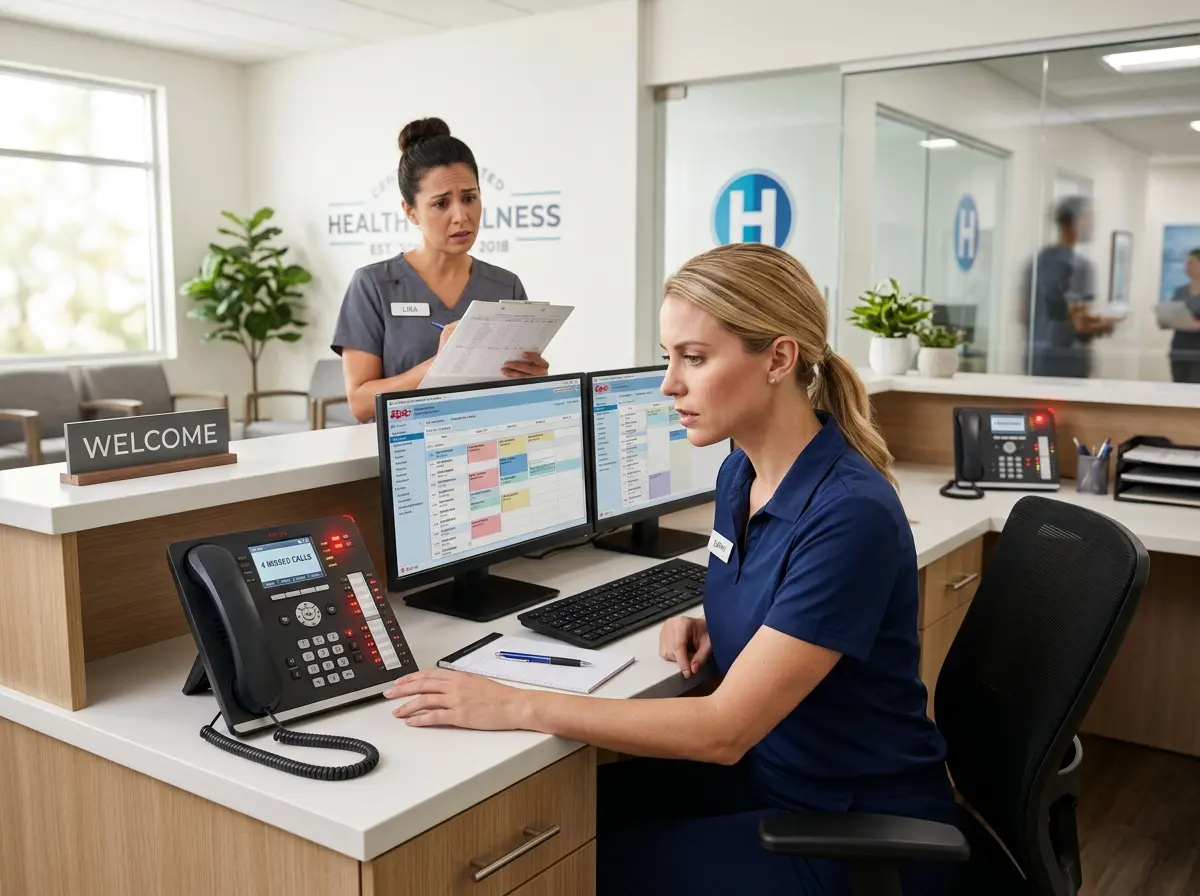
Don't Let Inquiries Fall Through the Cracks
This is where Stella, the AI robot employee and phone receptionist, becomes genuinely valuable for small retailers. Whether you're running a physical store, an e-commerce operation, or both, Stella answers phone calls 24/7 with real business knowledge — your products, your policies, your hours, your promotions. She can handle questions, take detailed voicemails with AI-generated summaries pushed directly to your phone, and forward calls to staff when needed. For retailers with a physical location, she also stands inside the store as a friendly kiosk, greeting customers and proactively engaging them about deals and products. When you're busy managing inventory, fulfilling orders, and trying to grow an online store, having Stella handle the front lines means fewer dropped balls and more closed sales.
Driving Traffic and Turning Visitors Into Buyers
Getting Found: SEO and Search Basics
Your e-commerce store can be visually stunning and perfectly organized, but if no one can find it, it might as well be a shop in the middle of a cornfield. Search engine optimization — SEO — is the long game of getting your store to appear in Google results when people search for what you sell. The basics are not as intimidating as they sound: write product descriptions using the words your customers actually search for, give every page a clear and descriptive title, make sure your site loads quickly on mobile devices, and set up a free Google Business Profile to establish local credibility.
Paid Advertising: Start Small, Learn Fast
Once your store is live and your product listings are polished, you can accelerate growth with paid advertising. Google Shopping ads and Meta (Facebook and Instagram) ads are the most common starting points for small retailers. The important thing is to start with a modest daily budget — even $10 to $20 per day — and treat your early campaigns as tuition. You're paying to learn what your customers respond to, which products attract clicks, and what messaging converts. Resist the urge to spend big before you have data.
Email Marketing: The Underrated Workhorse
Social media platforms change their algorithms constantly. Ad costs rise. But your email list? That's yours. Email marketing consistently outperforms most other digital channels in e-commerce, with an average return of $36 for every $1 spent according to industry research by Litmus. Start building your list from day one with a simple welcome discount for new subscribers. Use a tool like Klaviyo, Mailchimp, or Omnisend to automate key sequences: a welcome series for new subscribers, abandoned cart reminders, and post-purchase follow-ups asking for reviews. These automations run in the background while you do literally everything else, and they pay for themselves quickly.
Quick Reminder About Stella
If you're a small retailer managing an e-commerce store, a physical location, or both, Stella is the AI robot employee and phone receptionist who works around the clock so you don't have to. For just $99/month with no upfront hardware costs, she greets in-store customers, answers calls 24/7, promotes your deals, collects customer information, and keeps your operation looking professional — even when you're elbow-deep in shipping boxes.
Your Next Steps Start Today, Not "Eventually"
- Choose your platform and get your store set up with a clean, mobile-friendly theme.
- List your top 10–20 products with great photos, honest descriptions, and accurate pricing.
- Set up payments and shipping before you launch — nothing frustrates customers faster than checkout problems.
- Install tracking pixels for Google and Meta so you can retarget from day one.
- Start collecting emails with a welcome offer and set up at least one automated sequence.
- Begin basic SEO — descriptive page titles, keyword-rich product descriptions, and a Google Business Profile.
- Plan your customer communication strategy — including how you'll handle phone inquiries, questions, and follow-ups as volume grows.