When "See You Tomorrow!" Turns Into Silence
You scheduled twelve appointments for Tuesday. You confirmed them last week. You prepped your staff, stocked your supplies, and maybe even turned away a walk-in or two because your calendar looked so beautifully full. Then Tuesday arrives, and so do three people. The other nine? Nowhere to be found. No call. No text. Just a waiting room that feels more like a philosophical meditation on disappointment.
Last-minute cancellations and no-shows are the silent revenue killers of the wellness industry. Whether you run a massage therapy studio, a med spa, a chiropractic office, or an acupuncture clinic, you've felt this pain. According to some industry estimates, no-shows cost the U.S. healthcare and wellness sector billions of dollars annually — and for small clinics, even two or three missed appointments a week adds up to thousands in lost revenue each year.
The good news? A well-designed appointment confirmation flow can dramatically reduce this problem. Not just a reminder text the night before, but a real system — one that engages clients at multiple touchpoints, makes rescheduling frictionless, and keeps your calendar honest. Let's look at exactly how one wellness clinic built that system and what you can borrow from their playbook.
Why Clients Cancel (And Why It Happens at the Worst Possible Moment)
The Psychology Behind the Last-Minute Bail
Here's the uncomfortable truth: most clients don't cancel because something terrible happened. They cancel because life got slightly inconvenient, and it was easier to send a quick text at 7 AM than to actually show up. When an appointment was booked two or three weeks in advance, the original sense of commitment has faded significantly by the time the day arrives. The urgency that motivated the booking is gone, and rescheduling feels like a consequence-free decision — because for them, it usually is.
Understanding this psychology is the first step toward fixing the problem. Cancellations spike when clients feel disconnected from their upcoming appointment. A booking confirmation email sent three weeks ago does almost nothing to maintain that connection. What does work is consistent, warm, timely communication that re-engages the client and reminds them why they booked in the first place.
The Confirmation Flow That Changed Things
Consider a mid-sized wellness clinic — let's call them Restore Wellness — that was averaging a 28% no-show and last-minute cancellation rate. After auditing their booking process, they identified a simple but revealing problem: their only touchpoint between booking and appointment day was a single automated email. That was it. One email, often buried in inboxes, with no follow-up and no easy way to confirm, reschedule, or ask questions.
They rebuilt their confirmation flow around three core principles: timeliness, personalization, and frictionless response options. Here's what that looked like in practice:
- Immediately after booking: A confirmation email and SMS with appointment details, practitioner name, and a brief description of what to expect — reducing first-appointment anxiety.
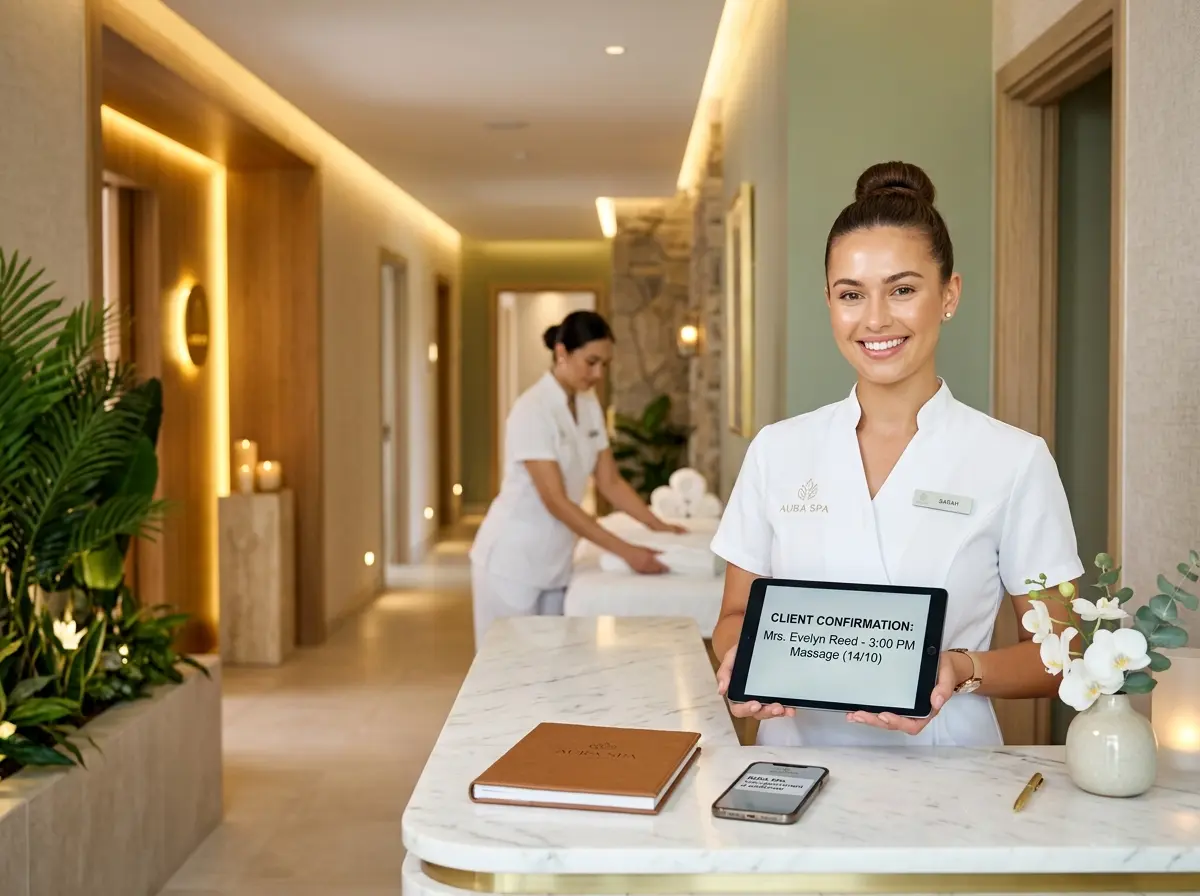
- 72 hours before: A personalized reminder via SMS asking the client to confirm with a simple one-tap reply. Non-responses were flagged for a follow-up call.
- 24 hours before: A final reminder with directions, parking info, and a direct phone number if they needed to reach someone quickly.
- Morning of: A brief, friendly check-in message with a direct link to reschedule if something came up — removing the guilt and friction of canceling.
Within 90 days of implementing this flow, Restore Wellness reduced their no-show and last-minute cancellation rate from 28% to under 11%. That's not magic. That's communication.
The Reschedule Escape Hatch (And Why It Actually Helps You)
One of the most counterintuitive elements of their strategy was making it easy to cancel. This feels wrong until you think it through. When clients can't easily reschedule, they don't call — they just don't show up. When you give them a low-friction way to notify you in advance, you get your slot back with enough time to fill it. An advance cancellation 48 hours out is an opportunity. A no-show at 10 AM is just lost money.
The morning-of message with a reschedule link was particularly effective. It communicated that the clinic understood life happens — while simultaneously getting clients to consciously re-commit or formally release the appointment. That small psychological nudge made a measurable difference.
How Automation and AI Reception Can Support Your Confirmation Flow
Closing the Gaps With Smarter Tools
Even a well-designed confirmation flow has weak spots, and one of the biggest is the phone. Clients who want to confirm, reschedule, or ask a quick question before their appointment will often just call — and if nobody picks up, they either leave a voicemail that gets checked hours later or, more commonly, they interpret the silence as a reason to bail. A missed call at the wrong moment can undo everything your automated reminders worked to build.
This is where Stella, the AI robot employee and phone receptionist, fits naturally into the picture. Stella answers every call — 24 hours a day, seven days a week — with the same knowledge your front desk staff would use. She can answer questions about appointment prep, clinic policies, parking, and services without pulling anyone away from a session. For clinics with a physical location, she also operates as a kiosk inside the space, greeting arriving clients and proactively sharing information about services and promotions. Her built-in CRM and intake forms make it easy to capture client information during calls or at the kiosk, so your team always has context before a client even walks through the door.
Building a Confirmation Flow That Actually Holds Up
Choosing the Right Cadence for Your Clinic
Not every business needs a four-message confirmation sequence. A lot depends on your appointment lead time, your client demographics, and the nature of your services. A 90-minute deep tissue massage booked three weeks in advance warrants more touchpoints than a 20-minute express facial booked yesterday. The goal is to stay present in your client's mind without becoming the business that texts them every twelve hours until they consider blocking your number.
A reasonable rule of thumb: one confirmation at booking, one reminder at 72 hours with a response mechanism, and one final reminder the day before. For high-value or long-duration appointments, add the morning-of check-in. Keep the tone warm and human — even automated messages don't have to sound like they were written by a terms-of-service document.
What to Include (and What to Leave Out)
Every message in your confirmation flow should have a clear purpose and a clear action. Clients should always know what you want them to do — confirm, reply, click, call. Avoid cluttering reminders with promotional content or long policy disclaimers. Save that for the booking confirmation itself, when clients are still engaged and expecting to read details.
The most effective reminders are short, specific, and personal. Use the client's first name. Include the practitioner's name if your clinic has multiple staff. Mention the service. Give a time and a location. That's genuinely all you need. Everything else is noise that reduces the chance they'll take the one action you actually want.
What to Do When They Don't Respond
A non-response to your 72-hour confirmation request is a yellow flag, not a red one — but it does warrant action. Build a workflow that flags unconfirmed appointments for a brief personal phone call from your front desk. It doesn't have to be a long conversation. A 60-second call — "Hi, just checking in on your appointment tomorrow, wanted to make sure everything still works for you!" — has a remarkably high rate of either locking in the commitment or surfacing a cancellation early enough to fill the slot. People respond very differently to a human voice than to an automated text, especially for wellness services that are inherently personal.
If your front desk doesn't have bandwidth for those calls, that's a separate (but solvable) staffing conversation — one where AI phone tools can play a meaningful supporting role.
Quick Reminder About Stella
Stella is an AI robot employee who works as both an in-store kiosk and a 24/7 phone receptionist — available for any business at just $99 per month with no upfront hardware costs. She handles calls, greets customers, manages intake, and keeps your front desk from becoming a bottleneck. For wellness clinics managing high appointment volumes, she's the kind of staff member who never calls in sick right before a busy Saturday.
Your Next Steps Toward a Tighter Calendar
Reducing last-minute cancellations isn't about punishing clients or implementing draconian deposit policies (though deposits do help — that's a whole other post). It's about building a communication system that keeps your clients engaged, informed, and gently accountable between the moment they book and the moment they show up.
Start by auditing your current confirmation process honestly. How many touchpoints do you have? How easy is it for clients to confirm or reschedule? Are your reminders actually getting responses, or disappearing into the void? If you don't know the answers to those questions, that's your first action item.
Then build your flow intentionally — the right number of messages, at the right times, with clear calls to action and a frictionless path for early cancellations. Pair that with a phone presence that's actually reachable, and you'll find that clients who once ghosted you are suddenly showing up — or at least giving you the courtesy of a heads-up when they can't.
Your calendar is one of your most valuable business assets. It's worth protecting it like one.