The Loyalty Program Trap Most Restaurants Fall Into
You launched a loyalty program. You printed the cards, set up the app, maybe even ran a big promotional push to get customers signed up. And now, a few months later, you're staring at the numbers and wondering why your most loyal customers seem to be the ones who signed up, collected their free coffee, and disappeared forever. Sound familiar?
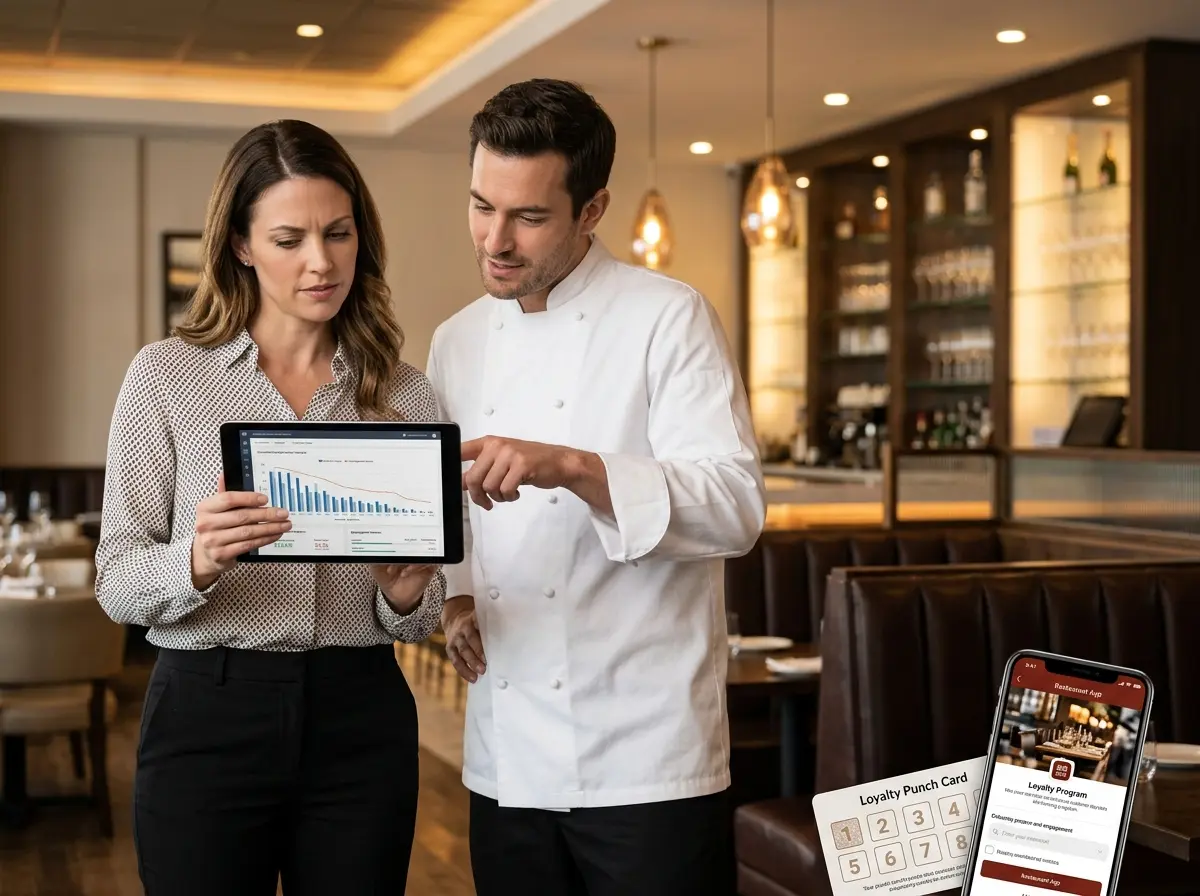
Here's the uncomfortable truth: most restaurant loyalty programs don't actually build loyalty. They build deal-seekers. There's a meaningful difference between a customer who returns because they genuinely love your food and experience, and one who returns because they're eleven punches away from a free appetizer. When the punches run out — or when the competitor across the street offers a better deal — that second type of customer is gone without a second thought.
The good news? This is a fixable problem. The even better news? Fixing it doesn't require scrapping everything and starting over. It requires a smarter approach to how you engage customers, collect data, and create experiences that actually make people want to come back. Let's dig in.
Why Traditional Loyalty Programs Miss the Mark
They Reward Transactions, Not Relationships
The classic punch card model — and many of its digital equivalents — is fundamentally transactional. Buy ten, get one free. It's a discount structure dressed up in loyalty clothing. The problem is that true customer loyalty isn't built through discounts; it's built through connection. When a customer feels known, valued, and genuinely welcomed, they don't need a coupon to come back.
Research consistently shows that emotionally connected customers are more than twice as valuable as highly satisfied customers. They visit more frequently, spend more per visit, and are far more likely to recommend your restaurant to others. No punch card accomplishes that. What does? Personalized experiences, staff who remember preferences, and a brand that communicates like it actually knows who you are.
They Collect Data and Do Nothing With It
Many loyalty platforms promise powerful customer insights. And technically, they deliver — you get spreadsheets full of visit frequency, average spend, and redemption rates. But most restaurant owners, who are already stretched thin running an actual restaurant, never have the time to translate that data into action. The data sits in a dashboard. The customers keep getting the same generic email blasts about your Tuesday special.
Personalization is no longer optional. A 2023 McKinsey report found that 71% of consumers expect companies to deliver personalized interactions, and 76% get frustrated when this doesn't happen. If your loyalty program is sending the same birthday discount to everyone regardless of what they actually order or how often they visit, you're not personalizing — you're just automating indifference.
They Create Complexity Without Value
Have you ever tried to explain your loyalty program to a customer at the register while three people wait behind them? If the explanation takes more than fifteen seconds, the program is too complicated. Customers don't want to manage a second relationship with your restaurant — they want to enjoy their meal. Points that expire, tiered reward structures, and app-only redemptions create friction that erodes whatever goodwill the program was designed to build.
Simplicity wins. If customers can't immediately understand what they get and how to get it, they'll opt out mentally long before they opt out officially.
A Smarter Way to Engage Your Customers (With a Little Help)
Capture the Right Information at the Right Moment
The foundation of a better loyalty strategy is better customer data — collected naturally, not through a clunky sign-up form nobody wants to fill out. This is where technology can genuinely transform your approach. Stella, the AI robot employee and phone receptionist, collects customer information through conversational intake forms — whether that's during a phone call, at her in-store kiosk, or on the web. Instead of handing someone a clipboard or pushing an app download, Stella simply has a natural conversation and captures what matters: preferences, contact details, dietary restrictions, or whatever your business needs to know.
That information flows directly into Stella's built-in CRM, where you can add custom fields, tags, and notes, and where AI-generated customer profiles help you understand who's walking through your door. When you actually know your customers, building real loyalty becomes a lot more straightforward.
Use Engagement Tools That Work Around the Clock
Stella also answers your phones 24/7 — which matters more than most restaurant owners realize. A customer who calls at 9 PM to ask about your weekend specials and gets a voicemail is a customer who's probably calling your competitor next. Stella answers with the same knowledge she uses in person, promotes current deals, and ensures no inquiry falls through the cracks. It's not a loyalty program, but it's a loyalty-building experience.
What Actually Works Instead
Build Personalized Communication Sequences
Once you have real customer data, use it. A customer who orders vegetarian dishes shouldn't be getting promotional emails about your new bacon burger. Someone who visits every Friday night is a very different customer than someone who only comes in for special occasions — and they deserve to be treated differently. Segment your customer base and communicate accordingly.
This doesn't have to be elaborate. Even basic segmentation — frequent visitors, lapsed customers, high-spend customers — allows you to send messages that feel relevant rather than random. A simple "We miss you" message to someone who hasn't visited in 60 days will outperform a generic promotional blast every single time. Pair it with a genuinely compelling offer (not just a discount, but an experience — early access to a new menu item, an invitation to a tasting event, a personalized recommendation based on past orders) and you're building something that actually resembles loyalty.
Make the In-Person Experience Unforgettable
No loyalty program survives a bad experience. If the food is inconsistent, the service is indifferent, or the atmosphere feels like an afterthought, no amount of points will keep customers coming back. The single most effective loyalty strategy is also the least glamorous one: be reliably excellent.
Train your staff to recognize and acknowledge returning customers. Empower them to make small, meaningful gestures — a complimentary dessert for a regular celebrating a birthday, a heads-up when a favorite seasonal dish is coming back. These moments cost almost nothing and generate the kind of word-of-mouth marketing that no ad budget can replicate. According to Nielsen, 92% of consumers trust recommendations from friends and family over all other forms of advertising. Your loyal customers are your best marketing channel — treat them like it.
Create Community, Not Just Customers
The restaurants that generate genuine, durable loyalty aren't just selling food — they're creating a sense of belonging. Think about the neighborhood spot where everybody knows your name (yes, that reference was intentional). People return not just for the menu but for the feeling of being part of something. You can cultivate that deliberately through events, partnerships with local businesses, social media that feels genuinely human, and a brand voice that reflects real personality.
Invite your best customers into the story of your restaurant. Share behind-the-scenes content. Ask for their input on new menu items. Celebrate milestones publicly. When customers feel invested in your success, their loyalty stops being transactional and becomes something much more durable — something no competitor can poach with a flashier punch card.
A Quick Reminder About Stella
Stella is an AI robot employee and phone receptionist built for businesses like yours — greeting customers at her in-store kiosk, answering phones around the clock, collecting customer information, managing contacts through a built-in CRM, and promoting your specials without taking a single break. She runs on a straightforward $99/month subscription with no upfront hardware costs, which makes her one of the more practical investments a busy restaurant owner can make. If you're rethinking your customer engagement strategy, she's worth a serious look.
The Bottom Line: Stop Rewarding Transactions, Start Building Relationships
Loyalty programs aren't inherently bad. They're just badly suited to doing the one thing their name promises, when implemented without intention. The restaurants that win long-term customer loyalty aren't necessarily the ones with the best apps or the most generous rewards structures — they're the ones that make customers feel genuinely valued, consistently deliver a great experience, and use data thoughtfully to personalize how they communicate.
Here's your action plan to get started:
- Audit your current loyalty program. Look honestly at redemption rates, retention data, and customer lifetime value. Are your "loyal" customers actually returning more often and spending more? Or are they just couponers in disguise?
- Invest in better customer data collection. Use conversational tools, intake forms, or CRM systems that capture meaningful information without creating friction for your customers.
- Segment and personalize your outreach. Even simple segmentation will dramatically improve how your communications land. Stop sending the same message to everyone.
- Obsess over the in-person experience. No retention strategy compensates for a forgettable meal or indifferent service. Excellence is the foundation everything else is built on.
- Think community, not just customers. Create reasons for people to feel connected to your restaurant beyond the transaction.
Your best customers are out there. They want to be loyal. Give them something worth being loyal to — and then make it embarrassingly easy for them to stay connected. The punch card had its moment. It's time to move on.