First Impressions Last — Especially When They're Terrible
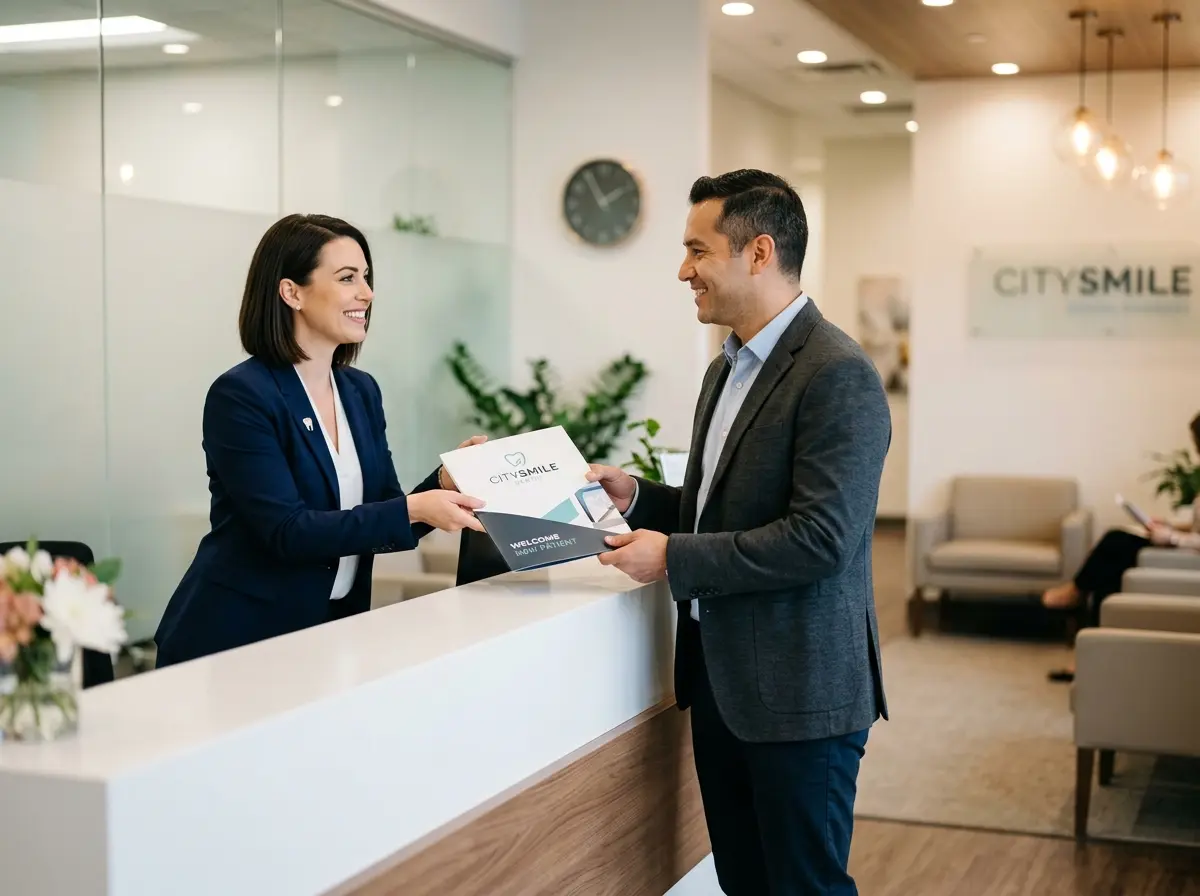
You've spent thousands of dollars on Google ads, dental SEO, and maybe even a billboard or two featuring your most photogenic smile. A new patient finally books an appointment. Victory, right? Well, not quite — because the moment they walk through your door, the real test begins. And if your new patient welcome packet is a photocopied stack of forms that looks like it was designed in 2003 and last updated sometime before Instagram existed, you might be losing patients you worked incredibly hard to acquire.
What a Great Welcome Packet Actually Does for Your Practice
It Builds Trust Before the Chair
Dental anxiety is real — studies suggest that anywhere from 9% to 20% of Americans avoid the dentist due to fear or anxiety. For many patients, the period between booking and arriving is filled with low-grade dread. A thoughtful, well-designed welcome packet is your opportunity to calm those nerves before they've even sat down. When a patient receives clear, organized, and warm communication ahead of their visit, it signals that your practice is competent, caring, and — critically — worth trusting.
It Reduces Chaos at the Front Desk
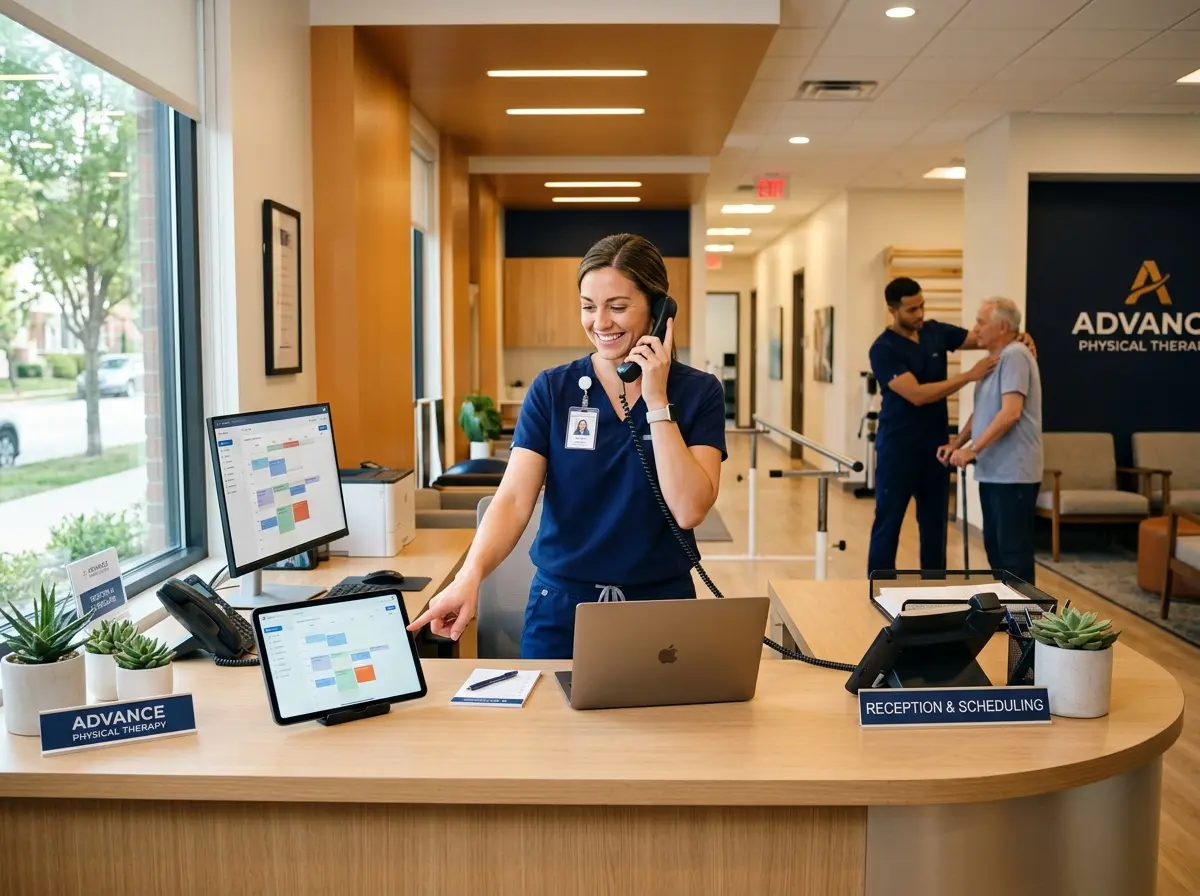
If your front desk staff is manually collecting health history forms, insurance information, and emergency contact details while simultaneously answering phones and checking in other patients — congratulations, you've built yourself a very stressful small circus. A comprehensive welcome packet that patients complete before their appointment (especially when offered digitally) dramatically reduces that morning-of scramble.
It Communicates Your Practice's Value Proposition
Think of it this way: if a patient comes in for a cleaning and later discovers their friend went to your practice for Invisalign, they'll wonder why nobody told them. The welcome packet is where you tell them. Done well, it's not pushy — it's genuinely helpful.
Streamlining the Intake Experience (Without Adding More Work)
How Technology Can Handle the Heavy Lifting
Stella, the AI robot employee and phone receptionist, is built exactly for this kind of workflow. When a new patient calls to book their first appointment, Stella can answer the call 24/7, collect key intake information through a natural conversation, and log it directly into a built-in CRM — complete with custom fields, tags, and AI-generated patient profiles. No voicemail tag. No "I'll have someone call you back." Just a smooth, professional experience from the very first phone call. And for practices with a physical location, Stella's in-office kiosk presence means new patients arriving at the front can be greeted, guided, and even helped through check-in steps — freeing your team to focus on clinical care rather than administrative triage.
Building a Welcome Packet That Actually Works
The Must-Have Components
- A personalized welcome letter from the dentist — warm, brief, and human.
- Practice overview — your philosophy, team bios, and what makes your office different.
- Complete health history form — medical conditions, medications, allergies, and dental history.
- Insurance and billing information — accepted plans, payment policies, and financing options.
- Office policies — cancellation policy, appointment reminders, and patient expectations.
- Services overview — a clear, jargon-free list of what you offer.
- HIPAA authorization forms — because legally, you know, you have to.
- Emergency contact and consent forms.
Design and Tone Matter More Than You Think
Timing and Delivery Are Part of the Experience
A welcome packet that arrives the morning of the appointment is better than nothing, but not by much. Aim to send your digital welcome packet at least 48–72 hours before the first visit. This gives patients enough time to complete forms thoughtfully, ask questions if they have them, and arrive feeling prepared rather than ambushed.
Quick Reminder About Stella
Stella is an AI robot employee and phone receptionist built for businesses like yours. She answers calls around the clock, greets patients in-office, collects intake information conversationally, and keeps everything organized in a built-in CRM — all for just $99/month with no upfront hardware costs. She doesn't take lunch breaks, doesn't call in sick, and never puts a new patient on hold to go find someone who can answer a simple question.
Put the Welcome Back in Welcome Packet
- Audit what you're currently sending. Pull out your existing welcome packet and read it like a new patient would. Be honest. If it's confusing, outdated, or visually chaotic — you already know what to do.
- Switch to a digital-first format. Offer a mobile-friendly digital packet sent automatically at the time of booking. Keep a physical version available for patients who need it, but stop making digital your backup option.
- Rewrite your forms in plain language. If a patient needs a law degree to understand your cancellation policy, simplify it.
- Add a services page. Don't assume patients know everything you offer. Tell them, clearly and invitingly.
- Set a delivery timeline. 48–72 hours before the appointment is the sweet spot. Automate it so it happens without anyone on your team having to remember.
- Review annually. Your packet should reflect your current services, current team, and current policies. Put a recurring reminder on your calendar to review it every year — or whenever something significant changes.