Your Recall System Is "Working" — Just Not for You
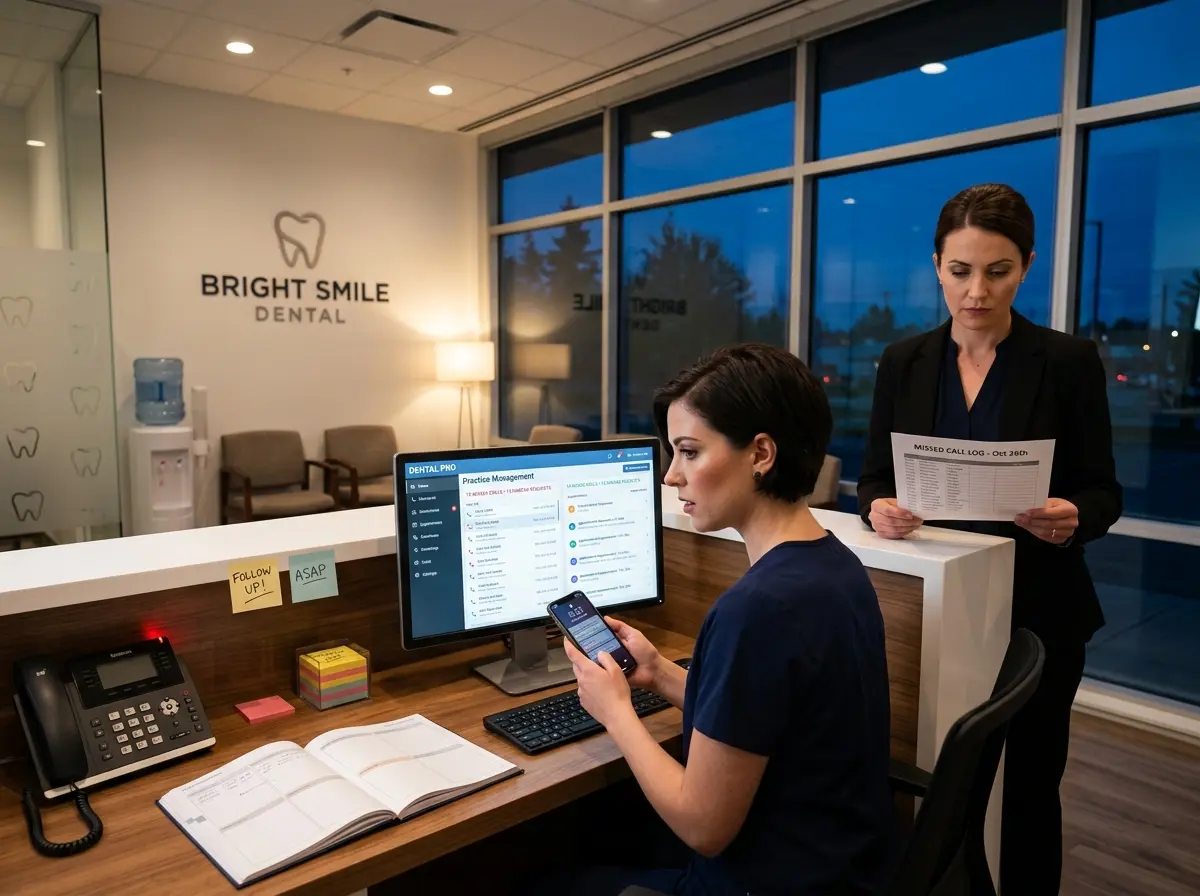
Let's set the scene: it's a Tuesday afternoon, your front desk coordinator is juggling three incoming calls, a patient checking in, and a stack of insurance paperwork. Somewhere in between all of that, she dutifully sends out a batch of recall postcards and marks a handful of patients as "contacted." The system, on paper, is functioning. Patients are being reached out to. Boxes are being checked.
And yet — your hygiene chairs have more empty slots than a hockey player's smile.
Here's the uncomfortable truth most dental practice owners don't want to hear: a recall system that is technically running is not the same as a recall system that is actually working. If your reappointment rate is sitting below 85%, if your hygiene schedule has chronic gaps, or if you're finding that patients who were "contacted" somehow still didn't come back, you don't have a recall system. You have a recall ritual — one that makes everyone feel productive without producing the results you actually need.
The good news? The problems are fixable. And understanding why they're happening is more than half the battle.
The Hidden Flaws in the Traditional Recall Process
The Follow-Up Gap: One Touch Is Never Enough
Most practices send one postcard, one email, maybe one automated text — and then consider the patient "recalled." When the patient doesn't respond, they're quietly shuffled into the overdue pile, never to be heard from again (until they show up with a cracked molar that's been bothering them for two years).
Research consistently shows that patient recall requires multiple touchpoints across multiple channels before a significant portion of patients will actually schedule. Some studies in healthcare communication suggest it can take five to eight contacts before a patient acts. Five to eight. That postcard you sent in March? It's lining someone's birdcage.
An effective recall system staggers its outreach: an initial reminder, a follow-up text a week later, a phone call the week after that, and perhaps a final email before the patient is flagged for a more personal outreach from a team member. Most practices do step one. Almost none consistently complete steps two through five.
The Data Problem: Garbage In, Garbage Out
Your recall system is only as good as the data feeding it. If patient contact information isn't regularly updated, if email addresses are outdated, or if phone numbers lead to voicemail purgatory — your automated reminders are essentially being launched into the void.
Beyond basic contact info, many practices also fail to segment their recall lists in any meaningful way. A patient who hasn't been in for 13 months needs a very different message than one who's 3 months overdue. A patient with periodontal disease has different urgency than a patient due for a routine cleaning. Sending everyone the same generic "it's time for your cleaning!" message is the dental equivalent of handing out the same prescription to every patient regardless of their chart. Technically, you did something. Practically, you've helped almost no one.
The Accountability Gap: Who Actually Owns Recall?
Ask yourself: who is specifically responsible for your recall system's success? If your answer is "everyone," the real answer is no one. Recall efforts that are spread across multiple team members without clear ownership, defined metrics, or dedicated time tend to fall apart the moment things get busy — which in a dental practice, is basically always.
High-performing practices assign a specific team member as the recall coordinator, establish weekly targets for reactivated patients, and review those numbers in morning huddles. They treat recall like a revenue strategy — because that's exactly what it is. A hygiene chair that's full costs you nothing extra in overhead. An empty one is pure loss.
How the Right Tools (Including a Little AI) Can Help
Automating Without Losing the Human Touch
One of the most common objections to automating recall is the fear that it will feel impersonal. And that's a fair concern — nobody wants to feel like a line item in a software database. But here's the thing: a warm, personalized automated message delivered consistently and on time is far more effective than a personal message that never gets sent because your front desk coordinator got pulled into an insurance dispute.
This is where Stella — the AI robot employee and phone receptionist — can quietly become one of the most useful tools in your practice's front-office arsenal. Stella answers incoming calls 24/7 with the same consistent, friendly professionalism you'd expect from your best team member. When a patient calls after hours to schedule their overdue hygiene appointment (because patients are inconvenient like that), Stella handles it. She can also collect patient information through conversational intake forms, and her built-in CRM keeps that data organized with custom fields, tags, notes, and AI-generated profiles — so your team starts every patient interaction with full context, not a guessing game.
For a dental practice managing an active recall program, having Stella handle inbound scheduling calls and capture lead information around the clock means fewer missed opportunities and a CRM that actually stays current.
Building a Recall System That Actually Converts
Redesign Your Outreach Sequence from Scratch
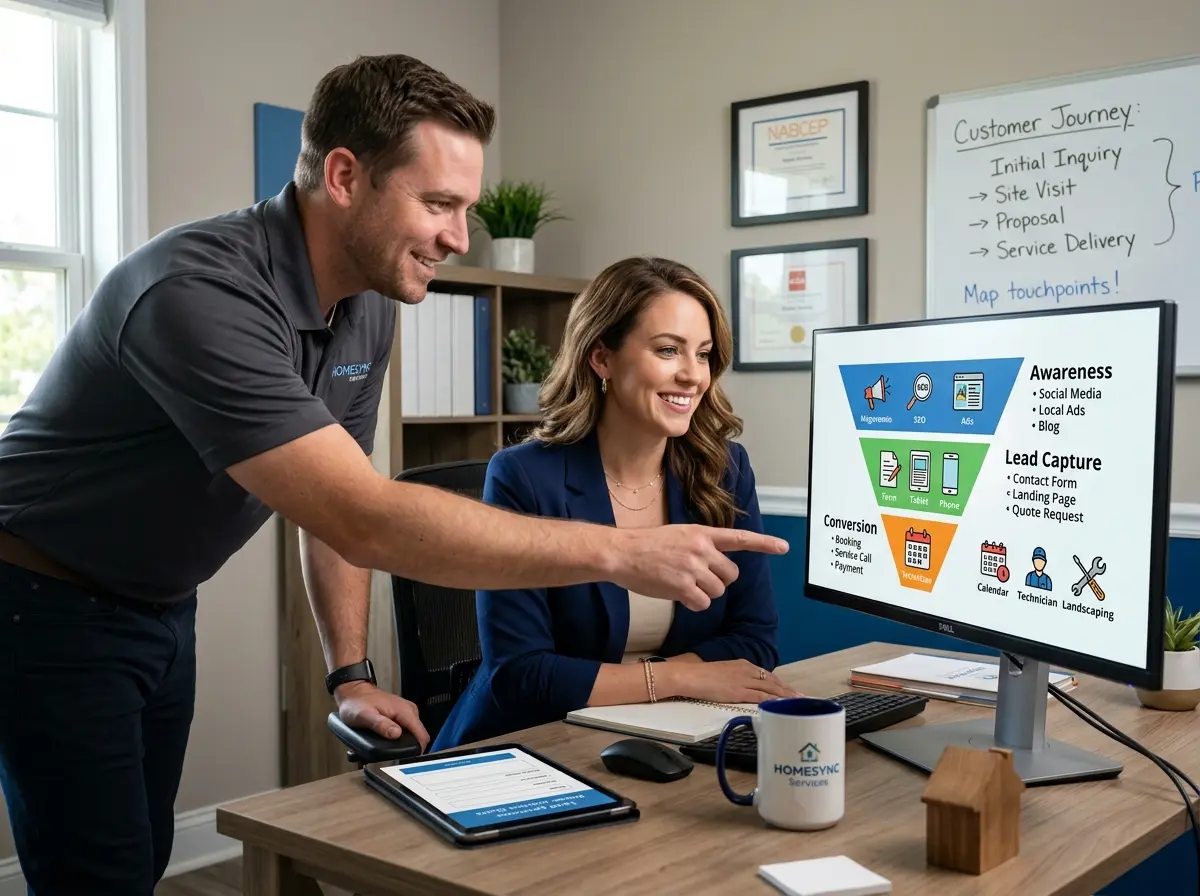
If your current recall process was designed more than two years ago and hasn't been revisited since, it's time for a full audit. Start by mapping out your current patient journey from "appointment completed" to "next appointment booked." Where does the handoff happen? Where do patients fall off? Once you identify the gaps, you can build a proper multi-step sequence with clear timing, channel diversity (phone, email, text), and escalation steps for patients who don't respond.
A solid baseline sequence for a general recall patient might look like this:
- 4 weeks before due date: Automated email reminder with an online scheduling link
- 2 weeks before due date: Text reminder with a one-tap reply to confirm or reschedule
- 1 week before due date: Automated phone call or voicemail drop
- Day of due date: Final email nudge from the practice
- 2 weeks overdue: Personal phone call from a team member
- 6 weeks overdue: Reactivation campaign with a targeted message or special offer
Adjust timing and messaging for different patient segments. Perio patients, pediatric patients, and patients with dental anxiety all warrant different approaches — and your system should be sophisticated enough to accommodate that.
Make It Effortless for Patients to Say Yes
Even the most motivated patient will procrastinate if booking an appointment requires effort. Every recall touchpoint should include a direct, frictionless path to scheduling — an online booking link, a one-click reply, or a phone number that's actually answered promptly. If a patient has to navigate a voicemail tree or wait on hold, you've lost momentum, and momentum is everything in patient reactivation.
Consider also the role of incentives for long-overdue patients. A complimentary whitening treatment, a waived cancellation fee, or a simple "we miss you" personal note from their hygienist can move the needle significantly for patients who've been avoiding making that call. The lifetime value of a retained patient far exceeds the cost of a small goodwill gesture.
Track What's Actually Working
You cannot improve what you don't measure. Set clear KPIs for your recall system: monthly reactivation rate, percentage of overdue patients contacted, show rate for recall appointments, and revenue generated from recalled patients. Review these numbers monthly — not annually — and hold your recall coordinator accountable to improving them over time. Small, consistent improvements in your reactivation rate can translate to tens of thousands of dollars in additional annual revenue for a practice of any meaningful size.
A Quick Reminder About Stella
Stella is an AI robot employee and phone receptionist designed to help businesses like dental practices run more efficiently without adding headcount. She answers calls 24/7, manages a built-in CRM with intake forms and AI-generated patient profiles, and provides a consistent, professional presence whether your doors are open or not — all for $99 a month with no upfront hardware costs.
Your Recall System Deserves a Real Audit — Starting Today
If there's one thing to take away from all of this, it's that hope is not a recall strategy. Sending a postcard and hoping patients book is not a system. It's a wish. And wishes, as lovely as they are, don't fill hygiene chairs.
Here's your action plan for the next 30 days:
- Audit your current recall data. How old is the average patient contact record? When did you last validate phone numbers and email addresses?
- Map your current outreach sequence. Write it down. If you can't describe it clearly in a paragraph, your team can't execute it consistently.
- Assign ownership. Name one person responsible for recall metrics and give them dedicated time each week.
- Set a 90-day reactivation goal. Pick a specific number of overdue patients to reactivate and build a targeted campaign around that list.
- Evaluate your phone and scheduling experience. Are patients reaching a live voice or an AI that's ready to help? Are they able to book easily after hours?
Your recall system might feel like it's working because the motions are happening. But motion and momentum are very different things. Build a system with clear ownership, multi-touch outreach, clean data, and effortless booking — and you'll stop wondering why your hygiene schedule has gaps and start wondering what to do with all that additional revenue.
That's a much better problem to have.