Stop Showing Up to Bids With Just a Ladder and a Prayer
Let's be honest — most roofing bids look the same. You show up, you squint at the roof, maybe you climb up there, snap a few blurry photos on your phone, and hand the homeowner a quote that they'll compare against four other identical-looking quotes. Then you wait. And wonder. And maybe follow up with an awkward phone call that goes to voicemail.
Here's the uncomfortable truth: clients can't tell the difference between a great roofer and a mediocre one until it's too late — and by then, they've already chosen someone else. In a market where differentiation is everything, a drone inspection program isn't just a cool gadget flex. It's a genuine competitive advantage that builds trust, speeds up decisions, and closes more bids. If you're not already using drones in your inspection process, you're essentially showing up to a gunfight with a tape measure.
This post walks you through how to build a drone inspection program that actually impresses clients, what to do with all that beautiful aerial footage, and how to turn inspections into a repeatable sales tool that works even when you're not in the room.
Building a Drone Inspection Program That Does More Than Look Cool
Choosing the Right Equipment Without Going Broke
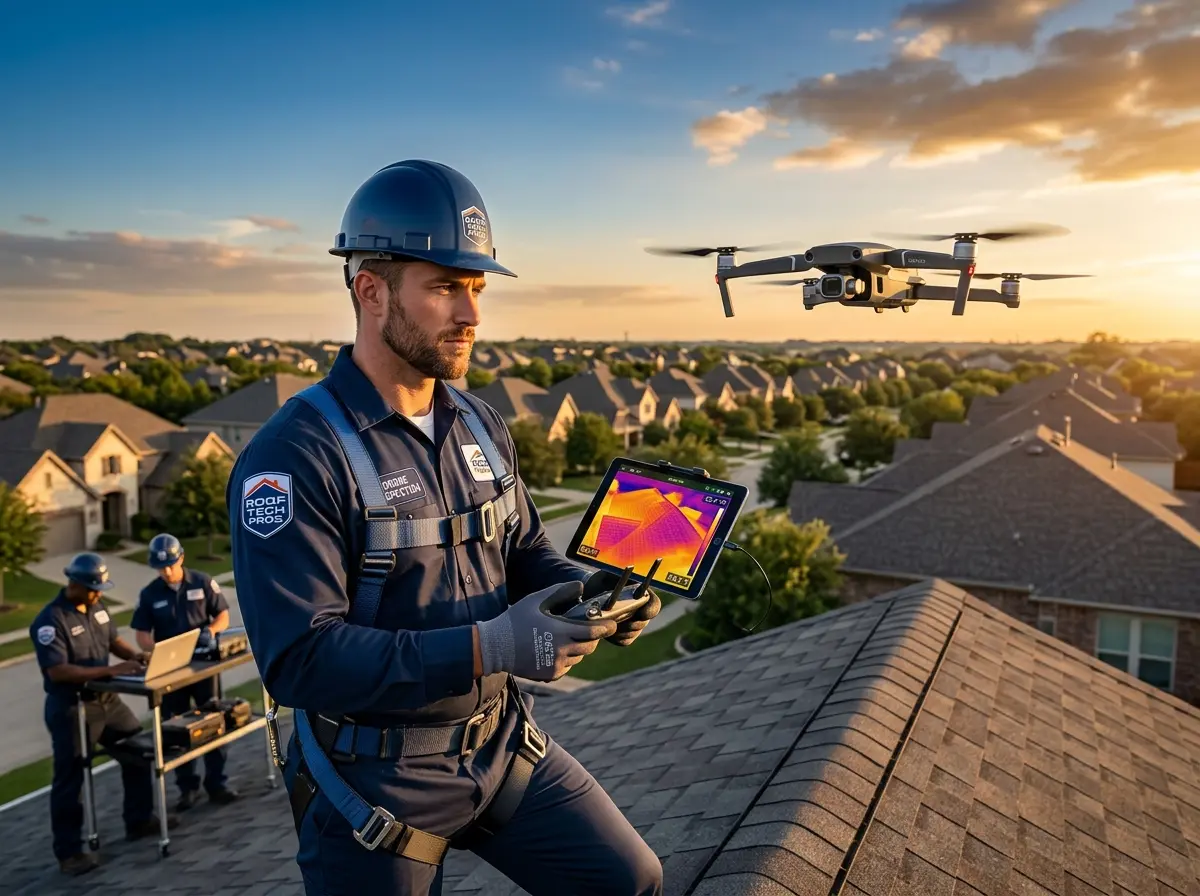
You don't need to spend $10,000 on a cinema-grade drone to run a professional inspection program. For most roofing companies, a mid-range commercial drone in the $1,500–$4,000 range hits the sweet spot between image quality and durability. The DJI Mavic 3 Pro and the Autel EVO II Pro are popular choices among roofing contractors because they offer high-resolution cameras, obstacle avoidance, and enough flight time to cover large commercial rooftops without constant battery swaps.
More important than the drone itself is your pilot certification. The FAA requires a Part 107 Remote Pilot Certificate for any commercial drone use — and yes, using a drone to win paying clients absolutely counts as commercial use. The test isn't brutal, but it does require studying, so budget a few weeks of prep time. Some companies choose to hire a certified drone pilot as a subcontractor initially, which is a perfectly reasonable way to get started before investing in in-house certification.
Structuring the Inspection for Maximum Client Impact
The goal of a drone inspection isn't just documentation — it's persuasion. A well-structured drone inspection report does more selling than any sales pitch you could deliver. Here's how to make it count:
- Capture a full aerial overview before getting into detail shots. Clients love seeing the big picture first.
- Document problem areas with close-up footage — missing shingles, flashing issues, sagging sections, and debris buildup all photograph dramatically well from above.
- Use annotation software like Hover, EagleView, or even basic video editing tools to add callouts directly on the footage.
- Deliver a polished PDF or video report rather than dumping raw footage into a text message. Presentation matters.
When a homeowner can literally see the problem on their own roof — in high definition, from an angle they've never seen before — the conversation shifts from "do I need this?" to "how soon can you fix it?" That's a completely different sales dynamic, and it's one that strongly favors the contractor who brought the drone.
Pricing the Drone Inspection as a Standalone Service
Many roofing companies make the mistake of giving drone inspections away for free as part of every quote. While that can work as a loss leader, consider offering a paid inspection tier at $150–$350 for homeowners who want a detailed roof assessment without committing to a replacement. This accomplishes two things: it immediately qualifies serious buyers, and it positions your company as a professional service provider rather than just another contractor fishing for work. Companies that have adopted paid inspection models often report that the close rate on post-inspection bids is significantly higher — because the client has already invested something.
Keeping Your Office Running While You're on the Roof
Let Technology Handle the Phones So You Don't Have to
Here's a scenario that plays out constantly in roofing companies: your crew is out on a job, the office manager is juggling paperwork, and a potential client calls to ask about your drone inspection service. Nobody answers. They call the next company on the list. You lose the bid before it ever became a bid.
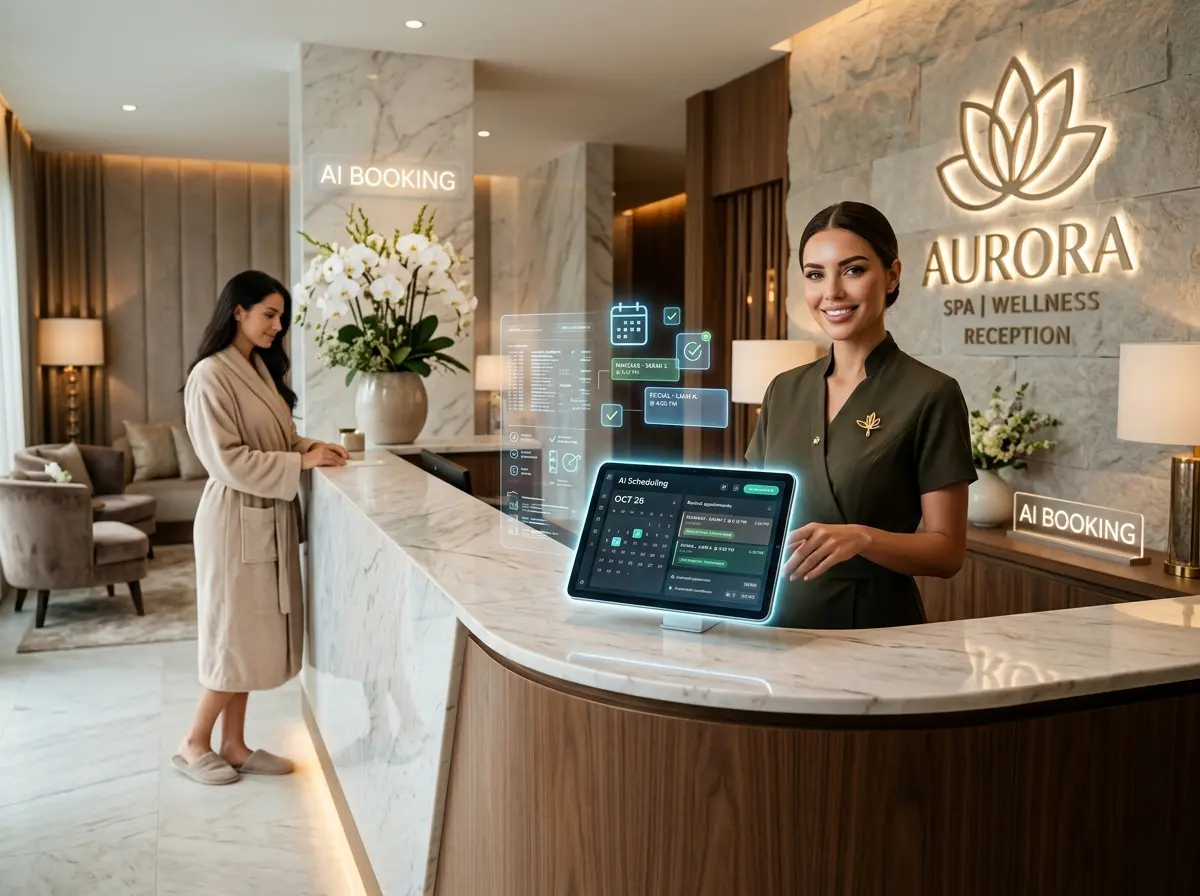
Stella, the AI robot employee and phone receptionist, solves exactly that problem. She answers calls 24/7, can explain your drone inspection program in detail, collect caller information through conversational intake forms, and even flag high-priority leads for a callback — all without pulling a single human away from actual work. For roofing companies with a physical showroom or office, Stella's in-store kiosk presence means walk-in clients get a professional greeting and instant answers about your services, financing options, and inspection process even when your sales staff is out in the field. You worked hard to build a service worth calling about — make sure someone's always there to answer.
Turning Drone Footage Into a Sales and Marketing Engine
Using Before-and-After Content to Win Online
Drone footage is not just a sales tool — it's a content goldmine. Before-and-after aerial shots of a completed roof replacement are the kind of content that performs exceptionally well on social media, particularly on Facebook and Instagram where homeowners are your primary audience. A well-edited 60-second video showing the problem, the process, and the finished result can generate more qualified leads than a month of traditional advertising.
Consider building a content calendar around your inspections. Every significant job is an opportunity for a case study — document the initial drone inspection findings, show the work in progress, and cap it with a stunning aerial shot of the finished roof. Post it. Boost it. A single viral before-and-after post has driven five-figure revenue for roofing companies that had the footage ready and the sense to use it. You're already going to be up there with the drone — you might as well make the footage work twice.
Building Referral and Warranty Programs Around Inspections
A drone inspection program also creates a natural foundation for a recurring revenue model — something most roofing companies completely ignore. Offer an annual or biannual "Roof Health Check" subscription where clients pay a flat fee for a regular drone inspection and written condition report. This keeps you in front of existing clients, catches small problems before they become expensive emergency calls, and builds the kind of long-term relationship that generates referrals.
Pair this with a documented inspection history and you've given homeowners something genuinely valuable: a visual record of their roof's condition over time. When it does come time for a replacement, they'll call you first — because you've been the one watching over their home for years.
Equipping Your Sales Team With Inspection-Driven Proposals
Drone inspection data integrates beautifully with modern roofing estimation software like JobNimbus, AccuLynx, or Contractor Foreman. Instead of hand-written notes and rough sketches, your proposals can include aerial photography, annotated damage reports, and precise measurements pulled directly from the inspection. This level of professionalism communicates competence before a single word is spoken in your follow-up call. Clients notice. Proposals with visual documentation close at measurably higher rates than text-only quotes — some roofing contractors report improvement in close rates of 20–30% after making the switch to inspection-backed proposals.
A Quick Word About Stella
Stella is an AI robot employee and phone receptionist designed to help business owners like you stop losing customers to unanswered calls and unstaffed front desks. She works 24/7, knows your business inside and out, and starts at just $99/month — no hardware costs, no onboarding headaches. While you're busy closing bids and flying drones, Stella makes sure the phone is always answered and the next client is always welcomed.
Your Next Move: Build the Program and Let It Sell for You
A drone inspection program doesn't have to be complicated, expensive, or fully formed on day one. Start with a certified drone, a solid report template, and a commitment to delivering a visually compelling client experience on every inspection. Then build from there — add paid inspection tiers, develop a content strategy around your footage, and explore recurring inspection subscriptions as a revenue stream.
The roofing companies winning the most bids right now aren't necessarily the ones with the best crews or the lowest prices. They're the ones that look the most professional, communicate the most clearly, and make clients feel confident in the decision before a single shingle is touched. A drone inspection program is one of the most powerful ways to get there.
Get your Part 107, buy the drone, build the report template, and start showing up to bids like you mean it. Your competitors are still squinting at roofs from the driveway — and that's a gap you can absolutely exploit.