Introduction: The Waiting Room Hunger Games
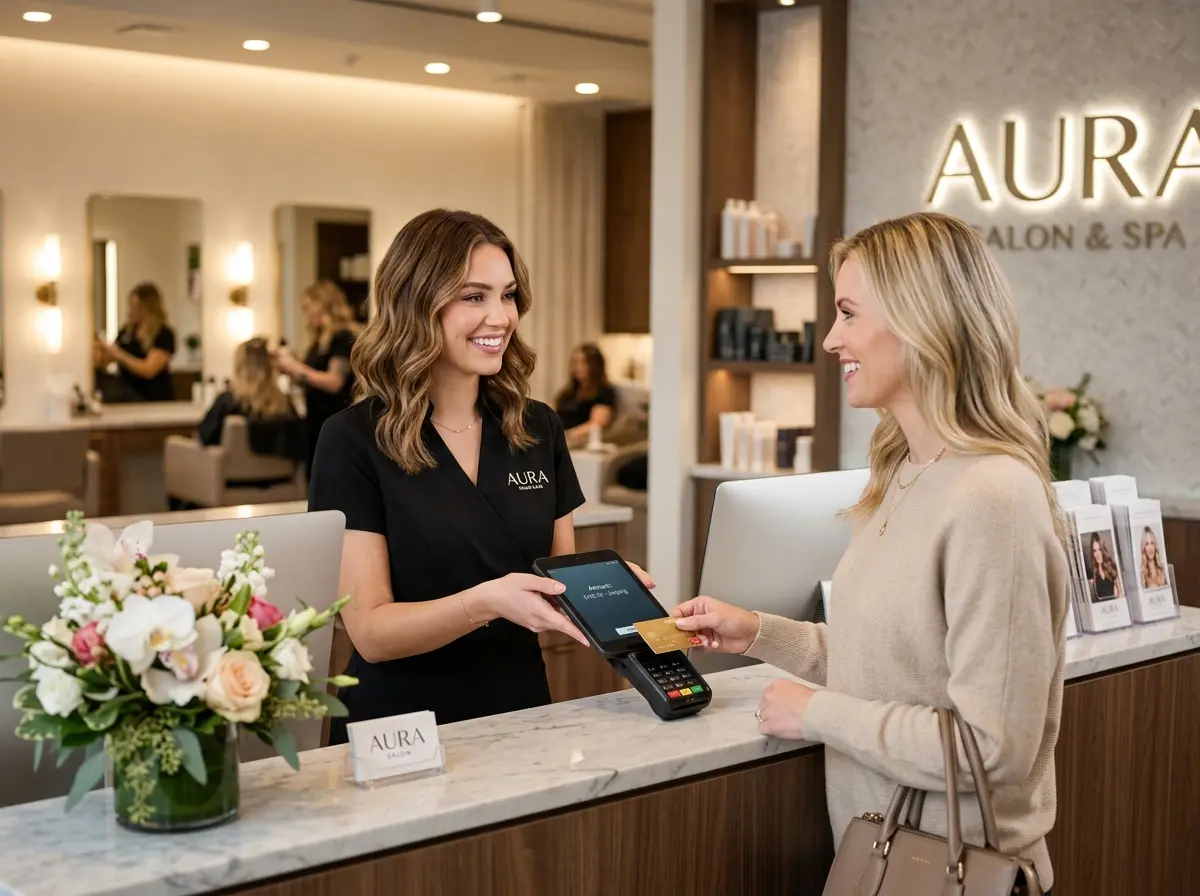
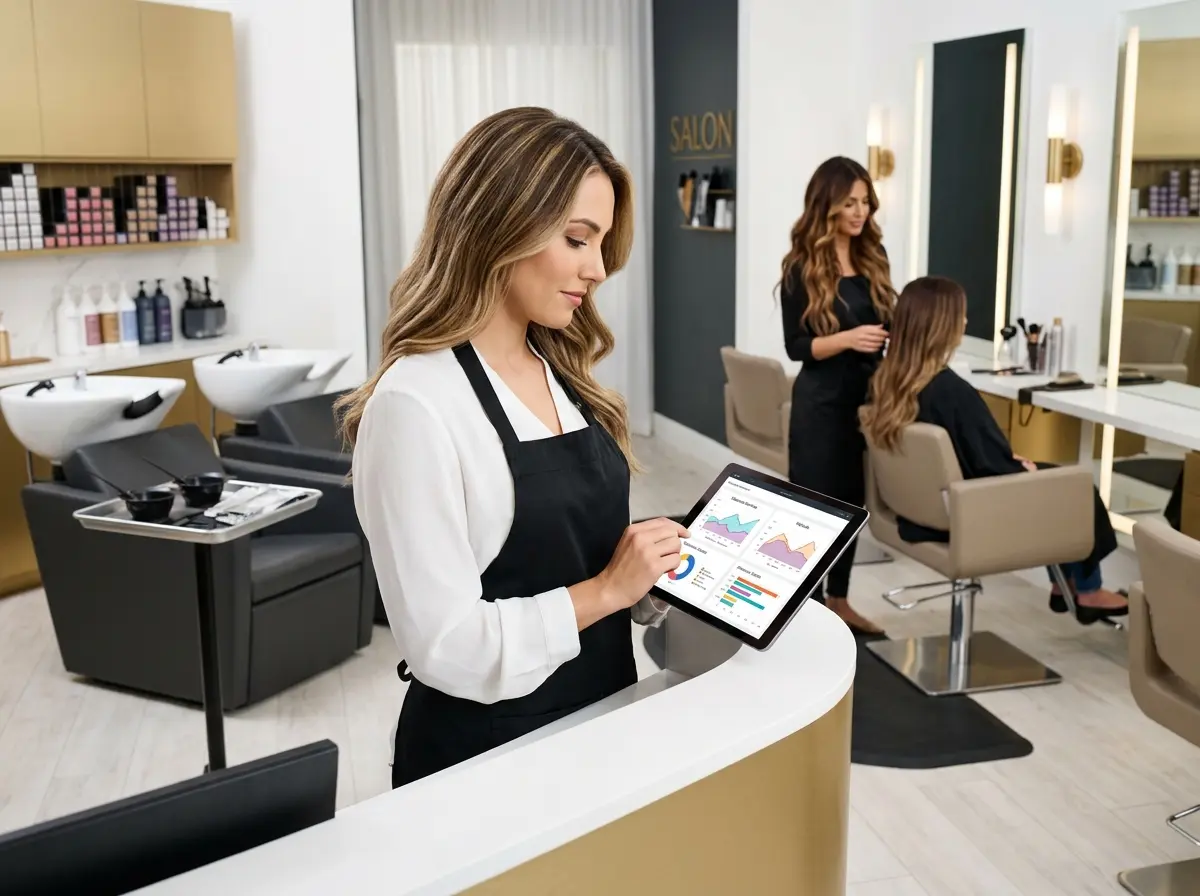
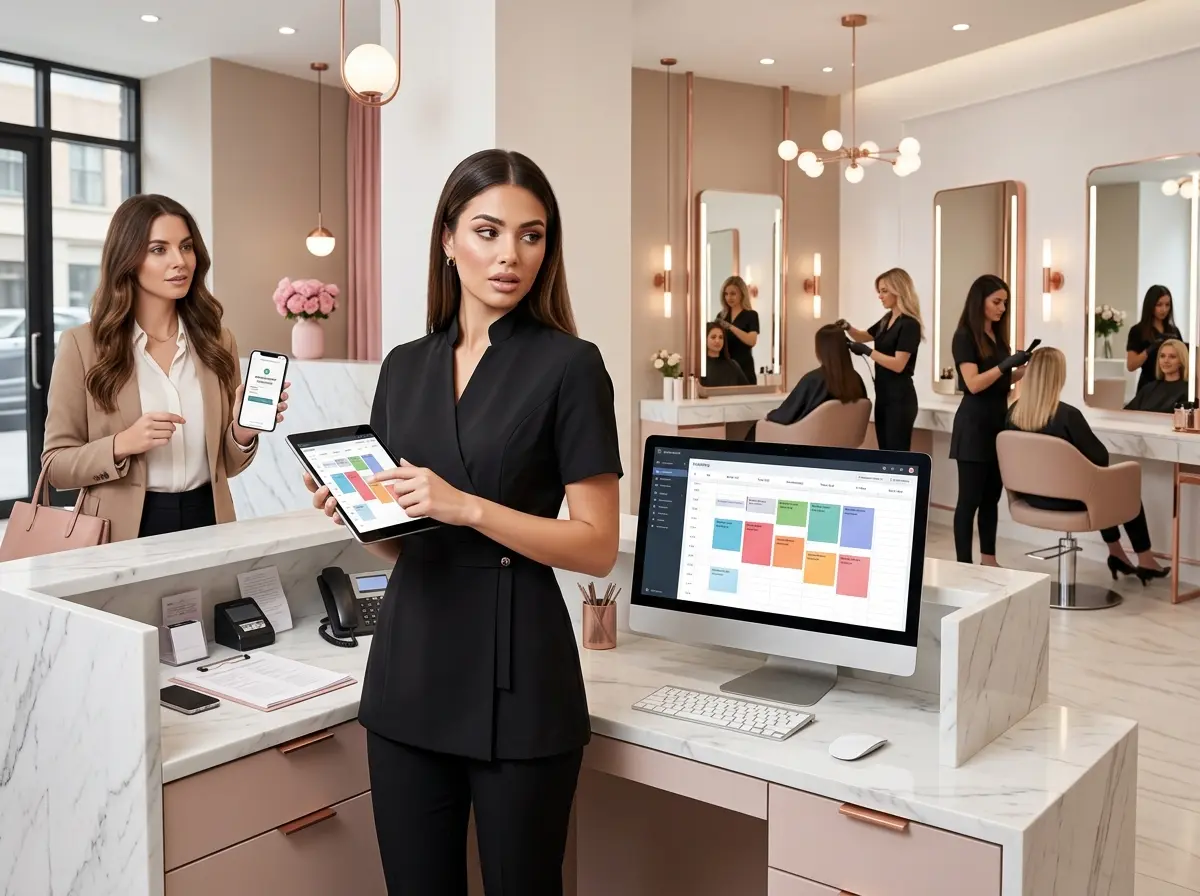
Picture this: It's a busy Saturday morning at your salon. Your appointment clients are arriving on time, your walk-ins are piling up at the door, your receptionist is juggling three conversations at once, and somewhere in the middle of all this beautiful chaos, a loyal client who booked two weeks ago is quietly fuming because a walk-in somehow got seated before her. Nobody wins. Except maybe the walk-in, briefly, until she realizes the stylist rushing through her cut is also mentally managing four other situations simultaneously.
The walk-in and appointment hybrid model is one of the most popular — and most mismanaged — scheduling approaches in the salon industry. In theory, it sounds perfect: fill your chairs with appointments, pad the gaps with walk-ins, maximize revenue, keep everyone happy. In practice, without a solid system holding it together, it becomes a daily exercise in controlled chaos that burns out your staff and frustrates your clients.
The good news? This is a solvable problem. The even better news? You don't have to overhaul your entire business to fix it. You just need smarter systems, clearer communication, and a few strategic adjustments that will make your hybrid model work for you instead of against you.
Understanding Why the Hybrid System Breaks Down
The Root Cause: Invisible Capacity
Most hybrid scheduling problems come down to one core issue — nobody, including your staff, has a clear real-time picture of your salon's actual capacity at any given moment. Appointments are logged, sure, but walk-in demand is unpredictable, and the gap between "we have openings" and "we're suddenly overwhelmed" can close in about fifteen minutes on a rainy Saturday when three people decide today is the day they want a balayage.
Without visible, communicated capacity limits, your front desk is essentially making judgment calls all day long. Sometimes they're right. Sometimes they seat a walk-in who takes two hours and blows up the entire afternoon's appointment flow. Neither scenario is their fault — they simply don't have the tools to make perfect decisions in real time, every time.
The Communication Gap Between Client and Chair
Here's a scenario that plays out in salons constantly: a walk-in client is told "about 30 minutes" — an estimate made optimistically, without accounting for the appointment client who's running five minutes late (but will definitely show up), the color service that's taking longer than expected, or the fact that two stylists are on lunch. The walk-in waits 55 minutes. They're annoyed. They might leave a review. Meanwhile, your team feels guilty even though they were genuinely trying their best.
Overpromising wait times is one of the most consistent complaints in salon reviews, and it's almost entirely a systems problem, not a people problem. According to a 2023 Yelp consumer survey, unpredictable wait times rank among the top reasons customers choose not to return to a service business. That's retention walking out the door in real time.
Staff Stress and the Domino Effect
When walk-in management isn't systematized, your stylists absorb the chaos. They're interrupted mid-service with questions about availability. They feel pressure to rush clients when the lobby fills up. They lose the focused, quality experience that makes clients rebook — and that job satisfaction that keeps your staff from walking out. High stylist turnover is one of the most expensive problems in the salon industry, with replacement costs averaging anywhere from $3,000 to $10,000 per employee when you factor in recruitment, onboarding, and lost productivity. Unnecessary scheduling stress is a meaningful contributor to that number.
How Smarter Front-End Tools Can Take the Pressure Off
Letting Technology Handle the Intake Burden
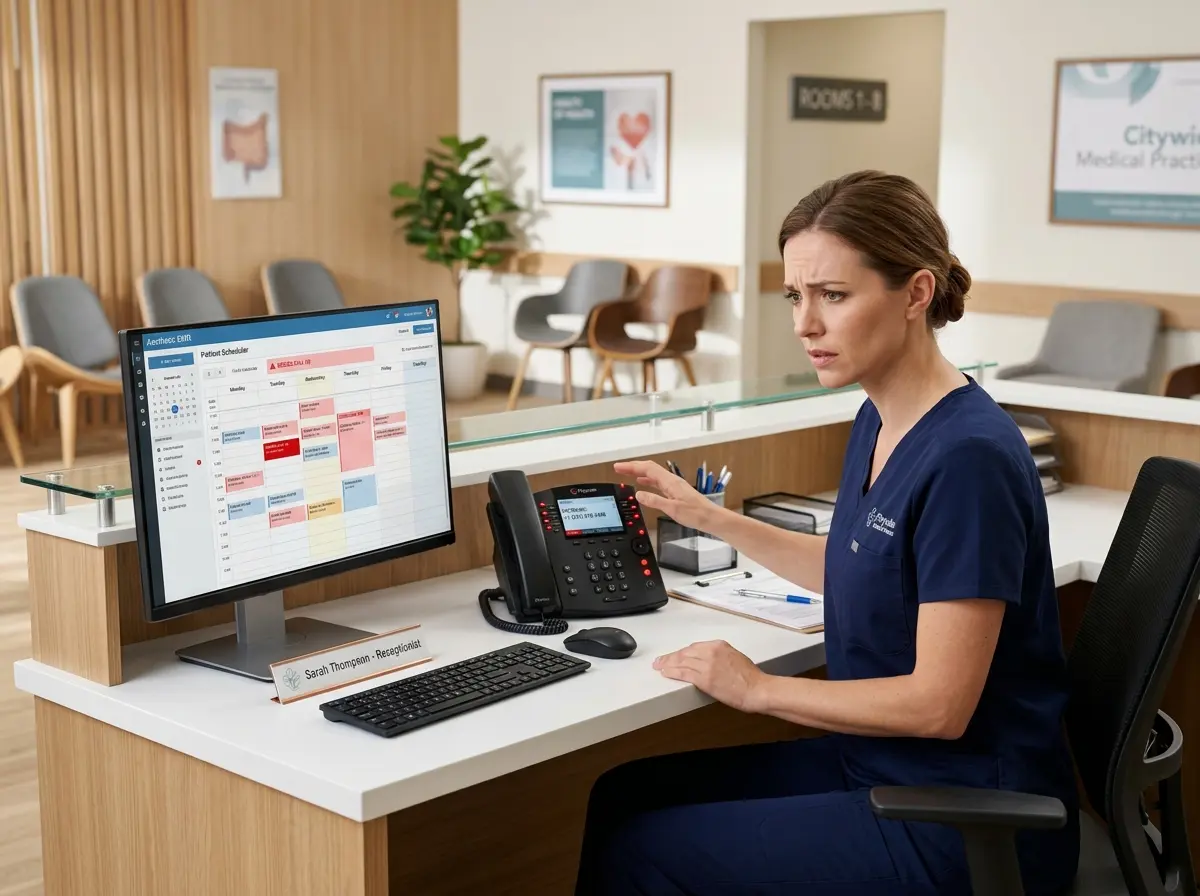
One of the simplest ways to reduce front-desk overwhelm in a hybrid salon is to offload the repetitive intake work to technology. When walk-in clients arrive and immediately need to be greeted, assessed, logged, and managed — all while the phone is ringing and an appointment client is checking in — something always suffers. Usually, it's the quality of the greeting, the accuracy of the information collected, or the mood of your receptionist by noon.
Stella, the AI robot receptionist, is designed specifically for this kind of front-line pressure. As a friendly, human-sized kiosk stationed inside your salon, she greets every client who walks in, answers questions about services, pricing, and availability, and collects intake information through natural conversation — freeing your human staff to focus on what they do best: making people look incredible. She also answers your phones 24/7 with the same knowledge she uses in person, so after-hours appointment inquiries and walk-in policy questions never go to voicemail limbo. Stella's built-in CRM also logs client information and generates AI-powered profiles, which means your team walks into every interaction with context rather than starting from scratch.
Practical Fixes That Actually Work
Build a Capacity Buffer Into Your Schedule
The single most effective structural fix for a hybrid salon is intentional capacity buffering. Rather than booking appointments wall-to-wall and hoping walk-ins squeeze in naturally, designate specific time blocks — typically in the late morning and early afternoon — as walk-in priority windows. During these blocks, you hold back one or two chairs from the appointment schedule. During slower windows, those chairs fill with appointments as normal.
This requires some initial analysis: pull your last 90 days of appointment data and walk-in traffic patterns and identify when your walk-in demand peaks. For most salons, it's Saturday mid-morning and weekday lunchtimes. Once you know your patterns, protecting capacity becomes a scheduling decision rather than a daily gamble.
Create a Clear, Posted Walk-In Policy — And Actually Enforce It
Ambiguity is the enemy of a calm front desk. If your walk-in policy isn't written down, displayed, and consistently communicated, every client interaction becomes a negotiation. Consider establishing firm guidelines such as: walk-ins are welcome when wait time is under 45 minutes; walk-ins for color services require a deposit during peak hours; walk-ins are first-come, first-served with no holds.
Whatever your rules are, post them clearly — at your entrance, on your website, and in your booking confirmation emails. This alone eliminates a surprising number of front-desk conflicts. Clients who know the rules in advance almost never argue about them on arrival. It's the ones who feel surprised who become difficult, and that's entirely preventable.
Train Your Team on Real-Time Communication Scripts
Even with great systems, human communication remains your most powerful tool. Train your staff on specific, honest wait-time scripts that account for uncertainty. Instead of "about 30 minutes," try: "Based on what we have right now, we're estimating 35 to 50 minutes — if anything changes, we'll update you right away. Can I grab your name and number?" This sets a range, signals transparency, and creates an opportunity to collect contact information for a text update — which clients genuinely appreciate and which dramatically reduces the number of people nervously watching the clock in your lobby.
Small communication upgrades like this don't cost anything to implement and have an outsized impact on client satisfaction and review sentiment. It's one of the highest-return investments your salon can make, and it takes an afternoon of team training to get right.
Quick Reminder About Stella
Stella is an AI robot employee and phone receptionist built for businesses like yours — available as a friendly in-store kiosk and a 24/7 phone answering solution, all for $99/month with no upfront hardware costs. She handles client greetings, intake, FAQs, and call management so your human team can stay focused on delivering great service. If your salon's front desk feels like a daily fire drill, she's worth a serious look.
Conclusion: A Hybrid System That Actually Feels Effortless
A walk-in and appointment hybrid model doesn't have to mean constant improvisation. When it's working well, it feels almost effortless — clients are greeted warmly, wait times are honest and manageable, your stylists are focused, and your chairs are full without anyone being frantic about it. That's not a fantasy. That's what good systems produce.
Here's where to start this week:
- Audit your last 90 days of scheduling data to identify your true walk-in peak windows.
- Draft a written walk-in policy and share it with your team before posting it publicly.
- Introduce honest wait-time scripts to your front desk staff and practice them together.
- Evaluate your front-desk bottlenecks — if intake, phones, and greetings are overwhelming one person, consider what technology can absorb.
Your hybrid model has real potential. It just needs structure to shine. The clients who walk in on a whim and leave with a great experience? Those are your most enthusiastic word-of-mouth ambassadors. The ones who waited too long, got a rushed service, and felt like an afterthought? They're writing a review right now. The difference between those two outcomes is almost entirely systems — and systems are something you can absolutely control.