So You Want to Specialize in Stroke and Neurological Rehab
According to the CDC, nearly 800,000 Americans experience a stroke each year, and millions more live with neurological conditions like Parkinson's disease, traumatic brain injury (TBI), multiple sclerosis, and spinal cord injuries — all of which fall squarely in an OT's wheelhouse. Yet many OT practices remain generalist by default, not by design. If you're ready to stop being everything to everyone and start becoming the go-to clinic in your region for neurological rehab, this guide will walk you through how to actually make that happen.
Building the Clinical Foundation
Advanced Training and Certifications
The most credible OTs in neurological rehab invest in specialty certifications and continuing education that go well beyond their entry-level training. The NBCOT Specialty Certification in Low Vision (SCLV), the Certified Brain Injury Specialist (CBIS) credential through IBIA, and the NDT/Bobath certification are all widely respected signals that you've gone the extra mile. If you're drawn specifically to hand function and upper extremity rehab post-stroke, consider pursuing the Certified Hand Therapist (CHT) designation.
Specialized Assessment Tools and Treatment Approaches
Evidence-based practice isn't optional in this space — it's expected. Equip your clinic with validated assessment tools such as the Fugl-Meyer Assessment, Wolf Motor Function Test, and the Functional Independence Measure (FIM). For cognitive-perceptual deficits, the Loewenstein Occupational Therapy Cognitive Assessment (LOTCA) and Behavioral Inattention Test (BIT) are commonly used.
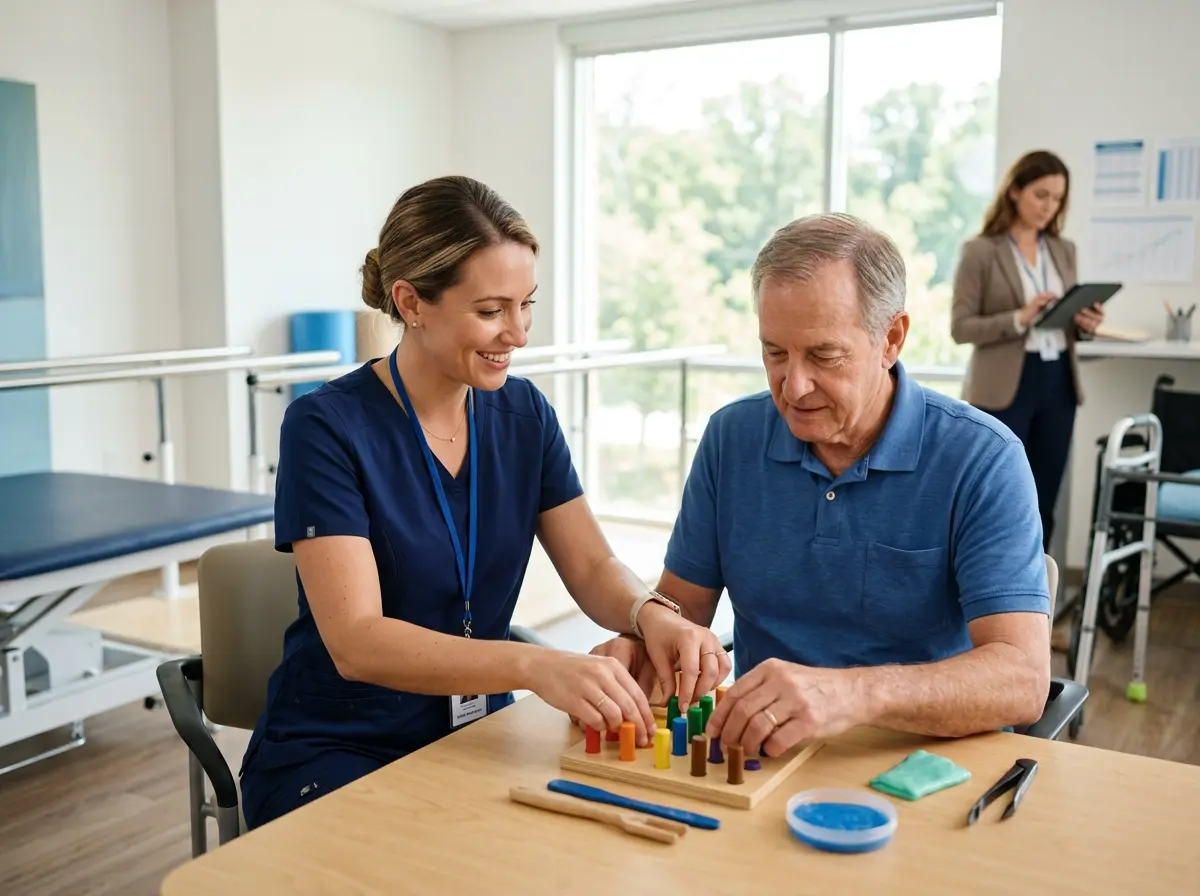
On the treatment side, approaches like Constraint-Induced Movement Therapy (CIMT), task-specific training, mirror therapy, and virtual reality-based rehabilitation are increasingly supported by the literature. If your budget allows, investing in upper extremity robotics (such as the Armeo Spring or similar devices) can serve as a genuine differentiator and marketing asset — patients notice the technology and talk about it.
Creating the Right Physical Environment
Running the Business Side Without Losing Your Mind
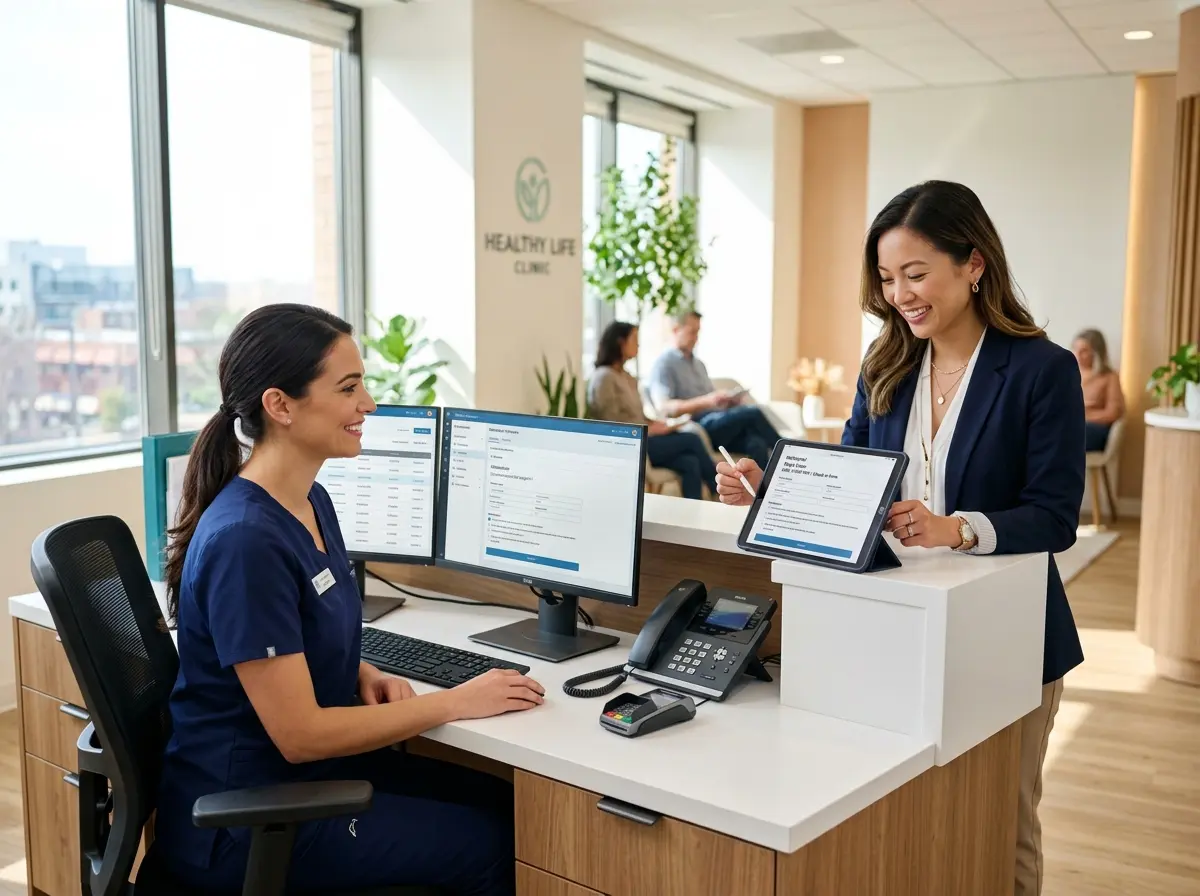
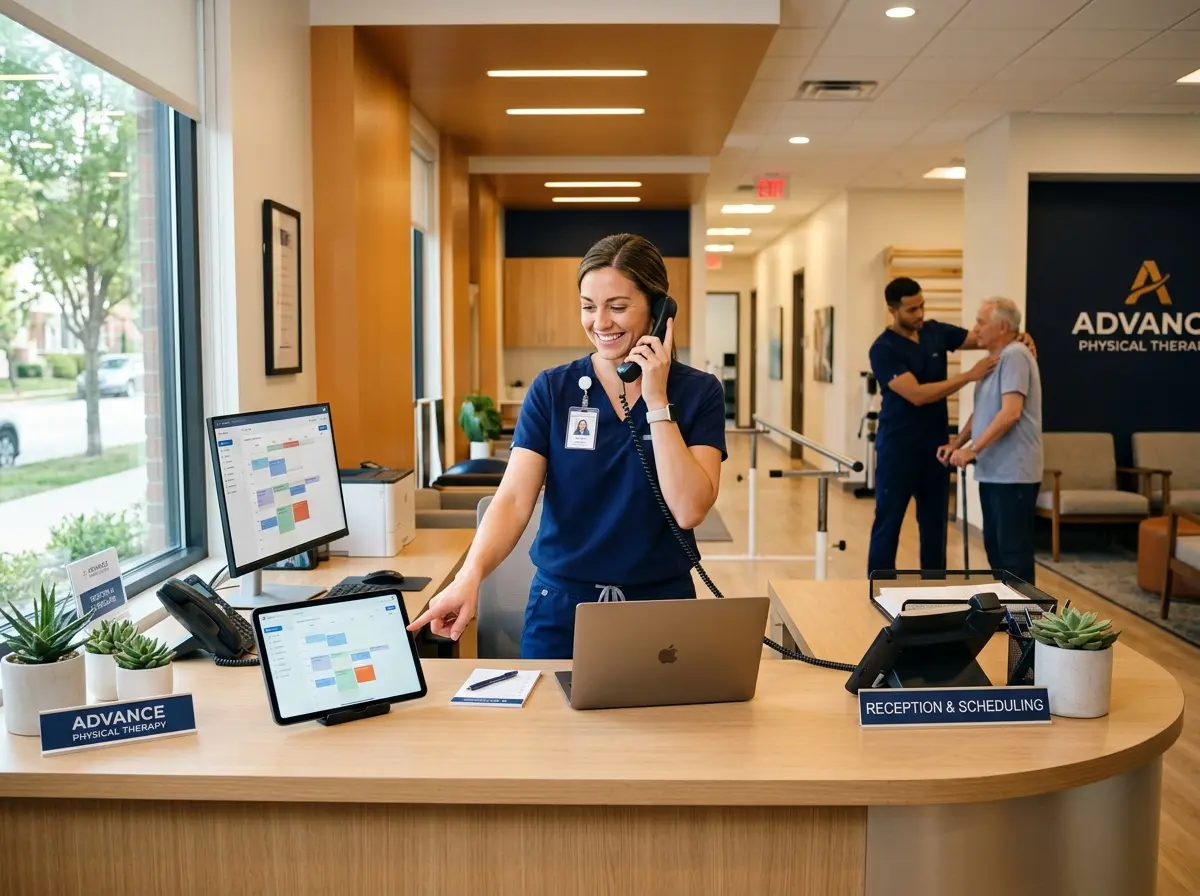
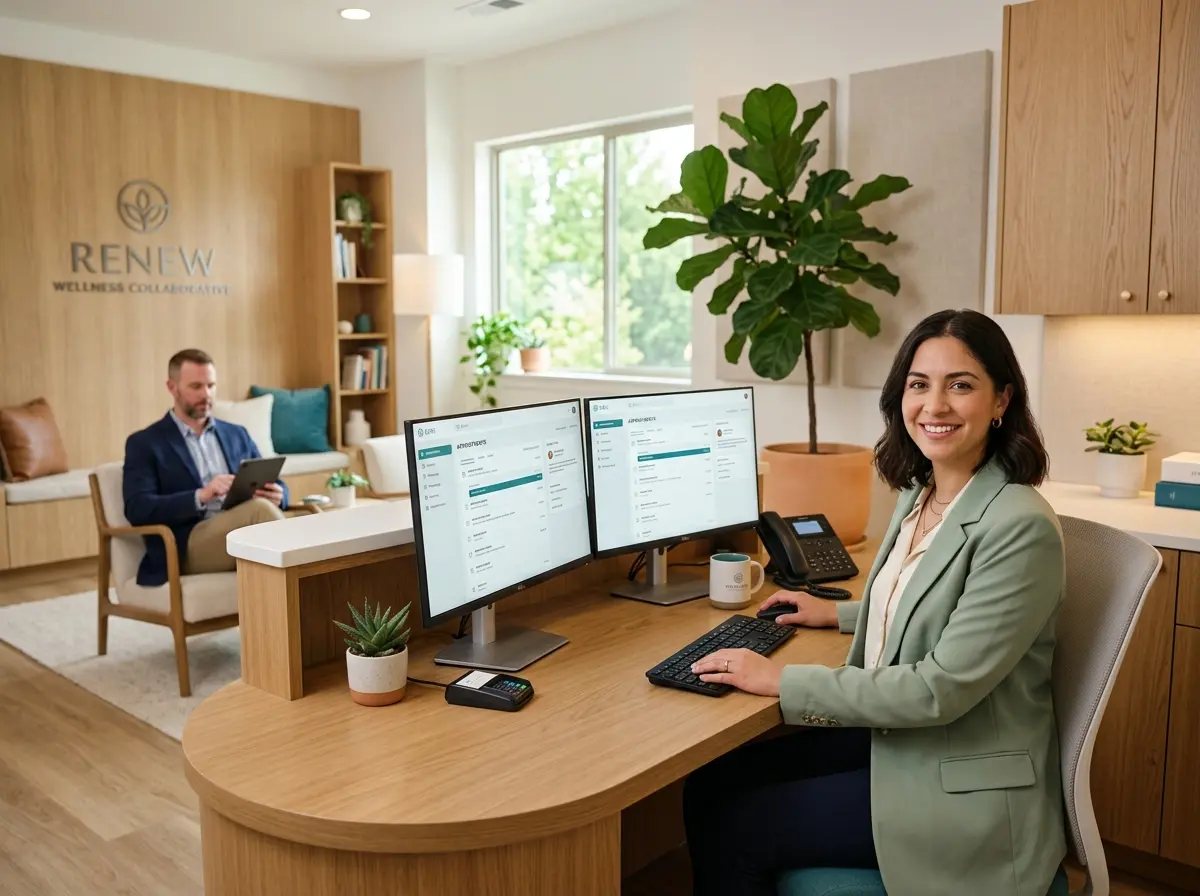
Streamlining Intake and Front-Desk Operations
Stella, the AI robot employee and phone receptionist, can answer calls 24/7 with full knowledge of your services, specialties, scheduling process, and intake requirements. She handles the initial conversation, collects patient information through conversational intake forms, and routes calls to your human staff when clinical judgment is needed. If your practice also has a physical waiting area, Stella's in-store kiosk presence means she can greet patients and family members the moment they walk in — proactively engaging them, answering common questions, and reducing the burden on your front desk staff. Her built-in CRM also lets you tag and track patient contacts, so nothing falls through the cracks during what can be a complex intake process.
Building a Referral Network That Actually Sends You Patients
Identifying and Approaching the Right Referral Sources
Your primary referral sources in this space will include neurologists, physiatrists (PM&R physicians), hospital inpatient and outpatient rehab units, skilled nursing facility (SNF) discharge planners, home health agencies, and neurosurgeons. Cardiologists and internists are secondary sources for stroke-related referrals. Start by mapping out the relevant providers within a 15-mile radius of your clinic and prioritize outreach based on volume and proximity.
Maintaining Referral Relationships Over Time
Leveraging Community Presence and Patient Education
Quick Reminder About Stella
Stella is an AI robot employee and phone receptionist designed to help busy business owners — including specialty OT practices — handle incoming calls, greet patients, collect intake information, and maintain a professional, always-available presence without adding headcount. She works in-clinic at a physical kiosk and answers phones 24/7 for just $99/month. If your front desk is a bottleneck, she's worth a serious look.
Your Next Steps Toward a Thriving Neurorehab Specialty
- Assess your current clinical competency gaps and identify one or two certifications or training programs to pursue in the next 12 months.
- Audit your physical space for neurorehab suitability and create a phased plan for any necessary modifications or equipment investments.
- Map your local referral landscape and schedule at least five in-person meetings with target referrers within the next 60 days.
- Implement a basic outcomes tracking system so you can begin building the data narrative that will differentiate you with referrers.
- Shore up your front-end operations — intake, call handling, and scheduling — so that when the referrals start flowing, your practice is ready to receive them professionally and efficiently.