Introduction: Why Your Comic Book Store Needs More Than Just Great Comics
Let's be honest — you didn't open a comic book store because you wanted to become a marketing genius. You opened it because you love comics, you love the culture, and you probably wanted a very legitimate excuse to talk about Spider-Man all day. Totally valid life choices, all of them.
But here's the cold, colorful reality: great inventory and genuine passion are not enough to keep the lights on. In a world where customers can order any issue, trade paperback, or variant cover from the internet in about fourteen seconds, your comic book store needs something Amazon simply cannot replicate — a real, loyal community of customers who choose to come back to you, again and again.
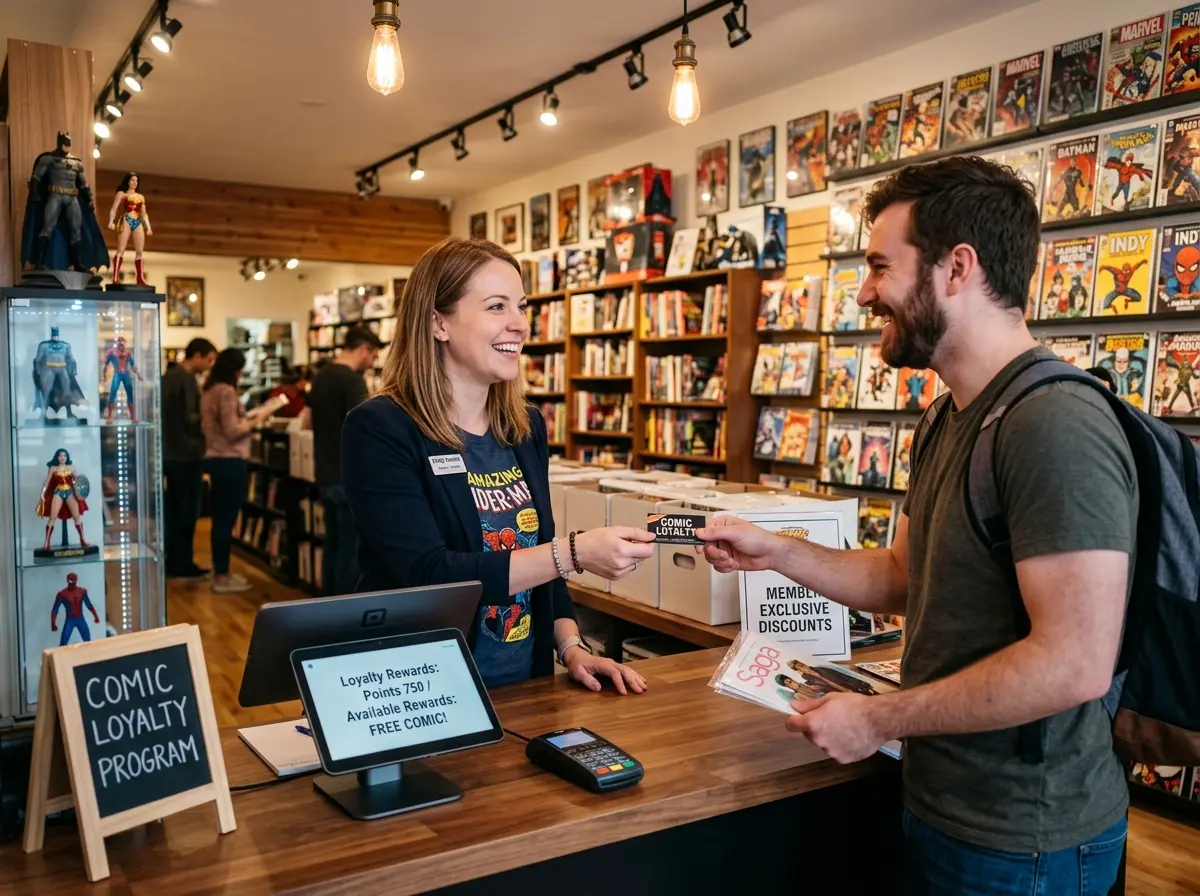
That's where a customer loyalty program comes in. And no, we're not talking about a paper punch card that lives at the bottom of someone's wallet, slowly fossilizing next to a 2019 movie ticket stub. We're talking about a thoughtful, strategic loyalty program that keeps customers engaged, rewards them meaningfully, and turns casual shoppers into your most vocal brand ambassadors. The kind of loyal fans that even the Avengers would envy.
Whether you're running a single-location shop or a small chain, this guide will walk you through building a loyalty program that actually works — one cape at a time.
The Foundation: What Makes a Loyalty Program Actually Work
Know Your Customers Before You Try to Reward Them
Before you start handing out points and perks, you need to understand who you're actually serving. Comic book customers are not a monolith. You've got the Wednesday Warriors who are in every single week for new releases. You've got the casual graphic novel readers who wander in every few months. You've got the collectors chasing down first appearances and variant covers. And then you've got the parents who have absolutely no idea what they're doing but are trying their best for a kid who just discovered manga.
Each of these customer types has different motivations, different spending habits, and different things they'd consider a meaningful reward. A dedicated collector isn't going to be thrilled about a free bookmark. A casual reader might not care about early access to new releases. Understanding your customer segments is the single most important thing you can do before designing any loyalty program, and it's a step that most small businesses skip entirely in their rush to just do something.
Start by reviewing your sales data. Look at purchase frequency, average transaction size, and what categories people tend to buy. Even basic patterns will reveal a lot about who's walking through your door and what they actually value.
Choose a Structure That Fits Your Store — Not Someone Else's
There are several common loyalty program structures, and each has its pros and cons depending on your business model. The most popular options for retail stores include points-based systems, tiered membership programs, and flat-percentage-back rewards.
For comic book stores specifically, a tiered membership model tends to work exceptionally well. Here's why: it creates aspirational status. Name your tiers after something thematic — Sidekick, Hero, and Legend, for example — and suddenly your customers aren't just earning rewards, they're on a journey. They're leveling up. That's not just good marketing; that's speaking the language of people who grew up reading about characters who started small and became extraordinary.
A points-based system layered on top of your tiers can add even more engagement. Award points per dollar spent, bonus points for attending in-store events, double points on new release day, or extra points for referring a friend. Just make sure your points don't expire so fast that customers feel cheated before they ever redeem anything. Nothing kills loyalty faster than the feeling of being tricked.
Make the Rewards Actually Worth Earning
According to a Bond Brand Loyalty report, 57% of consumers spend more with brands they're loyal to — but only when they feel the rewards are genuinely valuable. This is where a lot of programs fall apart. Business owners design rewards around what's convenient for the store rather than what's desirable to the customer.
For a comic book store, compelling rewards might include: early access to new arrivals and limited variants, exclusive subscriber discounts on pull lists, free bags and boards with purchases, invitations to private in-store events with local artists or writers, or a free trade paperback after reaching a spending milestone. Think about what makes your store special and make that the reward. You're not just selling products — you're selling an experience and a community. Your loyalty program should reflect that.
Using Technology to Run Your Program Without Losing Your Mind
Let Smart Tools Handle the Heavy Lifting
Running a loyalty program manually — tracking points in a spreadsheet, remembering who's in what tier, following up with lapsed customers — is a fantastic way to exhaust yourself and make a lot of errors. Fortunately, there are tools built specifically to take that burden off your plate.
This is also where Stella, the AI robot employee and phone receptionist, can quietly become one of your most valuable team members. Standing inside your store as a friendly, human-sized kiosk, Stella greets every customer who walks in, proactively promotes your current loyalty program, and can collect customer information through conversational intake forms — meaning she's actively building your customer database while you're busy helping someone find the next issue of their favorite series. On the phone side, she answers calls 24/7, so when a customer rings after hours to ask how many points they have or what perks come with the Hero tier, they're not hitting a voicemail wall. Stella handles it with the same knowledge she uses in person. Her built-in CRM with custom fields, tags, and AI-generated profiles also makes it easy to track loyalty segments, note customer preferences, and manage contacts — all without a separate software subscription eating into your margins.
Building Community Around Your Loyalty Program
Events Are Your Secret Weapon
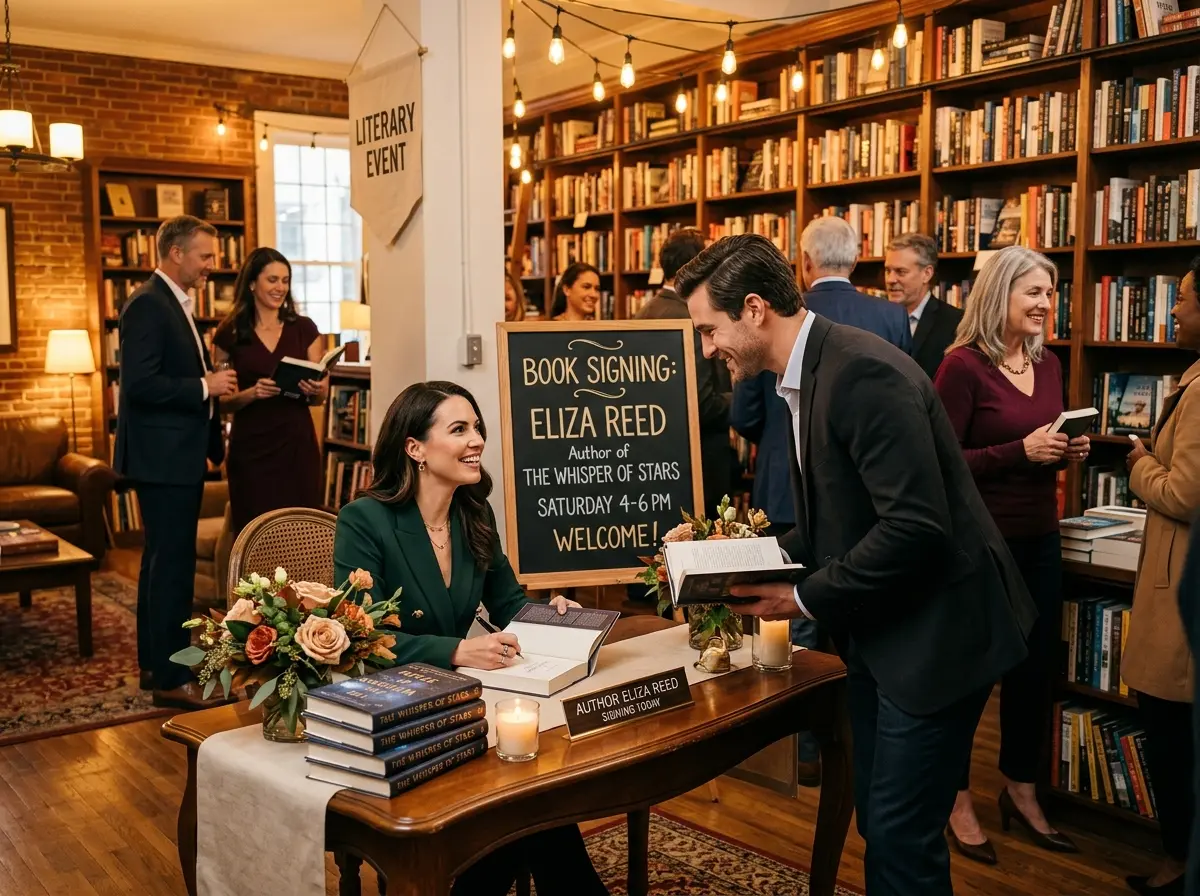
A loyalty program lives and dies by engagement, and nothing drives engagement quite like a great in-store event. Comic book stores have a natural advantage here that most other retailers would kill for — your product is the culture. You can host new release parties, artist signing events, trivia nights, cosplay contests, or game nights tied to popular comic universes. The key is to integrate your loyalty program into these events in a meaningful way.
For example, offer bonus points to loyalty members who attend events. Create an exclusive event tier where only "Legend" members get early entry. Give loyalty members a special discount on event merchandise. When customers associate your loyalty program with fun, memorable experiences — not just discounts — retention skyrockets. Research from Eventbrite consistently shows that experiential rewards drive deeper emotional connections with brands than transactional ones. And emotional connection is exactly what makes someone choose your store over clicking "Add to Cart" on a faceless website.
Pull Lists as a Built-In Loyalty Engine
If you're not already treating your pull list program as a core loyalty mechanism, you're leaving one of your most powerful tools completely underutilized. A pull list is, by its very nature, a subscription commitment. Customers who maintain a pull list visit your store regularly, spend predictably, and are far more likely to make additional impulse purchases while they're there to pick up their books.
Elevate the pull list experience by offering tiered pull list discounts based on loyalty status, guaranteeing availability of limited variants for pull list members, and sending personalized notifications when their books arrive. That last one matters more than you might think — according to a Salesforce State of the Connected Customer report, 76% of customers expect companies to understand their individual needs and expectations. A quick text or email saying "Hey, your new issues are in!" is not just helpful — it's the kind of personalized touch that builds genuine loyalty.
Referral Programs: Let Your Fans Recruit for You
Word of mouth has always been the lifeblood of independent retail, and a structured referral program turns that organic behavior into something measurable and scalable. Offer existing loyalty members bonus points or a tier upgrade for every new customer they bring in who makes a purchase. Make the referral process dead simple — a unique code, a shareable link, or even just telling a customer to mention their name at checkout.
Comic book fans are already enthusiastic advocates. They recommend series to friends. They drag coworkers into the hobby. They post their hauls on social media. A referral program simply gives them an incentive to do more of what they're already doing naturally, while giving you a trackable way to measure which customers are your best ambassadors. Reward them accordingly, and they'll keep sending people your way.
Quick Reminder About Stella
Stella is an AI robot employee and phone receptionist designed to help businesses like yours run more smoothly without the overhead of additional staff. She greets customers in-store, promotes your loyalty program and specials, answers calls around the clock, and keeps your customer data organized through her built-in CRM. At $99/month with no upfront hardware costs, she's the kind of team member who's always on time, never calls in sick, and never forgets to mention your Hero tier upgrade promotion.
Conclusion: Your Loyalty Program Is Your Origin Story
Every great hero has an origin story — a moment where something clicked, where they decided to show up differently and commit to something bigger than themselves. Building a real customer loyalty program for your comic book store is your origin story as a business owner who plays the long game.
Here's your action plan to get started:
- Audit your current customer data. Who's shopping with you, how often, and what are they buying? This will inform everything else.
- Design a tiered loyalty structure with thematic names that fit your brand and rewards that your specific customer segments will actually want.
- Integrate your pull list program into the loyalty framework so that your most committed customers are also your most rewarded ones.
- Plan at least one loyalty-exclusive event in the next 60 days — something that makes members feel like insiders, not just cardholders.
- Set up a referral incentive and make it easy for your best customers to bring their friends in.
- Use smart tools to manage contacts, collect customer information, and keep your program running without burning yourself out.
The comic book industry has survived the rise of digital media, streaming adaptations, and an increasingly crowded entertainment landscape because of one thing: community. Your loyalty program isn't just a marketing tactic. It's how you build that community intentionally, one customer at a time. And in a market where big-box retailers and online giants have every logistical advantage, community is the one thing you can always out-compete them on.
Now go build something legendary.