From Burned Out to Checked Out (In the Best Way Possible)
Let's paint a picture. It's 11 PM on a Tuesday. Your gym members are happily using the equipment they pay for, your staff has gone home, and where are you? Buried under a pile of scheduling conflicts, unanswered voicemails, and a sticky note that just says "fix everything." Sound familiar?
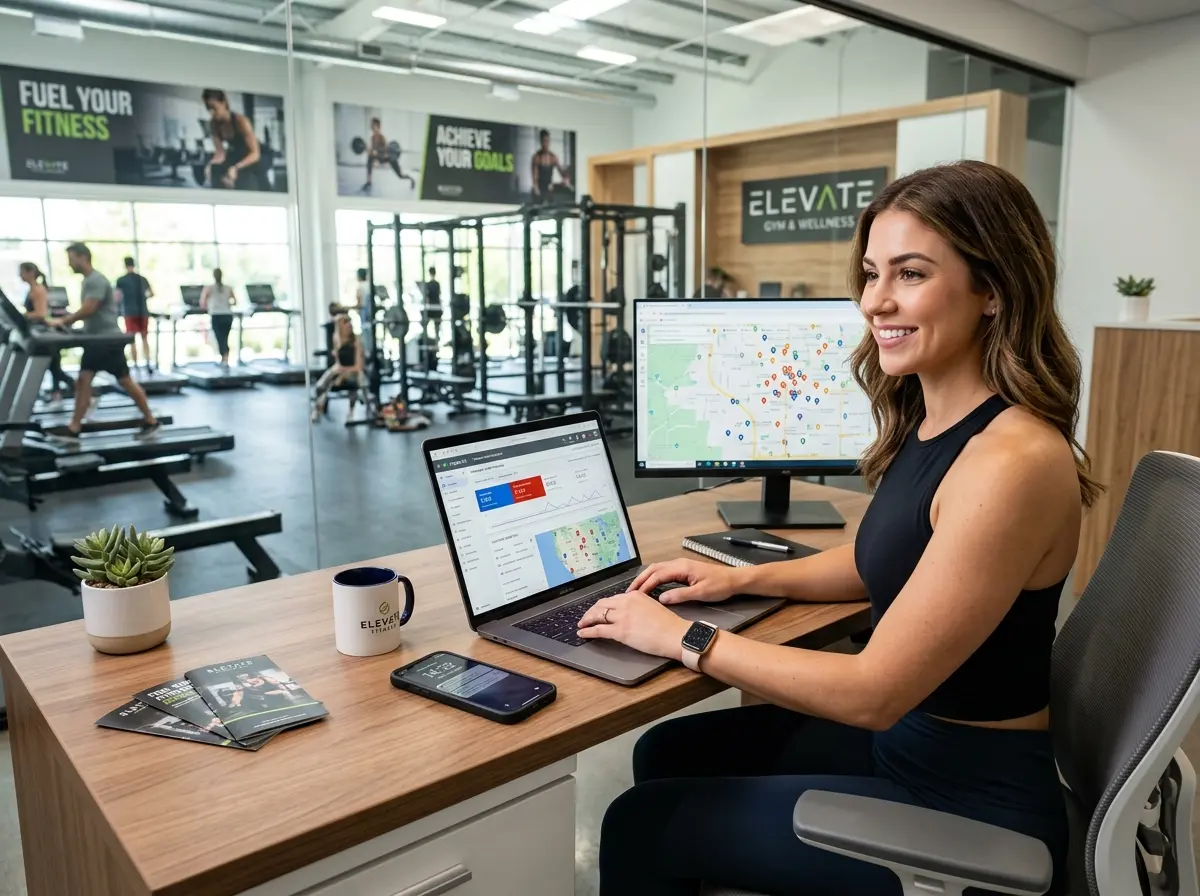
Marcus, a gym owner in Austin, Texas, was logging 70-hour weeks and somehow still felt like things were falling through the cracks. New members weren't getting properly onboarded. Staff didn't know how to handle billing disputes. Every minor operational hiccup required his personal intervention. He wasn't running a gym — the gym was running him.
The turning point? He got serious about Standard Operating Procedures — SOPs — and strategically layered in the right tools to make those SOPs actually stick. Within six months, Marcus trimmed his workweek down to four days, his staff operated more independently, and he finally took a real vacation. (An actual one. With a beach. And no laptop.)
This post breaks down exactly how he did it, and how you can too — whether you run a gym, a salon, a restaurant, or any business that's currently held together by your sheer force of will.
The SOP Framework That Actually Works
Stop Winging It and Start Documenting Everything
The word "SOP" makes some business owners' eyes glaze over immediately. It sounds corporate, bureaucratic, and like something a Fortune 500 company with a dedicated HR department worries about — not a small gym owner juggling payroll and a broken treadmill on the same afternoon. But here's the truth: if you've ever answered the same question from an employee more than twice, you need an SOP.
Marcus started simple. He spent two weeks writing down everything he did repeatedly — opening procedures, member check-in protocols, how to handle a cancelled membership, how to respond to Google reviews. No task was too small. The goal wasn't perfection; it was documentation. A rough SOP that exists is infinitely more useful than a perfect one that lives only in your head.
According to a study by the International Franchise Association, businesses with documented processes experience up to 28% higher productivity than those operating on institutional knowledge alone. That's not a rounding error. That's a day back in your week.
Build SOPs Your Team Will Actually Use
Here's where most business owners go wrong: they write SOPs, shove them into a Google Drive folder titled "Important Stuff," and never mention them again. The documents collect digital dust, and nothing changes.
Marcus made his SOPs usable by keeping them short, visual, and role-specific. He used tools like Loom to record short walkthrough videos for complex tasks and paired them with written checklists. Each role at the gym had its own SOP packet — front desk, trainers, cleaning crew. Nobody had to wade through irrelevant information to find what they needed.
The other key move? He made SOP review a part of onboarding and regular team meetings. When a process broke down, instead of blaming the employee, he asked, "Is there an SOP for this? If not, let's build one. If there is one, let's improve it." That cultural shift alone changed how his team engaged with the documentation.
Prioritize the SOPs That Free Up the Most Time
You don't need to document every single thing at once — that path leads to burnout before you even get started. Instead, identify your highest-interruption tasks. What are the five things your staff asks you about most often? What are the three things that go sideways when you're not around? Start there.
For Marcus, the biggest time drains were member onboarding, handling phone inquiries about memberships and class schedules, and managing promotional campaigns. Automating and systematizing those three areas alone gave him back roughly 15 hours per week. Not bad for a guy who thought he had no time to build SOPs in the first place.
How the Right Tools Make SOPs Actually Stick
Let Technology Handle the Repetitive Stuff
An SOP without a supporting tool is just a wish list. The real magic happens when you pair a documented process with technology that enforces or executes that process automatically. For Marcus, the biggest unlock was delegating his front-desk phone calls and in-gym customer inquiries — two areas that were eating hours every single week.
That's where Stella, the AI robot employee and phone receptionist, came in. Stella stands inside the gym as a human-sized kiosk, greeting members and visitors, answering questions about membership tiers, class schedules, and current promotions — without pulling a single staff member away from their actual job. And when someone calls the gym after hours asking about pricing or how to freeze their account? Stella handles that call too, 24/7, with the same knowledge and consistency as if Marcus himself picked up the phone. She can even collect lead information through conversational intake forms, so no inquiry slips through the cracks. The result: fewer interruptions, more consistent customer experiences, and an SOP for "answering basic questions" that essentially runs itself.
Scaling Down Your Hours Without Scaling Down Your Business
Delegation Is a Skill, Not a Personality Trait
Many business owners struggle to delegate not because they're control freaks (okay, sometimes that), but because they've never built the infrastructure that makes delegation safe. If there's no SOP, delegating a task is just hoping someone figures it out. With documented processes in place, delegation becomes systematic rather than stressful.
Marcus identified three tasks per week that only he was doing but that a trained staff member could handle with the right guidance. He documented those processes, trained his team lead, and stepped back. The first few weeks were uncomfortable — the classic "it's faster if I just do it myself" feeling — but within a month, his team lead was handling those responsibilities without a single text to Marcus for guidance.
The goal isn't to make yourself irrelevant. It's to make yourself unnecessary for the routine stuff so you can focus on the strategic stuff — growth, partnerships, new revenue streams, and yes, occasionally a four-day weekend.
Build a Weekly Review Rhythm That Keeps It All Running
Marcus's final unlock was a 90-minute Monday morning review — a structured meeting with his team lead covering the week's priorities, any SOP gaps that surfaced the previous week, and a quick look at key metrics. That single weekly touchpoint replaced the constant reactive communication that had previously consumed his days.
He also built a simple dashboard tracking membership growth, cancellations, class attendance, and call volume. When a number looked off, there was already an SOP for investigating it. Problems got caught early, resolved quickly, and documented so they didn't happen again. The business started running like a system rather than a daily improvisation performance.
Protect Your Time Like It's Your Most Valuable Asset (Because It Is)
This sounds obvious until you realize how many business owners treat their calendar like a public commons — available to anyone who needs something urgently enough. Marcus implemented "owner hours," two designated windows per week where staff could bring him non-urgent questions. Everything else went into a shared doc for the next window. Urgent, genuinely critical issues still reached him immediately, but "urgency" dropped dramatically once people knew there was a proper channel.
The combination of strong SOPs, the right technology, structured delegation, and protected calendar time is what took Marcus from 70 hours to 32. None of those pieces alone would have done it. Together, they fundamentally changed how the business operated — and how he experienced owning it.
Quick Reminder About Stella
Stella is an AI robot employee and phone receptionist designed specifically for businesses like yours. She greets customers in-store as a human-sized kiosk, answers phone calls around the clock, promotes your current deals, handles common questions, and collects customer information — all for $99/month with no upfront hardware costs. If your business is losing time to repetitive questions and missed calls, she's worth a serious look.
Your 70-Hour Week Doesn't Have to Be Forever
The path Marcus took isn't some elite business strategy reserved for MBA graduates or people with investors. It's a systematic, repeatable approach that any business owner can apply — and the earlier you start, the faster you get your life back.
Here's your actionable starting point:
- This week: List the five tasks or questions that interrupt your day most often. Those are your first SOPs.
- This month: Document those five processes, record short video walkthroughs if helpful, and train at least one team member on each.
- This quarter: Identify one to two areas where technology can replace a repetitive human task — especially anything involving answering the same questions repeatedly, whether in person or over the phone.
- Ongoing: Build your weekly review rhythm and protect your calendar with the same ferocity you'd protect your revenue.
Marcus didn't find a shortcut. He built a system. And that system gave him back something no amount of hustle ever could — time. The kind of time that lets you work on your business instead of drowning inside it.
Your four-day workweek isn't a fantasy. It's a few good SOPs away.