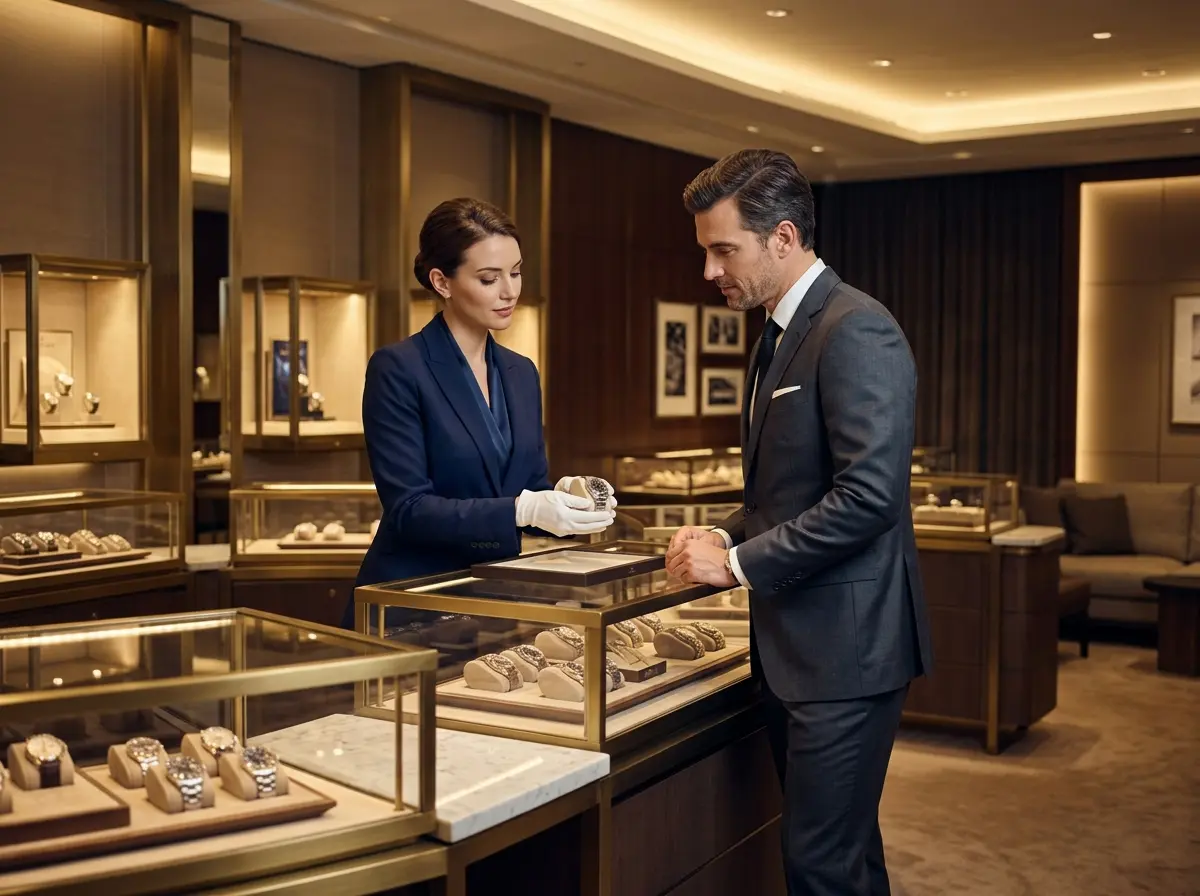
Introduction: Because "Nice Watch" Shouldn't Be the Only Thing They Remember
Selling luxury watches is not like selling sneakers. Your customers aren't impulse-buying a Patek Philippe between errands. They're making deliberate, emotionally charged decisions — often tied to milestones, legacies, and the deeply human desire to own something that will outlast a smartphone by approximately four decades. And yet, despite the extraordinary nature of what they're purchasing, too many luxury watch boutiques drop the ball on the one thing that matters almost as much as the product itself: the experience.
Here's an uncomfortable truth: a customer who spends $15,000 on a timepiece at your store but feels like they were treated as an afterthought will not come back. They'll go somewhere that makes them feel like royalty — even if the watches are the same. In the luxury space, the experience is the product. The watch is almost a bonus.
This guide breaks down exactly how to build a VIP experience that keeps affluent customers coming back, referring friends, and posting photos of their wrists with your boutique tagged in the caption. Let's get into it.
Setting the Stage: First Impressions That Actually Impress
The Welcome That Sets the Tone
It takes roughly seven seconds for a person to form a first impression. In a luxury watch boutique, those seven seconds need to do a lot of heavy lifting. The moment a potential customer walks through your door — or even pauses outside your window — they should feel something shift. The air should feel different. The greeting should feel genuine, not scripted. Your staff should make eye contact, smile, and approach with warmth rather than hovering like a hawk eyeing its next meal.
Train your team to read the room immediately. A customer who strides in confidently and starts examining the display cases probably wants space to browse before being engaged. A customer who looks around hesitantly is silently asking for guidance. Neither should be treated identically, because VIP service is fundamentally about personalization, not a one-size-fits-all greeting script recited with the enthusiasm of someone reading terms and conditions aloud.
Ambiance Is Not Optional — It's Your Silent Salesperson
The physical environment of your boutique communicates your brand values before a single word is spoken. Lighting, music, scent, seating, display arrangement — every sensory detail is either working for you or against you. Research from the Journal of Retailing has consistently shown that ambient factors like scent and music tempo directly influence customer mood, time spent in-store, and purchase intent. In a luxury context, this effect is amplified.
Soft, warm lighting over your display cases makes watches look their absolute best. A low, well-curated playlist signals sophistication without demanding attention. A subtle, high-end diffused scent (think sandalwood or leather, not "tropical breeze") creates an unconscious sense of quality. Comfortable seating at your consultation area signals that you expect the conversation to be worth sitting down for. These aren't extravagances — they're investments in conversion.
The Power of Knowing Your Regulars
Nothing communicates "you matter here" quite like being remembered. When a returning customer walks in and your associate says, "Welcome back, Mr. Chen — are you still eyeing that Rolex Submariner, or did the GMT-Master finally win you over?" that customer is yours for life. This level of personalization requires a real commitment to customer data — tracking preferences, purchase history, past conversations, and even personal milestones like anniversaries or birthdays that might drive a purchase decision.
Build a culture where your team updates customer profiles after every interaction. This isn't stalking; it's attentiveness. And in the luxury sector, attentiveness is currency.
Leveraging Smart Technology to Elevate the VIP Touch
How AI Can Handle the Logistics So Your Team Can Focus on the Experience
Let's be honest: your top sales associates shouldn't be answering the phone while they're in the middle of a $20,000 watch consultation. That's not just bad service for the client in front of them — it's a missed opportunity on both ends. This is where Stella, the AI robot employee and phone receptionist, becomes genuinely useful for a boutique like yours.
Inside your store, Stella's in-store kiosk presence can greet walk-in visitors, answer common questions about your collections, hours, and services, and even highlight current promotions — all without pulling your human staff away from high-value interactions. On the phone side, she answers calls 24/7 with the same product knowledge she uses in person, so a customer calling at 9 PM on a Sunday to ask about your pre-owned Audemars Piguet inventory gets a real, informed response rather than a voicemail void. Her built-in CRM and intake forms also mean that customer details collected during calls or at the kiosk flow directly into organized, tagged profiles — so your team walks into every follow-up already knowing who they're talking to.
The Art of the Consultation: Turning Browsers Into Buyers
Ask Before You Pitch
The single most common mistake in luxury retail is leading with product rather than leading with curiosity. Before you pull a single watch out of the display case, ask questions. What's the occasion? Is this a gift or a personal purchase? Do they already own watches, and if so, what do they love or wish were different about them? What draws them to this particular brand or style?
These questions aren't stalling tactics — they're intelligence gathering that allows you to present the right piece with the right narrative. A watch recommended with context ("This is actually what our client chose for his daughter's graduation — she still calls it her most prized possession") is infinitely more compelling than a watch recommended based on price bracket alone. Storytelling sells luxury. Facts just provide justification.
Let Them Wear It
There is a psychological phenomenon in behavioral economics known as the "endowment effect" — once someone holds or wears something, they begin to feel a sense of ownership over it, and relinquishing it becomes psychologically uncomfortable. This is not a manipulation tactic; it's science. And it's why every serious luxury watch consultation should involve putting the watch on the customer's wrist.
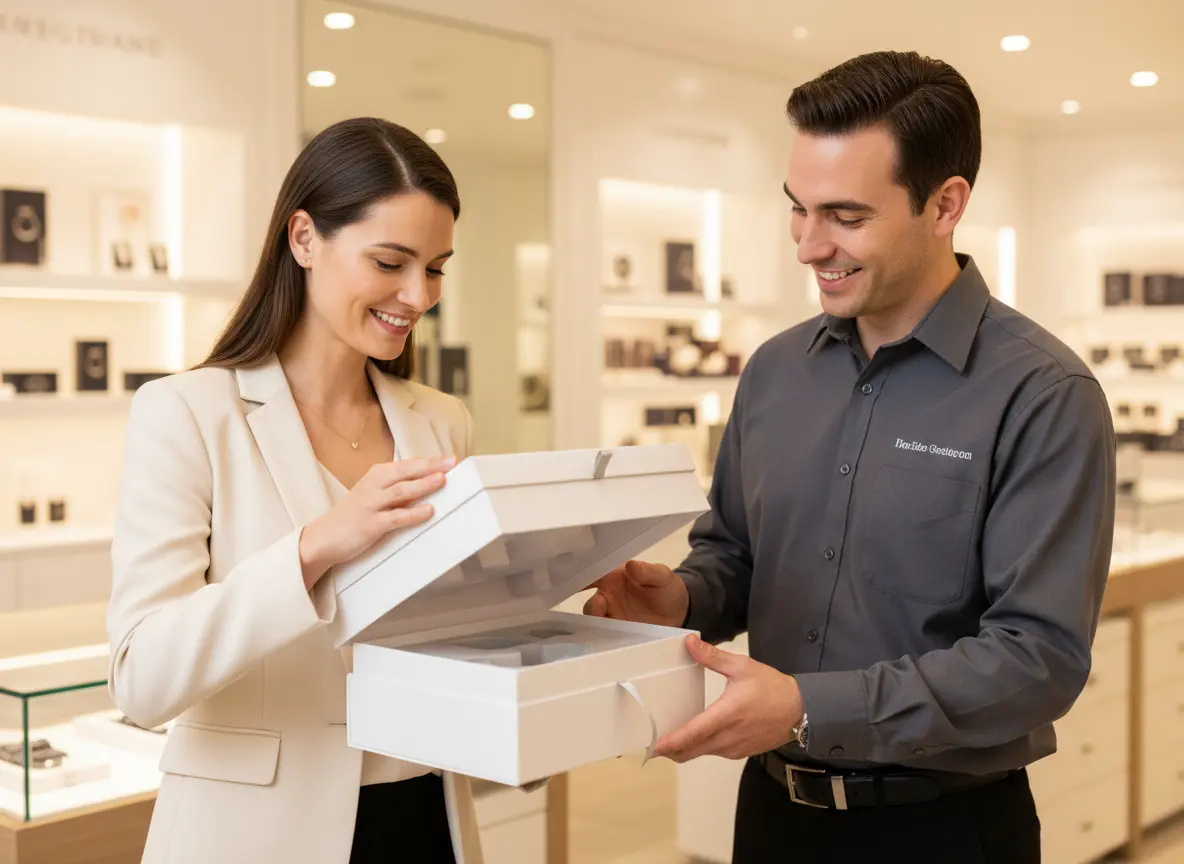
Encourage your staff to help clasp the watch, hold up a mirror, and let silence do some of the selling. A well-chosen watch on a wrist often speaks louder than any feature list. Follow it up with something personal and genuine — "That actually suits you incredibly well" — and mean it. Customers can tell the difference between a sincere observation and a transactional compliment.
The Follow-Up That Doesn't Feel Like a Follow-Up
Post-visit follow-up is where many luxury boutiques either shine or spectacularly fumble. A generic "Thanks for visiting!" email is the retail equivalent of a participation trophy. Instead, personalize it. Reference the specific watches they looked at. Include something useful — an article about the movement they were curious about, or a note that a piece they inquired about is back in stock. If they made a purchase, send a handwritten card. Yes, an actual physical card written by an actual human hand. It takes four minutes and creates a memory that lasts years.
Schedule a follow-up check-in around the natural milestone — if they bought a watch for an anniversary, reach out around that date the following year. Not with a sales pitch, but with a genuine acknowledgment. That kind of attention turns a one-time buyer into a brand ambassador.
Quick Reminder About Stella
Stella is an AI robot employee and phone receptionist built for businesses exactly like yours — one that needs a professional, always-on presence without the overhead of additional staff. For just $99/month with no upfront hardware costs, she greets in-store visitors, answers calls around the clock, promotes your offerings, and keeps customer information organized through her built-in CRM. While your team focuses on delivering the kind of white-glove consultation that closes five-figure sales, Stella handles the logistics that would otherwise pull them away.
Conclusion: The Experience Is the Differentiator
In a world where determined buyers can find the same Rolex Datejust in three cities and purchase it online before lunch, your boutique's survival and growth depend almost entirely on one thing: making people want to buy from you. That desire is built through exceptional, personalized, memorable experiences — from the first impression to the follow-up note that arrives after they've already told four friends about you.
Here's your actionable checklist to get started:
- Audit your ambiance. Walk into your store as a customer would and notice everything — lighting, scent, music, seating, and display organization.
- Build your customer profiles. Implement a system — whether through a CRM tool or Stella's built-in capabilities — to capture and update customer preferences and history after every interaction.
- Train your team on consultation technique. Emphasize asking questions before pitching, letting customers wear the watch, and reading body language.
- Create a follow-up protocol. Define exactly what happens after a visit — both for buyers and non-buyers — and make it personal rather than automated-feeling.
- Use technology to free up your people. Let smart tools handle routine inquiries and phone coverage so your associates can stay fully present with high-value clients.
The luxury market is not forgiving of mediocrity, but it is extraordinarily loyal to excellence. Build the experience your watches deserve, and your customers will do the marketing for you — one wrist at a time.