When "We'll Call You Back" Stops Working
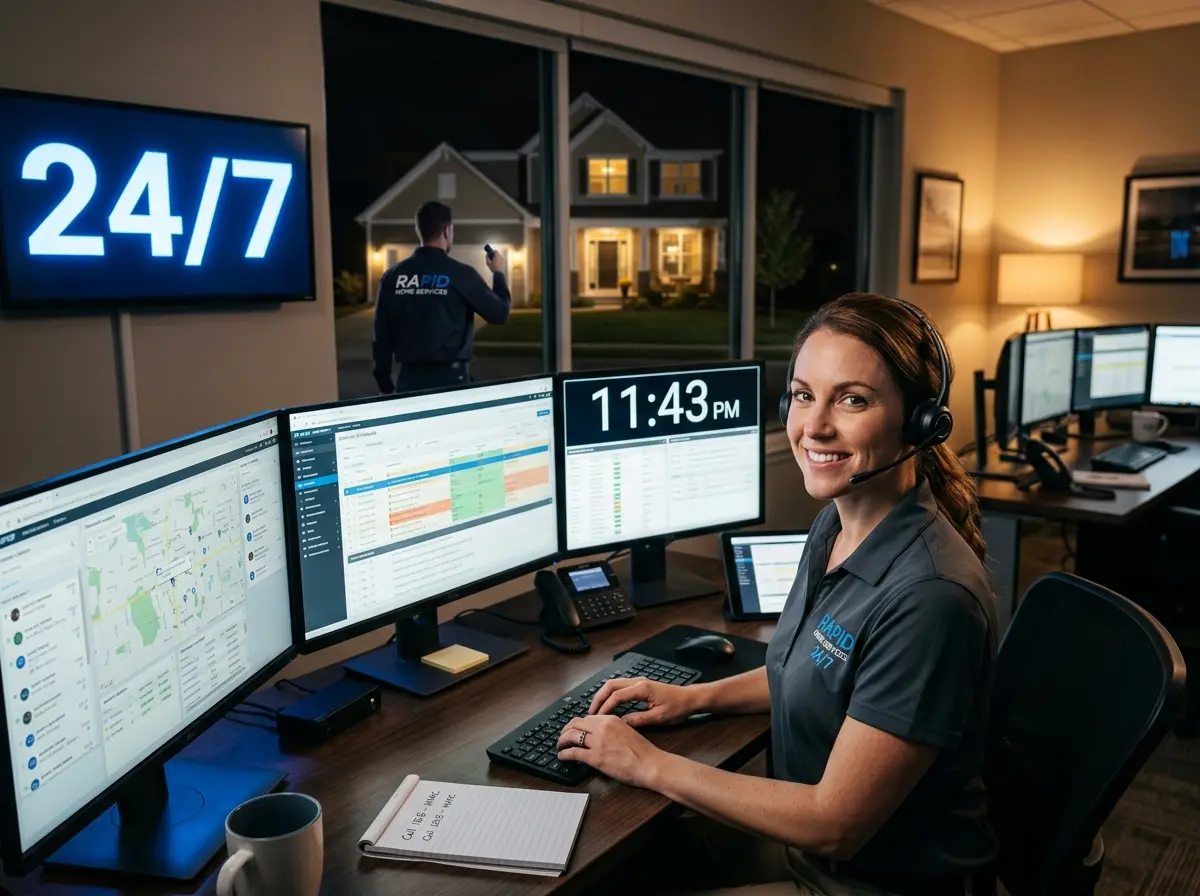
If you run a tutoring center, you already know the drill. A parent calls at 7:43 PM to ask about math enrollment for their fifth grader. Your front desk closes at 6. The call goes to voicemail. The parent tries two other tutoring centers. One of them picks up. You find out about it Monday morning when you check your messages — right next to three other missed opportunities from the weekend.
Scheduling and enrollment are the lifeblood of any tutoring business. But they're also incredibly time-consuming, repetitive, and frankly, not the best use of your staff's energy. Your tutors are there to teach. Your front desk coordinator is there to help families feel welcome and informed — not to spend 40 minutes a day answering the same five questions about session lengths, pricing, and availability.
The good news? Automation has gotten remarkably good at handling exactly these kinds of tasks. And tutoring centers that have embraced it aren't just saving time — they're enrolling more students, reducing no-shows, and giving their staff room to actually breathe. Let's look at how it works in practice.
The Scheduling Problem Is Bigger Than You Think
Manual Scheduling Is a Hidden Time Sink
Most tutoring center owners don't sit down and calculate how many hours per week go into scheduling. If they did, they'd be a little alarmed. Between incoming inquiries, back-and-forth availability checks, session confirmations, rescheduling requests, and reminder calls, it's not uncommon for a mid-sized tutoring center to burn 10 to 15 hours per week on scheduling-related tasks alone. That's almost a part-time employee — one whose entire job is moving calendar blocks around.
Add in the cognitive load on your staff — constantly switching between teaching support, parent communication, and administrative tasks — and you've got a recipe for burnout. When your best coordinator leaves because the job became overwhelming, you'll feel that loss in both morale and revenue.
Enrollment Bottlenecks Kill Conversions
Here's something worth sitting with: the window between a parent's first inquiry and their decision to enroll is often 24 to 48 hours. Studies on service-based businesses consistently show that response time is one of the strongest predictors of conversion. If a family can't get a fast, clear answer about how to sign up, they move on — not because your center isn't great, but because someone else answered faster.
Manual enrollment processes compound this problem. Paper forms, emailed PDFs, phone-tag intake interviews — these create friction. Friction loses students. The tutoring centers winning on enrollment right now are the ones who've made the intake process feel effortless from the very first interaction.
What an Automated System Actually Looks Like
A well-automated scheduling and enrollment setup for a tutoring center typically includes a few key components working together: an online scheduling tool that shows real-time availability, automated confirmation and reminder messages via text or email, a digital intake process that collects student information conversationally, and a centralized system that keeps all of it organized. When these pieces connect properly, a parent can go from first inquiry to confirmed enrollment without a single human needing to intervene — unless they want to.
That last part is important. Automation isn't about removing the human element. It's about making sure humans show up where they matter most: in the tutoring session, in the parent meeting, in the moment a struggling student finally gets it. Not in the email thread about Thursday's 4 PM slot.
How Stella Fits Into the Tutoring Center Picture
Handling Inquiries Before They Become Lost Leads
Stella is an AI robot employee and phone receptionist designed to handle exactly the kinds of conversations that eat up staff time at a tutoring center. When a parent calls after hours asking about reading programs for a second grader, Stella answers — professionally, warmly, and with full knowledge of your services, pricing, availability, and enrollment process. She doesn't put anyone on hold. She doesn't miss calls. She handles the conversation the way a great front desk employee would, just without the scheduling conflicts or turnover.
For tutoring centers with a physical location, Stella also operates as an in-store kiosk, greeting walk-in families, answering questions about programs and schedules, and proactively promoting current offerings. Parents waiting in the lobby don't sit in silence — they get information. That kind of engagement makes a strong impression.
Intake Forms and CRM That Actually Reduce Admin Work
Stella includes built-in conversational intake forms that can collect student information during a phone call, on the web, or at the kiosk — then store everything neatly in her built-in CRM with custom fields, tags, and AI-generated contact profiles. Instead of manually transcribing parent intake forms or chasing down missing information before the first session, your staff opens the CRM and everything they need is already there. It's not magic. It's just good automation, packaged into something that also happens to be delightful to interact with.
Building an Enrollment Flow That Works While You Sleep
Map the Journey Before You Automate It
Before you plug in any tools, it's worth mapping out your current enrollment process from the parent's perspective. Where does the first touchpoint happen — phone, web, walk-in? What questions do they typically ask? What information do you need from them before you can confirm a session? Where do things currently fall through the cracks? Answering these questions gives you a clear picture of what needs to be automated and in what order. Don't automate chaos — clean up the process first, then systematize it.
Prioritize Confirmation and Reminder Workflows
No-shows are expensive. A missed session is lost revenue and a disrupted tutor schedule. Automated confirmation messages sent immediately after booking — followed by a reminder 48 hours before and another the morning of the session — can reduce no-show rates dramatically. Some tutoring centers report no-show reductions of 30 to 50 percent simply by implementing a consistent automated reminder sequence. This is one of the highest-return automations you can implement, and it requires almost no ongoing effort once it's set up.
Create a Seamless Re-Enrollment Experience
New student acquisition gets all the attention, but re-enrollment is where tutoring centers build sustainable revenue. When a session package is nearing its end, your system should automatically flag that student for re-enrollment outreach — ideally before the final session, not after. A simple automated message from your center asking whether the family would like to continue, paired with an easy booking link, does the job. It's warm, timely, and doesn't require your coordinator to manually track every active student's package status. Done right, re-enrollment becomes a process that largely takes care of itself.
Quick Reminder About Stella
Stella is an AI robot employee and phone receptionist that answers calls 24/7, greets walk-in customers at a physical kiosk, collects intake information, manages contacts through a built-in CRM, and keeps your business running professionally even when your team isn't around. She starts at just $99/month with no upfront hardware costs and is designed to be genuinely easy to set up and use. For a tutoring center trying to capture more leads and reduce administrative overhead, she's worth a serious look.
Stop Losing Students to Voicemail
Here's the honest summary: most tutoring centers aren't losing students because their programs aren't good enough. They're losing students to friction — slow responses, clunky intake processes, missed after-hours calls, and no-shows that could have been prevented with a simple reminder. Automation addresses all of these problems, and the tools to implement it are more accessible and affordable than ever.
Start with the highest-impact changes first. Set up automated confirmations and reminders for every booking. Build a digital intake process so families can enroll without back-and-forth emails. Make sure someone — or something — is answering your phone after 6 PM. Then layer in CRM organization, re-enrollment workflows, and proactive lead follow-up as your capacity allows.
You built your tutoring center to help students learn and grow. Every hour your staff spends on repetitive administrative tasks is an hour not spent on that mission. Automation gives you that time back — and it gives your families the fast, professional experience that makes them choose you over the competition.
The parent calling at 7:43 PM on a Tuesday? They deserve an answer. Make sure they get one.