So You Want Hotels to Send You Their Guests — Great Idea
Here's a fun thought experiment: a couple checks into a nearby hotel after a long flight, their shoulders are tense, their feet are tired, and they have absolutely no idea that your spa is three blocks away offering exactly what they need. Meanwhile, you're sitting on open appointment slots wondering where all the walk-in business went. This is the part where a well-built hotel partnership program swoops in like a hero — or at the very least, like a very helpful concierge.
Partnering with local hotels is one of the most underutilized growth strategies for spa owners. Hotels want to offer their guests a curated local experience. You want more clients. This is, as the business world likes to say, a synergy — without the PowerPoint presentation and the unnecessary meeting that could have been an email.
The good news is that building a genuine, mutually beneficial partnership program with hotels doesn't require a huge marketing budget or a sales team. It requires a solid strategy, some relationship-building, and the operational infrastructure to handle the business it brings in. Let's break it down.
Building the Foundation of Your Hotel Partnership
Identifying the Right Hotel Partners
Not every hotel in your area is the right fit, and walking into a budget motel lobby with a stack of brochures probably isn't going to move the needle. Start by identifying hotels whose guest profiles align with your ideal spa client. Boutique hotels, upscale chains, and business-class properties tend to attract guests who are already primed for wellness experiences — and more importantly, willing to pay for them.
Look at proximity first. Hotels within a one-mile radius are golden because concierges are much more likely to recommend somewhere guests can actually walk to. Then consider the hotel's average nightly rate as a rough indicator of guest spending habits. A hotel charging $250+ per night is catering to guests who probably aren't going to balk at a $120 massage. Do your research, make a shortlist of five to ten realistic targets, and approach them with intention rather than desperation.
Crafting a Proposal That Hotels Actually Want to Say Yes To
Here's where a lot of spa owners stumble: they walk into a partnership conversation thinking about what they need, rather than what the hotel needs. Hotel managers and concierge teams aren't looking for a charity opportunity — they're looking for ways to elevate the guest experience and, frankly, make their own jobs easier.
Your proposal should lead with guest value. Offer a co-branded experience package — something like "The Retreat Package" that the hotel can promote at check-in or through their in-room materials. Include a clear referral or commission structure (industry standard tends to hover around 10–20% of the booking value for concierge referrals), a simple booking process for hotel staff, and ideally some kind of small perk for the concierge team themselves, like a complimentary treatment once a quarter. People recommend places they actually like. That's just human nature.
Present the proposal cleanly — a one-page overview works best. Keep it professional, keep it benefit-focused, and for the love of everything, do not make it a 40-slide deck.
Structuring the Referral and Commission Agreement
Once a hotel is interested, you need a clear, simple agreement that both parties will actually follow. Ambiguity is where partnerships go to die. Define how referrals will be tracked (a unique promo code tied to each hotel works beautifully), how and when commissions will be paid, and what the booking process looks like on both ends.
Consider creating a dedicated landing page or phone extension for each hotel partner so tracking is seamless. Monthly or quarterly reconciliation meetings — even just a quick 15-minute call — keep the relationship warm and give you a chance to share performance data. Hotels love data. It helps them justify recommending you over and over again.
Running Your Spa Smoothly When the Referrals Start Rolling In
Never Let a Referred Guest Hit a Voicemail
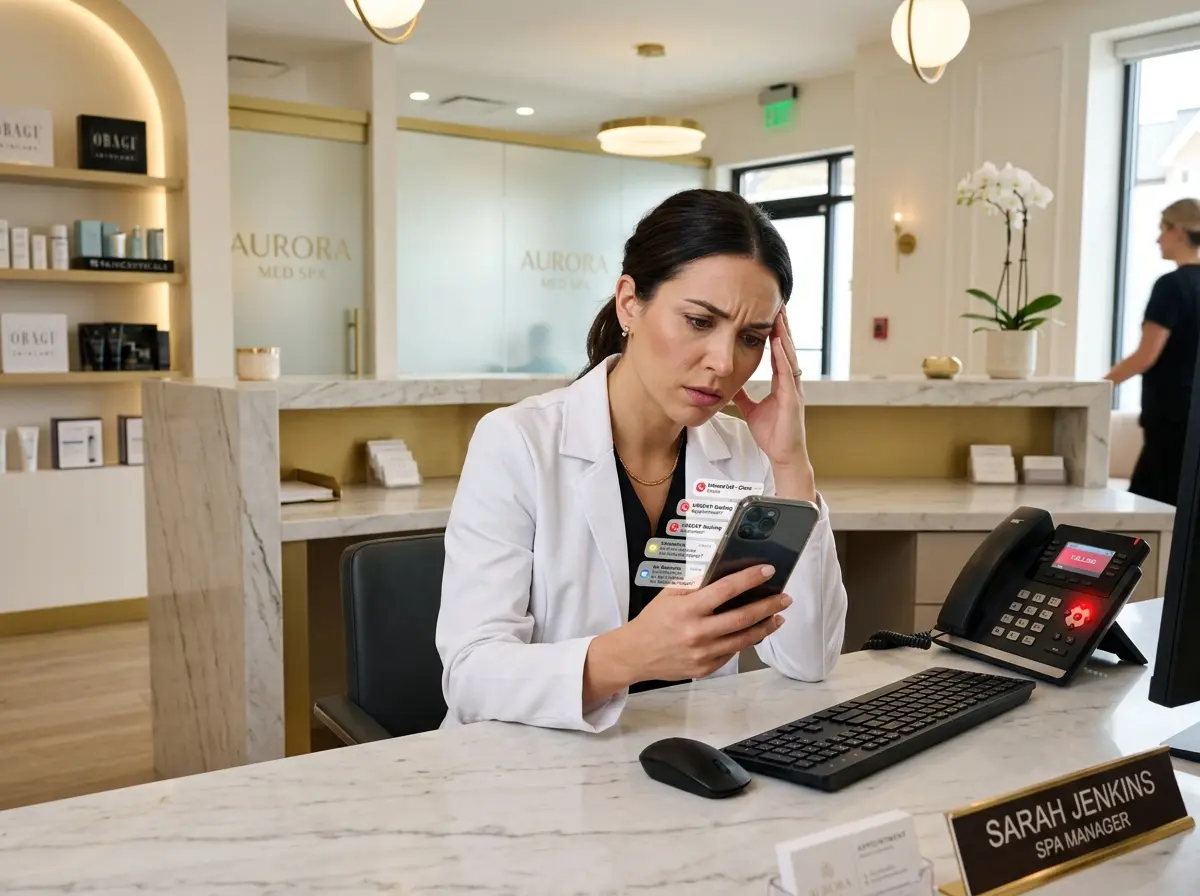
There's an almost poetic irony in successfully convincing a hotel concierge to recommend your spa, only to have their guest call you and reach a voicemail at 9 PM. Referred guests are warm leads — they're already sold on the idea. What kills the conversion is friction, and nothing creates friction faster than an unanswered phone.
This is exactly where Stella, the AI robot employee and phone receptionist, becomes genuinely useful for spa owners building out a hotel partnership program. Stella answers every call, 24/7, with full knowledge of your services, pricing, promotions, and availability — so when a hotel guest calls at 10 PM to book a couples massage for tomorrow morning, they get a real, helpful conversation instead of a voicemail prompt. For spas with a physical location, Stella also stands in-store as a friendly kiosk presence, greeting walk-ins and answering questions so your staff can stay focused on delivering great treatments. No missed calls, no missed opportunities.
Keeping Hotel Partners Engaged Long-Term
Creating Exclusive Packages That Feel Special
One of the best ways to keep a hotel partnership alive and thriving is to make the hotel feel like a true partner rather than just a referral source. Develop exclusive packages that are only available through that specific hotel. Name them after the property if you can — "The Grand Vista Renewal Package" sounds far more compelling than "standard 60-minute massage plus add-on." It gives the hotel something unique to promote, and it makes their guests feel like they're getting access to something they couldn't just find on your website.
Seasonal refresh is important too. Rotate the exclusive offerings quarterly to give concierge staff new things to talk about and give returning hotel guests a reason to book again. A spa that keeps things fresh is a spa that stays top of mind.
Measuring What's Working and Nurturing the Relationship
According to industry research, businesses that track referral sources and regularly communicate performance metrics to partners see significantly higher partner retention than those that don't. That stat shouldn't surprise anyone, but it's worth stating plainly because many small business owners skip this step entirely.
Set up a simple monthly report that you can share with each hotel contact. It doesn't need to be elaborate — total referrals, bookings converted, revenue generated, and average guest rating will do the job. Then actually send it. Show up to the relationship. Bring a small gift during the holidays, stop by to say hello during a slow Tuesday, and remember the name of the concierge who's been sending you clients for six months. These are human beings making recommendations on your behalf. Treat them accordingly.
At the same time, don't ignore underperforming partnerships. If a hotel has been on your list for four months and sent you exactly one booking, have an honest conversation about why. Maybe the concierge team needs a refresher on what you offer, or maybe the guest profile just doesn't align the way you thought. Either fix it or gracefully redirect your energy toward partners that are actually producing results.
Expanding the Partnership Ecosystem
Once you've successfully built one or two strong hotel partnerships, you have something powerful: a proven system and a track record. Use that momentum. Ask your hotel partners for introductions to other properties in their brand family. Request a testimonial or a short quote you can use in future pitches. Consider approaching hotel groups or tourism boards about being listed as a preferred wellness partner for the area.
The spa owners who build the most robust referral networks aren't necessarily the ones with the fanciest treatments — they're the ones who treated the partnership like a real business relationship and invested in it consistently over time.
Quick Reminder About Stella
Stella is an AI robot employee and phone receptionist designed to help businesses like spas stay responsive, professional, and fully operational without burning out their human staff. She greets in-store visitors, answers calls around the clock, promotes your services and packages, and keeps detailed records of customer interactions — all for $99 a month with no upfront hardware costs. When hotel referrals start coming in at all hours, Stella makes sure none of them slip through the cracks.
Start Small, Stay Consistent, and Watch It Compound
Building a hotel partnership program is not a one-afternoon project — but it's also not as complicated as it might sound. The businesses that succeed at it share a few common traits: they approach hotels with a clear value proposition, they make the referral process ridiculously easy for hotel staff, and they show up to the relationship consistently over time rather than pitching once and disappearing.
Here's a practical starting point to get moving this week:
- Make your shortlist. Identify five nearby hotels that match your target client profile and note the name of the concierge manager at each.
- Draft your one-page proposal. Lead with guest value, include a simple commission structure, and outline a clear booking process.
- Request a brief meeting. Not a pitch — a conversation. Ask about their guest needs before you start talking about yourself.
- Set up tracking. Create a unique promo code or booking link for each hotel before you launch anything.
- Make sure your phones are covered. The last thing you want is a referred guest calling and hitting a wall. If that's a gap in your current setup, fix it before you start driving traffic.
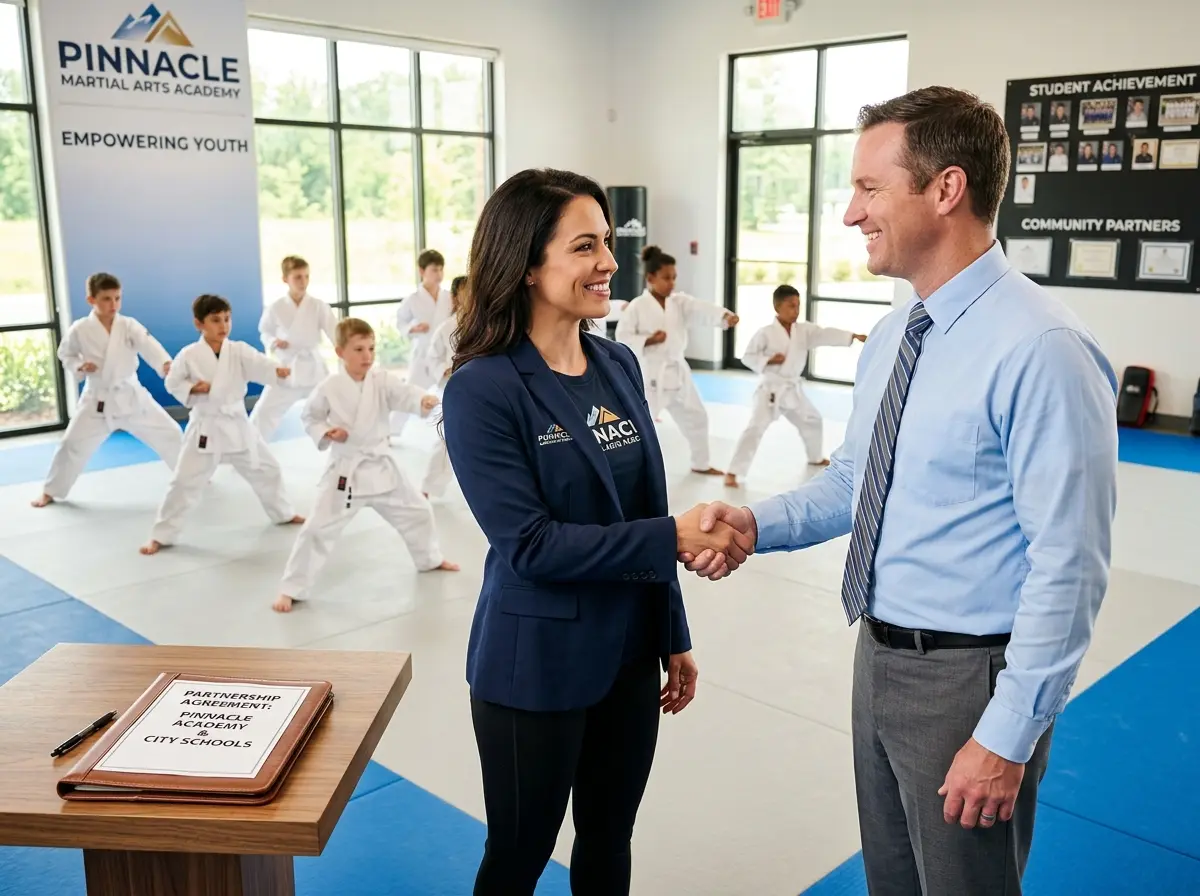
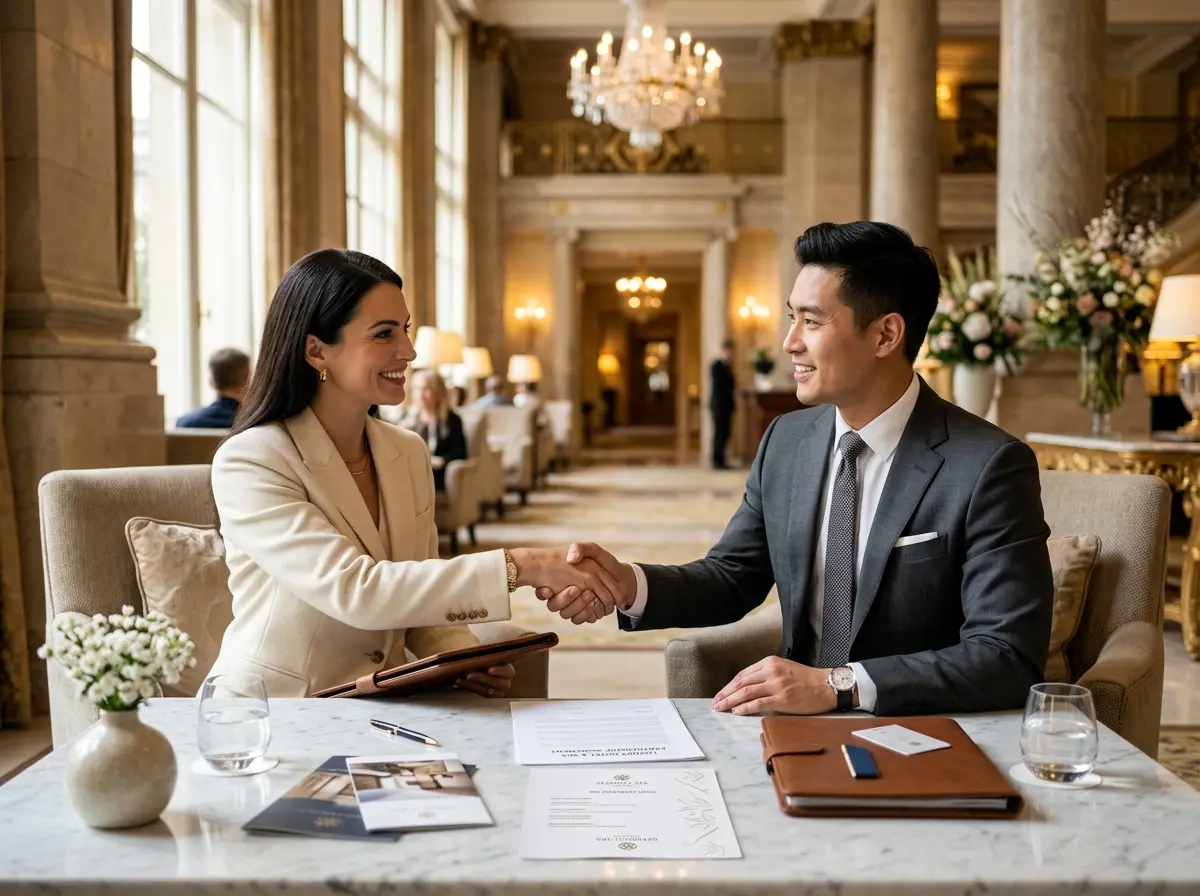
Hotel partnerships, when built properly, can become one of the most reliable and low-cost sources of new clients your spa has. The hotels benefit, their guests benefit, your revenue benefits, and you get to spend less time worrying about where the next booking is coming from. That sounds like a deal worth shaking hands on.