Your Loyalty Program Is Working — Just Not for You
Congratulations! Your restaurant's loyalty program has loyal members. They earn points, they redeem rewards, and they come back regularly. Everything is going according to plan — except for one small detail: you're essentially handing out discounts to people who would have shown up anyway.
Loyalty programs are one of the most widely adopted marketing tools in the restaurant industry, with over 90% of companies running some form of one. Yet a surprisingly large number of them are structured in a way that rewards frequency without actually influencing behavior. You're not building loyalty — you're subsidizing habit. And there's a meaningful difference between a customer who visits because they love your food and a customer who visits more often because your program gave them a reason to choose you over the place across the street.
The good news? You don't have to scrap your program and start over. You just have to understand why it's rewarding the wrong behavior — and then make a few smart adjustments that actually move the needle on revenue, retention, and growth.
The Classic Loyalty Trap: Rewarding Frequency Over Value
The "Already-Loyal Customer" Problem
Here's the uncomfortable truth that most loyalty program vendors won't tell you: the customers who sign up for your program first are almost always your most loyal customers already. They're the regulars, the fans, the people who bring their family every Sunday. They were coming back regardless. When you give them a free appetizer after ten visits, you haven't created loyalty — you've just created an expectation of a free appetizer.
This is sometimes called the "deadweight loss" of loyalty programs, and it's a real cost. You're spending money on rewards for behavior that required no incentive to produce. Meanwhile, the occasional visitor — the person who came in twice last year and could become a regular with the right nudge — probably isn't even enrolled in your program, let alone being targeted with relevant offers.
Points-Per-Dollar Models Miss the Point
The most common loyalty structure in restaurants is simple: spend money, earn points, redeem points for discounts or free items. It's intuitive and easy to communicate, which is why everyone uses it. It's also almost perfectly designed to reward your highest spenders without changing a single thing about their behavior.
A customer who already orders the most expensive items on your menu will accumulate rewards faster than anyone else — not because your program inspired them to spend more, but because they already do. The program isn't modifying behavior; it's just adding a loyalty tax to your margins. If your goal is to increase average order value among mid-tier customers, a flat points-per-dollar model is a fairly blunt instrument for a fairly precise job.
Ignoring the Lapsed Customer Is a Costly Oversight
Perhaps the biggest missed opportunity in most restaurant loyalty programs is the complete lack of re-engagement mechanics. A customer visits three times, earns some points, and then disappears for four months. What happens? Usually nothing. The points sit there. No triggered offer, no "we miss you" message, no reason to return. Meanwhile, that customer has quietly started going somewhere else.
Studies suggest that acquiring a new customer costs five to seven times more than retaining an existing one. Your lapsed loyalty members are warm leads sitting in a database doing nothing. Ignoring them isn't just a missed opportunity — it's an expensive one.
How Smarter Tools Help You Catch What You're Missing
Know Your Customers Before You Reward Them
One reason loyalty programs reward the wrong behavior is simple: restaurants don't have enough data on individual customers to do anything more sophisticated. You know someone visited — you might not know when, how often, what they ordered, or what made them come back. Without that information, a flat points system is about the best you can do.
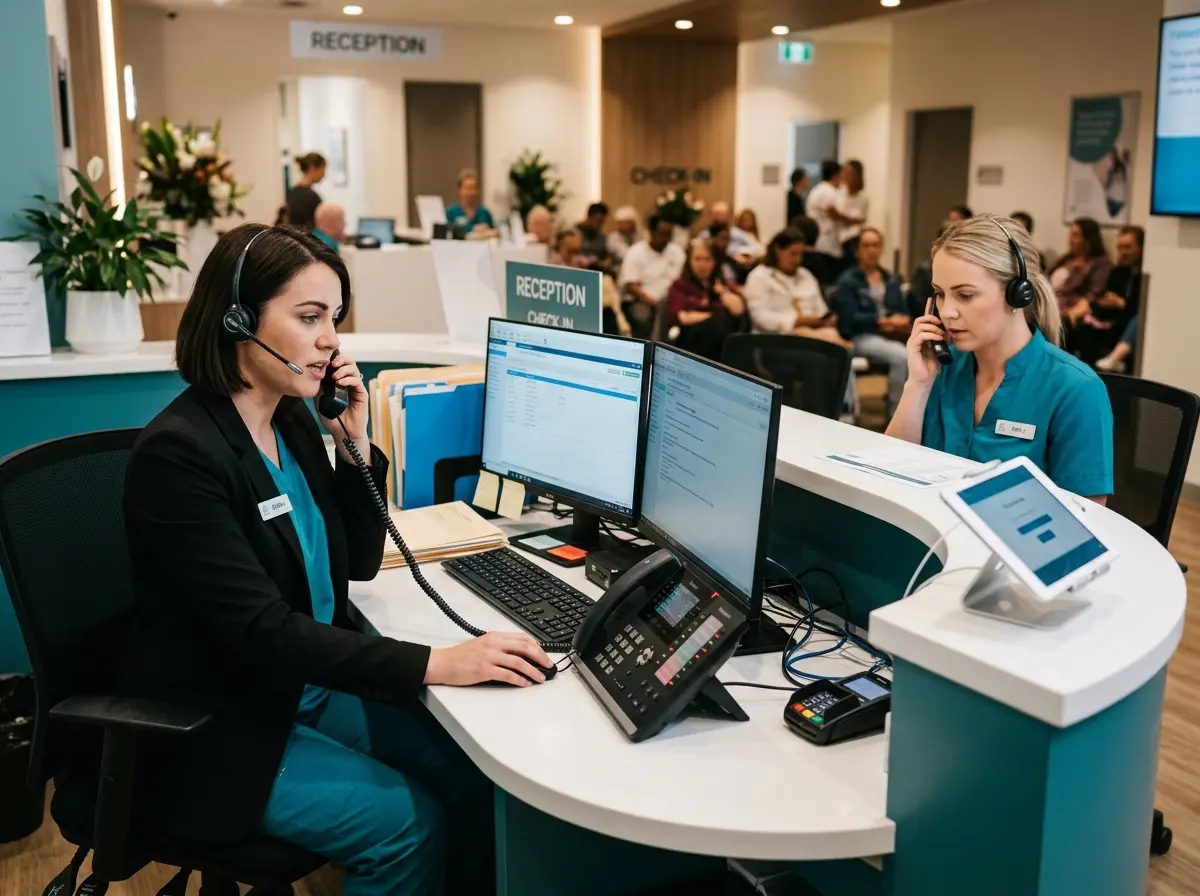
This is where customer data infrastructure starts to matter. Stella, the AI robot employee and phone receptionist, can help here in a way that integrates naturally into how your restaurant already operates. At the kiosk, Stella can collect customer information through conversational intake — no clipboard, no form, just a friendly exchange. Over the phone, she handles reservations and inquiries while capturing customer details that feed directly into a built-in CRM with custom fields, tags, notes, and AI-generated profiles. That means when a customer calls to place a to-go order or make a reservation, their information is being recorded, organized, and made useful — giving you the kind of customer intelligence that makes a smarter loyalty strategy actually possible.
Restructuring Your Program Around Behavior You Actually Want
Reward Milestones, Not Just Visits
Instead of simply rewarding every visit equally, consider building your loyalty program around behavioral milestones that align with your business goals. Want customers to try new menu items? Offer a bonus reward for a first-time order from a new category. Want to increase weekday traffic during a slow lunch period? Give double points for Tuesday and Wednesday visits between 11am and 2pm. Want to reduce the gap between visits? Create a streak reward that offers a bonus for visiting three times within a month.
These kinds of mechanics don't just recognize loyalty — they shape it. You're not waiting to see what customers do and then handing out prizes. You're designing a program that leads customers toward behavior that actually benefits your business, and rewarding them when they get there.
Tiered Programs Create Aspiration (When Done Right)
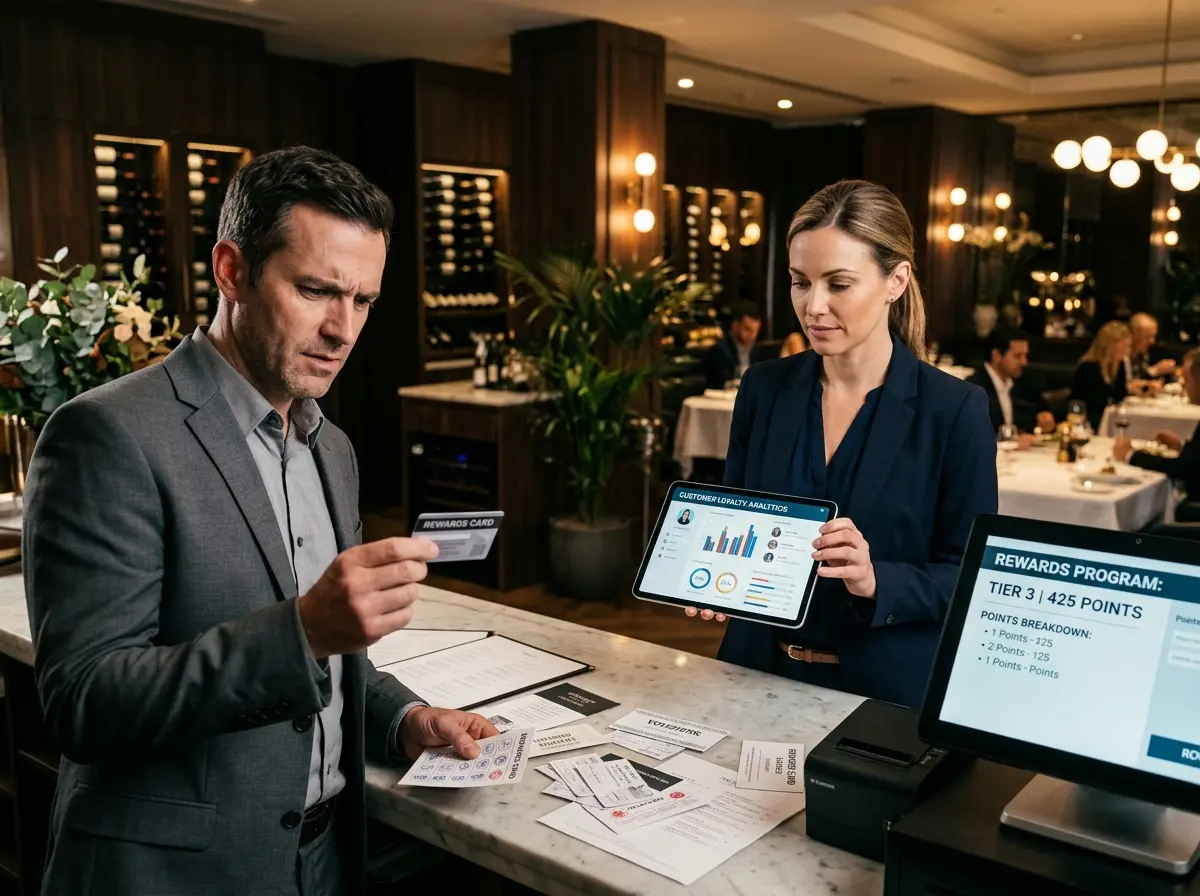
Tiered loyalty structures — Bronze, Silver, Gold, or whatever branding suits your restaurant — can be highly effective, but only if the tiers mean something. Too many tiered programs are essentially the same program with different badge colors. The perks at the higher tiers need to feel genuinely aspirational: early access to seasonal menus, invitations to exclusive tasting events, reserved seating priority, or a direct line to make reservations without waiting on hold.
The goal is to make your top-tier status feel like something worth earning — and something worth maintaining. If your Gold members get a free dessert twice a year and a birthday email, you haven't built aspiration. You've built a slightly nicer version of what everyone else already gets.
Build Re-Engagement Into the Architecture
Re-engagement shouldn't be an afterthought or a quarterly email blast. It should be a built-in part of how your loyalty program operates. Define what "lapsed" means for your restaurant — maybe it's 45 days without a visit, maybe it's 60 — and trigger a specific, time-sensitive offer the moment a customer crosses that threshold. Not a generic "we miss you," but a real offer: "It's been a while — here's 20% off your next visit, valid for the next two weeks."
The time sensitivity matters. Open-ended rewards don't create urgency. A two-week window does. And when your program is connected to real customer data, you can make these offers feel personal rather than automated — referencing their favorite order, their last visit, or the location they frequent most. That kind of relevance is what separates a loyalty program that drives behavior from one that just tracks it.
A Quick Reminder About Stella
Stella is an AI robot employee and phone receptionist built for businesses like yours. She greets customers in person at a kiosk inside your restaurant, answers phone calls 24/7, promotes current deals, and captures customer data — all for just $99/month with no upfront hardware costs. If you're trying to build a smarter loyalty strategy, having better customer data is step one, and Stella makes collecting it genuinely effortless.
Your Loyalty Program Should Work Harder Than Your Best Regular
A loyalty program that only rewards your most loyal customers for doing what they were already going to do is, at best, a nice perk. At worst, it's a margin-eroding habit with no measurable impact on growth. The restaurants that win with loyalty aren't the ones with the flashiest apps or the most complicated point systems — they're the ones that understand what behavior they want to create and build a program that actually creates it.
Here's where to start:
- Audit your current program. Pull your redemption data and identify whether rewards are being earned by already-frequent customers or by customers who increased their visit frequency after enrolling.
- Define the behaviors you want to drive — more frequent visits, higher average check, off-peak traffic, trial of new menu items — and map your reward structure to those outcomes.
- Add re-engagement triggers. Set a lapsed customer threshold and build an automated, time-sensitive offer that fires when a customer hits it.
- Improve your customer data. If you don't know enough about your customers to personalize your loyalty program, invest in tools that help you collect and organize that information naturally — whether through your kiosk, your phone line, or your point of sale.
Your loyalty program should be one of the hardest-working parts of your marketing strategy. With a few structural changes, it can stop rewarding the status quo and start building the kind of customer relationships that actually grow your restaurant.