Your Clinic Closes. Pet Emergencies Don't.
Here's the uncomfortable truth: after-hours communication is one of the biggest missed opportunities in veterinary practice management. Most clinics have invested heavily in equipment, staff training, and creating a warm in-clinic experience — and then completely abandoned their clients the moment the front door locks. In an industry built on trust, compassion, and relationships, that's a surprisingly large gap to leave open.
The Real Cost of Going Dark After Hours
Lost Clients Are Rarely Dramatic — They Just Don't Come Back
When a pet owner reaches out after hours and gets nothing, it sends a message — and not a good one. It says: "Your concern isn't urgent enough for us to make any accommodations." That's a hard vibe to recover from, especially in a market where clients have options and aren't afraid to use them.
After-Hours Calls Are More Common Than You Think
A significant portion of veterinary client communication happens outside traditional business hours. Pet owners work day jobs. They notice limping, vomiting, or behavioral changes in the evening. They schedule appointments during lunch breaks. They have post-procedure questions at 9 PM. Studies suggest that up to 40% of service-based business calls go unanswered — and in veterinary medicine, where emotional stakes are high, those missed calls carry an outsized impact on client loyalty.
The Staff Burnout Factor
How AI Can Step In Without Stepping on Anyone's Toes
Always On, Never Overwhelmed
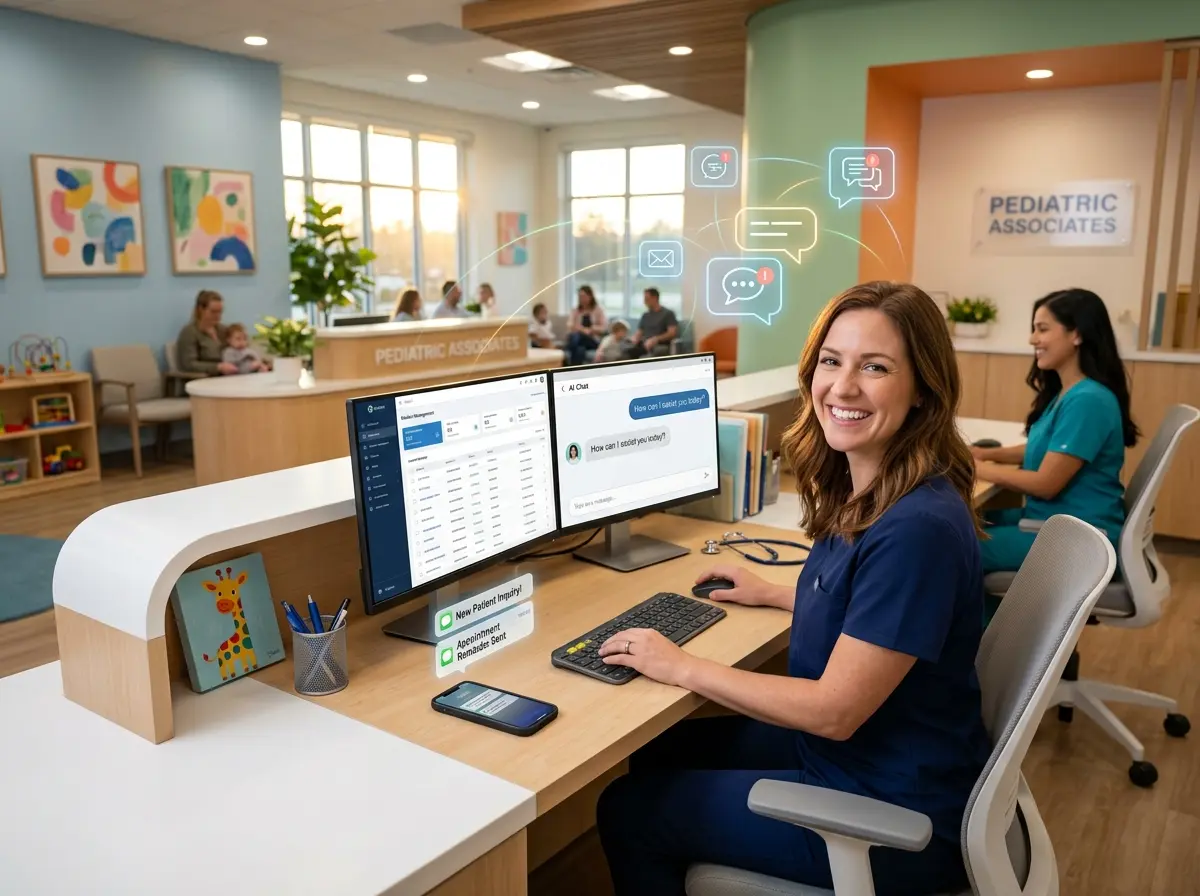
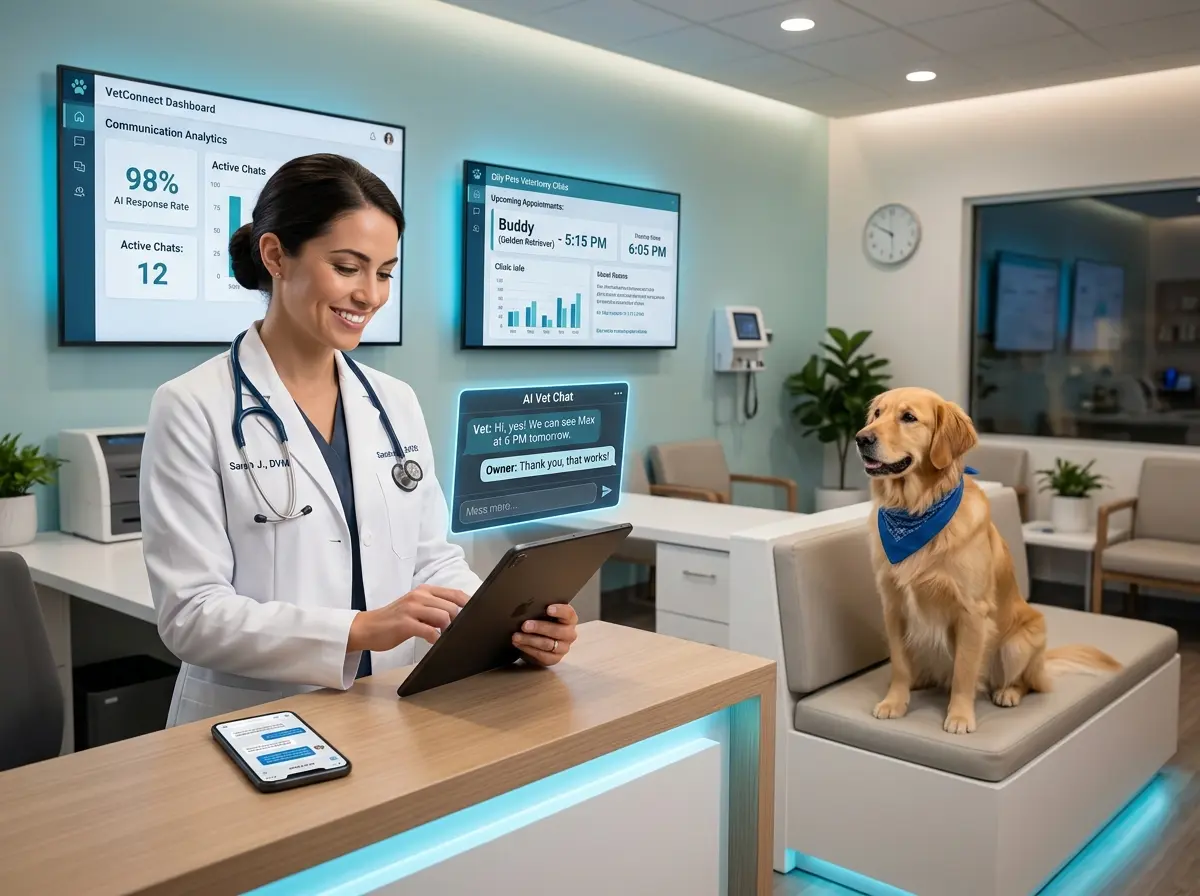
This is where tools like Stella come into genuine, practical use for veterinary clinics. Stella is an AI receptionist that answers phone calls around the clock, handles common questions about your services, hours, pricing, and policies, and can collect client information through conversational intake — all without a human involved. For clinics with a physical lobby, she also operates as an in-clinic kiosk, greeting clients as they walk in and freeing up your front desk staff for the tasks that actually require a human.
When calls do need to reach a real person — think urgent triage situations or specific medical questions — Stella can be configured to forward those calls based on conditions you define. Everything else she handles herself, and any voicemails come with AI-generated summaries and push notifications so your team walks in every morning with full context, not a stack of cryptic messages to decode. Her built-in CRM also logs client interactions automatically, so over time, you're building detailed profiles on your clients without any manual data entry.
What "Good" After-Hours Communication Actually Looks Like
It Starts with Triage, Not Panic
Appointment Scheduling and Information Collection Shouldn't Wait Until Morning
One of the most practical wins in after-hours AI communication is simple: letting clients book or inquire about appointments when it's convenient for them. When a client calls after hours to ask about scheduling a dental cleaning for their cat, the goal isn't just to answer their question — it's to capture their information, understand their needs, and have everything ready for your team to follow up efficiently. AI-powered intake forms, delivered conversationally over the phone, accomplish exactly this.
Consistency Builds the Trust That Keeps Clients Loyal
A Quick Reminder About Stella
Stella is an AI robot employee and phone receptionist built for businesses that want professional, reliable client communication without the overhead of additional staff. She answers calls 24/7, greets in-clinic visitors, handles intake, and keeps your team informed — all for $99/month with no upfront hardware costs. For a veterinary clinic, she's essentially a tireless front desk presence that never calls in sick, never has a bad day, and never puts a client on hold to go find someone.
It's Time to Stop Treating After-Hours Like a Lost Cause
- Audit your current after-hours experience. Call your own clinic at 8 PM tonight. What happens? Is it what you'd want a worried pet owner to experience?
- Identify your highest-volume after-hours inquiry types. Appointment scheduling? Medication questions? Boarding availability? Knowing what clients actually need after hours shapes how you configure your solution.
- Explore AI receptionist tools built for your workflow. Look for options that allow call forwarding logic, intake collection, CRM integration, and voicemail summaries — not just a basic answering service.
- Communicate the change to your clients. Let them know you're now available after hours. That message alone strengthens trust before anyone even calls.
Your clinic's reputation is being shaped during every hour you're open — and every hour you're not. The clinics that understand this, and act on it, don't just retain clients. They become the clinic that clients rave about to their neighbors, their coworkers, and every fellow dog parent they meet at the park. That's the kind of growth no ad budget can fully replicate.