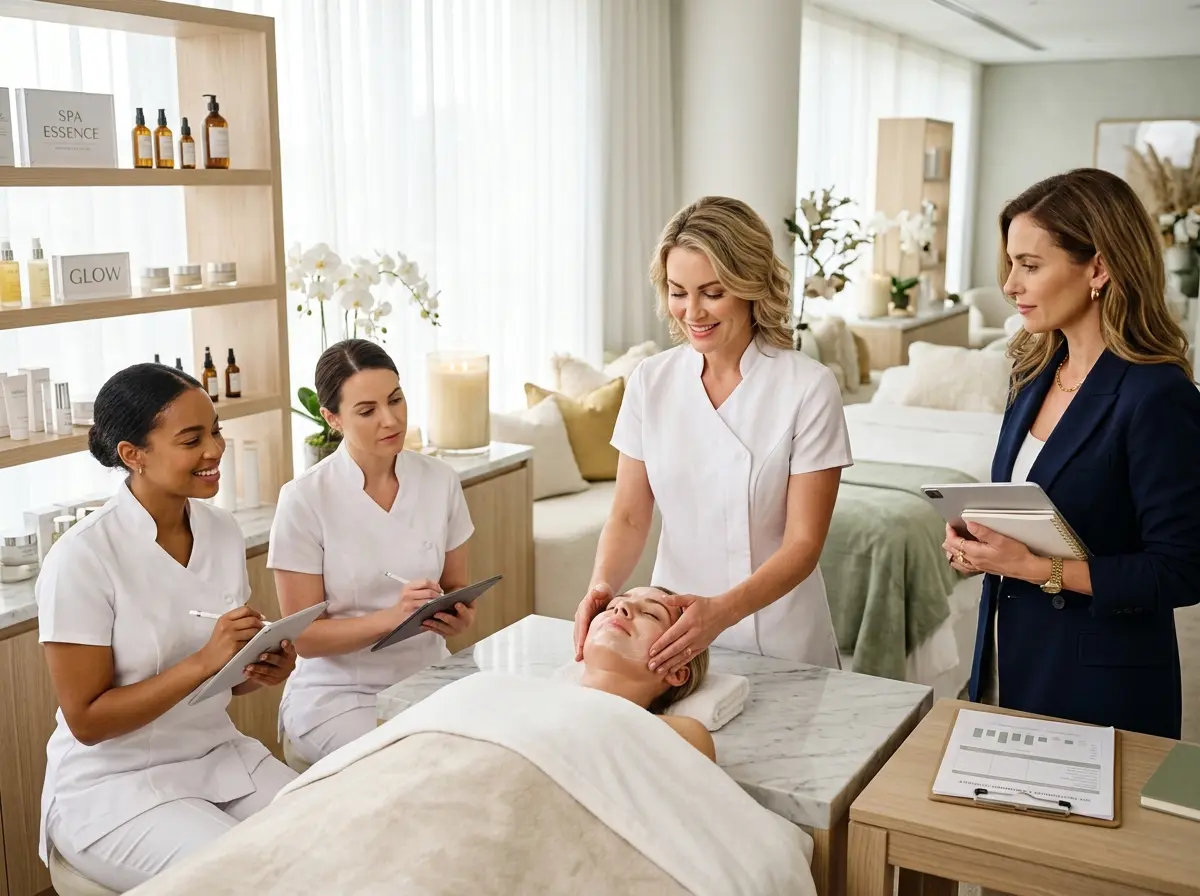
So You Want to Turn Your Spa Into a Learning Hub (And Get Paid for It)
Let's be honest — running a spa is expensive. Between premium products, skilled staff, rent, and the ever-present pressure to keep your treatment rooms booked, your revenue model can feel uncomfortably thin. You're essentially selling time, and last time anyone checked, there are only so many hours in a day. So what do successful spa owners do when they want to grow without cloning themselves or opening a second location? They create workshops.
Workshop programs are one of the most underutilized revenue streams in the spa industry, and that's a genuine shame — because they work beautifully. A single two-hour skincare workshop can generate the same revenue as several individual facials, while simultaneously building community, increasing brand loyalty, and positioning you as an authority in your space. And unlike a massage appointment, a workshop can serve twelve people at once. Twelve. At the same time. With one instructor. The math is generous.
Whether you're a solo esthetician, a boutique day spa, or a wellness center looking to diversify, this guide will walk you through how to design, price, fill, and sustain a profitable workshop program that actually adds to your bottom line.
Designing a Workshop Program Worth Paying For
Before you start printing flyers or building a registration page, you need to get the fundamentals right. A poorly designed workshop won't just underperform — it'll damage your reputation and leave attendees wondering why they didn't just watch a YouTube tutorial instead. Let's make sure that doesn't happen.
Choosing the Right Workshop Topics
The best workshop topics sit at the intersection of what you know deeply and what your clients are genuinely curious about. You already have this information — it's in your consultation notes, your most frequently asked questions, and the conversations you have at the treatment table every single day.
Popular and proven spa workshop topics include DIY skincare and clean beauty formulation, facial massage and gua sha techniques, stress-relief and self-care rituals, seasonal skin prep (hello, pre-wedding or summer skin workshops), aromatherapy basics, and couples' relaxation evenings. Notice how these aren't just educational — they're experiential. People pay more to do something than to merely listen to someone talk about it.
Start with one or two signature workshops rather than launching an entire curriculum on day one. Test, refine, gather feedback, and then expand. Your first workshop is a prototype, not a masterpiece — treat it accordingly.
Structuring the Experience for Maximum Value
A great workshop has a clear arc: introduction, education, hands-on practice, and takeaway. Attendees should leave feeling like they learned something genuinely useful, practiced it with guidance, and received something tangible — whether that's a product sample kit, a printed guide, or a discount on follow-up services.
Keep your group sizes manageable. Twelve to fifteen participants is typically the sweet spot for spas — intimate enough to feel personalized, large enough to be profitable. If you're teaching technique-heavy content like facial massage, go smaller. If it's more of a product formulation demo, you have more flexibility.
Timing matters too. Evening workshops on weekdays and mid-morning slots on weekends consistently outperform other time slots for spa audiences. Build in a natural social element — a welcome tea, a product sampling moment, or a Q&A — and you'll find that attendees linger, connect, and convert into loyal clients.
Pricing and Packaging Your Workshops Profitably
Setting a Price That Reflects Your Value (Not Your Fear)
Pricing workshops tends to make spa owners uncomfortable, because charging for education feels different from charging for a service. Get over that — quickly. Your expertise has value, your time has value, and the transformation you're offering has value. Underpricing doesn't make you more accessible; it makes you look uncertain about what you're selling.
A reasonable starting point for a two-hour spa workshop with a small take-home kit is between $75 and $150 per person. Specialty workshops — couples' evenings, advanced skincare series, or retreat-style full-day experiences — can command $200 or more. Run the numbers backward: what do you need to charge to cover your materials, your time, and overhead, while still making the event worth your while? That's your floor. Price above it.
Consider bundling workshops into series packages — three workshops for the price of 2.5, for example — to encourage repeat attendance and upfront revenue. You can also offer a "bring a friend" discount to leverage word-of-mouth without cannibalizing your pricing structure. Early-bird pricing is your friend for cash flow and commitment — people who pay in advance almost always show up.
Filling Your Workshops Without Burning Out on Marketing
You could design the most extraordinary workshop in the history of wellness — and it won't matter if no one registers. Filling seats requires consistent, strategic promotion, and yes, that means actually talking about it. Repeatedly. More than feels comfortable. Here's where a lot of spa owners quietly drop the ball.
Leveraging Your Existing Client Base First
Your existing clients are your warmest audience, and they should always be the first to know about an upcoming workshop. Send a personalized email or text, mention it during treatments, and display signage at your front desk. A direct personal invitation — "I thought of you specifically for this one" — converts at a dramatically higher rate than a mass announcement.
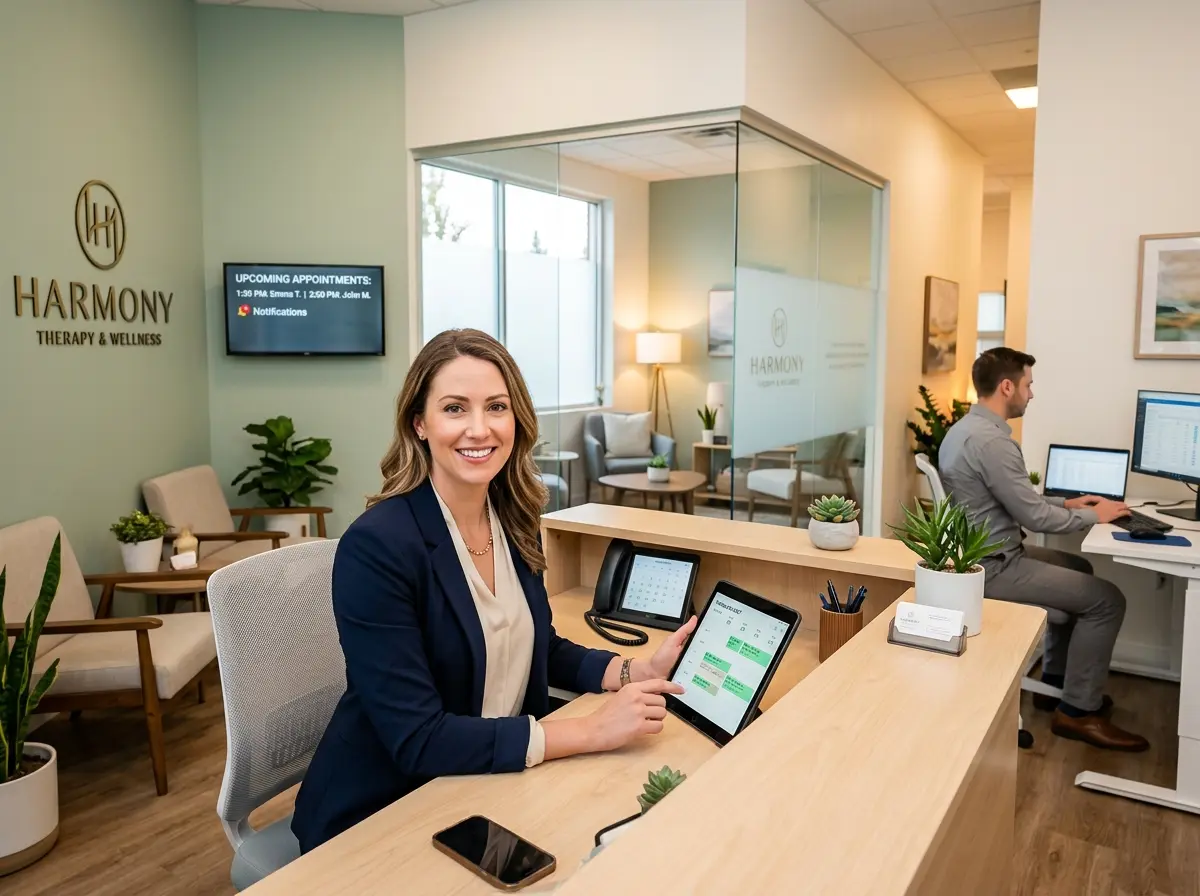
This is also where smart tools make a real difference. Stella, the AI robot receptionist and in-store kiosk, can proactively mention your upcoming workshops to every client who walks through the door or calls your spa — without your staff having to remember to bring it up every single time. She can collect registration interest, answer questions about workshop details, and flag leads for follow-up, all while your team stays focused on delivering exceptional treatments. It's the kind of consistent promotion that would require a dedicated marketing coordinator — for $99 a month.
Expanding Your Reach Beyond Your Current Clientele
Once you've tapped your existing client base, look outward. Partner with complementary local businesses — yoga studios, boutiques, nutritionists, and wedding planners are natural allies for spa workshop promotion. Cross-promote on Instagram and Facebook with content that gives potential attendees a genuine taste of what they'll experience. Short video clips of product prep, sneak peeks of the materials kit, and testimonials from past participants all perform well.
Consider listing your workshops on platforms like Eventbrite or ClassPass to reach audiences who are actively searching for local experiences. And don't underestimate the power of Google — a simple, optimized event page on your website can capture search traffic from people looking for exactly what you offer.
Quick Reminder About Stella
Stella is an AI robot employee and phone receptionist designed for businesses like yours. She stands in your spa as a friendly, knowledgeable kiosk presence — greeting clients, answering questions, and promoting your offerings — while also answering phone calls 24/7 with the same expertise. At $99/month with no hardware costs upfront, she's the team member who never calls in sick and never forgets to mention the workshop.
Turning One-Time Attendees Into Long-Term Clients
A workshop is not just a revenue event — it's a relationship accelerator. The people who attend your workshops are telling you something important: they trust you enough to spend time and money in your space, they're invested in their own wellness, and they're curious about what else you offer. That's an incredibly warm lead, and most spa owners don't do nearly enough with it.
Building a Post-Workshop Follow-Up System
Within 24 hours of every workshop, send a personalized thank-you message that includes a recap of key takeaways, links to any products featured, and a time-sensitive offer for a related service or their next workshop registration. This is not aggressive sales — it's good hospitality. You've just spent two hours building a relationship; don't let it go cold before the weekend is over.
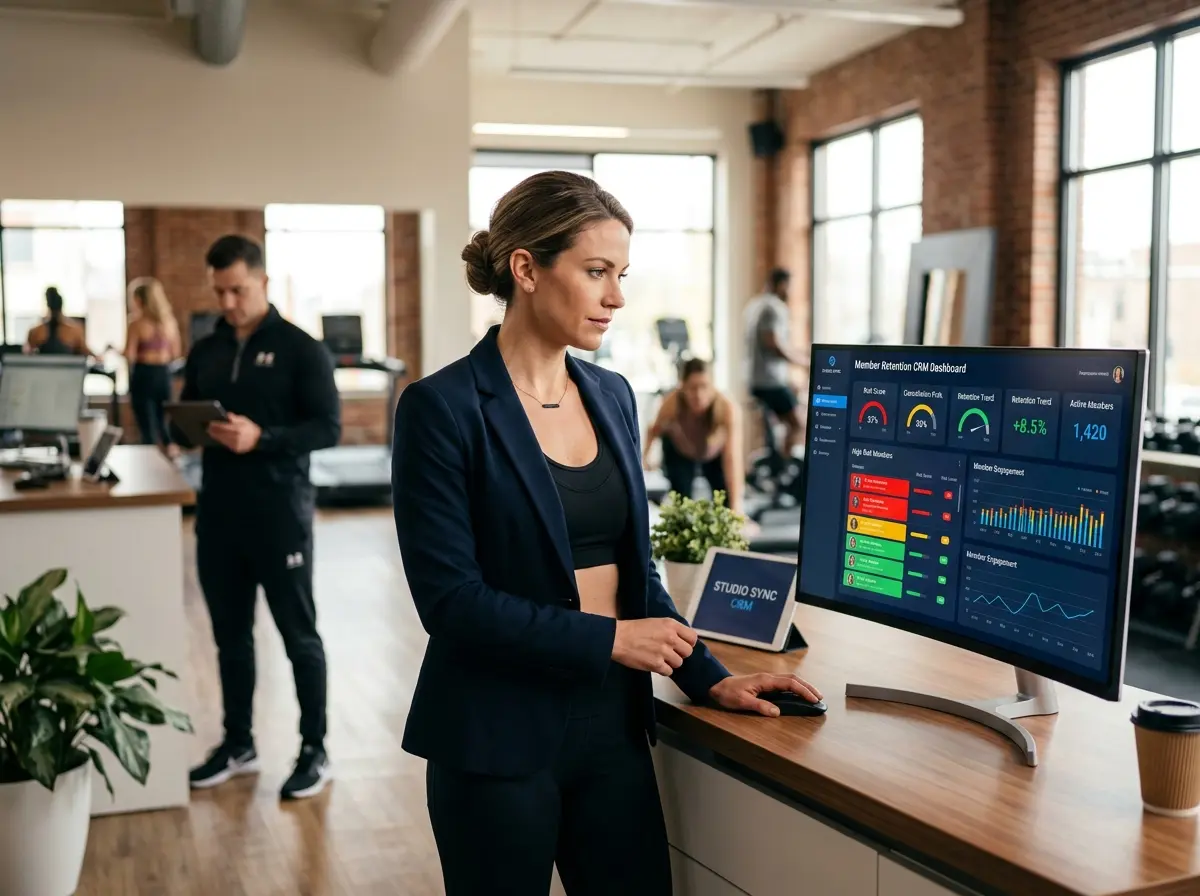
Track who attended, what they purchased, and what questions they asked. Over time, this data tells you exactly what to offer next, which topics resonate most, and which clients are ready for a deeper investment in your services. A simple spreadsheet works, though a CRM makes this significantly more sustainable at scale.
Creating a Workshop Alumni Community
Consider building a simple loyalty or alumni structure around your workshop program — a private Facebook group, a newsletter segment, or an invite-only annual event for repeat attendees. When clients feel like insiders, they refer others, they return consistently, and they become the kind of loyal advocates that no advertising budget can buy.
The most profitable workshop programs aren't one-off events — they're ecosystems. Each workshop feeds the next, and every attendee becomes a potential ambassador for your brand. Build that flywheel intentionally, and your workshop program will eventually generate revenue with very little additional marketing effort.
Your Next Steps Start Today, Not "Eventually"
If you've been sitting on the idea of launching a workshop program, this is your official nudge to stop waiting for the perfect moment — because that moment is a myth and your competitors are not waiting around for it either.
Here's what to do this week: pick one topic you could teach confidently right now, choose a date four to six weeks out, set a price that respects your expertise, and tell your existing clients about it. That's it. You don't need a full curriculum, a professional event photographer, or a custom registration software platform to launch your first workshop. You need a plan, a room, and the willingness to show up as the expert you already are.
As your program grows, layer in smarter systems — bundled pricing, series packages, strategic partnerships, and tools like Stella to handle the promotional and administrative lift so you can focus on what you do best. The revenue is waiting. The audience is curious. The only thing left is to begin.