Brushing Up on Business: Why Summer Camp Partnerships Are a Goldmine for Pediatric Dentists
Summer. The season of sunshine, popsicles, and — if you're a pediatric dentist — a surprisingly slow schedule. While kids are off building friendships and forgetting what a toothbrush looks like, your appointment book might be looking a little thin. But here's the thing: summer camps are packed with hundreds of children whose parents are actively thinking about their kids' health and wellness. That's not a coincidence — that's an opportunity.
A summer camp dental health partnership is one of the most underutilized growth strategies in pediatric dentistry. Done right, it gets your practice in front of new families, builds your reputation as a community pillar, and — let's be honest — helps a lot of kids avoid a very unpleasant surprise at their next checkup. This guide will walk you through how to build a partnership that actually works, from the first handshake with a camp director to turning campers into lifelong patients.
Building the Foundation: How to Find and Approach Summer Camps
Identifying the Right Camp Partners
Not all summer camps are created equal, and not all of them will be the right fit for your practice. Start by making a list of day camps, overnight camps, sports camps, and community recreation programs within a 15–20 mile radius of your office. Local YMCAs, church camps, school district summer programs, and private specialty camps (think robotics, arts, or soccer) are all excellent targets. According to the American Camp Association, there are over 14,000 camps in the United States serving more than 26 million children annually — so your market is not exactly limited.
Prioritize camps that serve children in your target age range (typically 3–14 for most pediatric practices) and that align with your patient demographics. A camp with 200+ enrolled kids is a particularly attractive partner because the outreach-to-return ratio makes the investment of your time genuinely worthwhile.
Crafting Your Partnership Pitch
Camp directors are busy people who have seen every vendor pitch in the book. You'll want to lead with value to them, not a sales deck about your practice. The most compelling pitches include a free educational component — like an in-camp dental hygiene workshop or take-home oral health kits for campers — that makes the director look good to parents without costing the camp anything.
Your pitch package should include a one-page overview of what you're offering, a brief bio of your practice, and any relevant credentials or community involvement. Keep it simple, warm, and focused on the kids. Offer to do a short presentation, provide branded toothbrush kits, or supply educational materials on cavity prevention — and make it clear there's no pressure to send families your way. The referrals will come naturally if you lead with generosity.
Formalizing the Relationship
Once a camp director says yes, put the details in writing. A simple one-page partnership agreement or memorandum of understanding covers what you'll provide, when, and how the camp will acknowledge your involvement (newsletter mention, website logo, signage at events, etc.). This isn't about being legalistic — it's about making sure both sides have clear expectations so the relationship stays positive all summer long and ideally renews the following year.
Running a Smooth Operation: Managing Inquiries and New Patient Flow
Handling the Surge in New Patient Calls
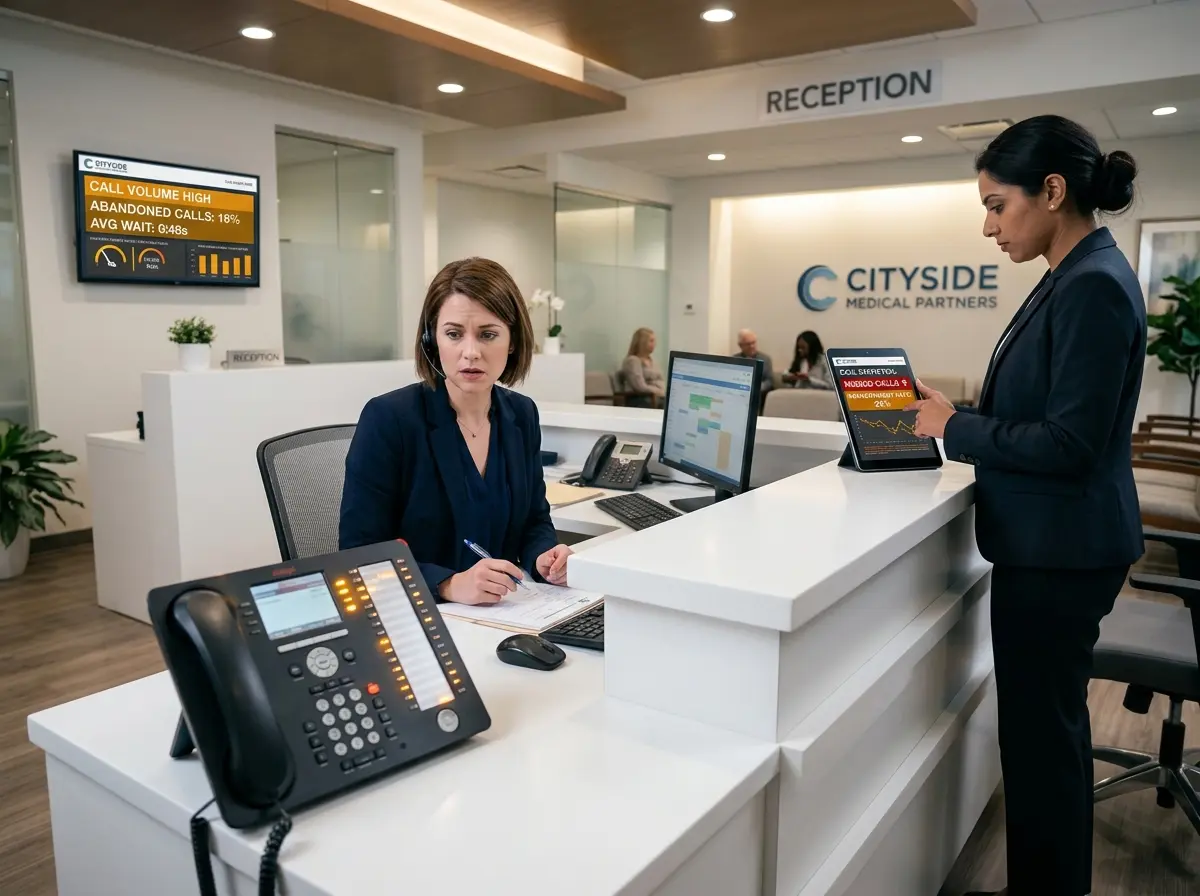
Here's a scenario you want to be ready for: you hand out 300 toothbrush kits at a camp fair on a Saturday, each one with your practice's name and phone number on it, and by Monday morning your front desk is fielding a flood of calls from parents wanting to schedule first appointments. That's the dream — but it can also become a logistical headache if you're not prepared.
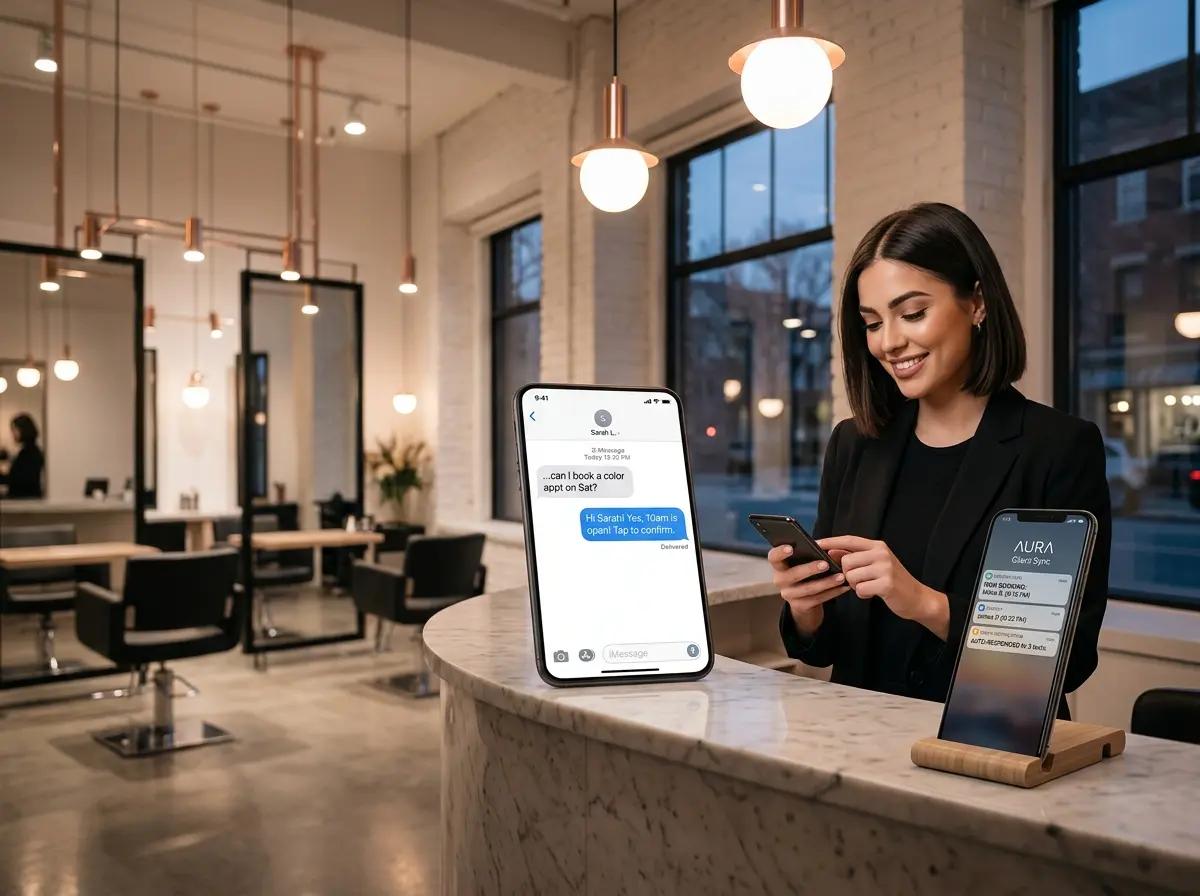
This is exactly where Stella, the AI robot employee and phone receptionist, comes in handy. Stella answers every incoming call 24/7 — even the ones that come in at 9 p.m. on a Tuesday when a parent finally found the toothbrush kit in their kid's backpack. She can answer questions about your services, hours, insurance acceptance, and new patient process, and she can collect intake information through conversational forms right over the phone. Calls that need human follow-up can be forwarded to your staff or flagged with AI-generated summaries so no lead slips through the cracks. For a pediatric practice running a camp outreach campaign, that kind of coverage isn't a luxury — it's a competitive advantage. Stella's built-in CRM also lets you tag incoming contacts by campaign source, so you can actually measure how many new patients came directly from your summer camp efforts.
Designing Dental Health Content That Kids (and Parents) Actually Engage With
Making Education Fun Without Being Condescending
If your idea of a dental health presentation is standing in front of a group of eight-year-olds reading bullet points off a slide, we need to talk. Kids learn through stories, games, and hands-on experiences — and the good news is that oral health is actually a pretty dramatic subject when you lean into it. Plaque bacteria, sugar acid attacks, and the heroic role of fluoride? That's practically a superhero movie plot.
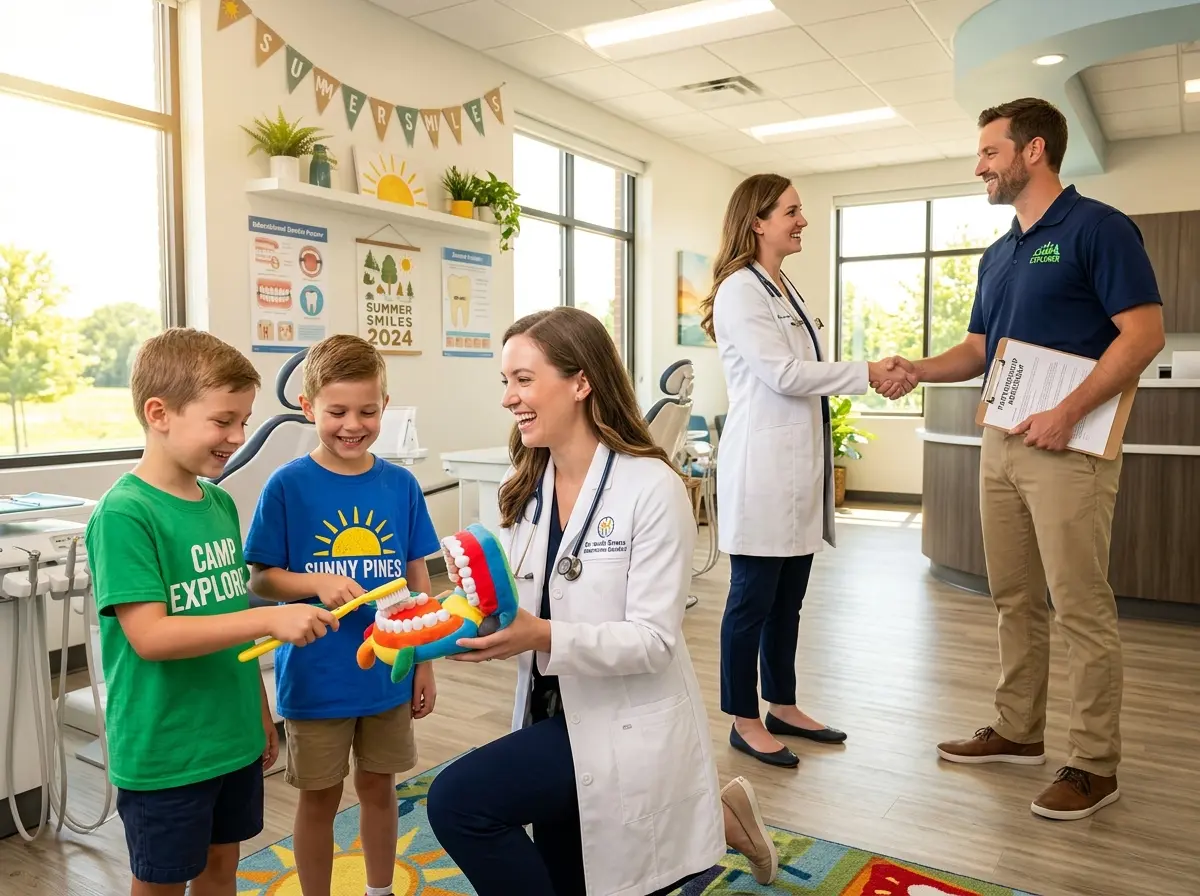
Consider building a 20–30 minute interactive workshop that includes a demonstration of proper brushing technique using oversized props, a quick quiz with small prizes, and a "reveal" segment where kids use disclosing tablets to see plaque on their own teeth (with parental permission, of course). The goal isn't just to teach — it's to make your practice memorable. Parents who hear their child excitedly retelling your presentation at dinner are already halfway to calling your office.
Creating Take-Home Kits That Parents Actually Read
Your branded toothbrush kit is doing double duty: it's a useful gift for the child and a marketing piece for the parent. The insert card that goes inside matters more than most dentists realize. Skip the dense paragraph of dental facts and instead include a simple, friendly checklist of summer oral health tips, a QR code linking to your new patient page, and a seasonal special offer — something like a discounted first exam for new camp-referred patients through Labor Day.
Keep the branding professional but approachable. Bright colors, a friendly practice name or mascot, and a clear call to action go a long way. You want the parent to see it, smile, and think, "These are people I'd actually want taking care of my kid's teeth."
Following Up After the Camp Season
The partnership doesn't end when camp wraps up in August. Send a thank-you note or small gift to the camp director as the season closes, and ask about returning next year. If you collected any contact information from parents during the summer (through sign-up sheets, QR code form submissions, or camp-provided opt-in lists), use your CRM to send a warm fall outreach message reminding families that back-to-school season is a great time to schedule a checkup before the school year gets hectic. Timing matters, and a well-placed September email can convert a summer impression into a scheduled appointment.
Quick Reminder About Stella
Stella is an AI robot employee and phone receptionist built for businesses of all sizes — including pediatric dental practices managing seasonal outreach campaigns. She greets patients in your waiting area, answers calls around the clock, captures lead information through conversational intake forms, and keeps your CRM organized so your human team can focus on delivering great care. At just $99/month with no upfront hardware costs, she's the kind of staff member who never calls in sick during your busiest summer push.
Your Action Plan: Turning Camp Partnerships Into Long-Term Practice Growth
A summer camp dental health partnership isn't a one-and-done marketing tactic — it's a relationship-building strategy that compounds over time. The camp that knows your name this summer will mention you to parents next year, the year after, and beyond. The kids who remember your fun presentation will grow up and bring their own children to you someday. That's not hyperbole; that's how community-based practices build multigenerational patient families.
To get started, take these steps before the summer season begins:
- Research and list at least five to ten summer camps or programs in your area that serve your target age range.
- Develop your partnership pitch with a clear value proposition focused on what the camp and its families receive — not just what you hope to get out of it.
- Create or order your take-home kits well in advance, including a compelling insert with a seasonal offer and easy way to contact your practice.
- Design your educational workshop to be interactive, age-appropriate, and genuinely memorable for the kids attending.
- Prepare your practice's systems to handle new inquiry volume — including 24/7 phone coverage, intake processes, and CRM tagging to track campaign results.
- Plan your fall follow-up so the momentum you build in summer doesn't evaporate before school starts.
Summer is short, but the relationships you build during it can last decades. Get out there, meet your community, and let your expertise speak for itself — one toothbrush kit at a time.