Introduction: The Art of the "Oh, Why Not?" Purchase
You've seen it happen a thousand times. A customer walks into your gift shop with a clear mission — pick up a birthday card, maybe a candle — and walks out with a hand-painted ceramic bowl, two sets of artisan chocolates, a novelty tea towel, and yes, the birthday card. They look slightly confused but genuinely pleased with themselves. You, meanwhile, are quietly doing a victory lap behind the register.
That magical phenomenon has a name: impulse purchasing. And while it might feel like luck, the truth is that the most successful gift shop owners engineer those moments deliberately. According to a study by the POPAI (Point of Purchase Advertising International), 82% of purchasing decisions are made in-store, not before the customer ever walks through your door. That's not a statistic to gloss over — that's an invitation.
The good news? You don't need a psychology degree or a massive renovation budget to tap into impulse purchase behavior. You need to understand a few core principles of how human brains work when they're relaxed, curious, and surrounded by pretty things. Let's dig in.
The Psychology Behind Impulse Buying
Emotion Is the Engine
Impulse purchases are almost never logical — and that's precisely the point. Research from the Journal of Consumer Psychology consistently shows that positive emotional states dramatically increase unplanned buying. When customers feel comfortable, delighted, or inspired, their mental "purchase filter" loosens. Your store's atmosphere — the lighting, the scent, the music, the visual warmth — isn't just aesthetic fluff. It's a psychological lever.
Gift shops are uniquely positioned here because customers already arrive in a gifting mindset, which is inherently emotional. They're thinking about someone they care about, a celebration, a memory. Your job is to amplify that emotional energy rather than let it fizzle out the moment someone can't find what they're looking for.
The Power of Proximity and Product Pairing
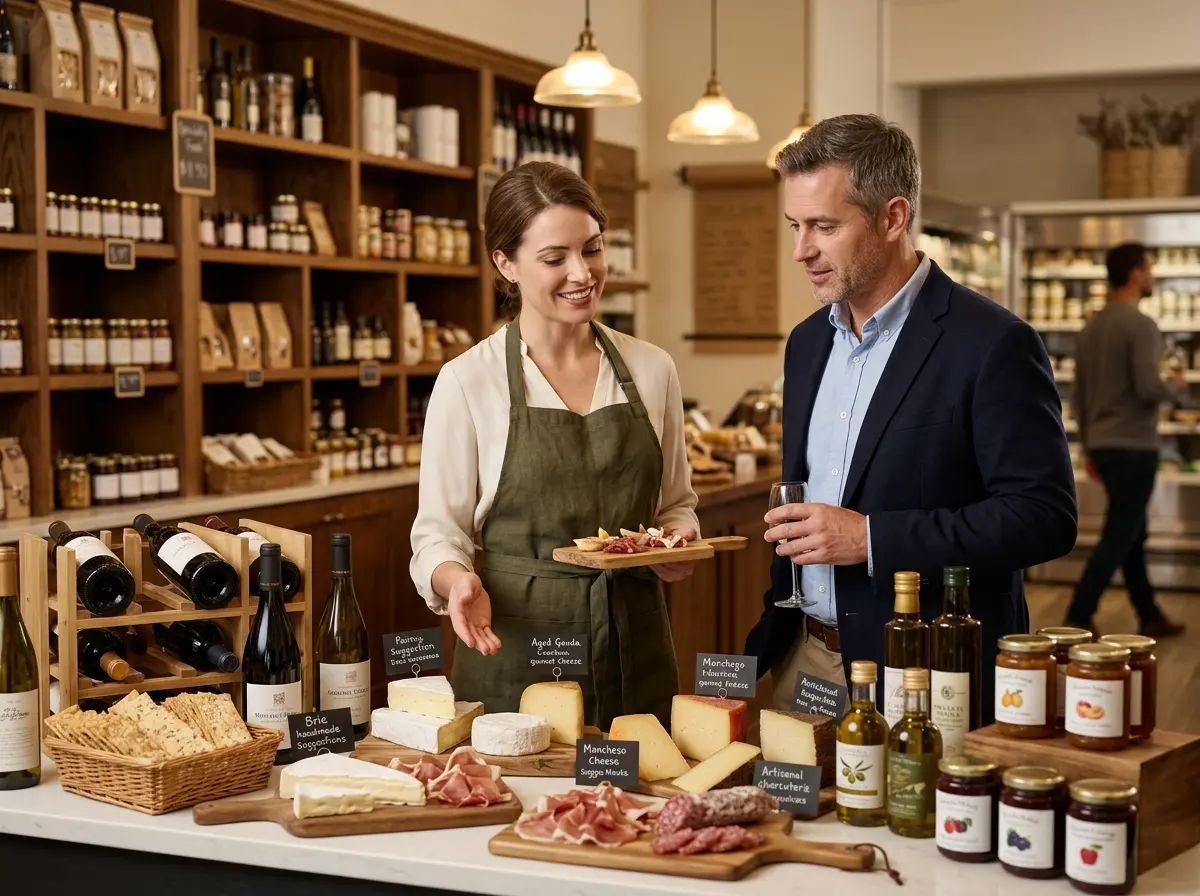
One of the oldest tricks in retail is also one of the most effective: place complementary products near each other. A display of mugs sitting alone sells mugs. A display of mugs nestled next to locally sourced hot cocoa mix, a few specialty spoons, and a small "gift set" sign? That sells an experience — and usually sells all three items at once.
This principle, known as cross-merchandising, works because it reduces the customer's cognitive load. Instead of thinking "what else should I get?", they think "oh, that's already a complete gift." You've done the creative work for them, and they reward you for it. Walk your floor with fresh eyes and ask: does every product have a natural neighbor? If it's standing alone, it might be leaving money on the table.
Scarcity, Urgency, and the Fear of Missing Out
Nothing motivates a purchase like the quiet dread of not being able to get it later. Limited-edition items, seasonal exclusives, and low-stock notices all tap into the same psychological trigger: loss aversion. Humans are wired to fear losing an opportunity more than they enjoy gaining one — it's been that way since we were competing for the good berries.
In practical terms, this means clearly labeling items as "limited run," using phrases like "only a few left" on shelf tags, or creating seasonal bundles that customers know will disappear after the holidays. You don't need to manufacture fake scarcity (please don't — customers notice), but genuine scarcity, communicated clearly, is one of the most powerful conversion tools you have.
Let Technology Do Some of the Heavy Lifting
Your Secret Weapon: An AI That Never Misses a Upsell Opportunity
Here's an uncomfortable truth: your staff, wonderful as they are, have bad days, get distracted, forget to mention the new arrivals, and can only talk to one customer at a time. An AI employee doesn't have those problems. Stella, the AI robot employee and phone receptionist, stands in your store and proactively greets every customer who walks by — mentioning current promotions, answering product questions, and suggesting complementary items without ever needing a coffee break or a pep talk.
For a gift shop, this is particularly powerful. Stella can be configured to know your inventory, your seasonal specials, your bundle deals, and your best-sellers — and she'll bring them up naturally in conversation. That means every customer interaction has a consistent, knowledgeable, enthusiastic presence guiding them toward a better (and larger) purchase. She also answers your phones 24/7, so when someone calls to ask if you carry a specific item or what your holiday hours are, they get an instant, accurate answer instead of voicemail. Fewer missed calls means fewer missed sales.
Store Layout and Visual Merchandising That Converts
Design the Journey, Not Just the Destination
Most gift shop owners think about their store in terms of product categories. Savvy ones think about it in terms of customer journeys. Where does a person naturally look when they first walk in? Where do their eyes go when they're browsing? What's the last thing they see before they reach the register?
Studies on retail traffic patterns suggest that customers instinctively turn right when entering a store — a zone known in retail design as the "decompression zone." Placing high-margin impulse items slightly further in, once the customer has settled into browsing mode, tends to outperform placing them right at the entrance. Meanwhile, the area near the register — the "checkout zone" — is prime real estate for small, low-price-point items that feel like easy additions rather than decisions.
Use Signage as a Salesperson
A well-placed sign can do the work of a sales associate without the overhead. Storytelling signage — small cards that explain the origin of a product, suggest a gifting occasion, or describe the maker's process — creates emotional connection and perceived value simultaneously. "Handcrafted by a local artist in small batches" does more selling than "artisan candle, $18."
Price anchoring is another underused tool. Displaying a premium item next to a mid-range item makes the mid-range item feel like a smart, reasonable choice — even if the customer would never have considered it a "deal" on its own. Group a $95 statement piece with a $35 version of something similar, and watch the $35 item fly off the shelf.
The Checkout Counter: Your Last (and Best) Impulse Opportunity
The checkout counter is where wallets are already open and resistance is lowest. This is not the place for large, complex products requiring consideration — it's the place for small, charming, low-stakes additions. Bookmarks, mini candles, quirky magnets, gift cards, small chocolates, or a "just because" notecard set. Keep the price points under $20, keep the display tidy, and rotate the selection regularly so repeat customers always see something new. A customer who visits monthly should never see the same checkout display twice.
Quick Reminder About Stella
Stella is an AI robot employee and phone receptionist built for businesses like yours — standing in your store to engage customers, promote deals, and answer questions, while also handling phone calls around the clock so no inquiry goes unanswered. At just $99/month with no upfront hardware costs, she's one of the most affordable ways to add a consistent, knowledgeable presence to your team without adding to your payroll headaches.
Conclusion: Build the Impulse, Don't Wait for It
The gift shop owners who consistently outperform their competitors aren't the ones with the best product selection (though that helps). They're the ones who intentionally design the conditions under which customers feel excited, comfortable, and inspired to buy more than they planned. That means engineering emotion through atmosphere, using proximity and pairing to tell product stories, communicating scarcity honestly, laying out your space to guide the customer journey, and making your signage work as hard as your staff.
Here's your action plan to get started this week:
- Walk your store as a customer would. Turn right when you enter. Notice what catches your eye and what disappears into the background.
- Audit your product groupings. Identify three products that could be paired with complementary items and create a dedicated cross-merchandise display.
- Refresh your checkout counter. Pull out anything over $25, anything that requires explanation, and anything that's been sitting there longer than 30 days.
- Add storytelling signage to your top five best-sellers or highest-margin items.
- Consider where technology can fill the gaps your staff can't — whether that's consistent upselling, proactive customer greeting, or 24/7 phone coverage.
Impulse purchases aren't accidents. They're invitations that your store either extends — or doesn't. The good news is that every element we've covered is entirely within your control. So go rearrange something, write a good sign, and watch what happens when you stop waiting for customers to decide on their own and start nudging them toward the good stuff.