Introduction: The Art of Helping Patients Help Themselves (While Helping Your Bottom Line)
Let's be honest — you didn't open a chiropractic practice just to crack backs and call it a day. You're in the business of whole-body wellness, and somewhere between adjusting cervical vertebrae and explaining to your fourteenth patient this week why their posture is, in fact, terrible, you probably noticed something: your patients need more than just chiropractic care. They need massage. They need physical therapy. And most of them have absolutely no idea you offer those services.
Cross-selling in a healthcare setting can feel awkward. Nobody wants to be that clinic that feels like a pushy car dealership. But here's the thing — recommending complementary services to your patients isn't a sales tactic, it's good medicine. Studies show that integrated care models combining chiropractic, massage therapy, and physical therapy produce significantly better patient outcomes than any single modality alone. Patients who engage with multiple services also tend to have higher satisfaction scores, longer retention rates, and — yes — higher lifetime value to your practice.
The challenge is making it feel natural rather than transactional. In this guide, we'll walk through practical, proven strategies to help you cross-sell massage and physical therapy services in a way that genuinely serves your patients and sustainably grows your revenue. No sleazy upsells required.
Building the Foundation: Mindset, Training, and Touchpoints
Shift from "Selling" to "Recommending"
The single biggest barrier chiropractors face with cross-selling isn't strategy — it's psychology. The moment you frame complementary services as a revenue opportunity rather than a clinical recommendation, patients can feel it. And so can your staff. The fix is surprisingly simple: make service recommendations a clinical habit, not a sales script.
When a patient presents with chronic lower back tension, your recommendation for massage therapy should come as naturally as your recommendation to ice an inflamed joint. Train yourself and your team to think in terms of care pathways. For a patient recovering from a whiplash injury, a logical care pathway might include chiropractic adjustments twice a week, one massage session to address soft tissue tension, and a physical therapy intake assessment to build a long-term strengthening plan. When framed this way, cross-selling becomes an extension of the diagnosis — not an add-on.
Train Your Front Desk Staff to Bridge the Gap
Your front desk team is arguably your most powerful cross-selling asset, and they're probably being wildly underutilized in this area. They interact with every single patient at check-in and checkout — two of the highest-attention moments in the visit. Yet most front desk conversations sound something like, "That'll be your $30 copay. See you next Tuesday."
Train your staff to ask simple, open-ended bridge questions: "How has your shoulder been feeling between adjustments?" or "Did Dr. Martinez mention that our massage therapist specializes in myofascial release? A lot of patients with your type of tension have seen great results combining both." These aren't high-pressure closes — they're informed, helpful nudges that remind patients you offer a broader toolkit. Create a simple reference card for your team that maps common patient complaints to relevant complementary services, so they're never scrambling for what to say.
Create Visible, Strategic Touchpoints Throughout Your Practice
If your massage and physical therapy services aren't visible in your waiting room, treatment hallways, and checkout area, you're leaving money on the table every single day. Patients spend an average of 15–20 minutes waiting in a healthcare setting. That's real estate. Use it.
Consider framed infographics explaining how massage therapy accelerates chiropractic outcomes. Post before-and-after stories (with patient permission) on a small community board. Feature a "Care Spotlight" each month on a specific service — explained in plain language, not clinical jargon. The goal is to make patients feel educated, not marketed to. When they already understand why massage therapy complements their adjustment before your staff mentions it, the conversation becomes a confirmation rather than a sales pitch.
How Technology Can Handle the Introductions For You
Let Your Systems Do the Recommending
Here's where things get genuinely exciting for the efficiency-minded practice owner. One of the most consistent cross-selling failures in chiropractic offices isn't lack of effort — it's lack of consistency. A great staff member recommends massage on Monday. A rushed one forgets entirely by Friday. Patients who call after hours get a voicemail and no information about the physical therapy program they were curious about. Sound familiar?
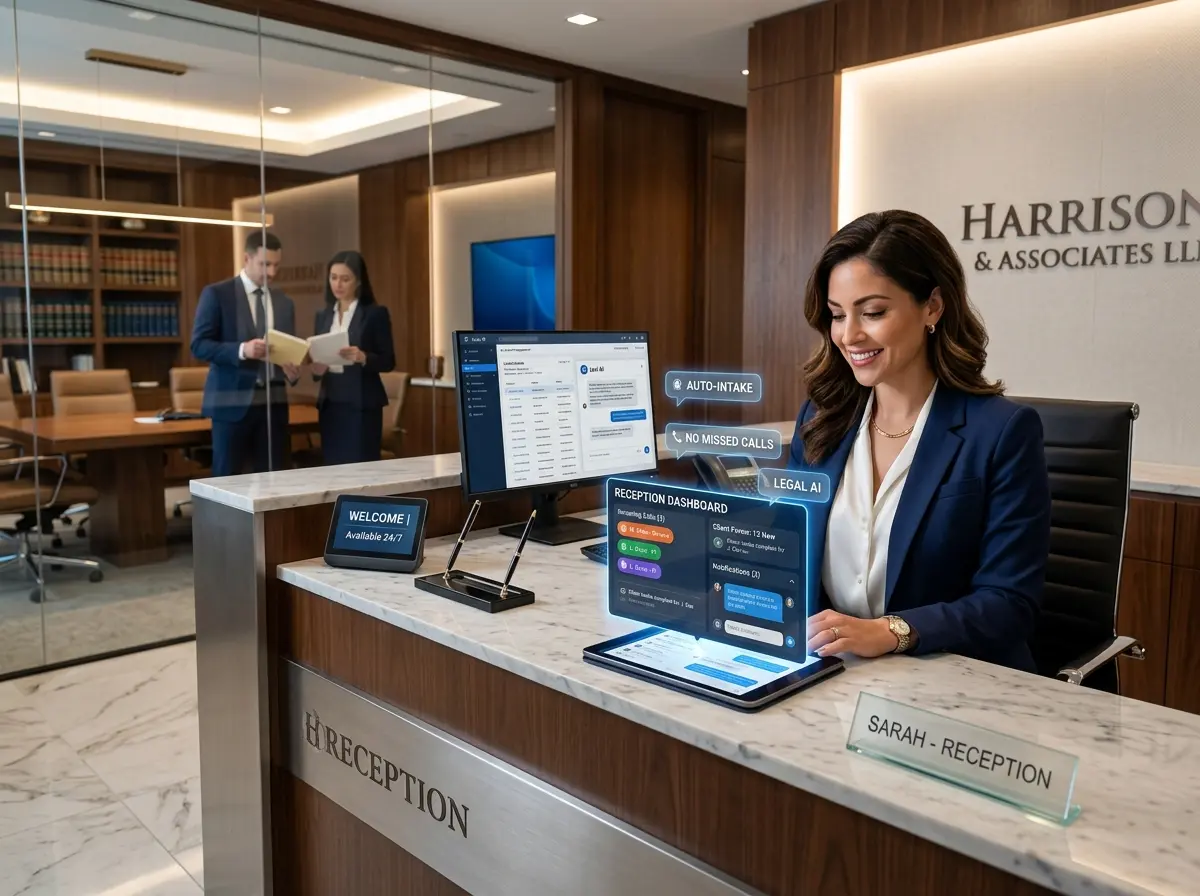
Stella, an AI robot employee and phone receptionist, is built precisely for this kind of consistency gap. For practices with a physical location, Stella stands in your office as a friendly, human-sized kiosk that proactively engages patients in the waiting room — introducing them to your massage and physical therapy offerings, answering questions about what each service involves, and even highlighting any current promotions or bundled packages. She never forgets to mention the monthly massage special. She never has an off day. And she never makes a patient feel pressured because she's simply sharing information in a warm, conversational way.
On the phone side, Stella answers calls 24/7 with the same knowledge she uses in person — so a patient calling at 8 PM to ask whether your clinic offers physical therapy gets a thorough, accurate answer instead of a voicemail. She can also collect patient intake information conversationally, which feeds directly into her built-in CRM — giving your team a complete picture of what each patient is interested in before they even walk through the door. That's a warm lead delivered automatically, every time.
Designing Packages and Promotions That Actually Convert
Bundle Services Around Patient Goals, Not Appointment Types
One of the most effective cross-selling strategies in integrated wellness practices is the introduction of goal-based care packages. Rather than selling individual services, you're selling an outcome — and patients respond to outcomes far more than they respond to line items on a menu. A "Back to Life" package might include six chiropractic adjustments, two massage sessions, and a physical therapy assessment, priced at a modest discount compared to booking each separately. A "Post-Surgery Recovery" pathway bundles physical therapy with soft tissue massage and periodic chiropractic check-ins as a cohesive program.
The key is naming these packages around what the patient cares about — feeling better, getting back to the gym, sleeping without pain — rather than the clinical mechanics of each service. When patients see themselves in the package name and description, they're far more likely to engage. Pricing these bundles at a 10–15% discount compared to à la carte rates is typically enough to create a compelling value proposition without significantly impacting your margins.
Use Follow-Up Strategically — Without Being Annoying
The fortune, as they say, is in the follow-up. But in healthcare, follow-up done poorly feels invasive. Done well, it feels like exceptional care. After a patient's initial appointment, a brief follow-up message — whether via email, text, or even a phone call from your front desk — that checks in on how they're feeling and mentions that their chiropractor has flagged them as a potential candidate for massage therapy is both thoughtful and effective.
Build a simple follow-up workflow into your practice management system or CRM. Flag patients who have expressed interest in or been recommended for complementary services, and set a reminder to reach out within five to seven days of their last appointment. Segment your outreach by service type so that your messaging is always relevant. A patient recovering from a sports injury gets different follow-up content than a patient managing chronic stress-related tension. Relevance is the difference between a patient who feels cared for and one who marks your email as spam.
Incentivize Your Team Without Creating the Wrong Culture
A modest, well-designed incentive program can meaningfully increase the frequency with which your team mentions complementary services — but tread carefully. Incentives tied directly to revenue generated can quickly create a culture that prioritizes upselling over patient care, which is exactly the opposite of what you want. Instead, consider recognizing staff for patient education behaviors: the number of service information sheets handed out, the number of patients who asked follow-up questions about massage or PT, or monthly team goals around patient satisfaction scores for integrated services. When the incentive is tied to the process rather than the sale, you build habits that serve patients first.
Quick Reminder About Stella
Stella is an AI robot employee and phone receptionist that works in your office and answers your phones — 24/7, without breaks, turnover, or a single complaint about the Monday schedule. At just $99/month with no upfront hardware costs, she's one of the most affordable ways to ensure your practice always has a professional, knowledgeable presence greeting patients and handling inquiries. Whether a patient is standing in your waiting room wondering about physical therapy or calling after hours about your massage availability, Stella's got it covered.
Conclusion: The Integrated Practice Isn't the Future — It's Right Now
Cross-selling massage and physical therapy services in your chiropractic practice isn't about squeezing more money out of your patients. It's about delivering the kind of comprehensive, coordinated care that actually moves the needle on their health — and building a practice that's resilient, diversified, and genuinely differentiated in a crowded market.
Start with the mindset shift: every recommendation is a clinical one. Then build the infrastructure around it — trained staff, visible touchpoints, strategic packages, smart follow-up workflows, and technology that ensures consistency even on your busiest days. Here's a simple action plan to get started:
- This week: Audit your waiting room. Does it clearly communicate that you offer massage and physical therapy? If not, fix that before anything else.
- This month: Design one bundled care package and train your front desk team on how to introduce it naturally in patient conversations.
- This quarter: Implement a follow-up workflow for patients flagged as candidates for complementary services, and track conversion rates so you can refine your approach.
- Ongoing: Evaluate the tools and technology supporting your patient experience — including how your phones are answered and how your waiting room is working for you, not just around you.
The practices that will thrive in the next decade aren't the ones with the most adjusting tables. They're the ones that treat the whole patient, communicate that value clearly, and build systems that make exceptional care feel effortless. You already have the clinical expertise. Now build the practice around it.