Stop Guessing, Start Winning: The Case for Digital Questionnaires in Cleaning Bids
Here's a scenario that probably feels familiar: you spend an hour driving to a potential client's property, walk through every room with a notepad, ask the same fifteen questions you always ask, drive back to the office, and then piece together a quote from memory and a few scribbled notes that may or may not be legible. Then you send the bid, wait, and sometimes win — but often wonder why you didn't.
Meanwhile, your competitor down the street just emailed a polished proposal within 24 hours of a client filling out a form on their website. Spoiler: they probably won that job.
The cleaning industry is competitive, and clients have options. The businesses that win more bids aren't necessarily doing better cleaning — they're doing better selling. And one of the most underrated tools for doing that is a simple, well-designed digital questionnaire. It captures the right information upfront, makes your quoting process faster and more accurate, and signals to prospects that you're a professional operation worth trusting with their space.
Let's break down how to build and use one effectively.
What a Great Cleaning Questionnaire Actually Asks
A digital questionnaire is only as useful as the questions inside it. Too few questions and you're still guessing when you write the quote. Too many and prospects abandon the form before hitting "Submit." The goal is to strike a balance — gather the information you genuinely need to price accurately and propose confidently, without making the client feel like they're applying for a mortgage.
The Basics: Property and Scope Information
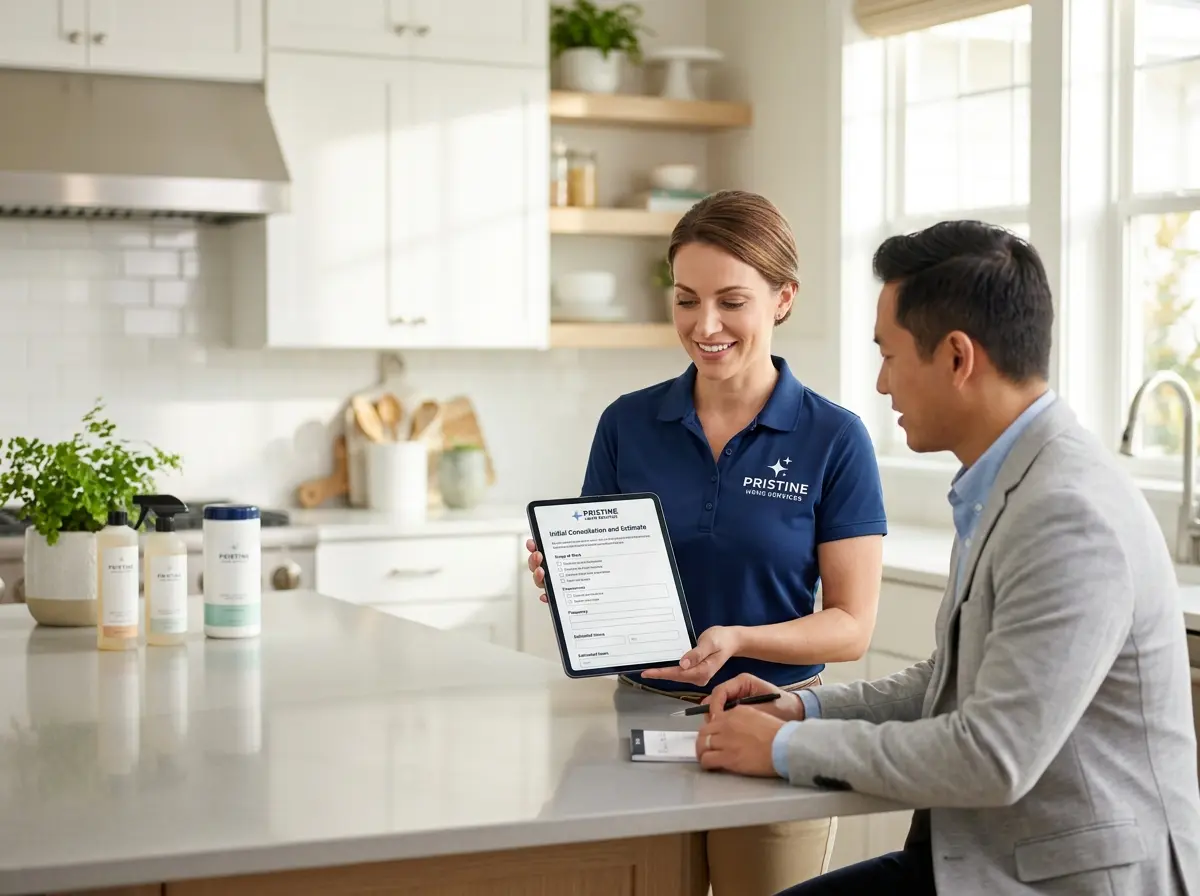
Start with the fundamentals. You need to know what type of property you're dealing with (residential, commercial office, retail, medical, post-construction, etc.), the approximate square footage, the number of rooms or zones, and the current cleaning frequency — or whether this is a one-time job. You'd be surprised how often cleaning companies skip these basics in conversation and then have to follow up awkwardly later.
Ask about flooring types too. Hardwood, tile, carpet, and luxury vinyl all require different equipment, products, and labor time. A 2,000 square foot space with wall-to-wall carpet is a very different job than the same square footage in polished concrete. Getting this upfront means your quote reflects reality, not assumptions.
Service Preferences and Special Requirements
This is where you start differentiating your quote from the generic ones. Ask clients what specific services matter most to them — deep cleaning, window washing, restroom sanitation, trash removal, floor waxing, green cleaning products, or specialized equipment. Let them rank their priorities or check everything that applies.
Also ask about access logistics. Are there security badges required? Specific cleaning windows (after hours, weekends only, during business hours)? Pets on the premises for residential clients? Any areas that are off-limits? These details protect both you and the client and prevent the awkward discovery conversation that happens on day one of the contract.
Budget Range and Decision Timeline
This one makes some business owners uncomfortable, but it shouldn't. Asking a prospect for a rough budget range isn't rude — it's respectful of everyone's time. If someone's expecting a $150/month quote and your minimum is $600, better to know that now than after you've invested two hours in a custom proposal.
Similarly, asking when they need service to start and who's involved in the final decision tells you a lot about how to prioritize and structure your follow-up. A client who needs service next week requires a different response cadence than one who's "just exploring options" for a renovation that won't be done until spring.
How Technology (Like Stella) Can Streamline Your Intake Process
Collecting questionnaire responses is one thing. Managing them efficiently — and turning them into booked jobs — is another. This is where smart tools make a real difference for cleaning business owners who are already stretched thin.
Capture Leads While You're Busy Cleaning
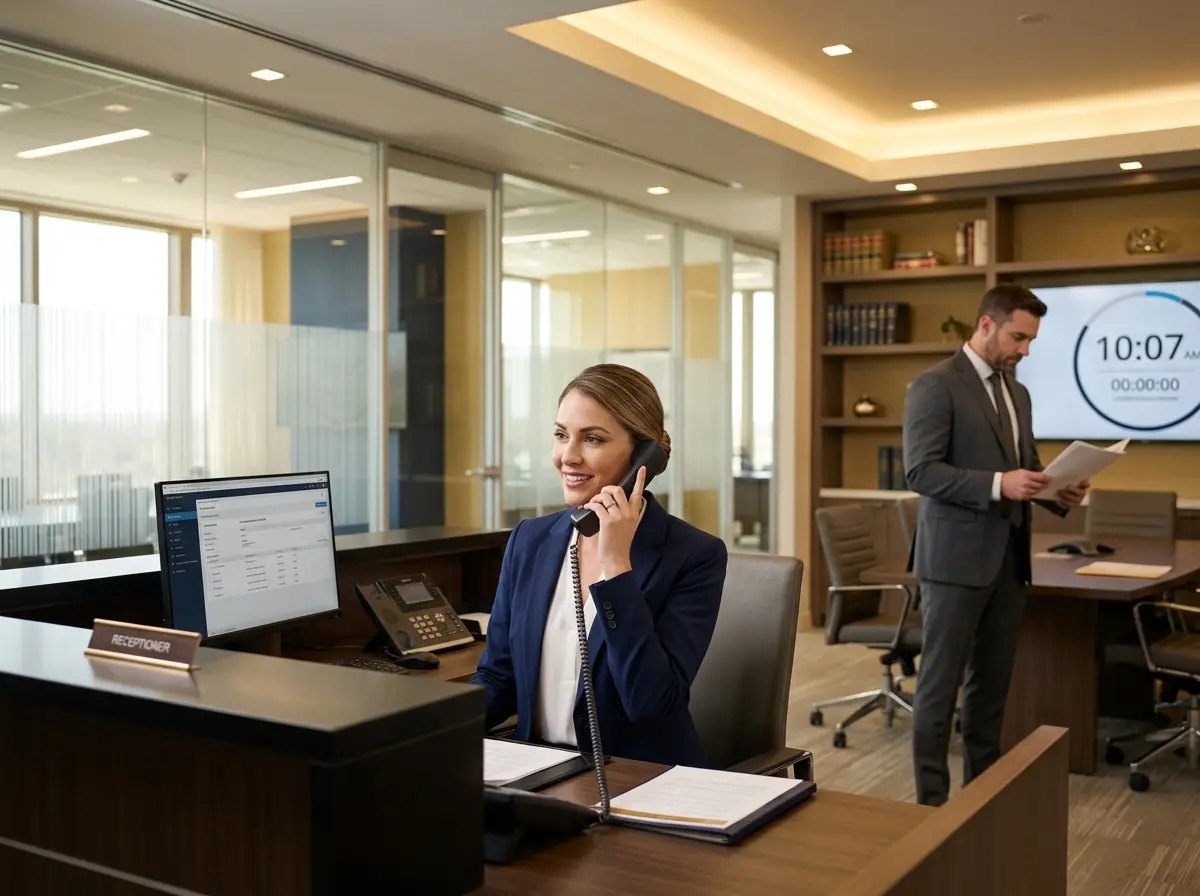
Stella, the AI robot employee and phone receptionist, is built specifically for this kind of intake work. When a potential client calls your business, Stella answers 24/7 and can walk them through a conversational intake process right over the phone — gathering the same information your questionnaire would, but in a natural dialogue format. No missed calls, no voicemails that sit unanswered until Monday morning, and no leads slipping through the cracks because you were out on a job.
Her built-in CRM captures all of that intake data automatically, complete with custom fields, tags, and AI-generated contact profiles — so when you sit down to write a proposal, the information is already organized and waiting for you. If you have a physical office or showroom, Stella also operates as a kiosk where walk-in prospects can get information and submit their details on the spot. For a cleaning business running on a tight team, that kind of always-on support is genuinely valuable.
Turning Questionnaire Data Into Winning Proposals
Collecting the data is step one. Actually using it to craft a proposal that converts is where most cleaning businesses leave money on the table. A well-filled-out questionnaire gives you everything you need to write something personal, specific, and compelling — rather than a generic price sheet with your logo slapped on top.
Personalize Every Proposal You Send
Use the questionnaire responses to mirror back what the client told you. If they mentioned they prioritize eco-friendly products, lead with that in your proposal. If they flagged that their last cleaning company was unreliable, address consistency and accountability directly. People don't just want the cheapest option — they want to feel understood. A proposal that reflects their specific answers signals that you actually listened, and that goes a long way in a service industry where communication problems are the number one complaint.
Include a brief summary of the scope as you understood it from their responses, followed by your recommended service plan, the frequency, and the pricing. This structure also serves a practical purpose: it gives the client a chance to correct any misunderstandings before work begins, which protects you from scope creep and disputes later.
Use Response Patterns to Refine Your Pricing Over Time
Here's a longer-term benefit that doesn't get talked about enough: if you're consistently collecting structured questionnaire data, you'll start to notice patterns. Certain property types always take longer than you estimate. Clients who request weekly service churn less than monthly clients. Jobs that start with a deep clean request tend to convert to recurring contracts at a higher rate.
This kind of insight is only possible when your intake process is consistent and your data is organized. Over time, you can use it to refine your pricing model, adjust your service offerings, and even decide which types of jobs to actively pursue versus which ones to pass on. That's the difference between running a cleaning business reactively and running it strategically.
Follow Up Like a Professional, Not an Afterthought
According to research from the Harvard Business Review, businesses that follow up with leads within an hour are seven times more likely to qualify that lead than those who wait just one hour longer. For cleaning companies, where many prospects are simultaneously requesting quotes from multiple providers, speed matters enormously.
A digital questionnaire helps here too, because it triggers your follow-up process the moment a prospect submits their information. Whether that's an automated confirmation email, a call from your sales rep, or an AI-assisted acknowledgment, the prospect knows immediately that their inquiry was received and that someone is on it. That first impression of responsiveness sets the tone for the entire client relationship.
Quick Reminder About Stella
Stella is an AI robot employee and phone receptionist that answers calls 24/7, collects customer information through conversational intake forms, and manages it all through a built-in CRM — starting at just $99/month with no upfront hardware costs. For cleaning businesses that rely on fast, accurate lead capture and professional client communication, she's the kind of support that pays for itself quickly.
Start Simple, Then Optimize
If you don't have a digital questionnaire yet, don't let perfect be the enemy of good. Start with a basic form — Google Forms, Typeform, or whatever your CRM supports — and ask ten to fifteen focused questions covering property type, scope, service preferences, budget, and timeline. Send it to every new prospect before you invest time in a site visit or proposal. You'll immediately notice that your quotes get faster, more accurate, and more likely to land.
From there, iterate. Add a question that keeps tripping you up in conversations. Remove one that nobody ever answers. Test whether asking about budget upfront improves or hurts your conversion rate with different client types. Treat your questionnaire like a living document, not a one-time setup task.
The cleaning industry rewards consistency and professionalism at every touchpoint — not just in the quality of the clean itself. A polished intake process tells prospects that your operation runs smoothly, your team is organized, and their property will be in capable hands. That's not a small thing. In a crowded market, it might be exactly what tips the decision in your favor.
So build the form, send it consistently, use the data deliberately, and watch your bid-to-contract ratio improve. Your future clients — and your future self — will thank you.