You Know Your Customers — But Do They Know That You Know?
Here's a fun little paradox of modern retail: customers desperately want to feel like individuals, yet most of them will walk into your store, get treated like a nameless transaction, and promptly forget you exist the moment they step outside. Not because you're a bad business owner — you're clearly not, you're reading a blog post about customer experience — but because personalization is one of those things that's incredibly easy to talk about and surprisingly easy to get wrong.
The good news? You don't need a data science team or a million-dollar CRM system to make your retail customers feel genuinely seen. According to McKinsey, 71% of consumers expect personalized interactions, and 76% get frustrated when they don't receive them. That's not a small slice of the market quietly hoping for better service — that's nearly everyone who walks through your door silently judging whether you care about them as a person or just as a receipt.
The even better news is that simple, consistent personalization tactics can dramatically improve customer loyalty, increase average spend, and turn one-time shoppers into regulars who tell their friends about you. Let's talk about how to actually do it.
The Foundation: Learn Names, Remember Preferences, and Actually Use That Information
Personalization without data is just guessing. And while guessing occasionally works — yes, some people do want to be recommended the most expensive item on the shelf — you'll build far stronger customer relationships when your approach is grounded in what you actually know about the people walking through your door.
Make Name Collection Feel Natural, Not Transactional
Nobody wants to feel like they're filling out a government form just to buy a candle. But collecting a customer's name — and eventually their preferences — doesn't have to be awkward or intrusive. Train your staff to ask naturally during checkout or intake: "Can I grab your name for our records so we can keep track of your favorites?" It sounds warm, it implies future value, and it works. Pair that with a simple loyalty program or customer profile system, and suddenly you're not starting from scratch every single visit.
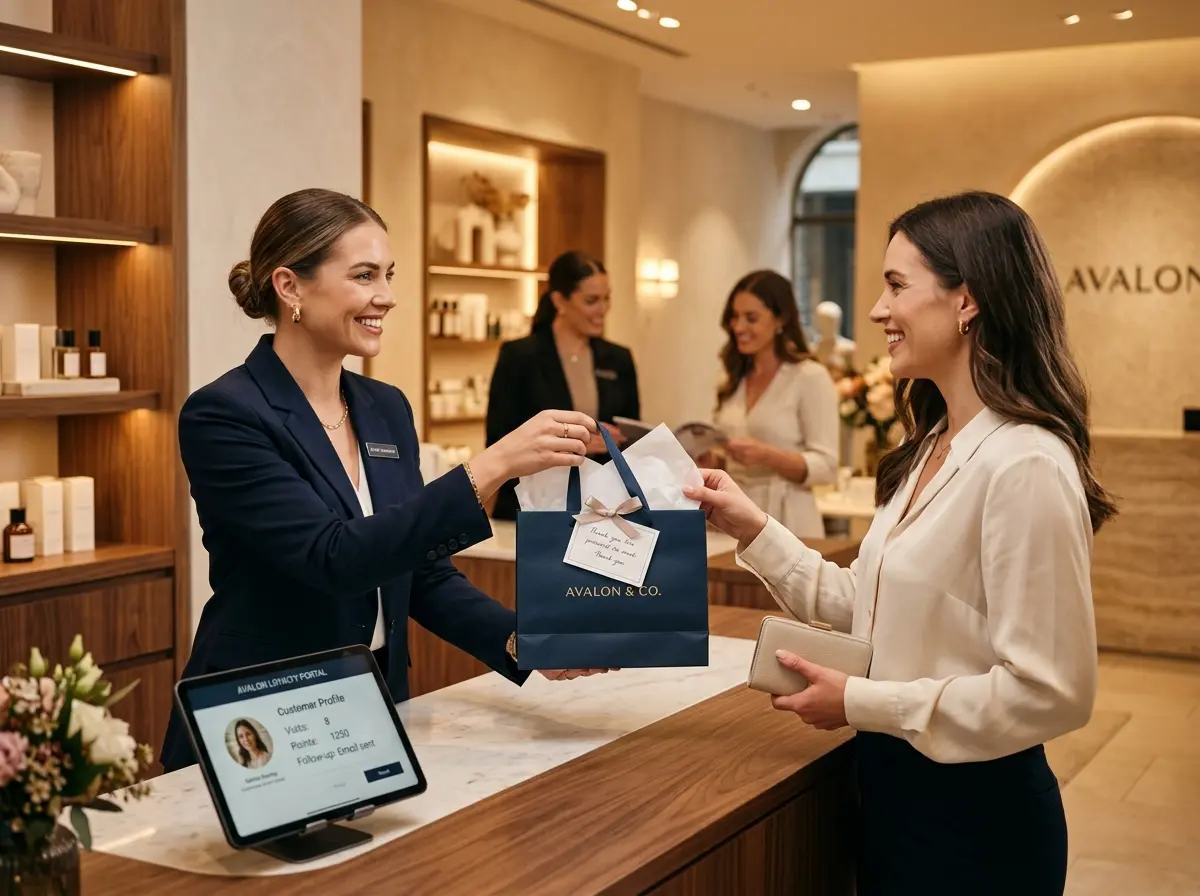
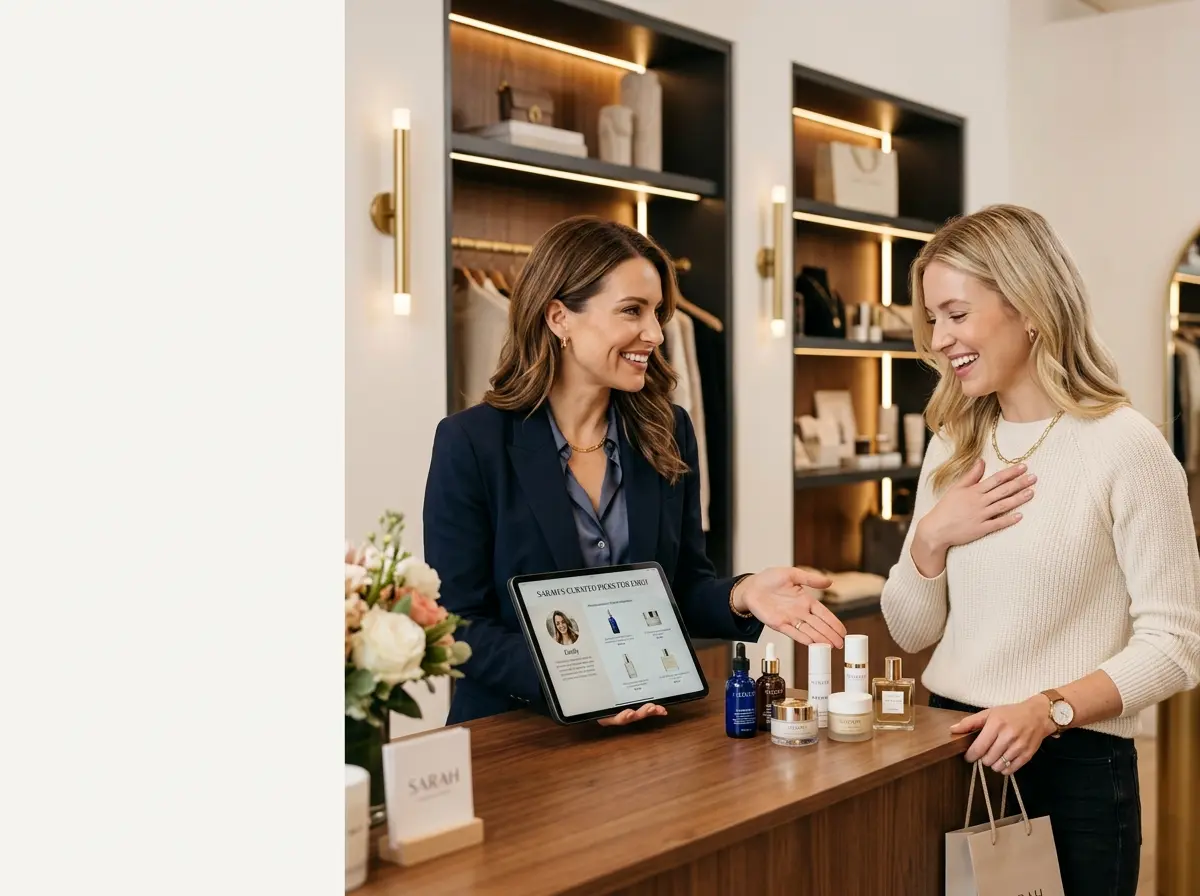
The key is that collecting the name is only step one. Using it — confidently, warmly, and without making it weird — is what actually creates the "I'm known here" feeling that keeps customers coming back. A simple "Welcome back, Sarah" is worth more than a 10% discount coupon to a certain type of customer. (And honestly, probably cheaper, too.)
Track Purchase History and Preferences Without Being Creepy About It
There's a fine line between "this business really knows me" and "this business is definitely monitoring my every move." The trick is to use purchase history and preferences in ways that feel helpful rather than surveillance-y. If a customer always buys the same brand of skincare product, a quick heads-up that it's back in stock — or on sale — is genuinely useful. Referencing the specific moisturizer they bought three visits ago while making a complementary recommendation? Even better.
Simple notes in a customer profile go a long way. You don't need to know their astrological sign or their childhood trauma — you just need to know what they like, what they've bought before, and maybe what they mentioned they were shopping for. Even a few custom tags and a brief note can transform a generic customer interaction into something that feels tailored and thoughtful.
Segment Your Customers and Communicate Accordingly
Not every customer wants the same thing from you, and blasting everyone with the same promotional email is roughly as personalized as a form letter from your cable company. Group your customers into meaningful segments — new visitors, loyal regulars, high-spend customers, lapsed customers — and tailor your outreach accordingly. New customers might benefit from a "welcome to the family" follow-up. Lapsed customers respond well to a "we miss you" offer. Regulars deserve early access to new arrivals or exclusive promotions. It's not complicated — it just takes intention.
How Technology Can Do the Heavy Lifting for You
Here's the honest truth: personalization at scale is hard to do with sticky notes and good intentions. At some point, you need systems that help you capture, organize, and act on customer information without burning out your staff or yourself.
Let Smart Tools Handle the Grunt Work
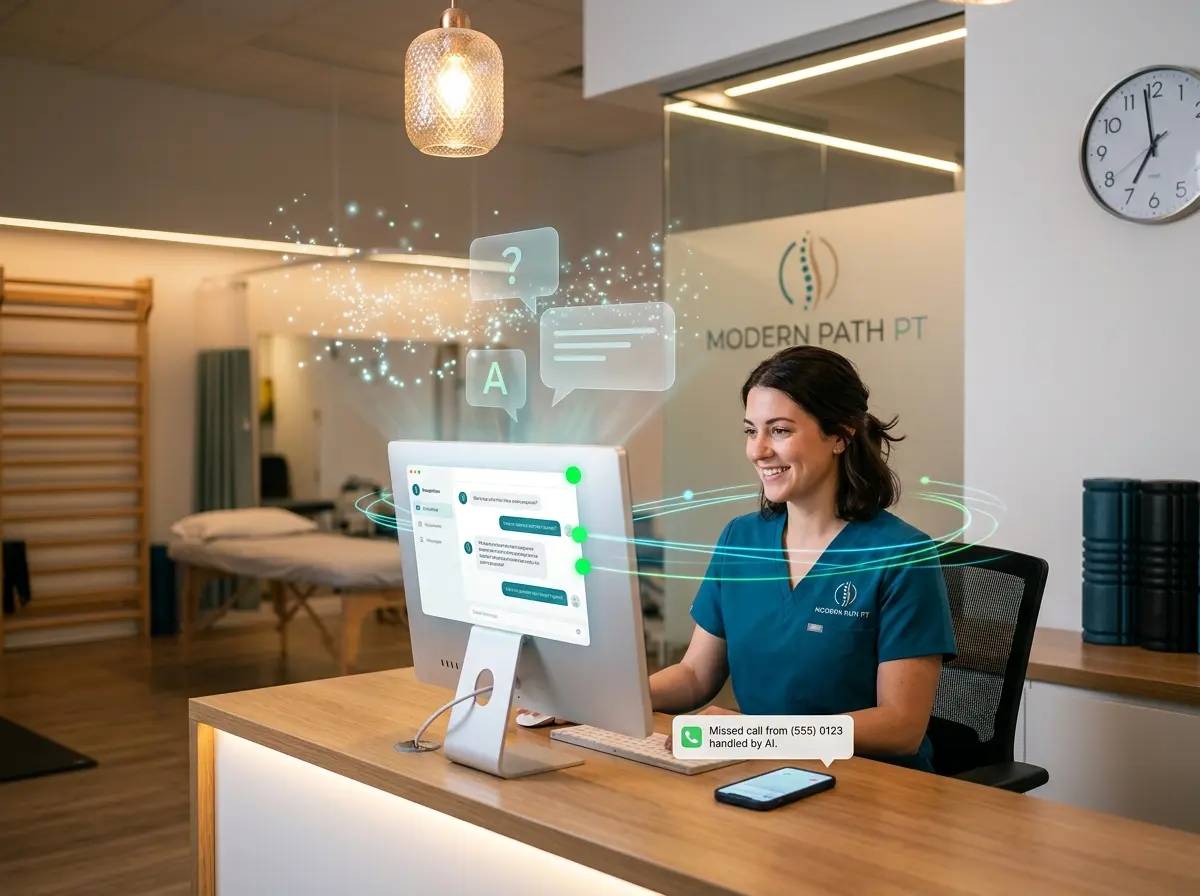
This is where Stella, the AI robot employee and phone receptionist, quietly becomes one of the most useful tools in a retail business owner's arsenal. In-store, Stella engages customers proactively the moment they walk by — greeting them, answering questions, promoting current deals, and collecting customer information through conversational intake forms. On the phone, she answers calls 24/7 with the same business knowledge she uses in person, so no customer interaction falls through the cracks regardless of when they reach out.
What makes Stella particularly relevant to personalization is her built-in CRM, which stores customer contacts with custom fields, tags, notes, and AI-generated profiles. Every intake form response, every conversation, every piece of relevant information gets organized and accessible — giving you and your staff the context needed to make future interactions feel personal rather than generic. That's the kind of infrastructure that used to require a dedicated software stack and someone to manage it. Now it's part of a $99/month subscription that shows up ready to work.
In-the-Moment Personalization: The Tactics That Actually Move the Needle
Data and systems are the backbone, but real personalization happens in the moment — in how your staff (and your technology) actually interacts with customers in real time. These are the tactics that create the emotional resonance that turns a good shopping experience into a memorable one.
Train Staff to Listen First, Sell Second
Most customers will tell you exactly what they need if you give them half a second to do it. The problem is that many retail interactions are so focused on moving product that staff skip straight to recommendations without gathering enough context. A brief, genuine question — "What's the occasion?" or "Are you looking for something specific, or just browsing?" — changes the entire dynamic. It signals that you're interested in helping them find the right thing, not just the most expensive thing. And it gives you the information you need to actually personalize the recommendation that follows.
This is worth investing in through regular staff training, even if it's just a 15-minute huddle reviewing common customer scenarios. Role-play is underrated and mildly uncomfortable for everyone involved, which is exactly why it works.
Use Contextual Upselling and Cross-Selling Thoughtfully
There's a version of upselling that feels pushy and transactional, and there's a version that feels like your knowledgeable friend saying, "Oh, if you're getting that, you're going to want this too." The difference is context. Recommending a complementary product that genuinely enhances what a customer is already buying — and explaining why it works well together — feels like a service, not a sales tactic. Customers actually appreciate it.
The best cross-sell opportunities come from knowing what customers have purchased before, what they've expressed interest in, and what problems they're trying to solve. Which, conveniently, circles right back to why capturing and using customer data matters so much. Personalized upselling isn't pushy — irrelevant upselling is pushy. Know the difference, train accordingly, and watch your average transaction value climb without a single customer feeling pressured.
Follow Up After the Sale Like You Mean It
The sale isn't the end of the relationship — it's the beginning of one. A simple, personalized follow-up after a purchase (not a generic automated email that could have been sent to literally anyone) reinforces that the customer made a good choice and that you value their business specifically. Reference what they bought. Ask if they're happy with it. Offer a related tip or recommendation. If they mentioned they were shopping for a gift, ask how it went. These small touches take almost no time and create a disproportionate amount of goodwill.
Customers who feel genuinely cared for after a purchase are significantly more likely to return — and far more likely to refer friends. In a world where word-of-mouth remains one of the most powerful marketing channels available, that follow-up investment pays for itself many times over.
Quick Reminder About Stella
Stella is an AI robot employee and phone receptionist designed to give businesses a reliable, personalized customer presence around the clock — whether that's greeting customers in-store at a human-sized kiosk or answering calls with the same warmth and business knowledge at 2am on a Tuesday. She helps retail businesses capture customer information, manage it through a built-in CRM, and deliver consistent, knowledgeable interactions without the overhead of additional staff. At $99/month with no upfront hardware costs, she's worth a serious look.
Personalization Isn't a Luxury — It's the New Baseline
If there's one thing to take away from all of this, it's that personalization doesn't require magic or a massive budget. It requires attention — to who your customers are, what they want, and how they feel when they interact with your business. The tactics covered here are all achievable, practical, and scalable regardless of whether you run a single boutique or a growing multi-location retail operation.
Start with what's manageable. Pick one or two changes you can implement this week:
- Begin collecting customer names and basic preferences at checkout.
- Add a simple note system to your customer records so staff can reference past purchases.
- Segment your customer list and send one genuinely personalized communication to each group this month.
- Train your team on one active listening technique to use during customer interactions.
- Set up a follow-up process for customers after a significant purchase.
None of these are complicated. All of them work. And as you build momentum, you can layer in more sophisticated tools and systems — like a smart AI assistant who never forgets a customer preference, never has a bad day, and never puts someone on hold because she's on her lunch break — to help you scale what's working.
Your customers want to feel seen. The businesses that make them feel that way are the ones they come back to, talk about, and choose over the competition every single time. That's not a soft metric — that's your bottom line.