When the Phone Rings at 9 PM and Nobody's There to Answer It
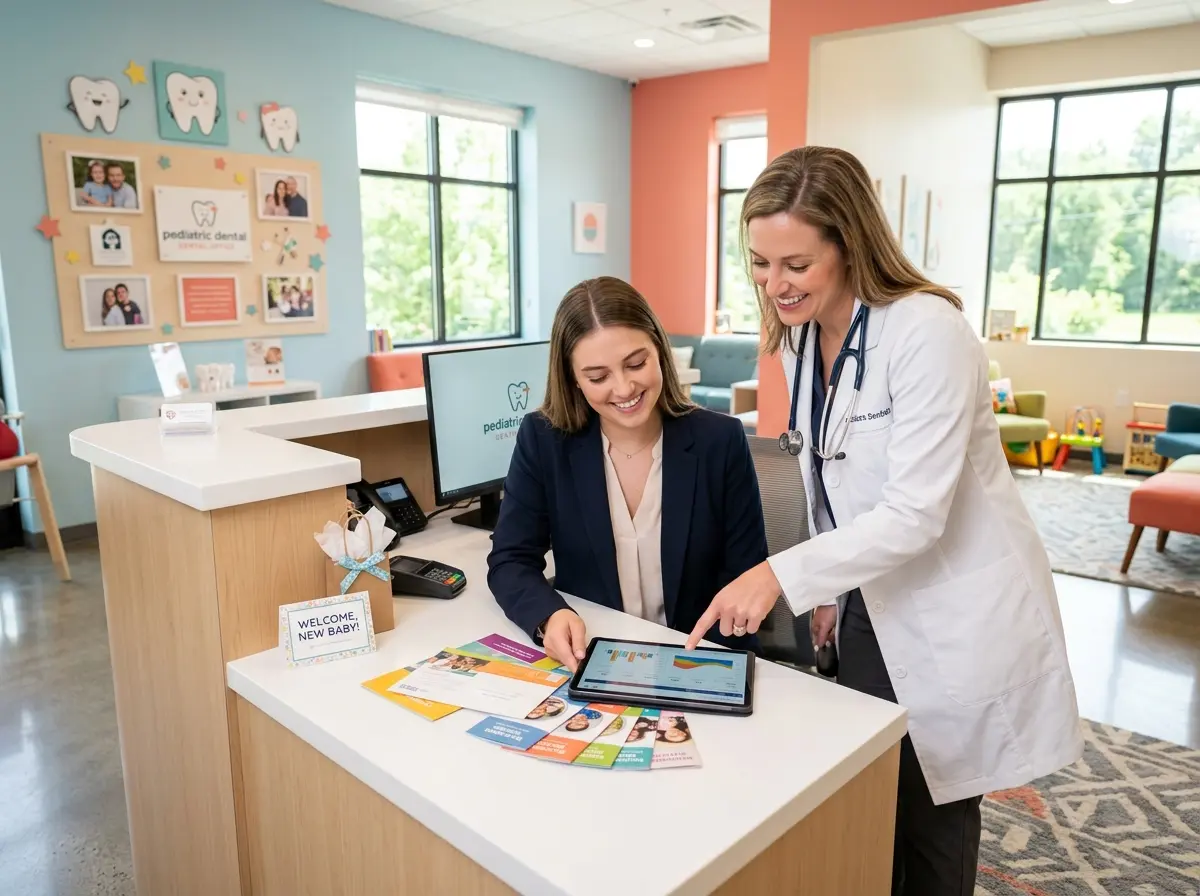
Here's a scenario every pediatric practice owner knows intimately: a parent realizes their child has been complaining about ear pain for three days, and they finally decide to call your office — at 8:47 PM on a Tuesday. They get a voicemail. Maybe they leave a message. Maybe they hang up and Google the next practice on the list. Either way, you won't know until tomorrow morning, and by then, there's a reasonable chance they've already booked somewhere else.
Lost leads in a pediatric practice don't look like lost leads in retail. They look like unreturned voicemails, rushed morning callbacks, overwhelmed front-desk staff, and — worst of all — families who quietly chose a competitor because someone else picked up the phone. The problem isn't that your team doesn't care. It's that your team is human, and humans need to sleep.
One busy pediatric practice tackled this problem head-on by implementing a structured after-hours callback system — and the results were significant enough to be worth unpacking in detail. Whether you run a medical office or any other appointment-based business, the lessons here apply directly to how you handle the gap between "office closed" and "missed opportunity."
The Real Cost of Missed After-Hours Calls
It's Not Just One Patient — It's a Family Account
In pediatrics, a single new patient isn't just one child. It's often two, three, or four siblings — plus every future well visit, sick visit, and specialist referral for the next decade or more. When you miss that first call from a new parent, you're not losing a $150 appointment. You're potentially losing a long-term patient relationship worth thousands of dollars in lifetime revenue. That realization alone is usually enough to make practice managers sit up straight.
Research from Hiya and various healthcare communication studies consistently shows that 85% of people whose calls go unanswered will not call back. They'll move on. And in competitive markets where multiple pediatric practices are within driving distance, "moving on" is easier than ever. The barrier to switching is low, especially before any relationship has been established.
The Voicemail Trap
Most practices believe they have an after-hours solution because they have a voicemail box. With respect, a voicemail box is not a solution — it's a waiting room with no chairs and no windows. Parents leave a message, receive no confirmation that it was received, have no idea when they'll be called back, and spend the next 12 hours wondering if they should just call again or try someone else.
The practices that retain these callers are the ones that make the after-hours experience feel intentional, not abandoned. That means setting expectations clearly, capturing the right information, and — critically — following through with a timely, organized callback the next morning before the parent has already moved on.
What "Lost Leads" Actually Look Like in a Medical Office
In medical settings, the term "lead" can feel a little clinical (pun intended), but the concept is identical to any service business. A prospective new patient who calls and doesn't connect is a lead. A parent who asks about accepting a specific insurance plan is a lead. Even an existing patient's parent calling to ask about a new sibling being added — that's a lead. When your after-hours system fails to capture and organize these interactions, they don't disappear neatly. They become chaotic sticky notes, fragmented voicemails, and apologetic morning callbacks that start the relationship on the wrong foot.
How an After-Hours Callback System Actually Works
The System That Changed Things for This Practice
The pediatric practice in this case had a real problem: calls coming in after 5 PM were either reaching a generic voicemail or being forwarded to an on-call nurse who was frankly not there to handle scheduling inquiries. The result was a messy mix of clinical and administrative calls landing in the same bucket, with no organized way to follow up on the non-urgent ones.
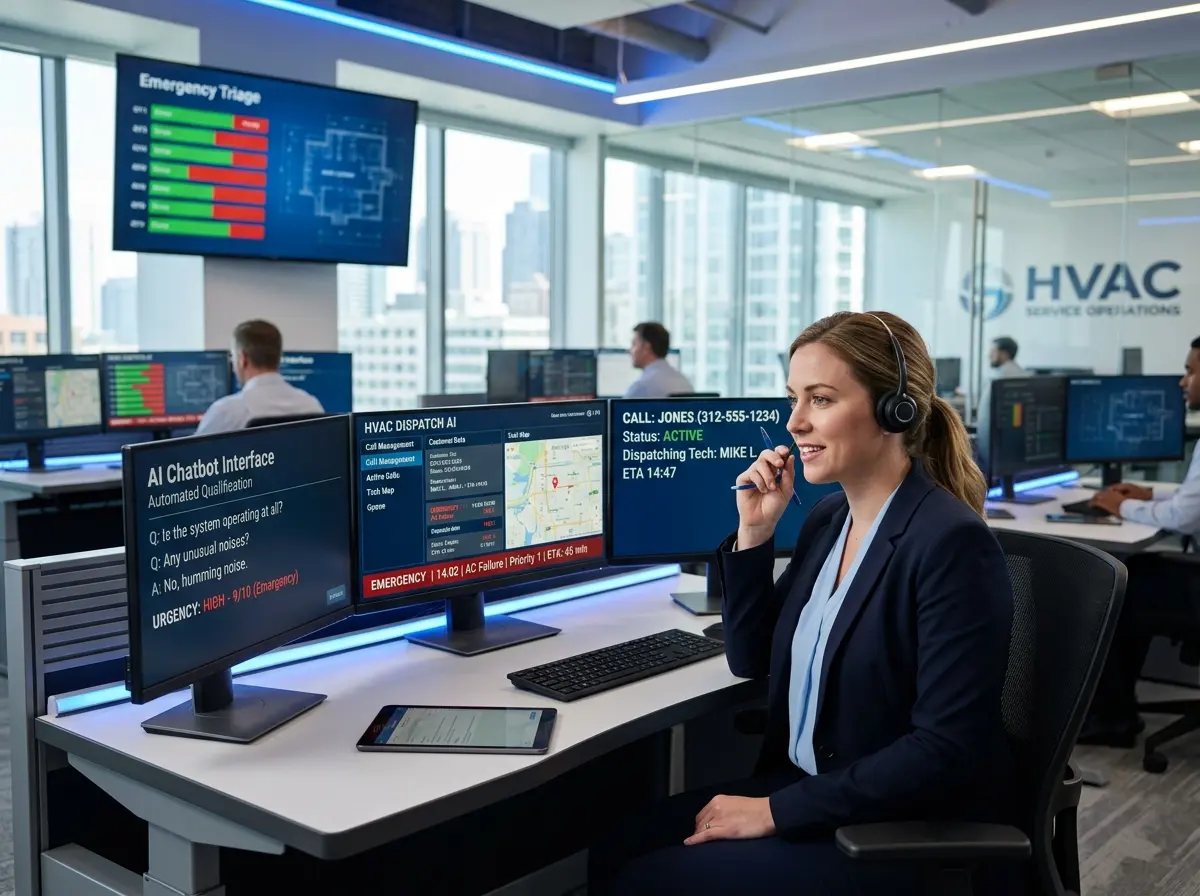
Their solution was to implement a structured intake process for after-hours callers — one that could distinguish between urgent clinical concerns (routed to the on-call nurse) and administrative inquiries like new patient registration, appointment requests, insurance questions, and general information. Administrative callers were guided through a brief conversational intake that collected their name, contact information, reason for calling, and preferred callback time. This information was automatically summarized and pushed to the front desk team as a prioritized list every morning before phones even opened.
The difference was immediate. Instead of listening to five voicemails, deciphering three of them, and trying to remember who called about what, the morning team had a clean, organized queue. Callbacks happened faster, felt more personal (because the staff already knew why each person had called), and the practice's new patient conversion rate from after-hours inquiries improved meaningfully within the first few months.
How Stella Fits Into This Picture
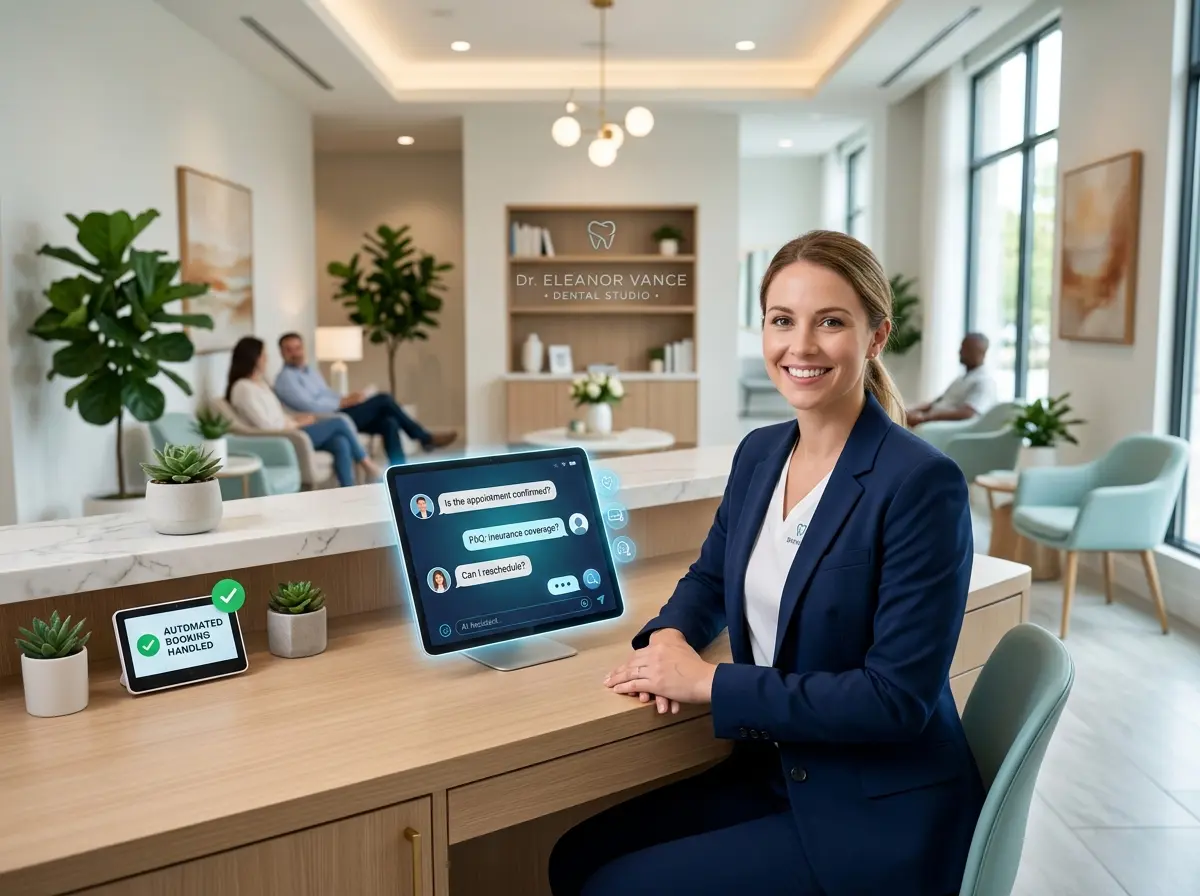
Stella is an AI robot employee and phone receptionist designed to handle exactly this kind of scenario — and not just for medical offices. She answers calls 24/7, engages callers naturally, collects intake information through conversational forms, and delivers AI-generated voicemail summaries with push notifications to managers so nothing falls through the cracks overnight. For a pediatric practice, that means after-hours callers are greeted professionally, guided through an intake process, and have their information organized and ready for the morning team — without a human being awake to make it happen.
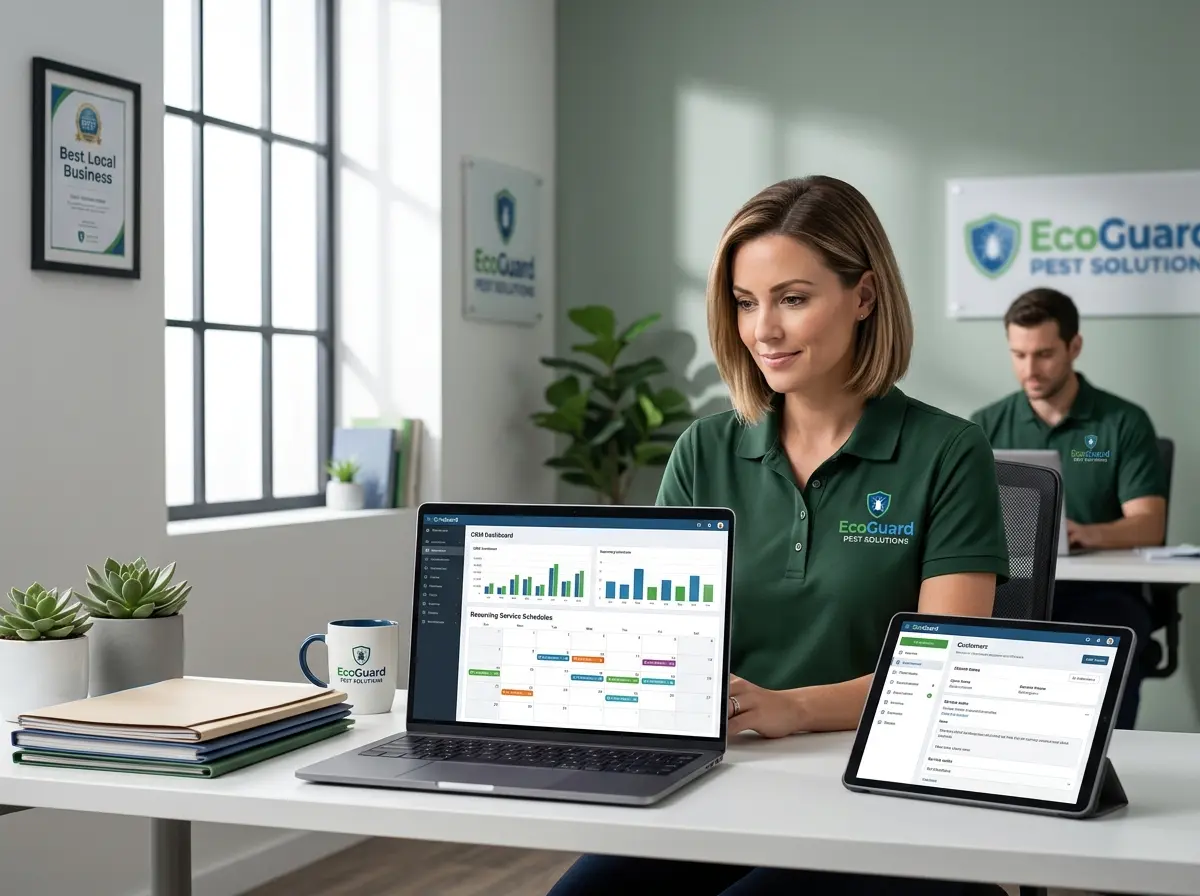
What makes Stella particularly useful here is her built-in CRM, which stores caller profiles, notes, tags, and custom fields. New patient inquiries don't just become a voicemail — they become a contact record with context. And for practices with a physical location, Stella's in-store kiosk presence means she can handle the same intake and information functions for walk-ins, keeping the front desk free to focus on patients already in the building.
Building Your Own After-Hours Callback System
Step One — Define What After-Hours Callers Actually Need
Before you can build a good system, you need to audit what's actually happening. Spend one week reviewing every after-hours voicemail your practice receives and categorize them: new patient inquiries, appointment requests, billing questions, clinical concerns, insurance questions, and anything else. You'll almost certainly find that the majority of calls are administrative — meaning they don't need clinical intervention, but they absolutely need a timely, organized response. Once you understand the breakdown, you can design an intake process that routes and captures each type of call appropriately.
Step Two — Create a Structured Intake, Not Just a Voicemail Prompt
The key difference between a voicemail and a structured intake is specificity. A voicemail prompt says "leave a message after the beep." A structured intake says "tell me your name, the best number to reach you, the reason for your call, and whether mornings or afternoons work better for a callback." One gives you an audio file. The other gives you actionable information. When your morning team has that information before they pick up the phone, callbacks are faster, more confident, and more likely to convert.
Step Three — Build a Callback Protocol with Real Accountability
Even the best intake system fails without a follow-through protocol. Decide on a callback window — ideally within the first hour of business the next morning for new patient inquiries — and assign ownership. Who is responsible for working through the after-hours callback queue? What happens if a callback attempt fails? Is there a second attempt? At what point does it escalate? These aren't complicated questions, but they need answers documented somewhere other than "we'll figure it out." A simple checklist and a designated team member can make a significant difference in how consistently your practice follows through.
Quick Reminder About Stella
Stella is an AI robot employee and phone receptionist available for $99/month with no upfront hardware costs — she answers calls 24/7, captures intake information, manages a built-in CRM, and keeps your team organized without asking for a single sick day. Whether you have a physical location where she greets patients in person or you simply need reliable after-hours phone coverage, she's designed to fill the gaps that cost businesses real revenue every single day.
Stop Letting 9 PM Phone Calls Walk Out the Door
The pediatric practice in this story didn't overhaul their entire operation. They didn't hire additional staff or extend office hours. They simply built a smarter system for handling the calls that were already coming in — and made sure those callers felt heard, informed, and followed up with in a timely way. That's it. No magic, no enormous investment, just a deliberate process where there used to be a gap.
If you're ready to build your own version of this system, here's where to start:
- Audit your after-hours calls for one week and categorize what's actually coming in.
- Design a structured intake process that captures name, contact info, call reason, and callback preference.
- Assign a morning callback owner with a defined window — same business day, first hour of operations for new inquiries.
- Use technology to automate the capture and summary of after-hours calls so your team starts the day with a clean queue, not a confusing voicemail inbox.
- Measure conversion rates from after-hours inquiries to booked appointments so you can see the ROI clearly.
Your competitors are busy too. The practices that grow aren't necessarily the ones with the best clinical reputations alone — they're often the ones that are simply easier to reach, faster to respond, and more organized when someone finally picks up the phone. Building an after-hours callback system isn't a luxury. For a busy pediatric practice in a competitive market, it's table stakes.