When Empty Appointment Slots Cost More Than the Treatment Itself
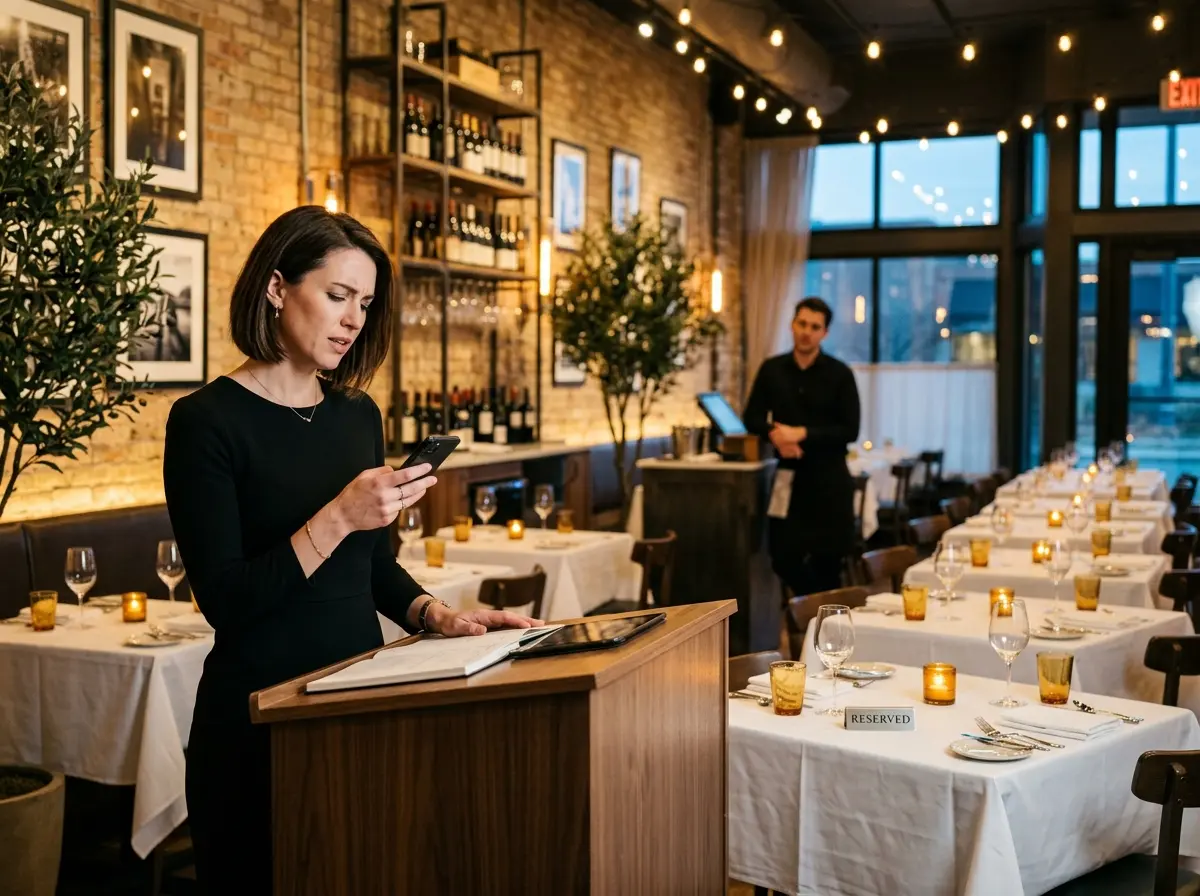
Let's set the scene: It's 2:00 PM on a Tuesday. A patient was booked for a 2:00 PM chiropractic adjustment. The table is ready. The chiropractor is ready. The front desk staff is ready. The patient? Apparently not ready — or at least, not there. No call. No text. No smoke signal. Just a glaring empty slot that used to be revenue.
No-shows are one of the most quietly devastating problems in healthcare practices, and chiropractic offices are no exception. Industry estimates suggest that no-show rates in healthcare range from 5% to 30%, and even on the conservative end, that adds up fast. For a busy chiropractic office seeing 30–40 patients per day, a 10% no-show rate can mean thousands of dollars in lost revenue every single week — revenue that doesn't come back just because the patient eventually reschedules.
The obvious solution is better communication: more reminders, more follow-up calls, more touchpoints before each appointment. The less obvious problem is that someone has to actually do all of that — and your front desk staff is already answering phones, checking patients in, handling insurance questions, and trying to maintain their sanity. Adding "call every patient twice before their appointment" to that list is a great way to burn out your best people.
So what's the move? Let's talk about how smart automation — specifically AI-powered communication tools — is helping chiropractic offices dramatically cut no-shows without hiring a single additional staff member.
Why No-Shows Happen (And Why Reminders Alone Aren't Enough)
The Psychology Behind Forgotten Appointments
People don't skip chiropractic appointments because they don't care about their back pain. They skip them because life is chaotic, memory is fallible, and your appointment confirmation email from three weeks ago is now buried under 847 unread messages. The gap between booking an appointment and keeping it is where no-shows are born, and that gap can be days or even weeks in a busy practice.
Research consistently shows that patients who receive multiple reminders through different channels — email, SMS, phone — are significantly more likely to show up or, at the very minimum, cancel in time for you to fill the slot. A single confirmation email at the time of booking is essentially doing the bare minimum, which produces bare minimum results.
The Real Cost Beyond the Empty Table
The financial hit of a no-show is obvious, but the ripple effects are often underestimated. When a patient doesn't show, that slot is almost impossible to fill on short notice. Meanwhile, you may have turned away a walk-in or a same-day booking because that slot appeared unavailable. Your chiropractor's time is wasted. Your front desk staff spends time tracking down the no-show patient instead of helping patients who are actually there. And if it happens repeatedly with the same patient, you now have a relationship management problem on your hands.
Multiply this across weeks and months, and you start to see why reducing no-shows by even a few percentage points can have an outsized impact on practice revenue and operational efficiency.
Why More Staff Isn't the Answer
Hiring an additional front desk employee specifically to manage appointment reminders is a solution that costs more than the problem it solves — at least at the scale most chiropractic practices operate. A part-time receptionist might run you $1,500–$2,500 per month, plus training, benefits consideration, and the inevitable turnover that comes with entry-level front desk roles. And that new hire still won't be available at 7:00 AM when a patient's schedule changes, or at 9:00 PM when someone wants to confirm their morning appointment.
The better approach is to let technology handle the repetitive, time-sensitive communication tasks so your human staff can focus on the work that actually requires a human being in the room.
How AI Tools Are Filling the Communication Gap
Where Stella Comes In
This is where tools like Stella start to make a lot of sense for chiropractic offices. Stella is an AI robot employee and phone receptionist that can answer calls 24/7, handle patient inquiries, collect information through conversational intake forms, and manage patient contacts through a built-in CRM with custom fields, tags, notes, and AI-generated profiles. For a physical office, she's also available as a human-sized kiosk that greets patients when they walk in, answers questions about services and policies, and keeps the front desk from becoming a bottleneck during busy hours.
For appointment-heavy businesses like chiropractic offices, the combination of always-on phone answering and integrated contact management means no inquiry falls through the cracks — whether it's a new patient calling after hours to book, an existing patient trying to reschedule, or someone calling to confirm their appointment at an hour when your front desk staff is long gone. Stella handles it, logs it, and keeps your team informed with AI-generated summaries and push notifications so nothing gets missed.
Practical Strategies to Reduce No-Shows Right Now
Build a Multi-Touch Reminder System
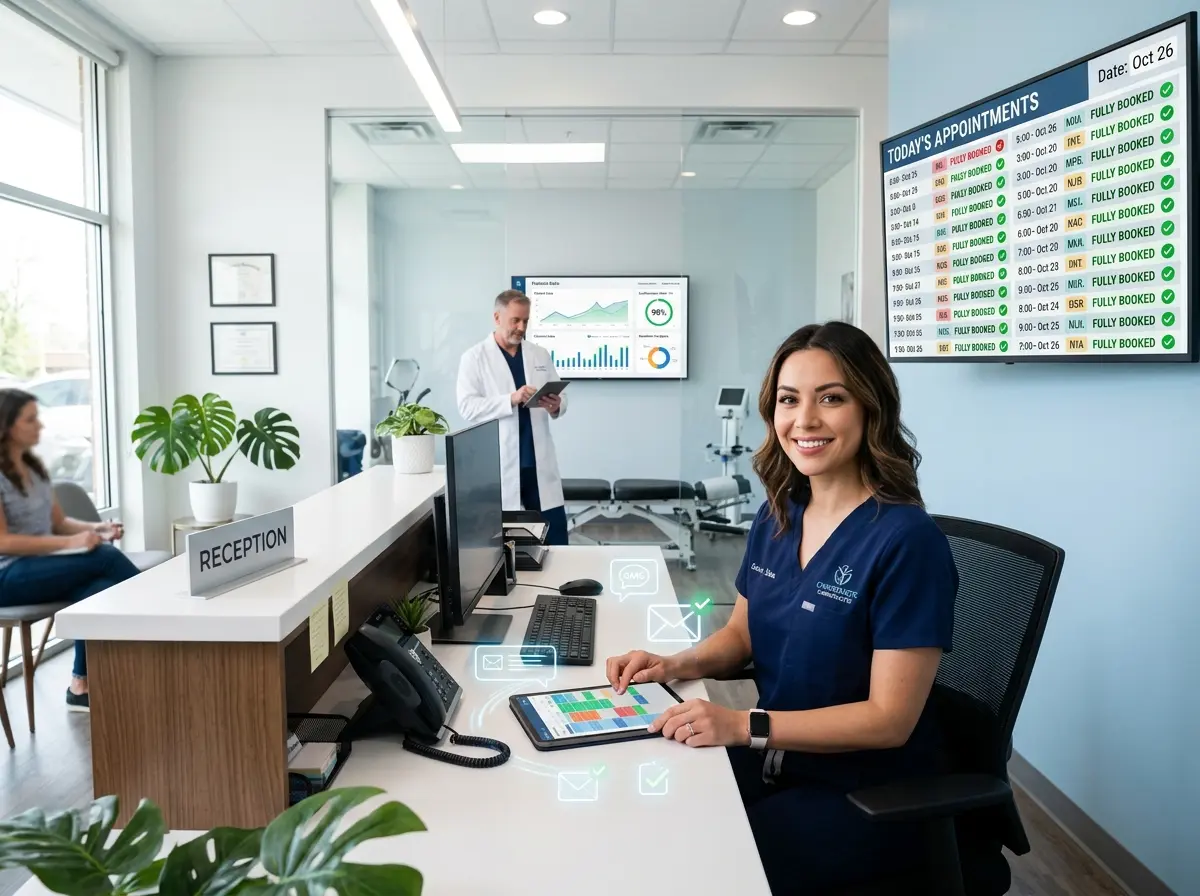
If your current reminder strategy is "we send a confirmation email when they book," it's time to level up. A well-designed reminder sequence might look like this: an immediate booking confirmation, a reminder 48–72 hours before the appointment, and a final reminder the morning of. Each touchpoint should make it easy for the patient to confirm, reschedule, or cancel — because a cancellation you know about is infinitely better than a no-show you don't.
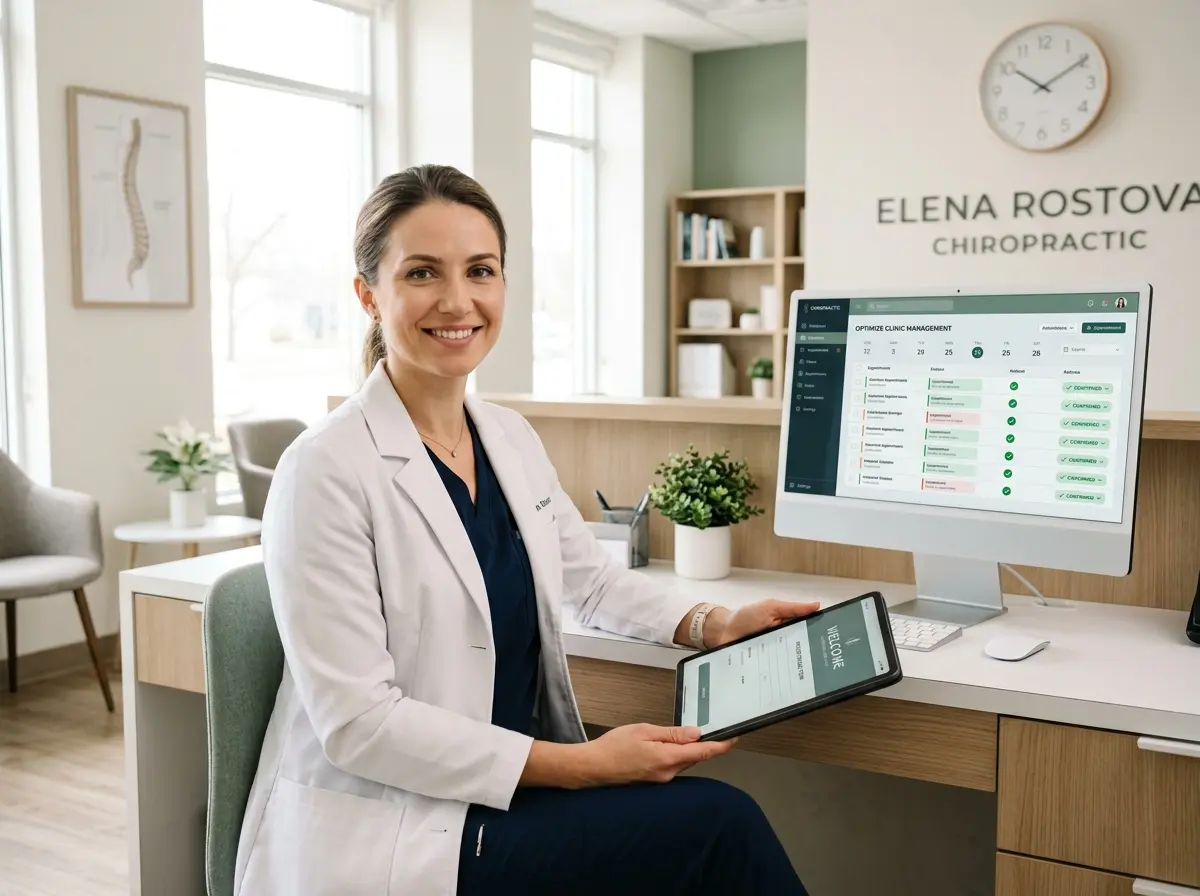
The key is that this sequence needs to happen automatically, without anyone on your staff manually initiating each step. Modern scheduling and communication platforms can trigger these reminders based on appointment data, which means your front desk team spends their time on actual patient care support rather than chasing down confirmations.
Make Rescheduling Ridiculously Easy
One underappreciated driver of no-shows is friction. A patient wakes up sick the morning of their appointment. They know they should cancel, but calling the office feels like a hassle, and the office might not be open yet, so they just... don't. They tell themselves they'll call later. Later doesn't happen. You have a no-show.
Reducing this friction means giving patients multiple low-effort ways to reschedule: a text reply, an online link, or even an AI-powered phone line that can handle the reschedule at 6:30 AM without waking anyone up. When rescheduling is easy, patients do it — and that's a win for both of you.
Use No-Show Data to Identify Patterns
Not all no-shows are created equal. Some patients are chronic no-shows. Some appointment types have higher cancellation rates. Some days of the week or times of day see more last-minute drops. If you're tracking this data — and you should be — you can start making proactive decisions: double-booking chronic no-show patients during low-demand slots, adding an extra reminder touchpoint for Monday morning appointments, or requiring a credit card on file for patients with a history of missing appointments.
A CRM that captures and organizes patient interaction history makes this kind of analysis possible without requiring a spreadsheet marathon. The more visibility you have into your patient behavior patterns, the better you can design systems to address them.
Quick Reminder About Stella
Stella is an AI robot employee and phone receptionist available for just $99/month with no upfront hardware costs. She answers calls around the clock, greets patients at your in-office kiosk, manages contacts through a built-in CRM, and keeps your team informed — all without breaks, turnover, or a benefits package. For chiropractic offices looking to tighten up patient communication without adding headcount, she's worth a serious look.
Your No-Show Problem Has a Solvable Solution
No-shows will probably never reach zero — people are unpredictable, and life happens. But dropping your no-show rate from 15% to 5% doesn't require hiring three new staff members, overhauling your entire scheduling system, or performing miracles. It requires consistent, multi-touch communication, frictionless rescheduling options, and smart use of the data you're already collecting.
Here's what you can do this week to start moving the needle:
- Audit your current reminder process. How many touchpoints do patients receive before their appointment? When are they sent? Through what channels? If the answer is "just one email," you have room to improve.
- Add at least one additional reminder touchpoint. Even a simple SMS reminder 24 hours before the appointment can meaningfully reduce no-shows.
- Make cancellation and rescheduling easy and accessible outside business hours. If patients can only cancel by calling during office hours, you're creating unnecessary friction.
- Start tracking no-show data by patient, appointment type, and time slot. Patterns will emerge, and patterns are actionable.
- Explore AI-powered tools that can handle the repetitive communication work your staff shouldn't be doing manually.
Your chiropractors went to school to help people — not to stare at empty tables. With the right systems in place, fewer of those tables will be empty, and your team can focus on the patients who actually show up ready to feel better. That's a win for everyone. Except maybe the empty table. But honestly, nobody feels bad for the empty table.