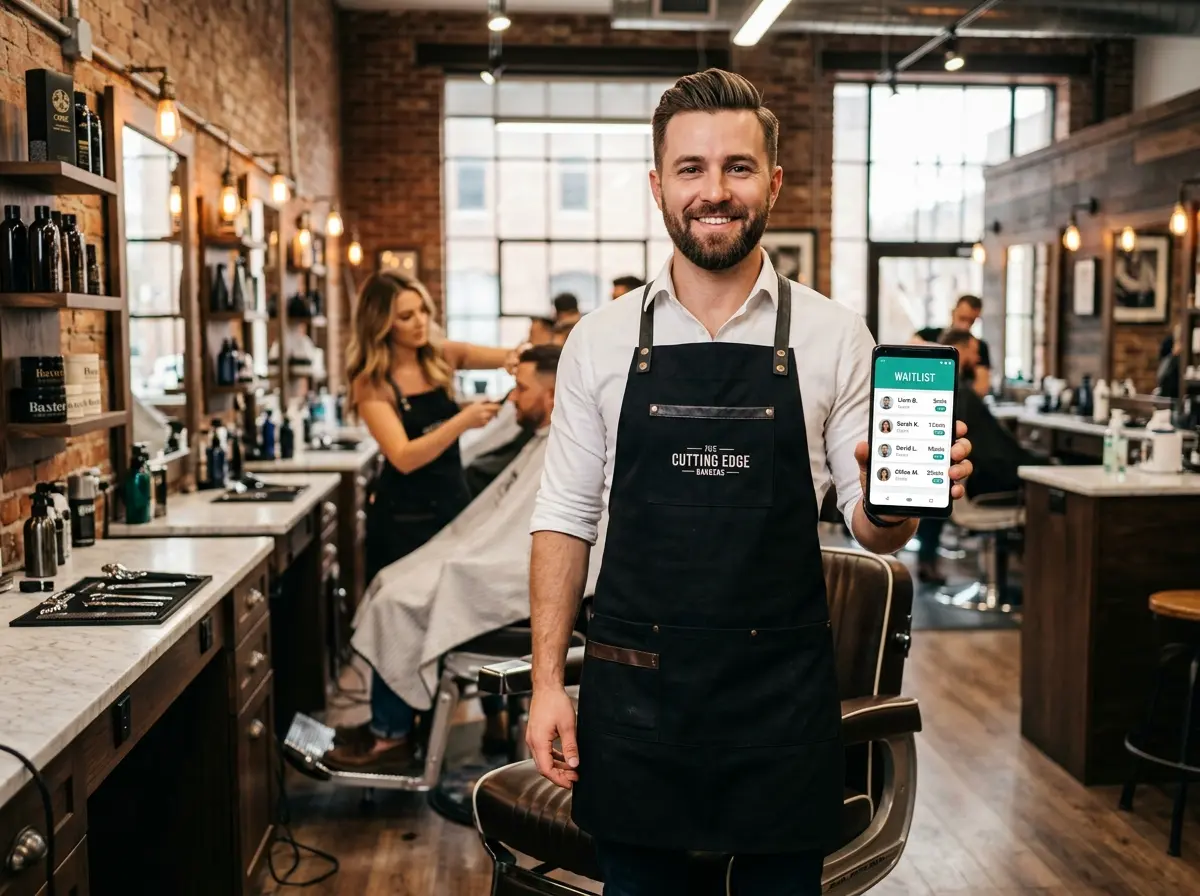
So You Want to Build a Walk-In Waitlist App (And Actually Keep Clients Coming Back)
Let's be honest — if you're a barbershop owner still managing your walk-in line with a clipboard and sheer optimism, you've probably watched more than a few clients walk out the door after seeing a packed waiting area. No judgment. It's a classic barbershop problem, and it's been going on since the days when a shave and a haircut actually cost two bits.
Here's the uncomfortable truth: client retention in barbershops is largely a waitlist problem in disguise. People don't leave because they dislike your barbers. They leave because waiting feels like a gamble, and gambles aren't fun when you've got somewhere to be. A well-built walk-in waitlist app changes that equation entirely — it turns uncertainty into a system, and a system into loyalty.
This guide walks you through exactly how to build (or select and implement) a walk-in waitlist solution that doesn't just manage the line, but actually keeps clients coming back. Buckle up, because there's more strategy here than you might expect.
Designing a Waitlist Experience That Doesn't Frustrate People
The goal of a waitlist app isn't just to organize chaos — it's to make the wait feel worth it. A poorly designed system can actually make retention worse, because now clients have data to confirm their frustration. So before you dive into features and platforms, you need to think about experience design.
Make Joining the Waitlist Effortless
Your waitlist is only as good as your adoption rate. If joining requires downloading an app, creating an account, and entering a blood type, people won't bother. The best walk-in waitlist systems let clients add themselves in under 60 seconds — ideally via a simple text message, a QR code at the door, or a kiosk check-in inside the shop.
When evaluating or building your system, prioritize these entry points: a QR code posted outside the shop so clients can join before they even walk in, a web-based check-in form that works on any phone without an app download, and a kiosk option inside the shop for clients who prefer face-to-face interaction. The fewer the steps, the higher the adoption — and the higher the adoption, the better your retention data will be down the line.
Set Real Expectations With Wait Time Estimates
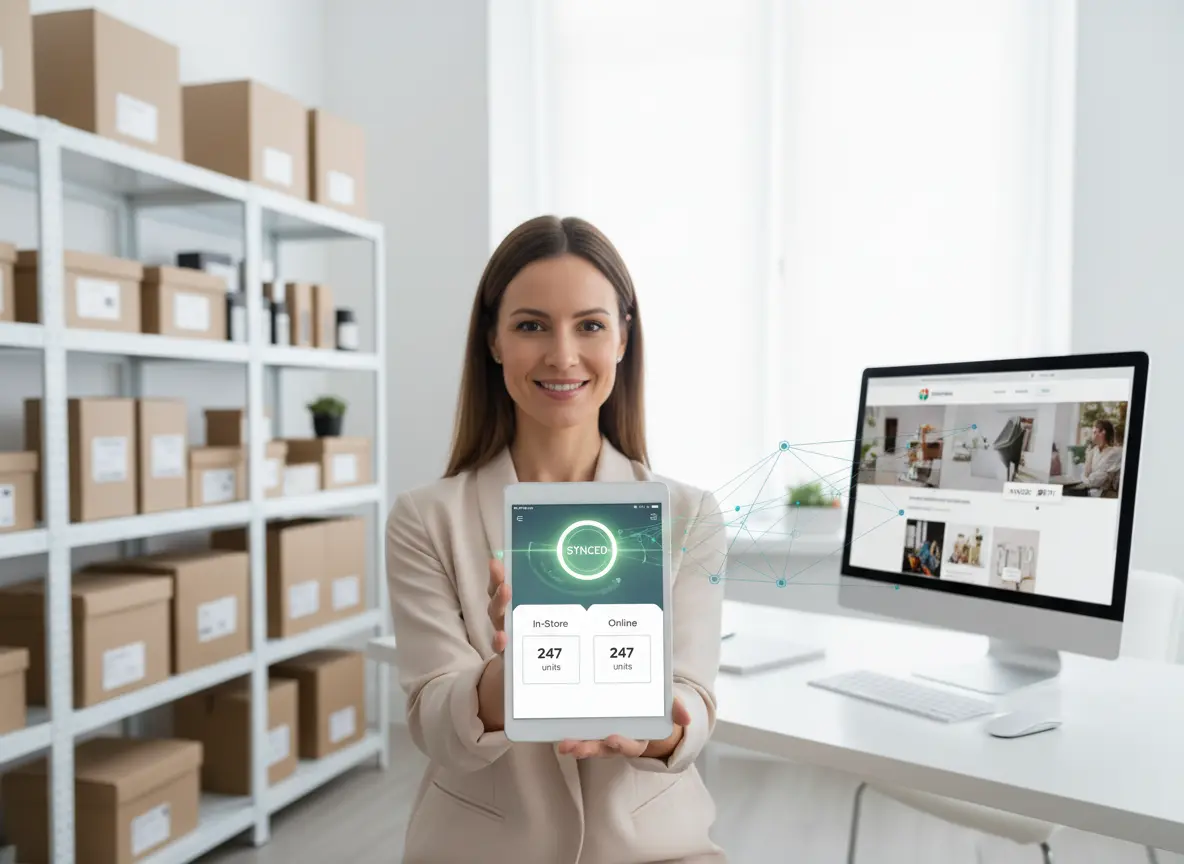
Nothing kills a client's patience faster than a vague "it'll be about 20 minutes" that turns into 45. Your waitlist app should provide dynamic, real-time wait estimates based on current queue length and average service times per barber. This isn't just a nice feature — it's a retention mechanism. When clients trust your estimates, they trust your shop.
Look for systems that allow you to assign different average service times by barber, account for no-shows automatically, and send SMS updates when the client is two or three spots away. That notification is the moment they decide to come back or step out to run an errand — either way, they feel in control. That feeling is worth more than any loyalty punch card.
Collect the Right Information at Check-In
The check-in moment is a golden data collection opportunity that most barbershops completely ignore. When a client joins the waitlist, you can capture their name, phone number, preferred barber, service type, and even whether they're a first-time visitor — all before they sit down. This data becomes the foundation of your retention strategy. First-time visitors can be flagged for a follow-up text. Regulars can have their preferred barber auto-assigned. The check-in form isn't just logistics; it's the start of a relationship.
Using Technology to Turn Waitlist Data Into Retention Gold
Automate Follow-Ups That Feel Personal
Once you've got client data flowing through your waitlist system, the next step is putting it to work. An automated follow-up text sent 3–5 days after a visit — something simple like "Hey Marcus, great seeing you Tuesday! Ready to book your next visit?" — can increase return rates significantly. According to industry data, businesses that follow up with customers within 48–72 hours see up to 30% higher retention rates compared to those that don't reach out at all.
The key is making automation feel human. Use the client's name, reference their last visit or service, and keep the message short. Nobody wants a newsletter. They want to feel remembered — which, if you're being strategic about it, they actually are.
Leverage Your Waitlist as a CRM Starting Point
This is where things get interesting. Your waitlist isn't just a line management tool — it's a lightweight CRM entry point. Every client who checks in is adding themselves to your database. Over time, you can track visit frequency, preferred services, and which barbers they gravitate toward. Use this to identify your most loyal clients (reward them), your at-risk clients (re-engage them), and your one-time visitors (convert them).
If you're using a platform like Stella, her built-in CRM automatically builds customer profiles from every interaction — whether that's a kiosk check-in at your shop or a phone call someone makes asking about wait times. Her conversational intake forms collect client information naturally, and AI-generated profile summaries mean you're never starting from scratch when a client walks back in six weeks later. For a barbershop, that kind of memory is basically a superpower.
Building Loyalty Loops Around the Waitlist System
A waitlist app gets clients through the door more comfortably. A loyalty loop is what brings them back. These two systems need to work together, and the good news is that once your waitlist is generating data, building those loops becomes surprisingly straightforward.
Create a "Preferred Client" Experience for Regulars
Use your waitlist data to identify clients who visit frequently — let's say four or more times in three months — and give them a tangible benefit. This doesn't have to be a discount. It can be as simple as priority placement on the waitlist during peak hours, or a reserved spot with their preferred barber on busy Saturdays. The perceived value of that status is enormous, and the cost to you is minimal.
Communicate this perk clearly when clients hit the threshold. A simple text that says "You're officially a priority client at [Shop Name] — you now get priority waitlist access on weekends" is the kind of message that gets screenshotted and shared. That's organic marketing, and it costs you nothing but a little automation setup.
Use No-Show Data to Refine Your Retention Strategy
No-shows are an inevitable part of the walk-in model, but they're also a data point. If a specific client joins the waitlist repeatedly but leaves before their turn, that's a signal. Maybe your wait estimates are off during certain hours. Maybe they always come in during your busiest window. A smart waitlist system helps you identify patterns in no-show behavior and either solve the underlying problem or proactively reach out to that client with a better option — like suggesting they come in during slower mid-week hours.
Run Promotions Tied to Waitlist Behavior
Your waitlist data tells you when your slow periods are. Use that information to run targeted promotions. A Tuesday afternoon text blast to clients who haven't visited in four weeks — "Slow day at the shop, come in before 3PM for 15% off" — is infinitely more effective than a generic social media post. You're reaching the right people at the right time with a reason to act. That's retention marketing at its most practical, and it doesn't require a marketing degree to execute.
Quick Reminder About Stella
Stella is an AI robot employee and phone receptionist designed to help businesses like barbershops operate more professionally without adding to the payroll. She stands inside your shop as a friendly kiosk — greeting walk-ins, answering questions, and managing check-ins — while also answering your phone calls 24/7 so no client inquiry goes unanswered. At $99/month with no upfront hardware costs, she's worth knowing about if you're building out a smarter client experience.
Your Next Steps: Turn This Guide Into Action
You've got the framework. Now here's how to put it into motion without overwhelming yourself or your team.
Start with the check-in experience. Evaluate your current walk-in process and identify the biggest friction points. Is joining the waitlist too complicated? Are wait estimates unreliable? Fix the experience first, because no amount of retention strategy will save a system that clients find annoying to use.
Then focus on data collection. Make sure your check-in process captures at minimum: name, phone number, preferred barber, and whether the client is new or returning. This is the foundation everything else is built on, and it costs nothing to collect if your system is set up correctly.
Build one retention loop before you build ten. Pick your highest-impact opportunity — whether that's a post-visit follow-up text, a preferred client perk, or a slow-day promotion — and execute it consistently for 60 days before adding more complexity. Retention is a long game, and consistency beats sophistication every time.
The barbershops that are winning on retention right now aren't necessarily the ones with the best barbers or the coolest interiors. They're the ones that made it easy to wait, worth coming back, and hard to forget. With the right waitlist system and a little strategic thinking, that can absolutely be you — clipboard officially retired.