Introduction: The Follow-Up Paradox
You've got a lead. They expressed interest, maybe filled out a form, asked for a quote, or walked into your store and said, "I'll think about it." So you followed up. Once. Nothing. Twice. Crickets. Three times and now you're staring at your phone wondering if you're a diligent salesperson or a stage-five clinger.
Welcome to the follow-up paradox — where giving up too soon leaves money on the table, but following up too aggressively earns you a one-way ticket to the spam folder or, worse, a restraining order (okay, maybe not that extreme). The truth is, most business owners either quit way too early or have absolutely no system at all. And both of those approaches are quietly costing them clients.
Research from the National Sales Executive Association found that 80% of sales require five or more follow-ups, yet nearly half of salespeople give up after just one. That's not a sales strategy. That's hoping. Let's talk about what actually works — how many times to follow up, when to do it, and when to finally, gracefully, let go.
The Science (and Art) of Following Up
Why Most Follow-Up Strategies Fail
The biggest mistake business owners make with follow-ups isn't following up too much — it's following up with no strategy, no value, and no variety. Sending the same "just checking in!" email five times in a row isn't a follow-up sequence. It's a masterclass in how to be ignored.
Effective follow-up requires a mix of channels, timing, and genuine value delivery. A lead who didn't respond to your Tuesday email might pick up the phone on Thursday. Someone who missed your voicemail might respond to a quick text. The key is meeting people where they are, not just hammering the same channel until they ghost you permanently.
Another common failure: treating all leads equally. A warm lead who asked for pricing deserves faster, more frequent follow-up than someone who casually liked your Instagram post. Segmenting your leads by intent and urgency is not optional — it's the difference between a 10% close rate and a 30% one.
The Magic Number: How Many Times Should You Actually Follow Up?
There's no single magic number, but the data points to a range of five to eight touchpoints before a lead either converts or gets moved to a long-term nurture list. That might sound like a lot, but consider this: a touchpoint doesn't have to be a phone call or a pushy sales pitch. It can be a helpful email, a relevant piece of content, a quick text, or even a thoughtful connection on LinkedIn.
Here's a simple framework that works across industries:
- Day 1: Immediate follow-up within an hour of the initial inquiry. Speed matters enormously here — responding within the first hour makes you seven times more likely to qualify a lead than waiting even a few hours.
- Day 2: A second touchpoint if no response — different channel, brief and low-pressure.
- Day 4–5: Add value. Share a relevant resource, review, or case study. Stop pitching and start helping.
- Day 7–8: Phone call or personalized message. Reference something specific to their inquiry.
- Day 14: A gentle "are you still interested?" message with an easy out. This actually increases response rates because it removes pressure.
- Day 21–30: Final outreach. Be direct, be brief, and let them know this is your last attempt for now.
After six to eight touchpoints with zero engagement? Move them to a monthly or quarterly newsletter nurture and redirect your energy. Not every lead is a buyer — and not every lead is a buyer right now. Timing matters, and sometimes circling back in three months is all it takes.
Timing, Channels, and Tone: Getting the Details Right
Timing your follow-ups strategically isn't just polite — it's profitable. Studies consistently show that Tuesday through Thursday are the best days for outreach, with late morning (10–11 a.m.) and mid-afternoon (2–4 p.m.) being the sweet spots. Avoid Monday mornings when inboxes are a war zone and Friday afternoons when everyone has mentally checked out.
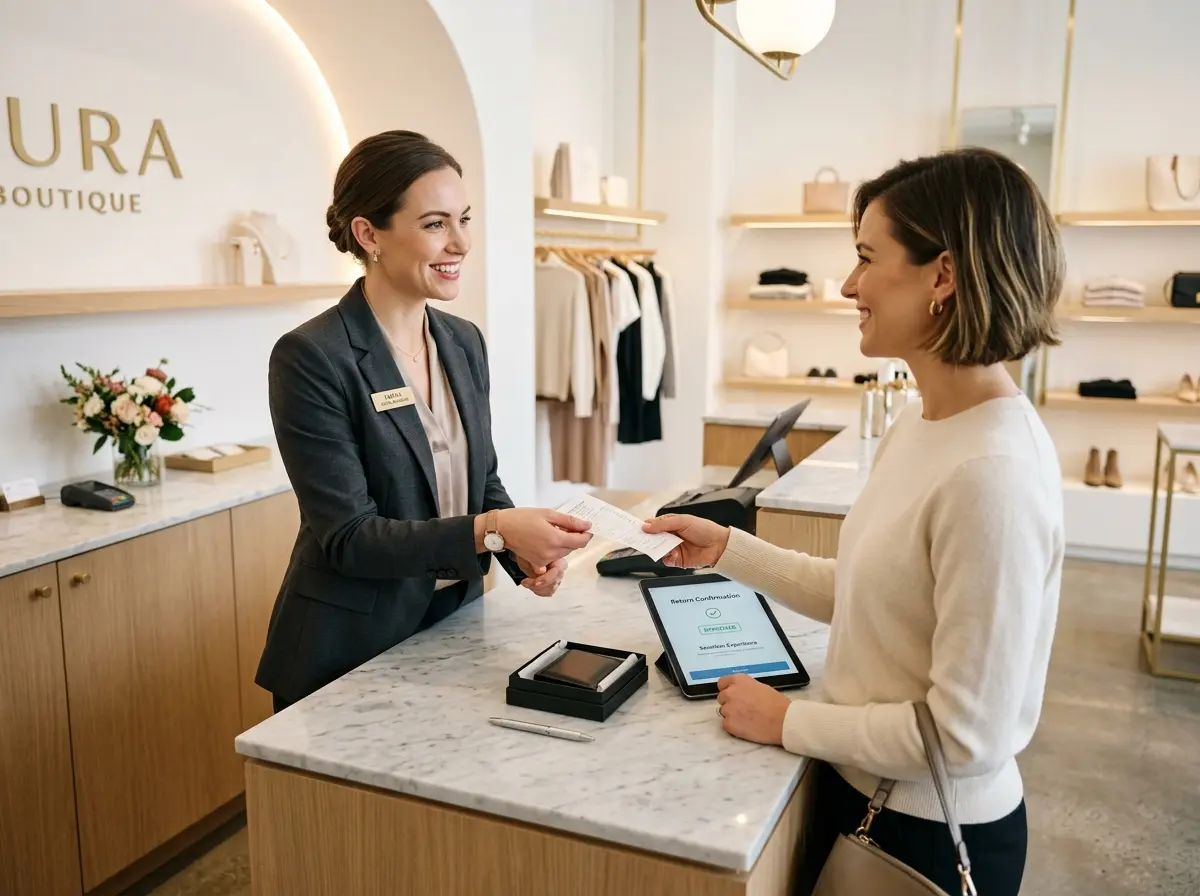
For channels, diversify. Email remains effective for detailed communication, but phone calls and texts often cut through the noise faster. In-person follow-ups (for brick-and-mortar businesses) are criminally underused and deeply personal. If someone visited your location and left without buying, a quick "It was great meeting you!" message the same day can be remarkably effective.
Tone matters just as much as timing. Your follow-ups should feel like a helpful friend, not a desperate salesperson. Be conversational, be specific, and make it easy for them to say yes — or no. A clear, low-pressure call to action like "Would a quick 10-minute call work this week?" outperforms a vague "Let me know if you have questions" every single time.
How Smart Systems Make Follow-Up Less Painful
Stop Relying on Memory — Use a CRM
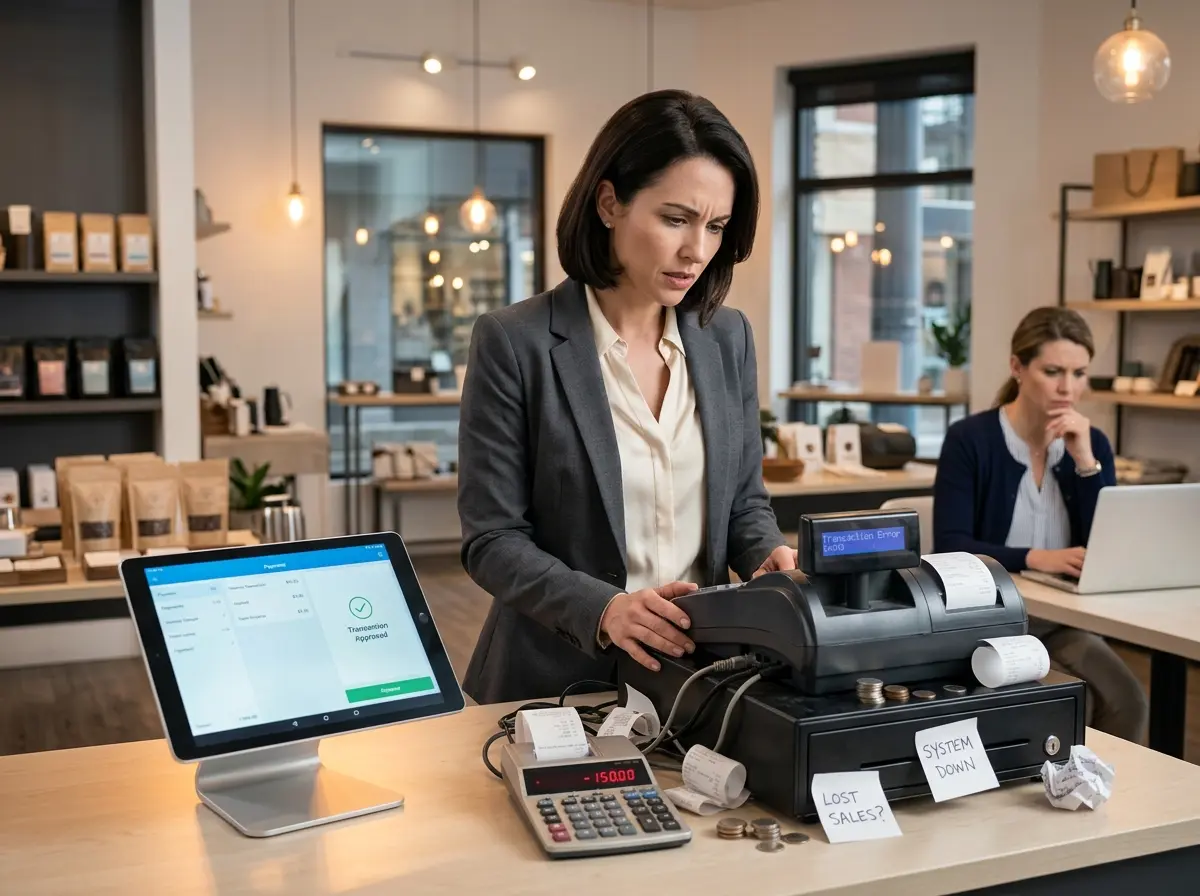
If your current follow-up system is a sticky note on your monitor or a prayer that you'll remember to call back, we need to talk. A CRM (Customer Relationship Management system) is non-negotiable for any business that wants to follow up consistently without losing their mind. It tracks who you've contacted, when, through what channel, and what happened. It takes the chaos out of lead management and replaces it with something beautiful: a system.
Stella, the AI robot employee and phone receptionist, actually comes with a built-in CRM that makes this easier for business owners who don't want to manage a dozen different tools. She can collect customer information through conversational intake forms during phone calls, on the web, or at her in-store kiosk — automatically building lead profiles with custom fields, tags, notes, and AI-generated summaries. When Stella answers a call or greets a customer at your location, she doesn't just have a conversation and let it disappear into the void. She captures it, organizes it, and makes sure you have everything you need to follow up intelligently. No sticky notes required.
When to Let Go (Without Actually Letting Go)
The Art of the "Break-Up" Message
There's a surprisingly effective tactic in sales called the break-up email — a final message that tells the lead you're moving on and removing them from your active outreach. It sounds counterintuitive, but it works. Why? Because it creates a gentle sense of finality that often prompts a response from leads who were interested but busy, distracted, or just procrastinating. Saying "I won't reach out again unless I hear from you" removes pressure and invites a genuine reply.
A solid break-up message is short, warm, and non-resentful. Something like: "Hey [Name], I haven't heard back and I completely understand — timing isn't always right. I'll stop reaching out for now, but I'd love to help if and when the time is right. Feel free to reach out anytime." That's it. No guilt, no passive aggression, no guilt trip about how much time you've invested. Just a clean, professional exit that leaves the door open.
Nurture the Long Game with Passive Follow-Up
Moving a lead off your active list doesn't mean forgetting about them forever. The best businesses maintain a nurture list — a segment of past leads and cold contacts who receive occasional value-driven communication. A monthly email newsletter, a seasonal promotion, or a quick check-in every quarter keeps you top of mind without being overbearing.
The magic of nurture lists is that leads often convert months or even years after initial contact. Life changes. Budgets free up. Pain points become urgent. The business owner who stayed in touch with helpful, non-pushy communication is almost always the first call made when a prospect is finally ready to buy. Play the long game and you'll be surprised how many "dead" leads eventually come back to life.
Knowing the Difference Between Persistence and Annoyance
Persistence is following up with purpose, value, and appropriate spacing. Annoyance is repeating the same message, on the same channel, every other day, wondering why no one responds. The line between the two is pretty clear once you see it: if your follow-up adds value to the recipient, it's persistence. If it only serves your need to close a deal, it's annoying.
Ask yourself before every follow-up: "Would I be glad to receive this message?" If the answer is yes, send it. If the answer is "probably not but I'm doing it anyway," that's a sign to rethink your approach. Leads remember how you made them feel during the sales process — and that feeling often determines whether they buy from you, refer others to you, or block your number entirely.
Quick Reminder About Stella
Stella is an AI robot employee and phone receptionist that works inside your store as a friendly, conversational kiosk and answers your business phone calls 24/7. She greets customers, promotes your offers, answers questions, collects lead information, and manages it all through a built-in CRM — so no lead falls through the cracks before your follow-up even begins. At just $99/month with no upfront hardware costs, she's the kind of employee who never calls in sick and never forgets to take notes.
Conclusion: Build the System, Work the System
Following up consistently is one of the highest-ROI activities any business owner can invest time into — and yet it's one of the most neglected. The formula isn't complicated: follow up five to eight times, across multiple channels, with genuine value, and appropriate spacing. Know when to shift a lead to long-term nurture. Know when to send the break-up message. And for the love of your business, use a CRM so nothing slips through the cracks.
Here's your action plan:
- Map out your follow-up sequence — define the touchpoints, channels, and timing for a typical new lead.
- Write your templates — have follow-up messages ready to go so you're not starting from scratch every time.
- Set up or audit your CRM — know where every lead stands at any given moment.
- Create a nurture list — and actually send to it consistently, even if just once a month.
- Review and improve — track which touchpoints get responses and refine accordingly.
The leads are out there. Most of your competitors are giving up after one email and wondering why growth is slow. You now know better. Build the system, work the system, and watch what happens when you stop hoping and start following up with intention.