When "Book Now" Actually Means "Good Luck Figuring This Out"
Here's a fun game: visit your own spa's online booking page as if you've never seen it before. How many clicks does it take to schedule a facial? How many times does the calendar make you feel like you're filing a tax return? If the answer is "more than three" or "I need a spa day just from looking at it," congratulations — you've identified a real problem.
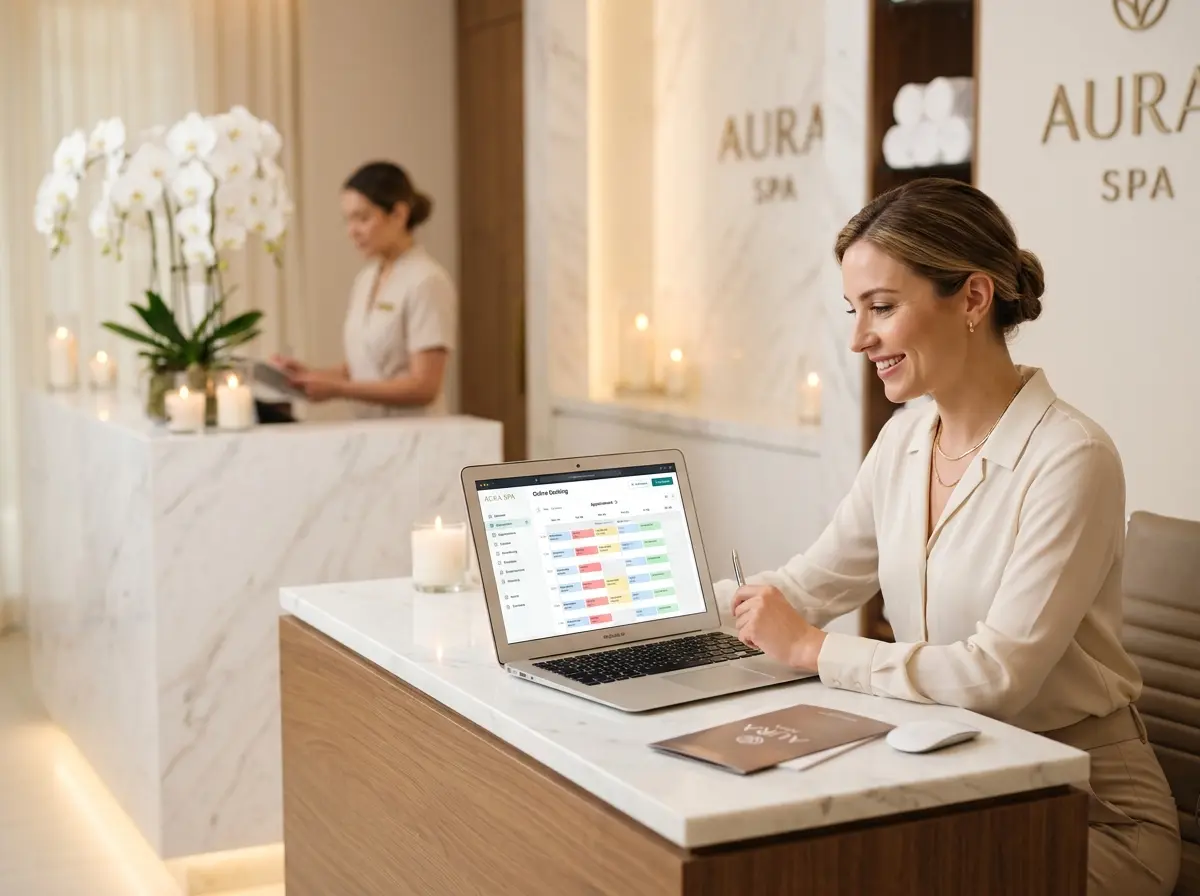
Online booking should be the path of least resistance between a customer's impulse and your appointment slot. Instead, for many spas and wellness businesses, it's become a digital obstacle course. Too many options, unclear availability, no guidance on what to book first, and a checkout flow that somehow requires five steps more than buying a flight. It's a conversion killer — and most business owners don't even know it's happening.
One mid-sized day spa decided to take a hard look at their booking experience after noticing their online traffic wasn't converting. They weren't getting fewer visitors — they were just losing people somewhere between "I want a massage" and "I have a confirmed appointment." What they did next led to a 40% increase in same-week appointments within two months. Here's what changed, and what you can steal for your own business.
What Was Actually Broken (And Why Nobody Noticed)
The Problem With Too Many Choices
The spa's original booking page listed 34 individual services. Thirty-four. From "Swedish Massage – 50 min" to "Himalayan Salt Stone Detox Ritual – 90 min," every service had equal visual weight, no descriptions worth reading, and zero guidance on what to pick if you were new. First-time visitors — the highest-value acquisition segment — had no idea where to start. So most of them didn't. They left.
The redesign collapsed those 34 options into five clear categories with a short "best for you if…" blurb under each one. New customers could self-select based on their goals (relaxation, skin care, pain relief, etc.) rather than trying to decode service names that only a trained esthetician would understand. The number of pages viewed per booking session dropped — which sounds bad, but actually meant people were finding what they needed faster.
Availability Theater vs. Real Urgency
The old booking calendar showed two weeks of availability at a time, with most slots appearing wide open. Psychologically, this removed any sense of urgency. Why book today if there's plenty of time next week? The redesign switched to a view that surfaced this week's remaining availability first, with a small indicator showing how many slots were left for popular service categories. It wasn't manufactured scarcity — the slots were genuinely limited — but making that limitation visible changed behavior immediately. Same-week bookings jumped because same-week availability was suddenly front and center instead of buried.
Mobile Was an Afterthought (Until It Wasn't)
Over 70% of the spa's web traffic came from mobile devices. Their booking flow was technically mobile-compatible — meaning it loaded on a phone — but it hadn't been designed for thumbs. Dropdowns were tiny, the calendar required pinch-zooming, and the confirmation page didn't render correctly on iOS. A full audit of the mobile booking experience revealed seven friction points that existed nowhere on desktop. Fixing those alone accounted for a significant portion of the conversion improvement. If you haven't tested your booking flow on an actual smartphone recently, stop reading and go do that right now. We'll wait.
How Smarter Tools Can Close the Gaps Your Website Can't
Capturing the Customers Who Don't Book Online
Here's the thing about booking redesigns: they help the people who were already trying to book online. But what about the customers who picked up the phone instead? Or the ones who walked in, looked around, and left because no one was available to answer a quick question? A better website doesn't capture those people — but the right front-of-house setup can.
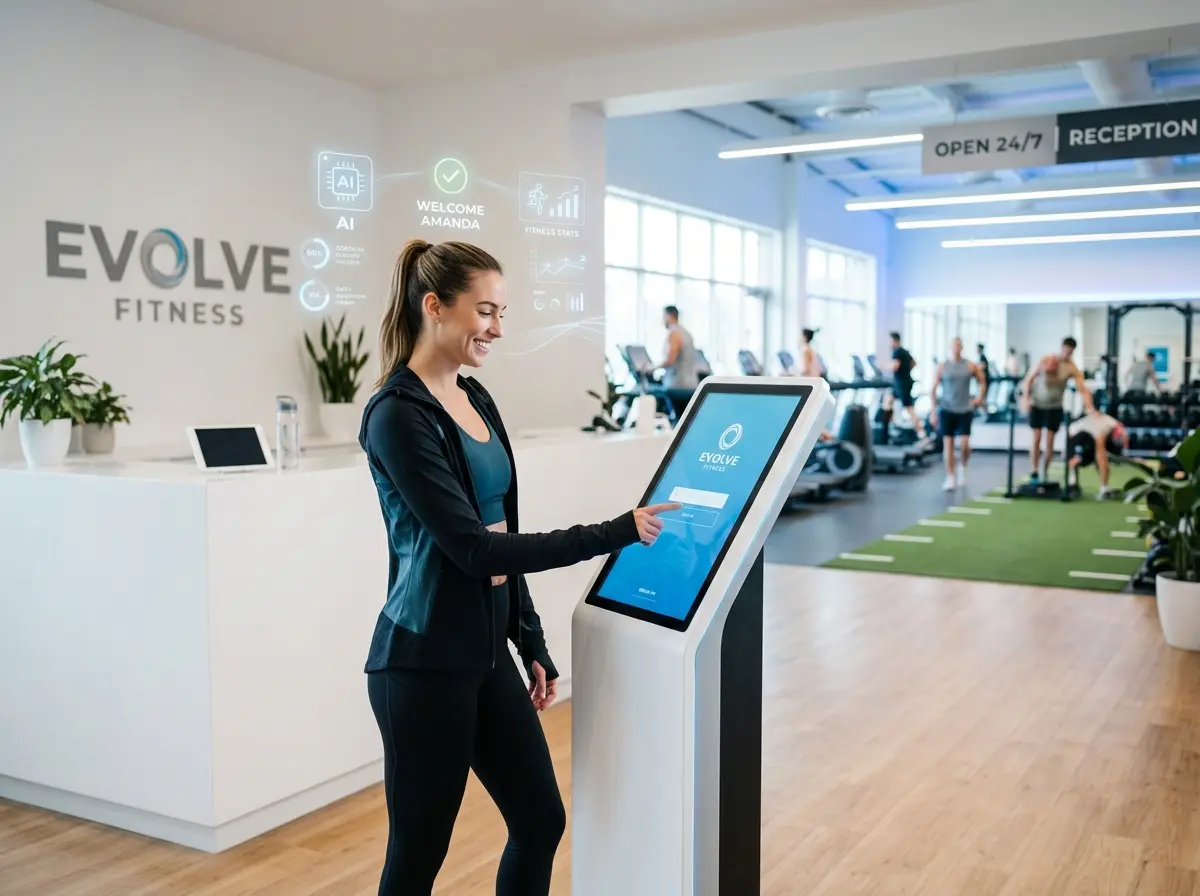
Stella is an AI robot employee designed for exactly this gap. For spas and wellness businesses with a physical location, she operates as an in-store kiosk — greeting walk-in visitors, answering questions about services and pricing, promoting current offers, and walking customers through intake or scheduling without pulling a staff member away from a treatment room. For after-hours calls or overflow volume, Stella answers the phone with the same knowledge she'd use in person, collects customer information through conversational intake forms, and can even forward calls to staff when the situation warrants it. The result is fewer missed opportunities, whether someone shows up in person or calls at 9 PM wondering if you offer couples massages.
The Redesign Decisions That Actually Moved the Needle
Adding a "Not Sure What to Book?" Path
One of the highest-impact additions to the spa's booking flow cost almost nothing to implement: a simple quiz-style entry point for undecided visitors. Three questions — what's your primary goal, how much time do you have, and is this your first visit — led to a personalized service recommendation with a direct "Book This" button. First-time visitor conversion rates nearly doubled after this was added. People don't always know what they want; they just know they want to feel better. Meeting them where they are, rather than expecting them to navigate a service menu like a sommelier, removes a major barrier to commitment.
Confirmation and Reminder Flows That Actually Work
A booking isn't a kept appointment. The spa had a meaningful no-show problem — around 18% of online bookings resulted in missed appointments, which is both revenue lost and a slot that could have gone to someone else. Part of their redesign included a tightened confirmation and reminder sequence: an immediate confirmation with a clear add-to-calendar link, a reminder 48 hours before, and a final nudge the morning of. They also added a one-click reschedule option directly in the reminder message, because sometimes people cancel simply because rescheduling feels like too much work. No-shows dropped by roughly a third within the first six weeks.
Post-Appointment Follow-Up as a Booking Engine
The easiest person to get back on the schedule is someone who already enjoyed their last visit. The spa implemented a simple post-appointment email sequence — sent 24 hours after a service — that thanked the customer, invited a review, and offered a direct link to rebook the same service or try something complementary. This alone generated a measurable bump in repeat bookings from customers who otherwise wouldn't have thought to return for another four to six weeks. The message felt personal without being pushy, and the convenience of one-click rebooking meant momentum didn't die in someone's inbox.
A Quick Reminder About Stella
Stella is an AI robot employee and phone receptionist built for businesses like yours — available as a physical in-store kiosk and as a 24/7 AI phone receptionist for any type of business. She handles customer questions, promotes your services and specials, collects intake information, and keeps things running smoothly without breaks, bad days, or turnover. At $99/month with no upfront hardware costs, she's one of the more practical investments a service-based business can make in their customer experience.
What You Should Actually Do This Week
The 40% increase this spa saw wasn't magic — it was the result of removing friction that had been silently costing them bookings for years. The good news is that most of these fixes are accessible, even without a major budget or a full website rebuild. Here's where to start:
- Audit your mobile booking flow today. Open your booking page on a phone you haven't used to test it before, and go all the way through the process. Note every moment of confusion, frustration, or extra tapping. Fix the top three.
- Simplify your service presentation. If a first-time customer can't figure out what to book within 60 seconds, you have too many options without enough guidance. Group services by goal or outcome, not by category name.
- Surface same-week availability prominently. If you have openings this week, make sure visitors see them immediately — don't bury urgency under a generic calendar view.
- Build a real no-show reduction sequence. A confirmation email and two reminders with an easy reschedule option will recover more revenue than almost any other single change you can make.
- Start a post-appointment reactivation email. One email, 24 hours after a visit, with a personal tone and a rebooking link. It takes an hour to set up and pays for itself immediately.
The businesses winning on booking aren't necessarily the ones with the fanciest websites. They're the ones who looked honestly at where customers were dropping off and had the discipline to fix it. Your booking experience is either working for you or against you — there's not much middle ground. The good news is that you now know exactly where to look.