Introduction: Building a Pediatric Eye Care Program That Doesn't Drive Parents (or You) Crazy
Let's be honest — children are not simply small adults. They wriggle. They lie about whether things look blurry because they'd rather squint heroically through recess than admit they need glasses. And their parents? They're juggling school schedules, soccer practices, and the emotional weight of a child who just discovered that trees have individual leaves. Your optical practice is stepping into this beautiful chaos, and if you're not set up properly, it can feel less like a thriving specialty and more like a very expensive toddler birthday party.
But here's the good news: a well-designed pediatric eye care program is one of the most powerful growth engines an optician can build. Families are extraordinarily loyal. Get a child's first pair of glasses right — make it a positive experience — and you've potentially earned a customer for the next 20 years, plus their siblings, their parents, and eventually their own children. The lifetime value of a pediatric patient is staggering, and yet most practices treat kids as an afterthought rather than a cornerstone demographic.
This guide will walk you through how to build a pediatric eye care program that's genuinely family-friendly, operationally sound, and designed to grow alongside the families you serve. Let's get to it.
Designing a Practice Environment and Experience Kids Actually Enjoy
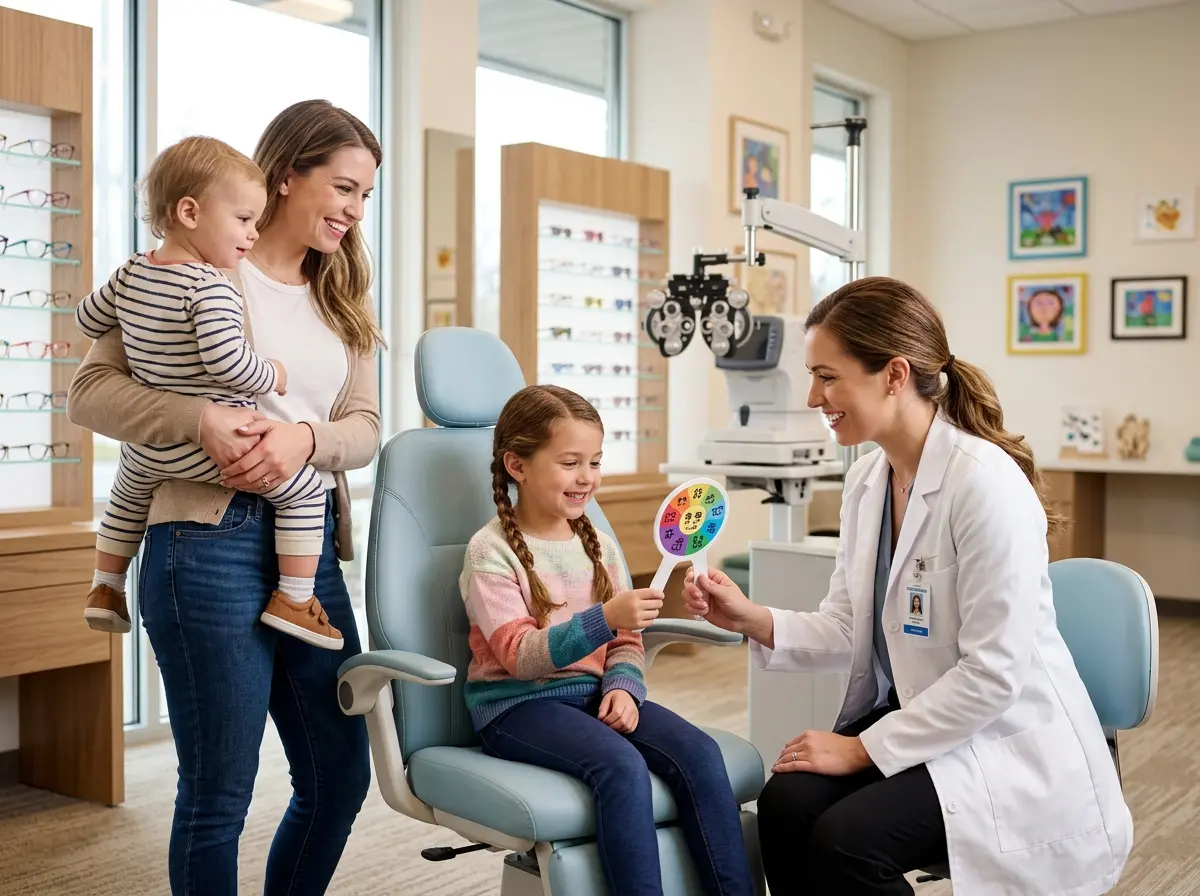
The first step in building a successful pediatric program is accepting a fundamental truth: if a child dreads coming to your office, their parents will find someone else. The clinical quality of your care matters enormously, but the experience is what gets families through your door in the first place — and what brings them back.
Creating a Kid-Friendly Physical Space
You don't need to transform your entire practice into a bounce house. Small, intentional design choices go a long way. Dedicate a corner of your waiting area to children with appropriately sized seating, a few engaging books or tactile toys, and maybe a small screen running age-appropriate content. Keep it clean, keep it contained, and keep it visible to parents — nobody wants to let their toddler wander into a display of $400 frames.
Consider your frame display strategy carefully. A low, accessible display of children's frames at kid-eye-level gives children ownership over the selection process. When a seven-year-old chooses their own frames, they're infinitely more likely to actually wear them. That's a win for everyone, including your return-visit rate.
Training Staff in Pediatric Communication
Not every optician is naturally comfortable with children, and that's okay — but it's something to address in your team's training. Staff should know how to explain procedures in simple, non-threatening language, how to recognize signs of anxiety in young patients, and how to redirect a meltdown before it escalates into a full-scale scene in front of your frame wall.
Simple techniques like narrating what you're doing ("I'm just going to shine a little light — it won't hurt at all"), using humor appropriate to the child's age, and directing questions to the child rather than always to the parent can dramatically improve the experience. Children who feel seen and respected are far more cooperative patients.
Offering Frame Warranties and Adjustment Policies That Make Sense
Children break things. This is not a hypothesis — it is an inviolable law of the universe. If your practice doesn't have a clear, generous frame warranty and adjustment policy for pediatric patients, you're going to hear about it. A lot. Build a straightforward warranty program into your pediatric packages: free adjustments, at least one no-questions-asked replacement within the first year, and a clear explanation of what's covered at the point of sale. Families will remember this generosity, and they will tell other parents.
Using Smart Systems to Keep Families Coming Back
Attracting a pediatric patient once is a great start. Retaining that family for years — through prescription changes, growth spurts, teenagers who lose frames with alarming regularity — is where the real value lies. This requires consistent follow-up, proactive communication, and a front desk that doesn't drop the ball when things get busy.
How Stella Can Help Your Practice Stay Connected to Families
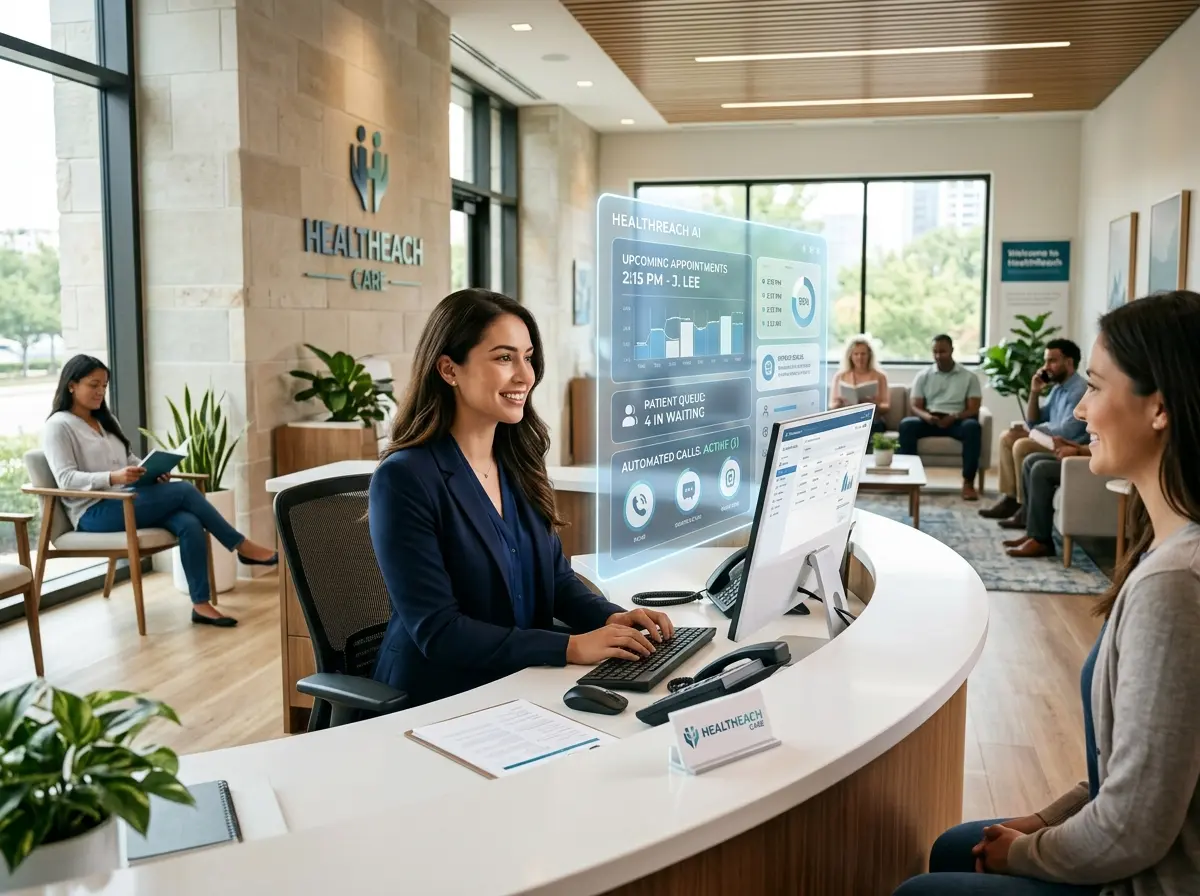
This is where technology becomes your best friend. Stella, the AI robot employee and phone receptionist, is genuinely well-suited for practices that need to stay in front of busy families without hiring three more front desk staff members. She can stand inside your practice and proactively engage parents and children who are browsing frames, answering questions about warranties, current promotions, or what to expect during a pediatric exam — all without pulling your staff away from clinical work.
On the phones, Stella answers calls 24/7, which matters more than you might think for families. Parents often call after hours to schedule appointments, ask about insurance, or check on order status — because they're doing their family logistics at 9pm after the kids are in bed. Stella handles those calls professionally, collects intake information through conversational forms, and logs everything into her built-in CRM so your team walks in the next morning with full context and zero missed opportunities. It's the kind of consistent, reliable coverage that keeps families feeling taken care of.
Building Loyalty Programs and Long-Term Family Relationships
The opticians who build genuinely thriving pediatric programs are the ones who think in terms of relationships, not transactions. A child who gets their first pair of glasses at age six could be your patient through high school, college, and beyond. The question is: what are you doing to cultivate that relationship over time?
Implementing a Family Loyalty Program
A well-structured loyalty program for families doesn't have to be complicated. Consider a simple points system where purchases and referrals accumulate toward discounts on future frames or lens upgrades. You might also offer a "sibling discount" — when one child in a family is already a patient and a second comes in, they receive a meaningful reduction on their first pair. This encourages families to consolidate their eye care at your practice rather than shopping around.
Annual reminder programs are another underutilized tool. Most children should have annual eye exams, but life gets in the way and parents forget. A proactive outreach system that contacts families 11 months after their last visit — by text, email, or phone — dramatically improves recall rates and keeps your appointment book full without relying purely on inbound demand.
Partnering With Schools and Pediatric Healthcare Providers
One of the most effective growth strategies for a pediatric eye care program isn't digital at all — it's relational. Reach out to local schools, pediatricians, and family medicine practices and introduce yourself as a pediatric eye care specialist. Offer to provide educational materials about children's vision health, sponsor a vision screening event, or simply make yourself available as a referral resource for vision concerns flagged during annual physicals.
Pediatricians routinely encounter children with undiagnosed vision problems, and they appreciate having a trusted, child-friendly optician to recommend. That kind of referral relationship can be worth thousands of new patient visits over time — and it costs you nothing but a few thoughtful introductions.
Celebrating Milestones and Making It Memorable
This sounds soft, but it works. When a child gets their first pair of glasses, make it a celebration. A small "First Glasses" card, a sticker, or even just a genuinely enthusiastic reaction from your staff creates a memory. Parents share those moments. They post them on social media, they tell other parents, and they associate your practice with a positive, affirming experience rather than a medical obligation.
Consider creating a "First Glasses Wall" in your office where families can post a photo of their child. It builds community, it decorates your space with authenticity, and it makes every new pediatric patient feel like part of something rather than just another appointment on the schedule.
Quick Reminder About Stella
Stella is an AI robot employee and phone receptionist designed to help businesses like yours provide a consistent, professional presence without the overhead. For $99 a month with no upfront hardware costs, she greets patients in your practice, answers phones around the clock, and helps manage the flow of information so your team can focus on delivering excellent care. For a busy optical practice serving families with unpredictable schedules and lots of questions, she's worth serious consideration.
Conclusion: Start Building Your Pediatric Program With Intention
A pediatric eye care program that truly grows with families doesn't happen by accident. It requires intentional design — from the physical environment and staff training to your warranty policies, follow-up systems, and community relationships. But the return on that investment is exceptional. Families who trust you with their children's vision become some of the most loyal, high-value customers your practice can have.
Here's a practical starting point: audit your current practice through the eyes of a nervous seven-year-old and a tired parent who just wants to get this done efficiently. Where does the experience fall short? Where does it shine? Start there.
- This week: Review your pediatric frame display and waiting area setup.
- This month: Establish or formalize your pediatric warranty and adjustment policy.
- This quarter: Reach out to three local pediatricians or schools to introduce your practice.
- Ongoing: Implement a recall system and explore tools like Stella to keep your communication consistent and your front desk supported.
The families in your community are looking for an optician they can trust with their kids — and stick with for decades. Give them a reason to choose you, and then give them every reason to stay.